


How to enhance the flavors of your seeded breads?
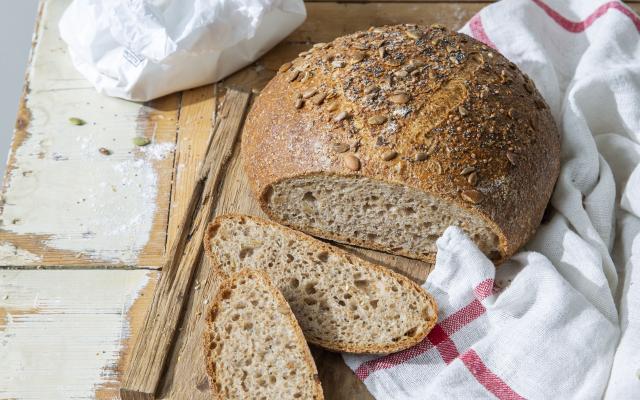

In this article, we will explore advanced techniques and valuable tips for enriching and enhancing the flavors of your seeded breads. From the meticulous selection of ingredients to mastering the fermentation process, each step is crucial in transforming a simple seeded bread into an exquisite culinary work. Join us to discover how to take your baking to the next level.
Choosing seeds for bread rich in flavor
The essential criteria to consider
For a bread to be both crispy and rich in flavor, the choice of seeds plays a crucial role. It is important to consider the quality, freshness and origin of the seeds. Opt for organic seeds to avoid pesticides and processing agents that can alter the purity and natural flavors of the seeds.
The different types of seeds
There are a multitude of seeds that can be incorporated into bread dough. Among the most popular are:
- Sunflower seeds, which add a touch of crunch and a slightly nutty flavor.
- Sesame seeds, known for their rich mineral content and distinctive taste that pairs well with softer breads or pastries.
- Flax seeds, often used for their health benefits, particularly with regard to digestion and omega-3 intake.
- Poppy seeds, which offer a crunchy texture and subtle taste that complements fine-textured breads well.
- Chia seeds, which are excellent for your health and do not change the taste of the bread base.
Incorporating seeds into your bread recipe
The addition of seeds in bread dough can be done in several ways. The seeds can be mixed directly into the flour before adding the other liquid ingredients to ensure even distribution. It is also possible to add them after the first kneading to maintain their integrity and crunch. Another method is to integrate them after the dough pieces are formed, by rolling them in the seeds before the final fermentation.
FAQs
When is the best time to add seeds to bread dough?
The best time to add seeds to bread dough is after the first kneading, this allows the seeds to better attach to the dough and enrich the texture without disturbing the rise.
Can you use seeds that have been processed or refined to make bread?
It is best to use untreated and unrefined seeds. Organic seeds are ideal because they retain all their nutritional and taste properties.
Which seeds are particularly recommended for bread with a unique taste?
Black sesame seeds and nigella seeds are highly recommended for their unique taste that can transform an ordinary bread recipe into an exceptional taste experience.
Articles sur le même Sujet

Kneading techniques influencing the final taste
The Fundamentals of Kneading in Bakery
THE kneading is a crucial step in bread making. This mechanical process helps develop the gluten network present in the flour, essential for the texture and final structure of the bread. Efficient kneading ensures uniform distribution of ingredients and facilitates fermentation, a key element in enhancing the flavors of your bakery creations.
There are various kneading techniques, ranging from manual kneading to the mechanical method using a kneading robot. Each method has its particular advantages and must be chosen according to the type of bread you wish to make. For example, intensive kneading is often recommended for firm doughs intended for breads such as bagels, while gentler kneading will be preferable for breads with a thin, crispy crust.
Optimization of the Kneading Process for More Intense Flavors
For those looking to enhance the flavors of their bread, it is essential to control the duration and intensity of kneading. Prolonged duration may result in over-oxidation of the paste, negatively affecting the taste and color of the final product. As a general rule, kneading for around 10 to 12 minutes is recommended for most traditional doughs.
Temperature is also a critical factor during kneading. Too high a temperature can speed up fermentation initially, but risks degrading the quality of the gluten proteins. Maintaining a dough temperature around 24°C to 26°C is ideal for optimum aromatic development.
Role of Additives in Flavor Enhancement
In the quest for perfect flavors, the use ofnatural additives during kneading can play a major role. Ingredients such as malt, sugar, or even specific enzymes are often added to enhance the taste and improve the preservation of the bread. The additives act on enzymatic reactions during fermentation, thus improving the aromatic profile of the bread.
It is crucial to precisely measure these components to avoid masking the natural flavors of the main ingredients. A thorough study of the properties of each additive is recommended before their incorporation into the dough.
FAQs
- What is the best kneading method for a baking beginner?
For a beginner, it is advisable to start with manual kneading, which allows you to feel and adjust the elasticity and firmness of the dough according to needs. - How do you know if kneading is enough?
A simple test is to perform the “veil test”: take a small piece of dough and gently stretch it. If the dough can be stretched into a thin layer without tearing, kneading is generally considered sufficient. - Can you knead bread dough for too long?
Yes, excessive kneading can cause the dough to over-oxidize, which negatively affects the flavors and color of the bread. It is important to monitor the texture and elasticity of the dough throughout the kneading process.
Articles sur le même Sujet

The importance of resting time for optimal flavor
Resting time is a crucial factor in the preparation of many dishes and baked goods. This interval allows the ingredients, particularly flour and sourdough, to fully develop their aromas and textures. In baking, for example, bread dough must often rest to allow the yeast to ferment, which contributes not only to the volume of the bread but also to the depth of its flavors.
The role of rest in fermentation
Fermentation is a key step in the preparation of many recipes. During the resting period, the microorganisms present in the natural sourdough or yeast work to transform the sugars into alcohol and carbon dioxide. This process not only improves the volume and texture, but also the taste. The enzymes active during this period also transform the components of the ingredients, thus improving the nutritional quality and digestibility of the prepared foods.
Texture optimization
In addition to their effects on flavor, rest periods greatly influence the texture of foods. In the case of bread dough, pizza dough, or even certain pastries, adequate rest allows glutenin and gliadin, two flour proteins, to form a gluten network. This network is essential to obtain an elastic and airy texture. Skip this step, and your loaves may turn out dense and heavy.
Resting time and aromatic development
The rest time also influences the aromatic development. For marinades or certain meat preparations, resting allows the different flavors to merge and permeate into the product, creating superior taste results. This is an element whose impact is often underestimated, but which is essential to maximize the complexity of tastes.
Kitchen Rest Time FAQ
Q: How long should bread dough rest for optimal flavor and texture?
A: The recommended resting time varies depending on the type of bread and environmental conditions, but a resting period of 1 to 2 hours at room temperature is generally advised for most common bread doughs.
Q: How do you know if a dough has rested enough?
A: A well-rested dough should have doubled in volume, have a slightly rounded surface and elastic to the touch. A simple test is to gently squeeze the dough with your finger; if the imprint rebounds slowly, the dough is ready.
Q: Does standing time affect all cooking recipes the same way?
A: No, each recipe has its own resting time requirements. For example, cake doughs may require little or no resting, while fermented doughs like those used for bread or some pizzas require longer resting times to fully develop their flavors and textures.
Articles sur le même Sujet
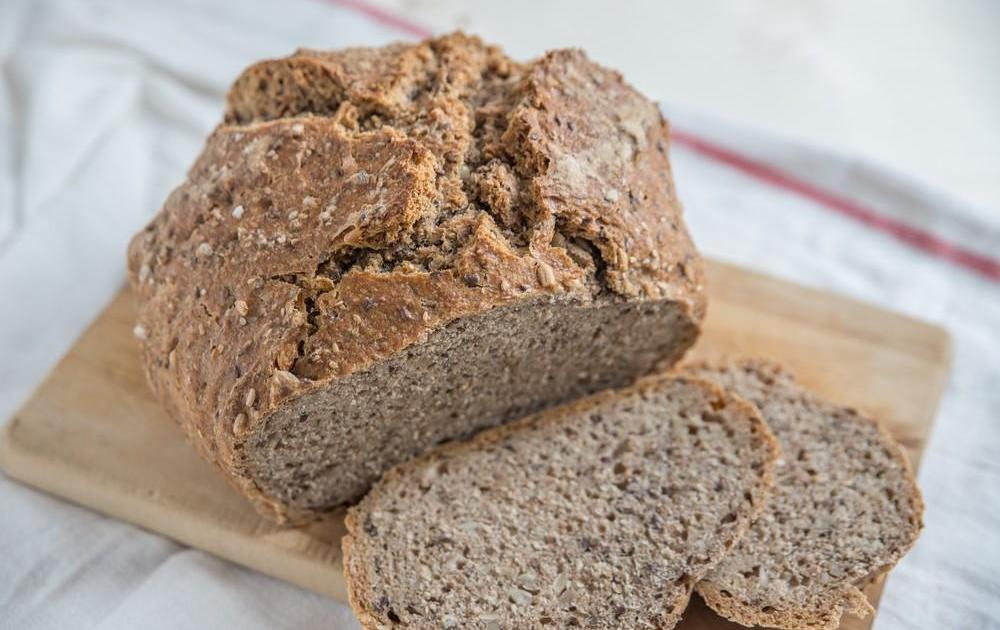
Cooking: temperatures and times to enhance the aromas
Understanding the Impact of Temperature on Aromas
Cooking is an art that requires precision and understanding of the chemical and physical processes involved. One of the main keys lies in controlling the temperatures. Every food has aromatic compounds that are released or transformed by heat. For example, cooking a roast at low temperature allows its natural flavors to be preserved and developed, while high temperatures can quickly alter them.
For pastries, such as croissants or specialty breads, oven temperature is crucial to achieving an ideal texture while developing buttery and caramelized flavors. Applying the right temperature not only maximizes flavor but also structures the dough optimally.
Cooking Times: Timing and Precision
Cooking time is just as essential as temperature. Inappropriate timing can lead to unwanted textures or overly intense flavors that mask the subtle nuances of a dish. For bread, for example, too short a time does not allow for complete rising or coloring, while prolonged cooking can dry out the crumb and make the crust too hard.
In the preparation of meats, the duration directly influences the type of cooking: rare, medium, well done. Each cooking level corresponds to precise times which must be scrupulously respected to obtain the desired consistency and aromas.
Modern Cooking Mastery Techniques
The use of modern technologies, such as convection ovens or temperature probes, greatly facilitates the management of temperatures and cooking times. These tools allow precise adjustment according to the type of food and the desired result, contributing to increased control of the caramelization and Maillard processes, responsible for the formation of aromas and flavors.
Sous-vide cooking is another method that allows exact temperature control, which is ideal for long, low-temperature cooking, thus preserving the organoleptic properties of foods.
FAQs
What is the ideal temperature for baking bread?
The optimal temperature for baking most types of bread varies between 220°C and 250°C. This range allows for good rising and a perfectly crispy crust.
For a medium-sized steak, medium rare requires about 4 to 5 minutes of cooking per side on a hot pan or grill.
Sous vide cooking allows vegetables to be cooked at a precise temperature, thus better preserving their nutrients and aromas, compared to traditional cooking methods where vegetables can be easily overcooked.
Articles sur le même Sujet
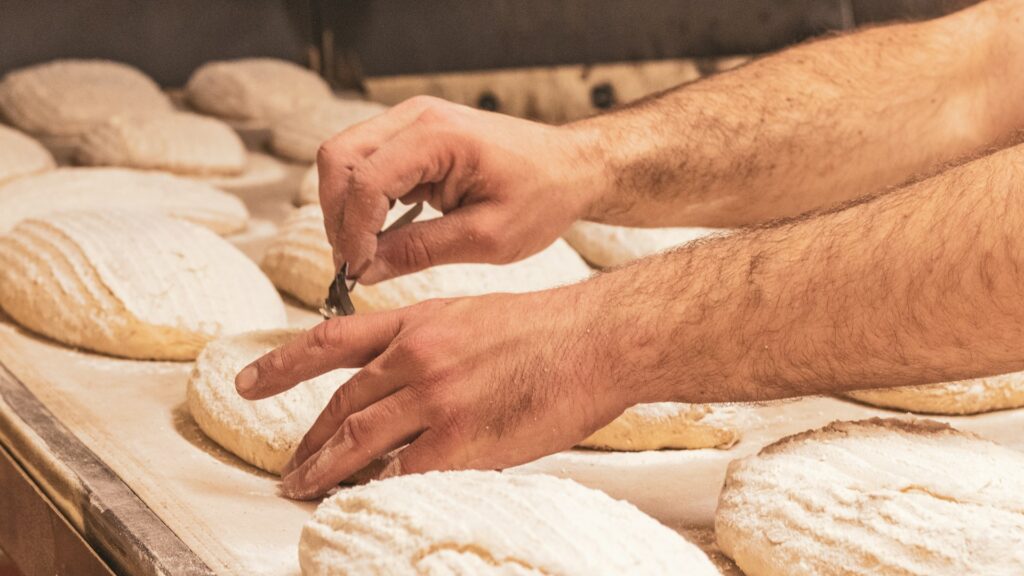

Pair seeded breads with other foods
Tasty Combinations to Enhance your Seed Breads
THE seed breads are renowned for their crunchy texture and nutritional richness. As a passionate baker, I continually explore creative combinations to enhance these breads. Possible combinations range from classic hard cheeses to modern superfood spreads.
An excellent association is that with aged cheeses. The robust character of Comté or Gruyere harmonizes perfectly with sunflower or pumpkin seeds incorporated into the bread. For a more aromatic touch, opt for a blue cheese which will contrast with the crunch of the seeds.
Another suggestion is to use vegetable spreads such as hummus or eggplant caviar. These creamy preparations complement the dense texture of seeded bread, while adding a richness of flavor thanks to their spices. For a quick and nutritious meal, spreading these preparations on a slice of toasted seeded bread is ideal.
For sweet and sour lovers, combine seed bread with Honey and goat cheese creates a perfect balance. The honey highlights the flavor of the seeds while the cheese provides a creamy sweetness.
When it comes to more elaborate accompaniments, consider combining your seeded bread with fresh salads or some homemade soups. In winter, a nice slice of seeded bread with a hearty vegetable soup can make a comforting and satisfying meal.
THE seed breads are not limited to being simple accompaniments. They can also be the basis of innovative sandwiches. Imagine a topping of smoked salmon, cream cheese and baby spinach, all wrapped in your multi-seeded crusty bread.
Also, do not underestimate the potential of breakfast classics. Toasted seed bread topped with butter and apricot or blackberry jam transforms an ordinary start to the day into a delicious morning.
FAQ on Associations with Seed Bread
- What is the best way to store seeded bread to preserve its freshness?
To best preserve your seeded bread, wrap it in a clean cloth and place it in a cool, dry place, away from humidity. Avoid storing it in the refrigerator, this can alter its texture and taste. - Can seeded breads be used for special diets?
Yes, seeded breads are often used in vegetarian, vegan or even gluten-free diets, choosing the appropriate types of seeds and flours. It is an excellent source of fiber and protein. - How do I keep the seeds attached to the bread after baking?
To ensure better adhesion of the seeds to the bread, brush the surface of the bread with a little water or beaten egg before sprinkling the seeds on top. This will help set them while cooking.
Storing bread to maintain freshness and taste
Bread Storage Methods
The preservation of the freshness and taste bread depends greatly on the storage method used. Proper packaging extends the life of bread by slowing down the aging processes. It is advisable to store the bread in a cloth or paper bag, which allows the crust to breathe and stay crisp while reducing exposure to air which accelerates staling. For those who prefer softer bread, using plastic bags can be an alternative to retain moisture in the bread, although this can sometimes soften the crust.
Using the Refrigerator: Advantages and Disadvantages
The refrigerator is often considered as an option for extending the storage of bread. However, it is important to note that the refrigerator can actually speed up the aging process of bread due to the starch retrogradation. This process causes the bread to become hard and dry more quickly. However, for breads with high moisture content like sandwich bread, the refrigerator can help prevent mold and mildew. prolong freshness for use for a few days.
Freezing for Long Storage
There freezing is an excellent technique for storing bread for long periods of time. To achieve the best results, it is crucial to pre-slice the bread before freezing it, which will facilitate its daily use without requiring complete defrosting. Bread should be wrapped airtight, ideally with cling film or in dedicated freezer bags, to prevent the formation of ice crystals which alter its texture and taste.
Humidity and Ambient Temperature Management
An often overlooked but crucial aspect of bread preservation is the management of humidity and ambient temperature. Dry environments can dry out bread, while environments that are too humid encourage the appearance of mold. It is optimal to store bread in a cool, dry place, away from direct sunlight and heat sources, which will help maintain its freshness and prevent the proliferation of bacteria and mold.
FAQ:
1. How do you know if bread is still good to eat?
Visually examine and smell the bread; signs of mold and an unpleasant odor indicate that it is no longer suitable for consumption. A hard, dry texture can also suggest the bread is stale.
2. Can all types of bread be stored in the same way?
No, different types of bread require distinct storage methods. For example, rustic sourdough breads are best stored in cloth bags, while softer breads may benefit from storage in plastic bags to retain moisture.
3. Is it possible to restore the freshness of stale bread?
Yes, often by slightly reheating the bread in the oven, usually at 180°C for a few minutes. This method can help restore flexibility and revive the taste of the bread.