


How to get perfect browning on cereal breads?
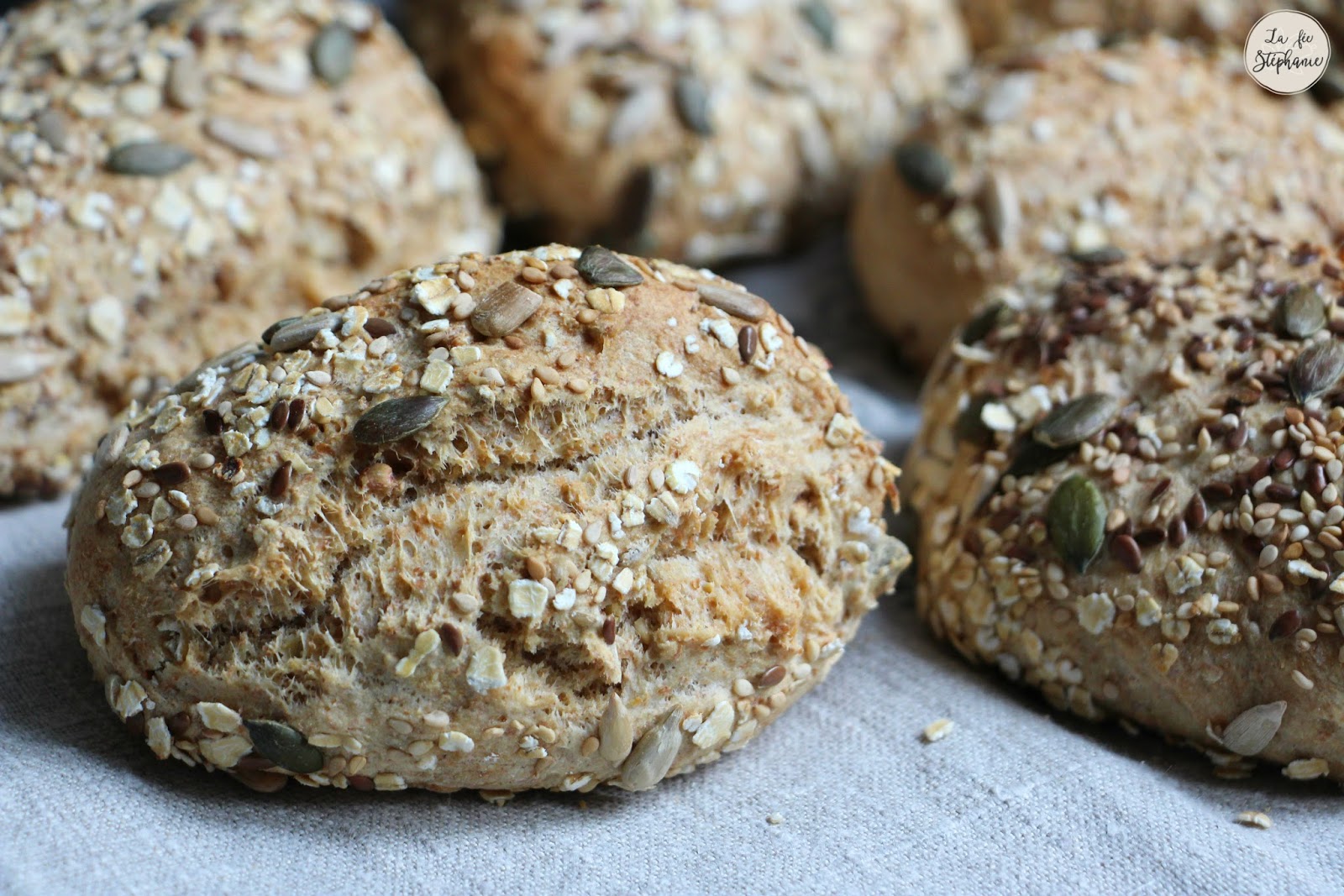

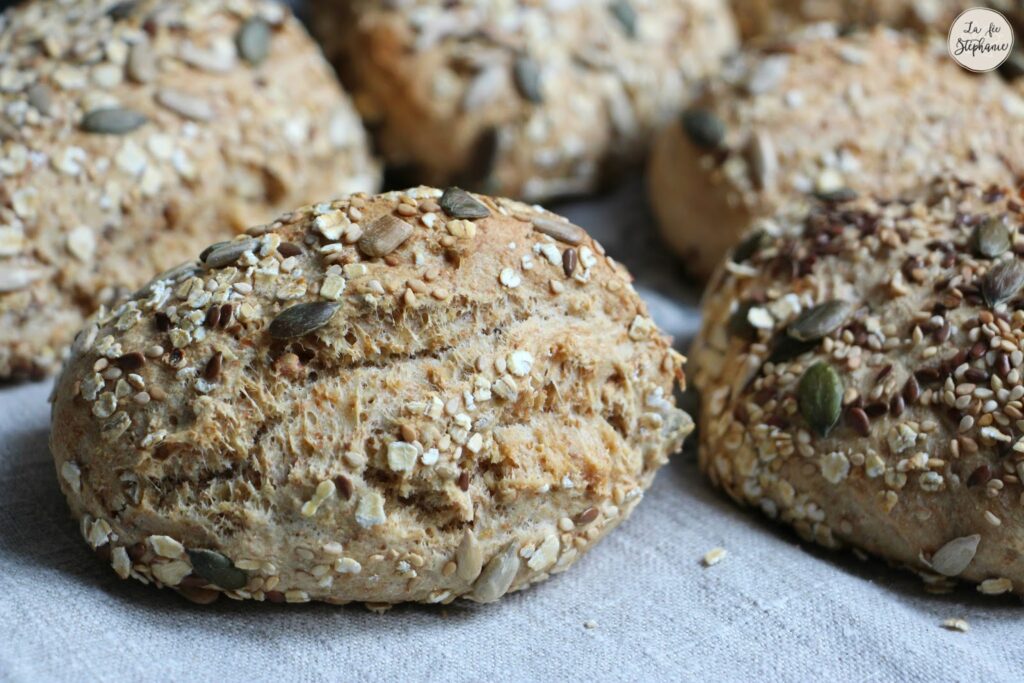
In this article, we will explore professional techniques for obtaining a perfect browning on cereal breads, essential to enhance their appearance and taste. We’ll cover tips on choosing ingredients, fermentation methods, and controlling baking temperature to ensure a golden, crispy crust every time. Join us to master the art of browning and turn your cereal breads into culinary works of art.
Choice of ingredients for successful gilding
The Fundamentals of Quality Gilding
There gilding plays a crucial role in pastry and baking, not only for the visual appearance it gives, but also for the texture it brings to finished products. The ingredients used for gilding must be chosen carefully to ensure a perfect golden color and an appetizing shine.
The Egg: Central Component of Gilding
The most commonly used component for gilding isegg. Depending on the desired effect, different parts of the egg are used:
- The egg yolk gives a darker, richer color.
- Egg white, often diluted with a little water, provides a shiny and light surface.
- The whole egg, beaten, is a compromise between yellow and white, providing both color and shine.
It is essential to filter the egg through a fine sieve to avoid lumps and ensure even application to the dough.
Milk and Cream to Soften Shade
For those looking for a less intense browning than that provided by egg yolk, the milk and the cream are excellent alternatives. These liquids contribute to a delicate golden color while adding a slight richness to the taste of the finished products. The choice between milk and cream will depend on the desired richness.
Butter: A Touch of Richness and Crispy
THE butter fade is another option for gilding. Used alone or in combination with other ingredients, it gives baked goods a unique crispiness and moderate shine. However, care must be taken not to apply in excess to prevent the surface from becoming too greasy.
Suggestions for Use and Application Techniques
The application of the gilding must be done delicately using a soft kitchen brush so as not to damage the dough. For delicate doughs like croissants or puff pastry, a light layer is enough so as not to saturate the surface.
As for adding complementary ingredients to the browning, a pinch of salt can be incorporated to intensify the flavors, while a teaspoon of sugar will help achieve light caramelization and additional golden color.
Perfect Gilding FAQ
1. Can the egg be replaced in egg wash for allergy reasons?
Absolutely, there are plant-based alternatives like soy milk or almond milk that can be used to achieve a satisfying golden finish.
2. What is the difference in results between using egg yolk and whole egg?
Egg yolk alone provides a richer, darker color while whole egg provides a balance of color and shine, ideal for most standard gilding applications.
3. How to ensure that the gilding is applied evenly?
Use a soft brush and use gentle, regular movements to cover the surface without overloading the material, taking care to cover the edges to avoid uneven browning.
Articles sur le même Sujet


Gilding application techniques
Gilding is a technique for adding a layer of gold or similar materials to various objects to beautify them. This traditional method is widely used in fields such as baking, pastry making, but also in art decoration and restoration.
Surface preparation
Before any gilding application, it is crucial to properly prepare the surface to ensure adhesion and durability of the gilding. Cleaning must be thorough, removing all traces of dust or grease. Depending on the surface material, an application of base or primer may be necessary to create optimal adhesion for the gold leaf.
Methods for applying gold leaf
There are several techniques for applying gold leaf, each suited to specific situations:
- Tempera gilding : Using a water-based glue. Ideal for painted surfaces or artwork.
- Gilding with the mixture : Use of an oil-based glue allowing a longer drying time, suitable for wooden or metal surfaces.
- Gilding with transfer foil : Practical for beginners, this method uses gold leaf pre-adhered to a backing paper, thus simplifying its application.
Finishing and protection techniques
Once the gold leaf has been applied, it is essential to protect the gilding to ensure its longevity. The use of specific varnishes or protective waxes helps preserve the shine of gold while protecting the surface from external aggressions such as humidity and UV rays.
Gilding Application FAQ
How long does properly applied gilding last?
Well-made and properly maintained gilding can last several decades, or even more, depending on the environment and the care given to the gilded object.
Can gilding be applied to any surface?
Virtually any surface can be gilded, but it is crucial to choose the right technique and preparatory materials specific to each type of surface.
What tools are needed to apply gilding?
Basic tools include brushes of different sizes, a coat of primer if necessary, glue specific to the chosen technique (tempera or mix), gold leaf, and finishing products such as varnish or wax.
These techniques and advice must be adapted according to the project and the type of gilding to be carried out, always with the aim of maximizing the beauty and durability of the final result.
Articles sur le même Sujet
The role of oven temperature
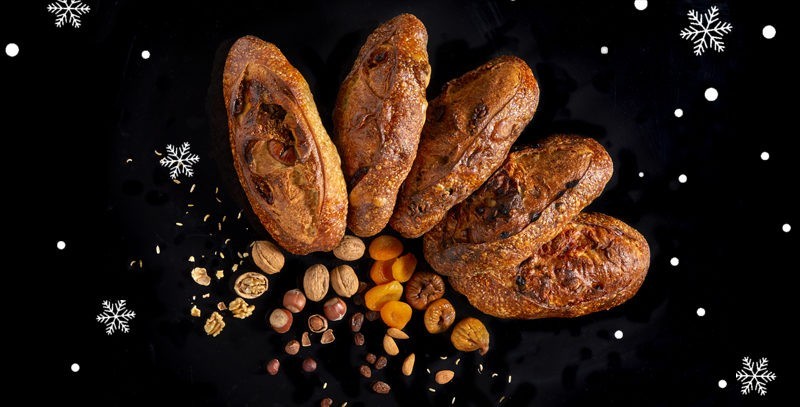
There gilding on baked goods is crucial to achieve an attractive appearance and desired crispy texture. Oven temperature is a determining factor for perfect browning. Understanding the interplay between temperature and chemical reactions can transform simple baked goods into culinary masterpieces.
Temperature Optimization for Perfect Browning
The ideal temperature for good browning generally varies between 220°C and 250°C. However, this range may differ slightly depending on the type of dough and the presence of other ingredients such as sugars or fats which influence the coloring. It is vital to set the oven to reach these temperatures before introducing the products.
- Preheating : Make sure the oven reaches the desired temperature to avoid starting cooking cold which could affect rising and browning.
- Monitoring : Coloring can vary quickly; therefore, monitoring cooking is essential to prevent the product from burning.
- Adjustments : Depending on oven characteristics and internal temperature variations, minor adjustments during cooking may be necessary.
The Role of Maillard and Caramelization Reactions
Gilding is mainly the result of reactions of Maillard and of caramelization. These chemical reactions occur when proteins and sugars in the dough react with heat.
- Maillard reactions : This process requires temperatures of at least 140°C but ideally takes place around 165°C to 180°C. These reactions are responsible for the rich flavor and brown color of fresh bread and pastries.
- Caramelization : The breakdown of sugars begins at around 170°C and accelerates at higher temperatures, contributing to a darker color and milder flavor.
Impact of Temperature on Different Types of Pasta
The composition of the dough also influences the optimal temperature for effective browning. Dough high in sugar or fat, such as croissants, will require a slightly different approach compared to traditional bread dough.
- Puff pastry : Looking for a higher temperature to allow proper flaking and a beautiful golden color.
- Bread dough : A moderate temperature is enough to obtain a golden crust without drying out the inside.
- Viennaiseries : The need for close monitoring to adjust the temperature is crucial due to their high fat and sugar content.
FAQs
1. What is the ideal temperature for browning a baguette?
For a baguette, an oven temperature of 230°C is generally recommended to obtain a golden and crispy crust.
2. How to avoid burning pastries despite high temperatures?
It is advisable to position the pastries in the central part of the oven and to monitor them regularly. Using the hot air feature can also help distribute heat evenly.
3. Is it necessary to change the oven temperature for sweeter doughs?
Yes, doughs with a high sugar content may require a slightly lower temperature to avoid excessive caramelization and burning the dough before it is fully cooked.
Articles sur le même Sujet


Importance of humidity during cooking
Gilding and humidity are two crucial elements that profoundly influence the quality of baked goods. Understanding how they interact not only improves food presentation, but also ensures consistency and flavor.
Understanding the role of humidity in gilding
Humidity plays a major role in the gilding process, which is the technique of applying a liquid (usually a beaten egg) on the surface of a food before cooking. This process not only enriches the color of the food, but also affects its texture and taste. Adequate humidity during cooking facilitates the formation of an attractive and appetizing golden crust through the Maillard reaction.
Humidity also influences the migration of sugars and proteins to the surface, which has a direct effect on the intensity and uniformity of the gilding. Precise humidity management is therefore essential to obtain satisfactory results, particularly when baking products such as pastries or specialty breads.
Techniques to optimize humidity in the kitchen
Controlling humidity in the kitchen can be done through various methods And adjustments in preparation and cooking.
- Use of water sprays: Lightly spraying the product with water before baking can help regulate surface moisture, necessary for even browning.
- Oven setting: The use of steam in modern ovens is an effective technique for controlling ambient humidity, which helps support the development of a perfect crust.
- Choice of ingredients: The addition of fats or sugars can influence the behavior of the water during cooking, thus modifying the browning profile.
Oven settings, particularly in terms of temperature and humidity, must be adapted to the type of product to promote consistent evaporation and avoid drying out or, conversely, an overly humid shell.
It is also essential to consider the quality of the gilding when using trims or covers, as they can impair moisture circulation and affect the final result.
Moisture and Gilding FAQ
What is the best way to apply gilding?
The most effective way is to use a natural bristle brush which allows for uniform application without saturating the product, while controlling the amount of liquid applied.
Cooking parameters, including temperature and humidity, should be carefully monitored. Using methods like steam at the beginning of cooking can help develop a thinner, crispier crust.
Yes, adding steam during cooking can help restore some moisture. However, the effect will not be identical to that obtained with good humidity management from the start of cooking. It is therefore crucial to control humidity levels in the early stages of preparation.
Articles sur le même Sujet
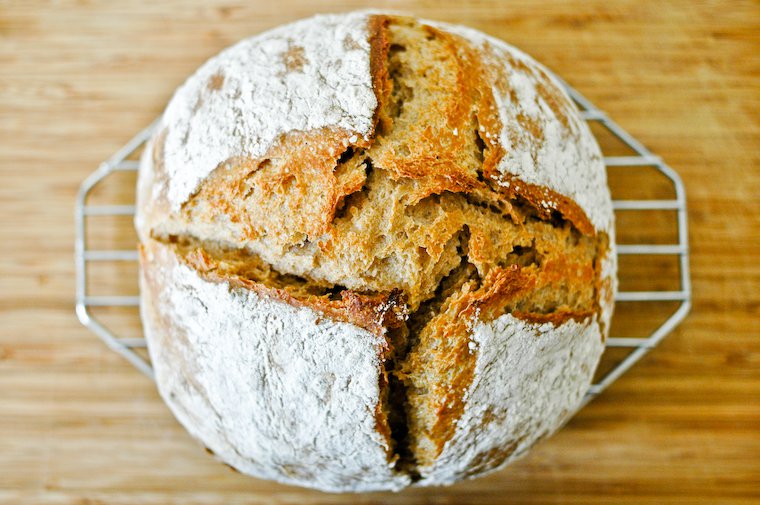
Different types of gilding for cereal breads
Understanding gilding and its role in baking
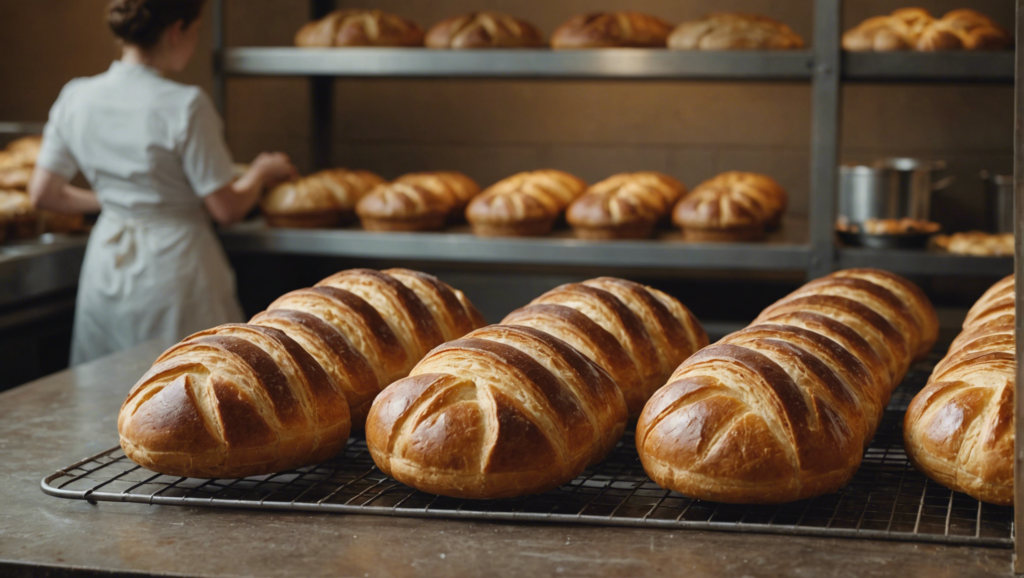
Gilding is a technique used to give breads an attractive color and crisp texture. This method involves applying liquid to the surface of the dough before baking. The effects of gilding are not limited to aesthetics; it also helps protect the bread during baking and improve its flavor.
Types of gilding suitable for cereal bread
Choosing the right browning for grain bread can affect both the taste and texture of the crust. Here are some commonly used options:
- Beaten whole egg : Provides a shiny, golden crust, ideal for richly textured bread.
- Milk : Creates a tender, lightly browned crust, perfect for soft, moist breads.
- Water : Simple but effective for obtaining a crispy crust, which accentuates the rustic texture of cereal bread.
Effective application techniques to maximize impact
The application of gilding must be methodical to guarantee uniform coverage and optimal results. Use a soft kitchen brush to gently apply the glaze over the entire surface of the bread. It is essential to do this just before baking to prevent the egg wash from seeping into the dough and making the bread too wet.
Impact of browning on the texture and flavor of bread
Gilding not only changes the appearance of the bread; it also enriches its flavor and optimizes the texture of the crust. An egg-based glaze will add a richness of taste while a water-based glaze will highlight the natural flavor of the cereals. Depending on the glaze used, the texture of the crust can vary from very crisp to soft and light.
FAQs
What type of glaze do you recommend for very crusty bread?
For very crusty bread, the use of water as a glaze is often preferred. It allows you to create a very hard and tasty crust, typical of certain rustic cereal breads.
Can browning affect bread baking time?
Yes, some types of browning can slightly change the cooking time. For example, an egg wash can help the bread surface cook more quickly due to its heat conduction properties.
Is it possible to combine different glazes for a single loaf?
Absolutely, combining for example egg wash with a little milk can add both shine and tenderness to the crust, providing a varied taste and textural experience.
Tips for uniform and crispy browning
Choice of ingredients for effective gilding
The quality of the gilding depends greatly on the ingredients used. Traditionally, a mixture of beaten egg with a little water or milk is used to bring this golden and shiny color to pastries and pastries. Using a whole egg will give a richer coloring while using just the yolk will provide a more intense shade and brighter look. It is also crucial to filter the mixture through a fine sieve to remove lumps and obtain a uniform result.
The application of gilding must be carried out delicately and precisely. Using a soft brush and using light, regular strokes helps avoid saturation of certain areas which could lead to uneven cooking. It is also recommended to apply the gilding twice: a first layer before the last proofing phase and a second just before baking, which reinforces the color and crispness of the crust.
Control of cooking time and temperature
Precise control of oven temperature is essential for uniform gilding. Too high a temperature can cause a superficial burn while too low a temperature will not allow the gilding to develop properly. Generally speaking, cooking should start at a high temperature (around 230°C) then be reduced after a few minutes to allow the heart of the piece to cook without the surface burning.
FAQs
What is the best technique to prevent gilding from drying too quickly?
To prevent the gilding from drying or browning too quickly, it is effective to lightly cover your preparation with aluminum foil as soon as the desired coloring is achieved, and to continue cooking until the product is completely ripe.
Can you use alternatives to eggs for egg wash?
Yes, for vegan versions or for those who are allergic to eggs, alternatives like soy milk or oil mixed with a little agave syrup can be used. These substitutes also provide a beautiful golden color when cooked.
How to ensure uniform application of gilding?
It is advisable to use a good quality pastry brush and apply the glaze in thin, even layers. Also make sure that the brush is well impregnated but not saturated with liquid to avoid runs.