What is the ideal size for a banneton?


Choosing the right size of your banneton is essential to obtain perfectly shaped and crispy breads. Let’s find out together how to select the ideal size based on the types of bread you want to create, to transform each bake into a work of culinary art.
Choice of banneton size depending on the type of bread
Determining factors in banneton size selection
Proper selection of the size of a banneton bread is crucial to obtain optimal results in bakery. This mainly depends on the weight of dough you plan to use. A banneton that is too large or too small will impact the shape and quality of the crust of your homemade bread. For traditional breads and boules, a banneton that can hold around 1kg of dough is generally well suited for domestic purposes.
Adapting the banneton to different types of pasta
The type of dough also impacts the choice of banneton size. Wetter doughs, such as those used for breads with a more airy texture, often require bannetons with a sturdier backing to maintain their shape during rising. For example, for rye or multigrain doughs, which are generally heavier, it is advisable to opt for a slightly smaller banneton to effectively contain the dough without it sagging.
Specific considerations depending on bread style
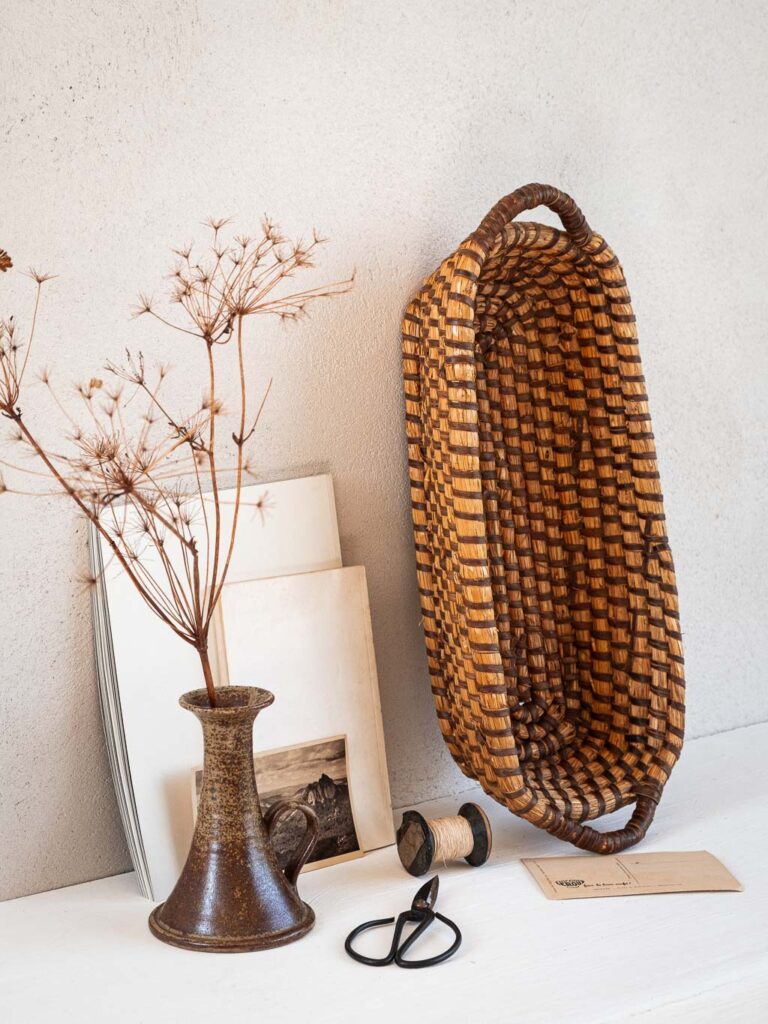
In the case of specific breads like baguettes or ciabattas, which are traditionally longer and flatter, elongated bannetons are more appropriate. These models make it possible to support the elongated shape of the bread while guaranteeing uniform rising. For small baguettes or individual loaves, smaller bannetons are ideal, making portion management and even baking easier.
Guidelines for handling and maintaining banneton
No matter the size, each banneton requires appropriate maintenance to extend its lifespan and preserve the quality of your bread. It is recommended to flour the banneton well before each use to prevent the dough from sticking. After use, it is best to clean it with a soft brush and let it dry in the open air, away from direct heat sources.
FAQ on using banneton in baking
Q1: What size banneton is recommended for a beginner?
A1: For beginners, a banneton around 8-9 inches (20-23 cm) in diameter is ideal for most types of homemade bread. It allows you to work with doughs up to 500-750 grams, which is usually enough for family needs.
Q2: Can the same banneton be used for different types of bread?
A2: Yes, the same banneton can be used for different types of bread, provided that the capacity and type of dough adapted to its size and shape is respected. However, some professional bakers prefer to use specific bannetons for certain recipes to optimize the shape of the bread.
Q3: Is it necessary to purchase bannetons of different sizes?
A3: If you intend to produce several types of homemade bread or want to experiment with different sizes and shapes of bread, it is convenient to have bannetons of different sizes. This allows greater flexibility in bakery.
Articles sur le même Sujet

Influence of banneton size on dough rising
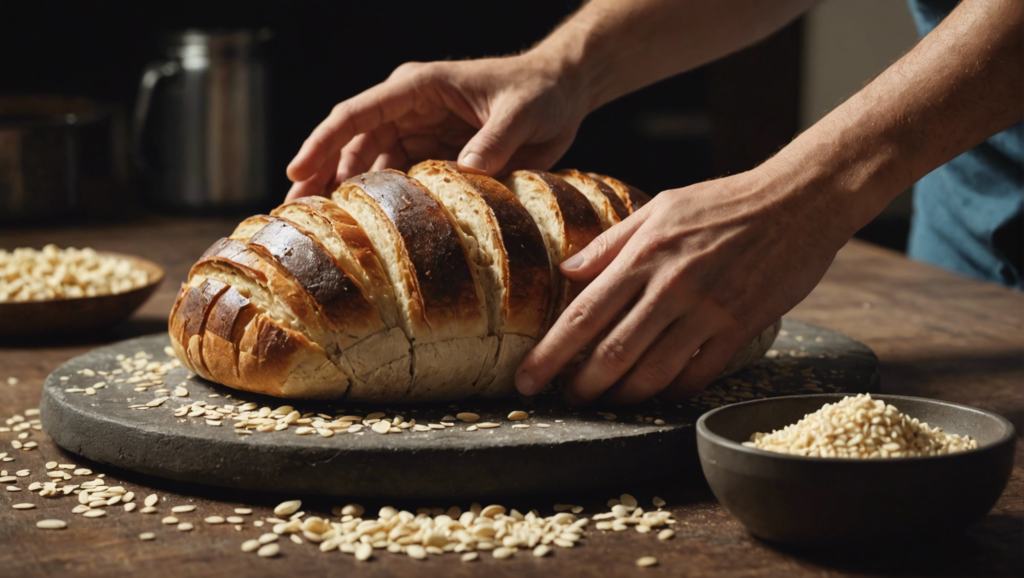
When it comes to traditional baking, every detail counts to achieve perfection. homemade bread. A crucial element in the preparation of bread is the choice of banneton. Known for its ability to support dough during rising, banneton plays a fundamental role in shaping the texture and shape of bread. However, the size of the banneton can have a significant impact on the rising process and, therefore, the final quality of the bread.
Correlation between banneton size and dough rising
The size of the banneton is directly proportional to the amount of dough it can hold. A banneton that is too small for a given quantity of dough will limit its natural expansion, while a banneton that is too large will not provide adequate support for good structuring of the crust. In the bakery professional, it is essential to choose a banneton that precisely matches the size of the dough prepared to optimize rising.
Properly supported dough in a properly sized banneton benefits from uniform distribution of the carbon dioxide produced during fermentation. This distribution plays a key role in the formation of an airy crumb and a crispy crust, characteristics sought in a homemade bread quality.
Choosing the ideal banneton for different types of bread
Bannetons come in different materials and sizes, each more suited to certain types of bread than others. For example, a round banneton is often used for traditional ball-shaped loaves, while a long banneton is better for baguettes or elongated loaves. By respecting the ratio of dough volume/banneton size, bakers ensure optimal rising and therefore a satisfactory final result.
- Dense breads such as rye bread often require a more compact banneton to maintain their structure.
- Lighter, airy breads, such as country bread, will benefit from a slightly larger banneton which allows for freer expansion.
The choice of banneton material, whether wicker or plastic, also influences the texture of the crust. Wicker bannetons favor a traditional, rustic crust while plastic ones are more suitable for a modern approach and thinner crusts.
FAQ on using bannetons in baking
What is the standard size of a banneton for making homemade bread?
The standard size for a banneton is often 20 to 30 cm in diameter for round bannetons, and 20 to 35 cm long for rectangular bannetons, depending on the type of bread desired.
How to maintain a banneton so that it lasts longer?
After each use, it is recommended to clean the banneton with a soft brush to remove flour and dough residue. Avoid washing it with water so as not to alter the natural properties of the wicker or plastic.
Can you use a banneton for all types of pasta?
Although primarily used for sourdough and low-hydration doughs, a banneton can be adapted to different recipes by adjusting the amount of flour sifted onto its surface to prevent dough sticking.
Articles sur le même Sujet


Tips for Selecting the Right Banneton for Your Needs
Choice of Material: Wicker Bannetons vs. Plastic
In the universe of bakery, selecting the right material for your banneton is crucial. Wicker bannetons are valued for their ability to absorb moisture, which promotes the formation of a crispy crust on the homemade bread. Their structure also allows effective aeration of the dough, an essential element for adequate fermentation. In contrast, plastic bannetons, while less traditional, offer superior durability and are easier to clean, which may be suitable for use professional regular.
Determine the Right Size and Shape
The size of the banneton must correspond to the quantity of dough used for each homemade bread. Generally, a 1 kg banneton is sufficient for most household needs. For the shape, it depends on the type of bread you want to make. Round bannetons are perfect for classic boules of bread, while long bannetons are better suited for baguettes or other elongated breads. A good choice of size and shape will contribute to the success of your breads, both in terms of fermentation and presentation.
Consideration of Additional Features
Some bannetons are equipped with fabric coverings or special textures helping to release the bread more easily after fermentation. These coatings can also be useful for creating decorative designs on bread, which is an important consideration for those looking to add an aesthetic touch to their creations home made. It is also advisable to check if the banneton includes supports or lids, especially for those who plan to leave for long fermentations or in variable environments.
- Fabric coverings: facilitate release and decoration
- Supports and lids: stabilize fermentation
Maintenance Tips to Extend the Life of Your Banneton
Maintain your bannetons in good condition is essential to ensure consistent results in your bakery professional. After each use, it is recommended to remove flour residue and allow the banneton to dry completely before storing it. For wicker bannetons, gentle brushing may be necessary to remove embedded particles. Plastic bannetons, on the other hand, can often be cleaned with a simple rinse, although drying remains crucial to prevent mold from forming.
FAQs
What is the main advantage of using a wicker banneton compared to a plastic banneton?
The main advantage of wicker is its ability to absorb excess moisture, which promotes better crust formation and ideal fermentation.
Can any size banneton be used for different types of bread?
No, it is important to choose a banneton adapted to the weight and shape of the intended dough. Using a banneton that is too large or too small can affect the shape and rising quality of the bread.
How to clean a banneton after each use?
For wicker bannetons, use a brush to remove flour residue and let air dry. For plastic ones, rinsing under hot water will usually be sufficient, followed by drying thoroughly to prevent mold.
Articles sur le même Sujet
Comparison of common banneton dimensions and their uses
Importance of Bannetons in Homemade Bread Making
The choice of banneton is crucial for everything professional baker or amateur wishing to produce homemade bread quality. This container, traditionally made of wicker but also available in plastic and other materials, is essential for shaping the dough and allowing it to maintain its shape during rising. THE bannetons also contribute to the rustic appearance of the bread thanks to the patterns they imprint on the crust.
Standard Banneton Dimensions and Their Applications
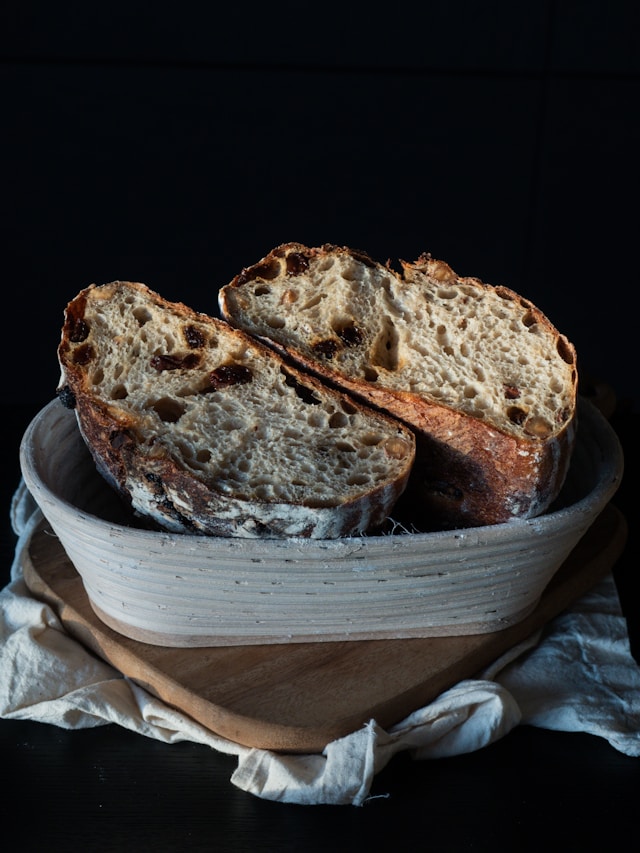
THE bannetons come in many sizes and shapes, each suited to specific types of bread. Here are some of the most common dimensions:
- Round: 20 cm in diameter – ideal for classic round loaves.
- Oval: 25 cm long – perfect for bastard type breads.
- Large round: 30 cm in diameter – used for large loaves or special breads.
- Small: 15 cm in diameter – suitable for small buns or individual balls.
Choosing the right size is essential depending on the volume of dough and the type of bread that we wish to achieve. It is recommended to leave approximately 2 cm free around the edge of the banneton after placing the dough to allow it to rise properly.
Choice of Banneton Material
The banneton material influences not only the moisture management of the dough but also the ease of unmolding after rising. Wicker bannetons are valued for their ability to absorb moisture and promote a crispy crust. In contrast, plastic bannetons offer a non-stick surface that may be easier for beginners to handle. The choice will therefore depend on your personal preferences and the results you want to obtain.
Maintenance of Bannetons
Maintaining your bannetons in good condition is also fundamental to ensure their longevity as well as the quality of the bread. It is recommended to clean them dry, using a brush to remove flour residue and allow to air dry. Avoid washing with water so as not to alter the shape and integrity of the banneton, particularly those made of wicker.