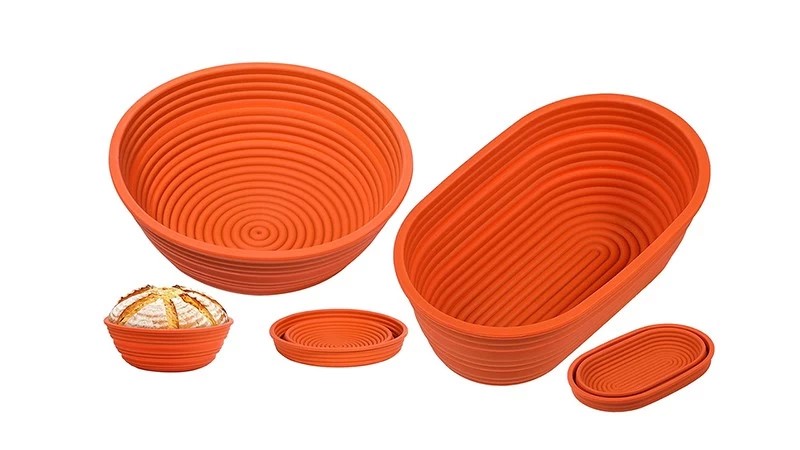
How important is banneton quality in bread preparation?


Discover the essential impact of banneton quality in the art of artisanal baking. This article explores how the wise choice of this tool can transform the texture, shape and crust of your breads, making each piece a work of culinary art. Perfect your shaping technique and ensure ideal fermentation for ever more impressive results.
Impact of banneton quality on bread texture
What is a banneton and why is it essential in baking?
A banneton is an accessory bakery used to maintain the shape of the homemade bread during its final rise before cooking. Traditionally made of wicker or rattan, it also exists in plastic and other materials. The main function of the banneton is to provide structural support to the dough, allowing the bread to develop a better texture and a more defined crust.
Banneton materials and their impact on the texture of bread
The choice of material banneton can directly influence the texture of the homemade bread. For example, wicker bannetons are valued for their ability to absorb moisture from the dough, which contributes to the formation of a pleasant, crispy crust. Conversely, plastic bannetons promote even heat distribution, which can be helpful for bread with a smoother finish and less pronounced crust.
Choosing the right banneton for professional quality
For those who aspire to level achievements professional And traditional in the bakery, selecting a high-quality banneton is crucial. Not only do you have to consider the material, but also the size and shape depending on the type of bread desired. A well-chosen banneton can significantly improve the overall quality of the homemade bread, both in terms of texture and flavor.
- THE banneton bread wicker for a traditional, crispy crust.
- The plastic banneton for a bread with more modern shapes and a soft crust.
- Bannetons coated to prevent adhesion without altering the characteristics of the bread.
FAQ on the use of bannetons in bakeries
How to maintain a banneton?
It is recommended to clean the banneton with a dry brush after each use to remove flour and dough residue. For wicker or rattan bannetons, avoid water to avoid the risk of mold.
Can you use a banneton for all types of dough?
Absolutely, whether for a firm dough or a very hydrated dough, there is a suitable banneton. However, it is important to choose the appropriate size and shape for the type of bread you want to make.
Are there any alternatives to traditional banneton?
Yes, you can use floured cloths placed in bowls as an alternative. However, the use of real bannetons remains recommended for those looking for consistent quality and results.
Articles sur le même Sujet
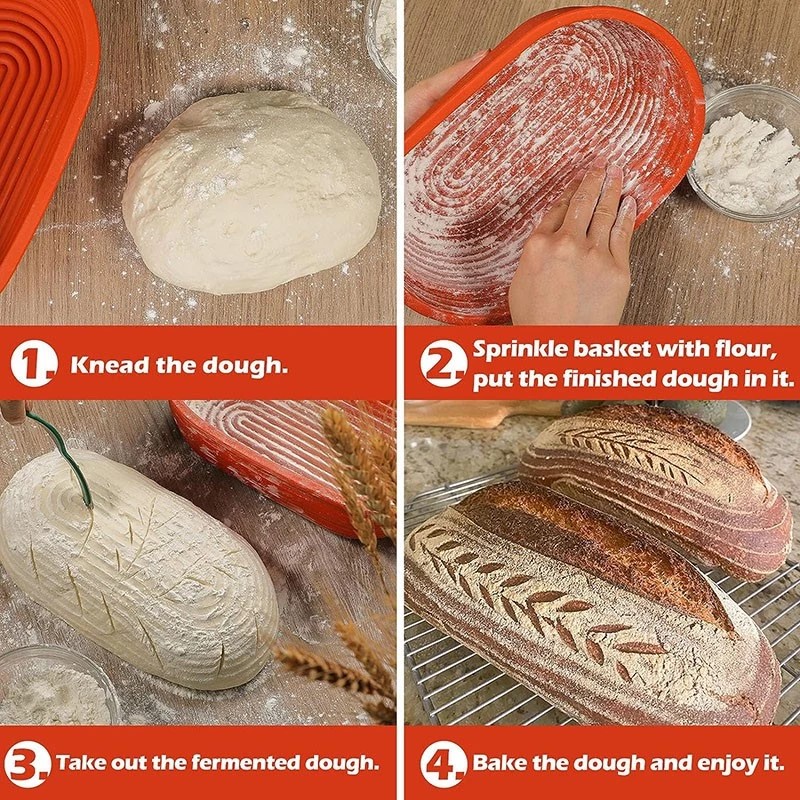
Choosing the right equipment: impact on the fermentation process
Impact of Banneton Equipment on Fermentation
The choice of material banneton is crucial in the fermentation process of homemade bread. A proper banneton not only contributes to the shape of the bread, but also affects microbial activity and gas production, essential for good rising. The most common materials include wicker, wood, plastic and coated fabric.
Traditional Materials: Wicker and Wood
Wicker bannetons are highly valued for their ability to maintain heat and absorb moisture. This characteristic allows uniform fermentation and contributes to the formation of a crispy crust. In addition, the patterns of the wicker print attractive spirals on the crust of the bread. However, maintenance requires attention to avoid the formation of mold.
Wood, for its part, offers excellent strength and durability. Conducive to good air circulation, the wooden banneton effectively supports the bread during rising, while helping to regulate temperature and humidity.
Modern Alternative: Plastic and Coated Fabric
The plastic banneton represents a modern option that facilitates cleaning and maintenance. Although less breathable than wicker or wood, it is often chosen for its longevity and its ability to withstand climatic variations without deforming. Plastic can, however, negatively influence the crust of the bread preventing the natural evaporation of moisture.
As for bannetons covered in fabric, they offer an interesting compromise. The coated fabric reduces the adhesion of the dough and facilitates its release, while allowing some absorption of humidity. This can be particularly beneficial for hydrated doughs.
FAQs
What is the best material for a banneton?
The choice depends on your specific needs: wicker and wood are excellent for traditional fermentation, while plastic and coated fabric are more convenient for maintenance and more consistent results.
For the maintenance of bannetons made from natural materials such as wicker or wood, it is recommended to clean them dry and store them in a dry place. For those made of plastic or coated fabric, regular washing with lukewarm water is sufficient.
Yes, the material can influence humidity regulation and temperature during fermentation, thereby affecting the texture and quality of the crust. Choosing the right material can therefore subtly modify the organoleptic characteristics of the bread.
Articles sur le même Sujet
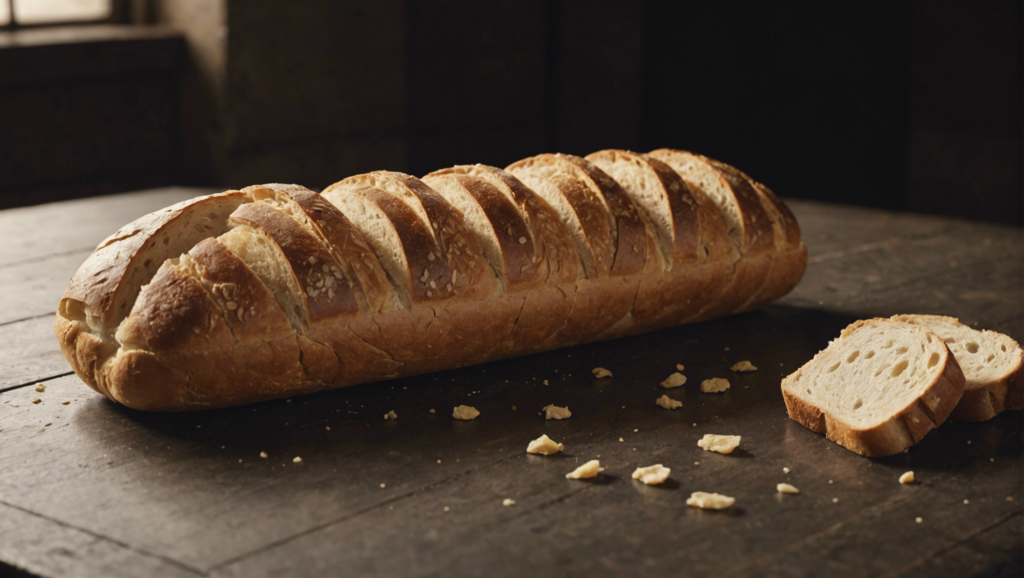
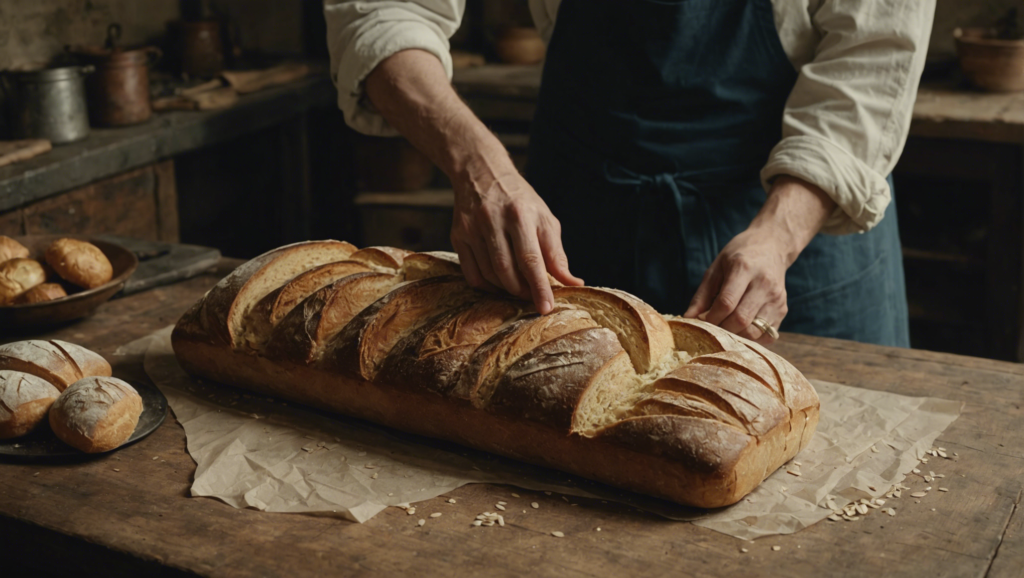
Influence of the type of banneton on the shape and aesthetics of the bread
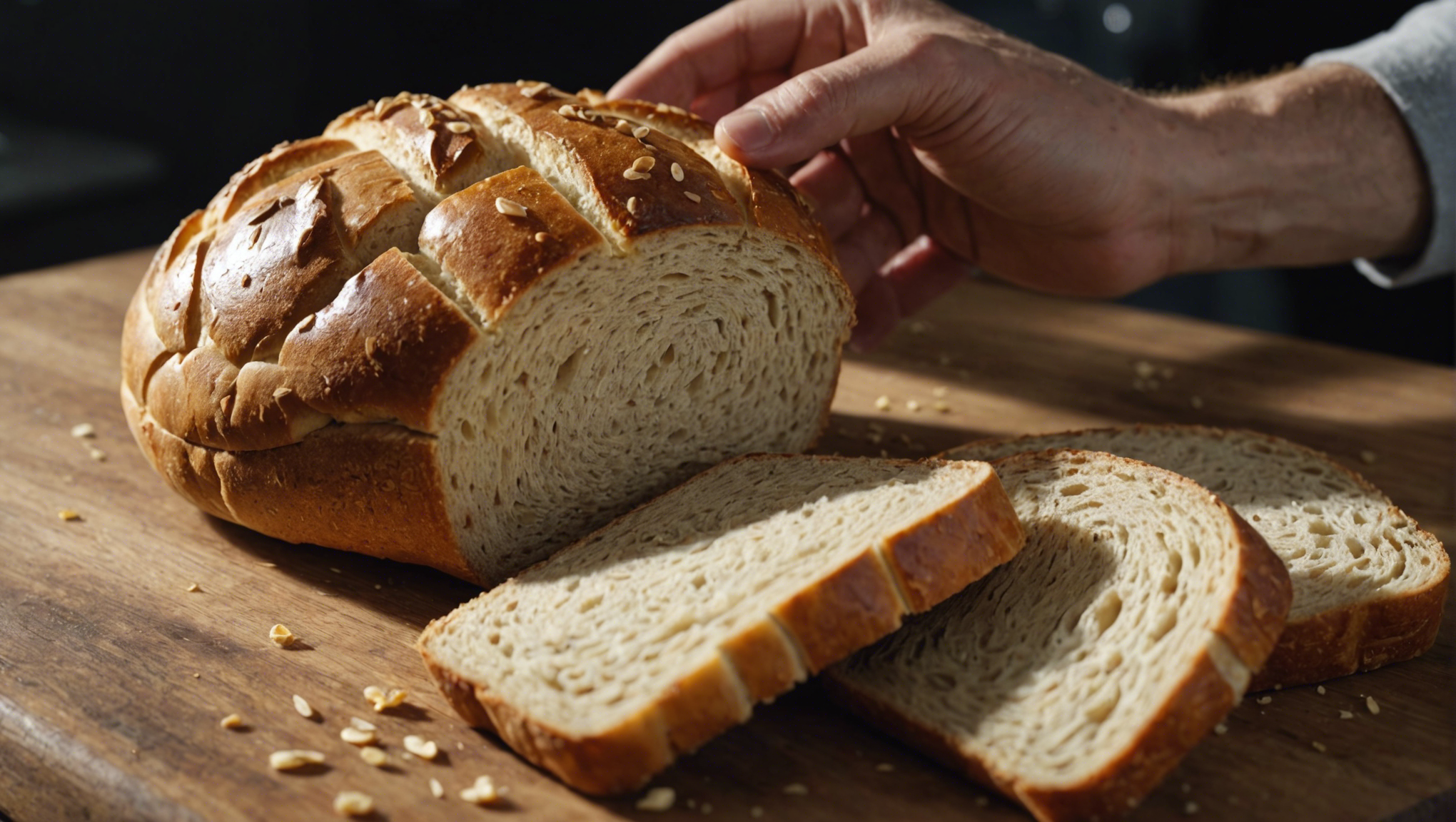
The aesthetics and shape of the homemade bread are greatly influenced by the type of banneton used during the final fermentation of the dough. Understanding the impact of different banneton materials and shapes can help bakers choose the right tool to achieve the desired result.
The Different Types of Bannetons and Their Materials
There are mainly two types of materials used for bannetons: wicker and plastic. Each material has distinct properties that influence the texture, shape and aesthetics of the bread.
- Wicker: Wicker is the traditional material for bannetons. It promotes good air circulation around the dough, which allows for uniform fermentation and a bread with a nice crispy crust. The wicker patterns printed on the paste add a distinct and traditional aesthetic touch.
- Plastic: Plastic bannetons are a modern alternative. They are easy to clean and durable. Although they do not offer the same pattern as wicker, they maintain a precise shape and are ideal for uniform bread production in professional bakery.
Choice of Banneton Shape
Besides the material, the shape of the banneton plays a crucial role in the final configuration of the bread. The most common shapes are round or oval, but there are also more specialized options like long bannetons or those with built-in designs.
- Rounds: Perfect for traditional bread balls, they promote an even crust and soft interior.
- Ovals: Ideal for bastard type breads, they provide an elegant and elongated result favoring even cooking.
Impact on Bread Texture and Crust
The choice of banneton affects not only the shape but also the texture of the crust. A well-ventilated banneton such as wicker ones helps wick away moisture effectively, resulting in a crispier, golden crust, while plastic bannetons tend to retain moisture, producing a softer, less colored crust.
FAQs
Q: How to clean a banneton to ensure its longevity?
A: After each use, remove flour residue using a brush. For wicker bannetons, avoid water so as not to damage the wood. For plastic ones, washing with hot soapy water is possible.
Q: Is there an ideal banneton for starting out in baking?
A: Plastic bannetons are recommended for beginners due to their ease of use and cleaning, as well as their durability.
Q: Can one type of banneton be used for all types of bread?
A: No, the choice of banneton can vary depending on the type of bread you want to make. It is advisable to have different types of bannetons to diversify the shapes and textures of your breads.
Articles sur le même Sujet

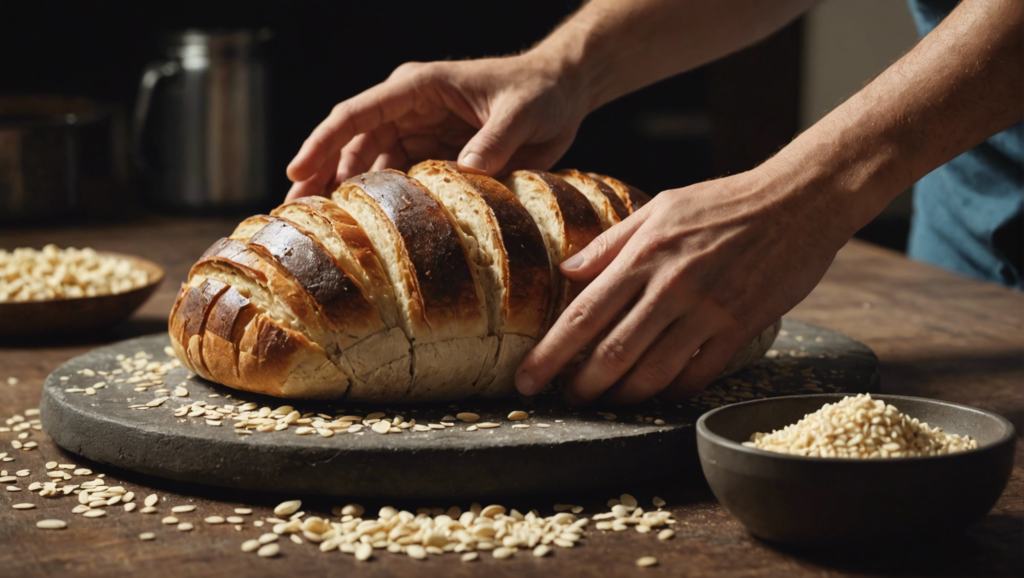
Bannetons maintenance and implications for sustainability and food safety
The Basics of Banneton Maintenance
Bannetons, or fermentation baskets, are essential tools in the art of bakery. Used to support the dough during its last hours of fermentation, they help to give the homemade bread its precise shape and structure before cooking. Proper maintenance of these accessories is therefore crucial not only to extend their lifespan but also to ensure the Food Safety.
To keep bannetons in good condition, it is essential to clean them systematically after each use. Cleaning removes paste and starch residue that accumulates and prevents mold from forming. Use a soft brush to remove any leftover flour and dough, and make sure the banneton is completely dry before storing. This simple gesture helps preserve the organoleptic quality of the bread and guarantees a faithful reproduction of the desired characteristics of the bread during each use.
Choice of Materials and Cleaning Methods
Bannetons generally come in two materials: wicker and plastic. Each has its specific advantages, influencing the recommended maintenance techniques. Wicker bannetons, preferred for their ability to absorb humidity, require mainly dry cleaning, thus avoiding excess humidity which could compromise their structure and hygiene. In contrast, plastic bannetons can be washed more vigorously with water and mild detergent, providing an easy-to-clean option for bakers promoting convenience.
It is also possible to use a diluted white vinegar solution to disinfect the bannetons after traditional cleaning. This additional step ensures effective elimination of potential bacteria and maintains a healthy fermentation environment for the preparation of your homemade bread.
Impact of Maintenance on Sustainability and Food Safety
Regular maintenance not only ensures the longevity of bannetons, but also plays a crucial role in food safety. Organic residues left in bannetons can become a breeding ground for bacteria and mold, which will not only deteriorate the material but could also contaminate the dough and affect the health of consumers. On the other hand, the attention paid to the maintenance of the bannetons ensures the consistency of the quality of the bread, reflecting the care and dedication of the professional baker.
Neglecting the maintenance of bannetons can lead to rapid deterioration, forcing frequent replacement of these accessories. This not only represents an additional cost but also a higher environmental impact due to excessive waste production. A careful maintenance routine is therefore beneficial from an economic and ecological point of view.
FAQs
1. Can bannetons be machine washed?
No, it is not recommended to machine wash bannetons, whether wicker or plastic, as this could alter their shape and structural integrity.
2. How often should bannetons be cleaned?
It is advisable to clean bannetons after each use to prevent residue buildup and mold growth.
3. How to dry bannetons effectively after cleaning?
After cleaning, leave the bannetons to air out in a dry, well-ventilated area until completely dry.