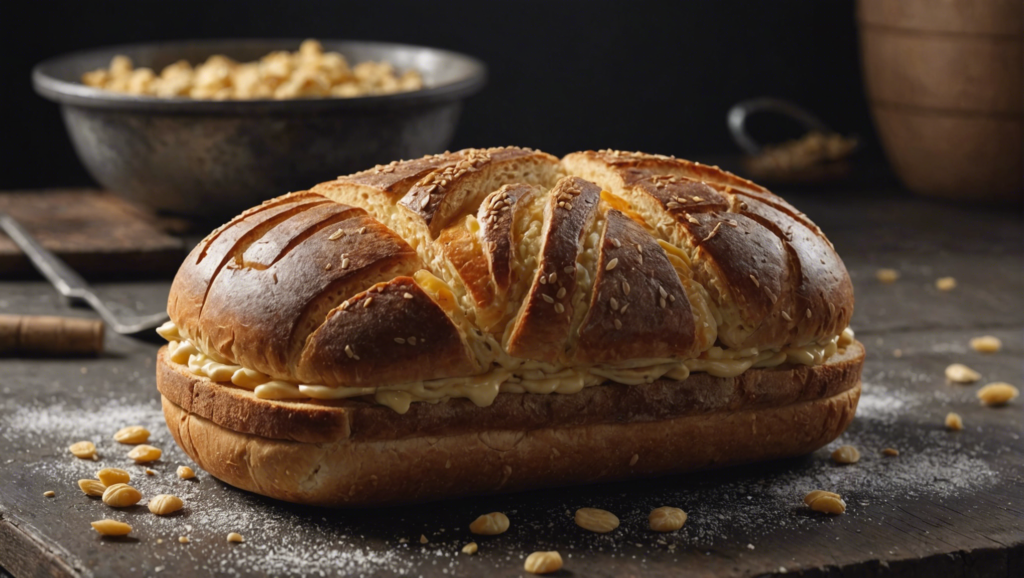
Why choose a silicone banneton?
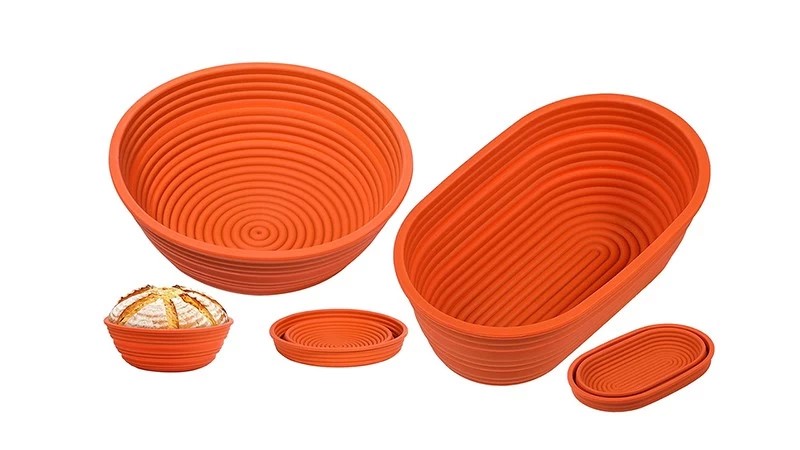

In the world of artisan baking, the choice of tools can greatly influence the quality and appearance of the final loaf. The following article explores the notable benefits of plastic bannetons, often overshadowed by their traditional wicker counterparts. Find out why opting for a plastic banneton could be a wise choice to improve your fermentation and shaping techniques, while ensuring hygiene and durability.
Durability and ease of cleaning of plastic or silicone bannetons
Characteristics of Silicone Bannetons
The choice of a banneton is crucial in the manufacturing process of homemade bread. Plastic bannetons offer a modern and practical alternative to traditional wicker models. Made from high-quality synthetic materials, these bannetons are distinguished by their sustainability exceptional. Resistant to wear and shock, they do not deform over time, unlike certain natural materials which can sag or break.
In addition, the non-porous plastic limits the adhesion of the dough, thus facilitating unmolding without damaging the structure of the bread. This non-stick character is particularly appreciated in professional bakery where repeatability and perfection of each part are essential.
Hygienic Advantages and Easy Maintenance
One of the biggest advantages of plastic bannetons is how easy they are to clean. Unlike bannetons made from natural materials which require careful cleaning and proper drying to prevent mold from forming, plastic models can simply be washed in hot, soapy water or even in the dishwasher. This possibility is very beneficial for maintaining a hygienic working environment, a major concern for both amateurs and professionals in the field. bakery.
In addition, the rapid drying of the plastic allows almost immediate return to service of the banneton, a significant advantage for the continuous production of the homemade bread. The non-absorption of odors and flavors also guarantees that the taste of the bread will not be altered, thus preserving all its purity and quality homemade.
Impact on Bread Quality
Despite the benefits linked to durability and ease of maintenance, it is essential to consider the impact of these bannetons on the quality of the homemade bread. Plastic, by conducting heat less well than wood or wicker, can modify the thermal environment of the dough growth, thus influencing the development of the bread crust. However, thanks to technological innovations, many models of plastic bannetons are now designed to provide adequate ventilation, essential for obtaining a good crust and an airy crumb.
By choosing high-quality plastic bannetons, bakers can combine practicality and respect for quality traditional bread, making this tool a wise choice for modernizing their practice while retaining the essence of homemade.
FAQs
- What is the main difference between a silicone banneton and a wicker one?
The main difference is the durability and ease of cleaning of plastic bannetons, unlike wicker bannetons which require more delicate maintenance. - Can you bake bread directly in a silicone banneton?
No, the banneton is only used to give shape and structure to the dough during rising. Cooking must be done on a suitable support after removing the dough from the banneton. - Do silicone bannetons affect the taste of bread?
No, if used and maintained correctly, plastic bannetons do not change the taste of bread. They guarantee hygienic production without transfer of unwanted flavors.
Articles sur le même Sujet
Adaptability to different bakery environments
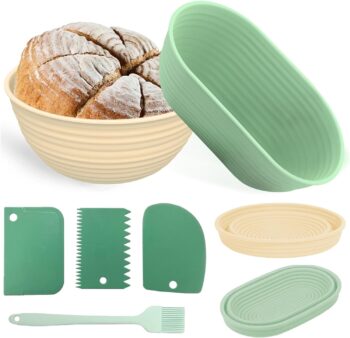
The use of plastic bannetons in the field of bakery professional represents a significant advance in terms of versatility and efficiency. Designed to meet the high demands of the sector, these accessories offer a multitude of advantages that facilitate the work of bakers while guaranteeing consistent quality of the homemade bread.
The choice of materials, particularly plastic, contributes not only to the durability of these bannetons but also to their ability to adapt to various working conditions. Their design allows for intensive and repeated use, which is essential in a professional environment.
Importance of materiality and hygiene
One of the main advantages of plastic banneton lies in its ease of cleaning. Unlike traditional wicker bannetons, plastic ones can be easily washed and disinfected, thus meeting the strict hygiene standards of the professional bakery. This characteristic is crucial, especially in the current context where food security is more important than ever.
In addition, the plastic material prevents the accumulation of flour residue and humidity which can contribute to the development of mold, thus ensuring the production of better quality and healthier breads. This makes plastic bannetons particularly suitable for environments where cleanliness is paramount.
Increased strength and durability
Plastic bannetons also stand out for their high resistance to impact and wear. This robustness guarantees superior longevity, even under the high constraints of professional kitchens where the tools are frequently used and subjected to harsh tests.
Their resistance to deformation and temperature variations is another notable advantage. Able to withstand high degrees of heat without deteriorating, these bannetons are ideal for preparing homemade breads repeatedly, ensuring consistent quality and shape each time it is cooked.
Variability of shapes and standardization
Plastic allows for a much greater variety of shapes and sizes compared to traditional materials. Plastic bannetons can therefore be adapted to many styles and weights of homemade bread, from the traditional baguette to voluminous country bread. This provides exceptional flexibility for bakers who want to innovate or meet specific requests.
This ability to standardize shapes helps maintain uniformity in bread production, which is often a crucial criterion in the baking industry. professional bakery. It allows bakers to deliver a consistent product that meets customer expectations every time.
FAQs
Q1: Do plastic bannetons alter the taste of bread?
A1: No, plastic bannetons are designed not to interfere with the composition or flavor of the bread. They are chemically inert and safe for food use.
Q2: Can plastic bannetons be used in a traditional oven?
A2: No, bannetons are only used for fermentation and shaping bread. Baking should be done after transferring the bread to another surface suitable for the oven.
Q3: How long can a plastic banneton last?
A3: With proper care, a plastic banneton can last for several years, even under heavy use in a bakery environment professional.
Articles sur le même Sujet

Ecological impact of plastic bannetons
The use of plastic bannetons in the bakery professional is often debated in terms of their practicality, but it is essential to also examine their ecological impact. These accessories, although durable and reusable, are made from synthetic materials which may pose environmental problems during their production and end of life.
Resource production and consumption
The manufacturing of plastic bannetons involves the use of non-renewable resources such as petroleum. The production process can release harmful substances and consumes a significant amount of energy. While their durability may offset some of these impacts by reducing the need for frequent replacement, it is crucial to consider the entire life cycle of the product.
End of life and recyclability
A critical point in assessing the ecological impact of plastic bannetons is their end-of-life management. Although plastic can be technically recyclable, the reality of recycling is often complex due to contamination or lack of appropriate processing facilities. Additionally, some plastics can degrade into microplastics which become integrated into ecosystems and harm biodiversity.
Ecological alternatives Bannetons made from natural materials such as wicker. Use of recycled or biodegradable plastics for the manufacture of bannetons. Take-back or recycling programs set up by manufacturers to improve end-of-life management of products.
Investing in more sustainable solutions can help reduce the ecological footprint in the health sector. traditional bakery and homemade bread. More environmentally friendly practices not only reduce negative impacts, but also meet growing consumer expectations regarding sustainable development.
FAQs
What are the environmental impacts of plastic bannetons during their production?
The production of plastic bannetons involves the use of non-renewable resources and can result in the emission of pollutants and high energy consumption.
Are plastic bannetons recyclable?
Technically yes, but effective recycling may be limited by factors such as contamination of materials or lack of suitable recycling infrastructure.
Are there more eco-friendly alternatives to plastic bannetons?
Yes, options include using natural materials like wicker, or recycled or biodegradable plastics. Manufacturers can also organize return programs to recycle end-of-life products.
Articles sur le même Sujet


Comparison between plastic bannetons and other materials
Materials used in the manufacture of bannetons
THE bannetons are essential tools in the art of bakery, particularly in the preparation of homemade bread. There are several materials for bannetons, including plastic, wicker, and wood. Each of these materials has distinct characteristics that can influence the fermentation process and the shape of the bread.
Plastic banneton is popular for its durability and ease of cleaning. Unlike natural materials, it does not retain moisture, minimizing the risk of mold. However, for some baking purists, the plastic might slightly alter the traditional taste of the bread.
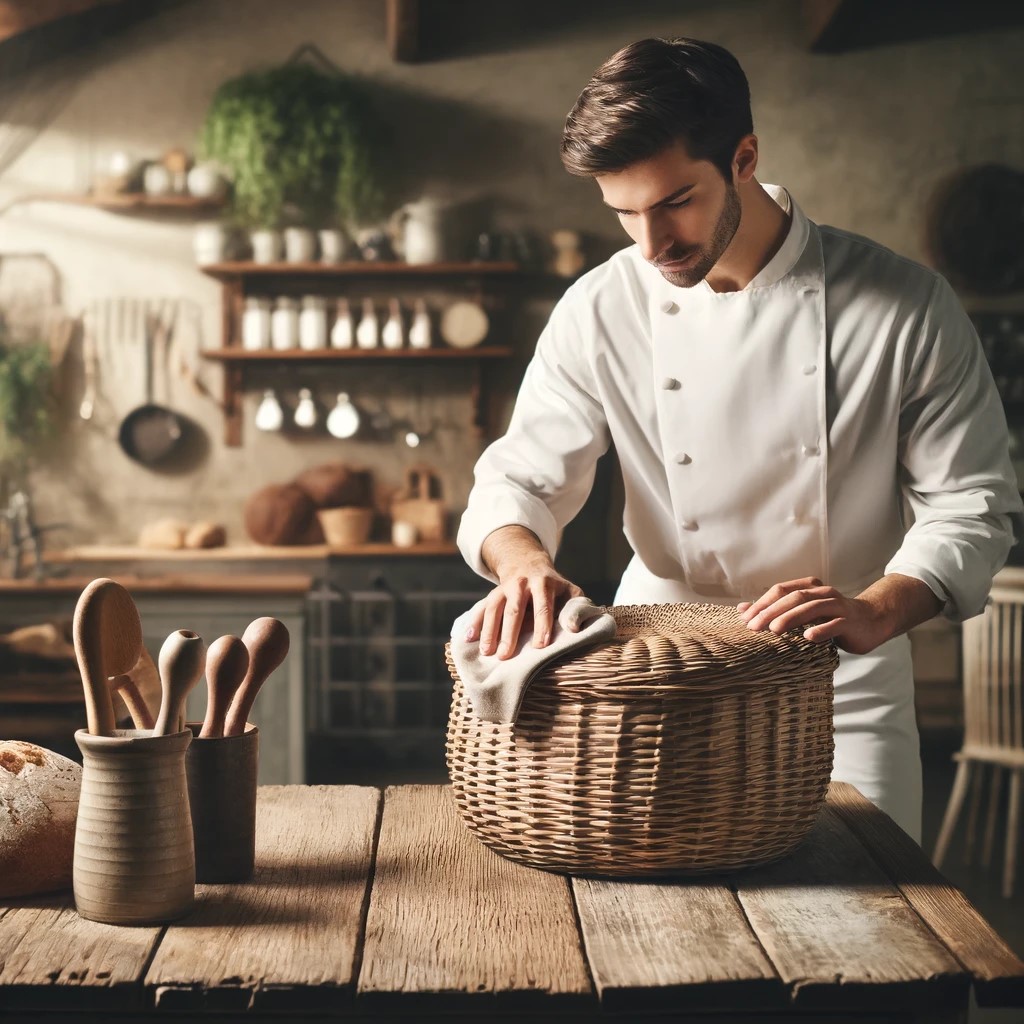
Wicker bannetons, on the other hand, are popular for their ability to absorb a certain amount of moisture from the dough, thus facilitating the formation of a crispy crust. The spirals of the weave also leave attractive patterns on the bread. However, these require more rigorous maintenance to avoid any accumulation of residue and mold.
Wooden bannetons offer a more traditional and eco-friendly method, but like wicker, they require special care to maintain proper hygiene and a long lifespan.
Impact on bread quality and texture
The influence of the banneton material on the texture and taste of the homemade bread is notable. Wicker and wooden bannetons promote better aeration of the dough thanks to their porosity. This characteristic allows ideal development of the crust and a well-shaped crumb.
In comparison, plastic bannetons can sometimes hinder this natural aeration process. However, they can be excellent for high hydration breads where moisture control is crucial. Additionally, newer models of plastic bannetons are designed to mimic the effects of wicker, providing efficient air circulation while remaining easy to maintain.
Preferences and practices in professional baking
In a professional setting, the choice of banneton can vary depending on personal preferences and production specificities. Bakers looking to produce a bread in appearance and taste traditional can opt for wicker or wood. These materials are often appreciated for the authenticity they bring to the finished product.
For large-scale operations or environments where consistency and ease of cleaning are paramount, plastic bannetons are generally favored. They are durable, reusable and do not require the same level of maintenance as wicker or wood.
Taking these aspects into account can help select the type of banneton best suited to each baker’s needs and goals.
Bannetons FAQ
1. How to properly clean a wicker banneton?
It is recommended to shake off excess flour after each use and expose the banneton to the sun from time to time. For deep cleaning, use a soft brush and avoid water which can encourage the formation of mold.
2. Can we use plastic bannetons for all types of bread dough?
Yes, plastic bannetons are suitable for various types of dough, including those with high hydration. They are particularly useful for maintaining the shape and structure of more liquid doughs.
3. What type of banneton gives the best results for crusty bread?
Wicker bannetons are often preferred to obtain bread with a crispy crust. Their ability to absorb moisture and allow good air circulation helps form a nice, crispy golden crust.