What is the alternative to banneton bread?

Discover innovative alternatives to traditional banneton for shaping bread. This article explores various options such as silicone molds, linen baskets, and other creative solutions for baking enthusiasts. Improve your craft and elevate the quality of your breads with these effective and practical alternative methods.
Use linen cloths to shape the bread
The Benefits of Linen Cloths for Bread Making
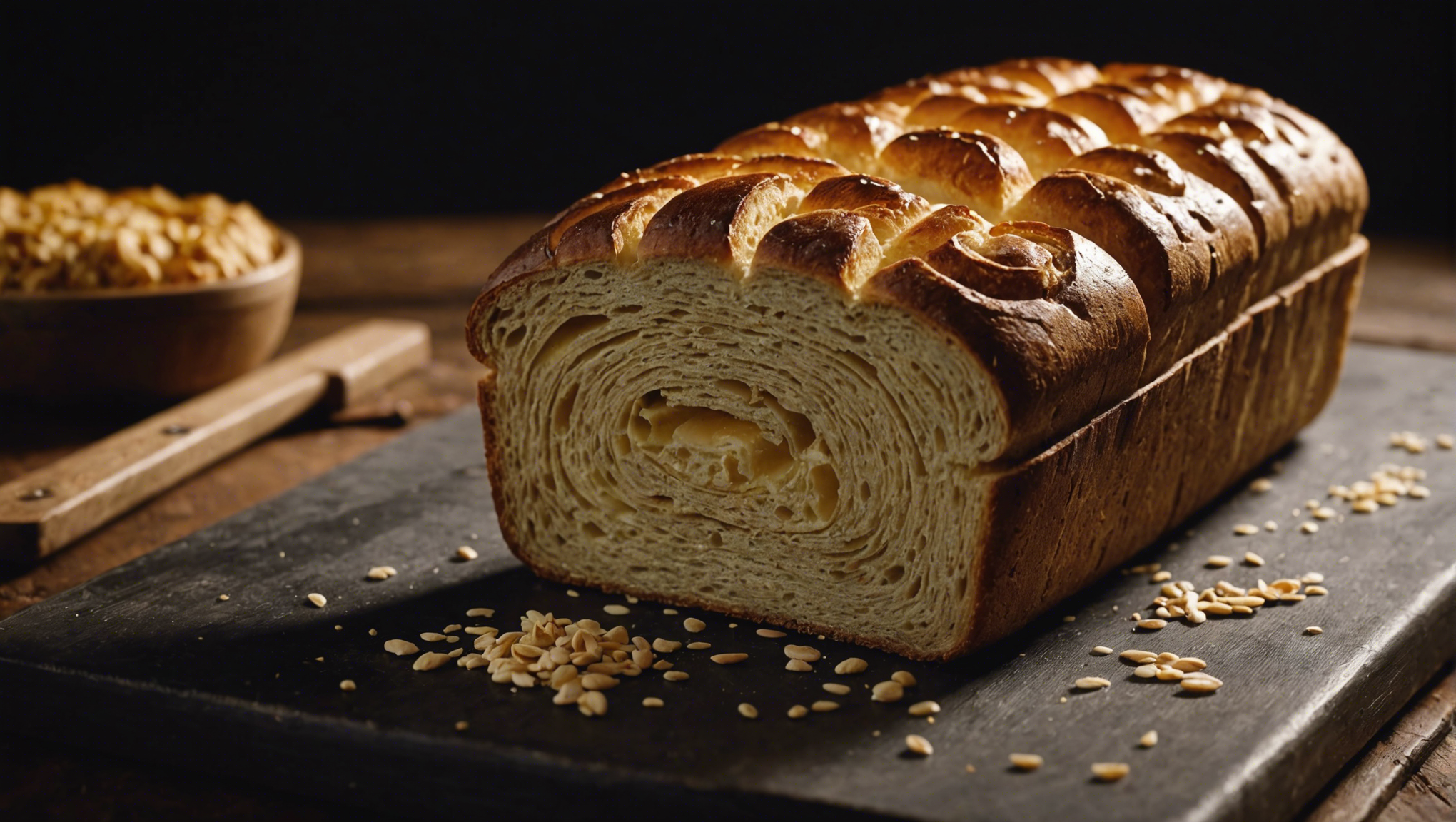
Linen tea towels are highly recommended in the professional bakery for their ability to absorb moisture while allowing the homemade bread to maintain a crispy crust. Linen, a natural and breathable fabric, helps maintain the ideal balance between humidity and temperature of the bread during proofing. This choice of material is essential to obtain a perfect texture and a golden, crispy crust, without sticking to the surface of the bread.
Choice and Preparation of the Linen Tea Towel
Before using it for shape the bread, it is crucial to choose a good quality, lint-free linen tea towel that has not undergone any chemical treatment. It is recommended to wash the cloth before its first use to remove residual impurities. To prepare your cloth for shaping, make sure it is lightly moistened and well floured to prevent the dough from sticking.
Bread Shaping Technique with a Linen Tea Towel
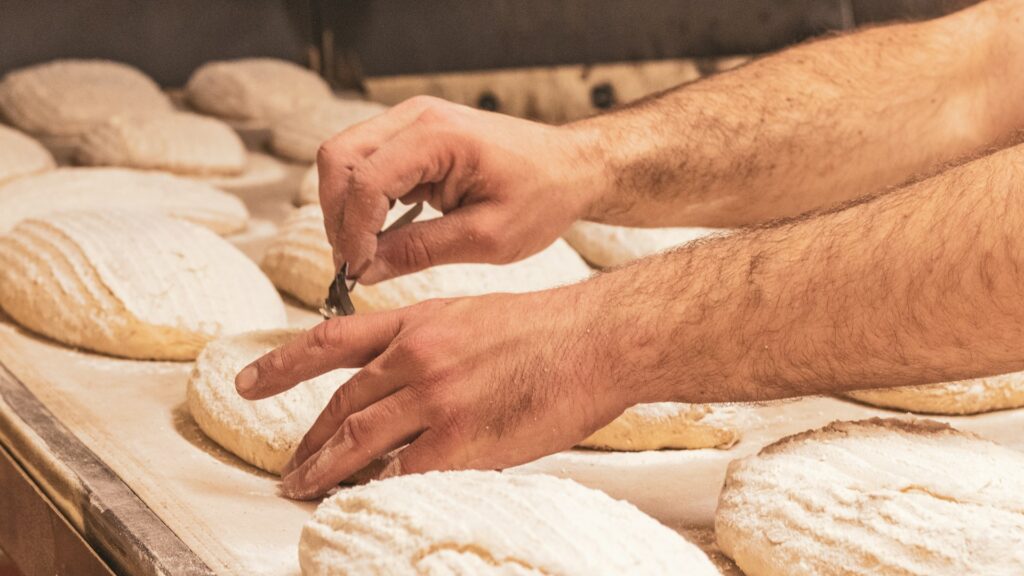
Once your cloth is prepared, place the dough on its half while leaving space to fold it over itself. Then, gently shape your dough into the desired shape (ball, bastard, etc.) while using the towel to support the dough and maintain its shape. The fabric should lightly wrap the dough without being too tight, allowing the dough to rise and oxygenate properly.
Care of the Linen Tea Towel After Use
After each use, it is essential to clean your tea towel properly to preserve its functionality and durability. Shake off any flour residue, then wash the cloth in cold water without softeners or bleaches. Air drying is best suited to maintain the quality of linen.
Answers to Frequently Asked Questions
1. Why choose a linen cloth rather than cotton for shaping bread?
Linen is stronger and has better absorbency than cotton, which is crucial for maintaining the right level of humidity around the dough during proofing.
2. Can linen tea towels be used for all types of bread?
Yes, linen tea towels are suitable for a wide variety of breads, especially for traditional breads homemade products that require a proofing period.
3. How do I know if my linen tea towel is of good quality?
A quality tea towel must be made of 100% natural linen, dense but supple, without apparent chemical treatment and must have a consistent, lint-free texture.
Articles sur le même Sujet


Exploring Silicone Molds as a Substitute
Advantages of silicone molds for baking
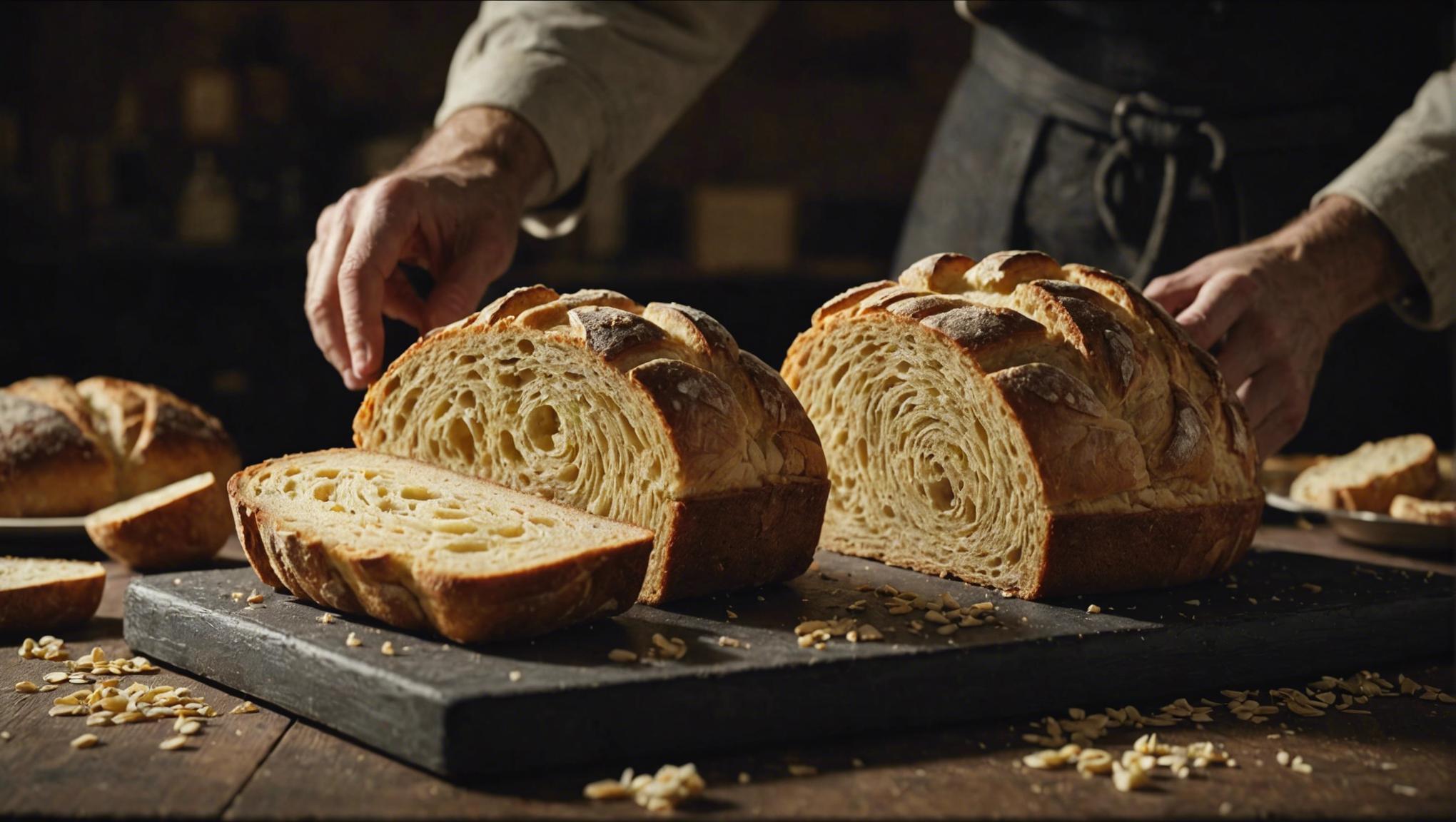
Silicone molds offer many significant benefits for home and professional baking. First of all, their flexibility allows easy demoulding without damaging the finished product, a considerable advantage for complex or delicate shapes. In addition, silicone resists extreme temperature variations, going from the freezer directly to the oven without any risk of deterioration. This ability to withstand a wide range of temperatures makes them ideal for various cooking techniques.
In addition, silicone molds promote even cooking, which is essential to obtain a homemade bread perfectly crispy and nicely browned. They are also non-stick, eliminating the need to oil or flour the pan, making the clean-up process much simpler and quicker.
Comparison with traditional bannetons
In baking, bannetons are often used for their ability to give a structured and attractive shape to bread during fermentation. These bannetons, generally made of wicker or wood, provide excellent aeration of the dough, which promotes the formation of a crispy crust. However, silicone is starting to emerge as a viable alternative thanks to its easy maintenance and versatility.
Comparatively, silicone molds do not require regular sprinkling of flour to prevent adhesion, thereby reducing raw material consumption and preparation steps. Although the results in terms of texture and shape are not identical, silicone molds can provide a consistency more uniform, profitable for bakeries seeking to standardize their production.
Impact on bread quality and taste
The use of silicone molds can influence the texture and taste of the homemade bread. Their non-stick property ensures that the dough does not lose moisture during baking, which can result in a softer bread. However, for fans of crispy crusts typical of traditional breads, silicone molds might not meet all expectations.
However, by adjusting the baking time and temperature, it is possible to obtain a relatively crispy crust even with these molds. Adaptation of traditional recipes may be necessary to maximize the properties of silicone while preserving the desired taste and textural qualities.
Recommendations for the use of silicone molds in professional baking
For baking professionals, integrating silicone molds requires some practical adjustments. High-quality models, designed specifically to withstand the rigors of commercial use, should be preferred. Investing in good quality molds ensures durability and consistency of results in terms of shaping and baking bread.
It is also recommended to test different brands and types of silicone molds to evaluate their specific performance with different types of doughs and recipes. This experimentation will help define the optimal settings for the oven and the mixtures, in order to maintain a superior quality of the bread produced.
FAQs
1. Can silicone molds really replace wicker bannetons for shaping bread?
Although different, silicone molds are a practical alternative with advantages in ease of use and maintenance. They do not entirely replace bannetons in terms of traditional technique but offer a complementary option.
2. Can you get a crispy crust with silicone molds?
Yes, with adjustments in the baking method it is possible to approach the results of traditional methods and achieve a satisfactory crust.
3. How to maintain silicone molds to extend their life?
It is recommended to wash the molds with lukewarm water and mild soap after each use. Avoid the use of abrasive materials for cleaning to keep the surface smooth and non-stick.
Articles sur le même Sujet
The use of plastic food baskets
The advantages of plastic food baskets
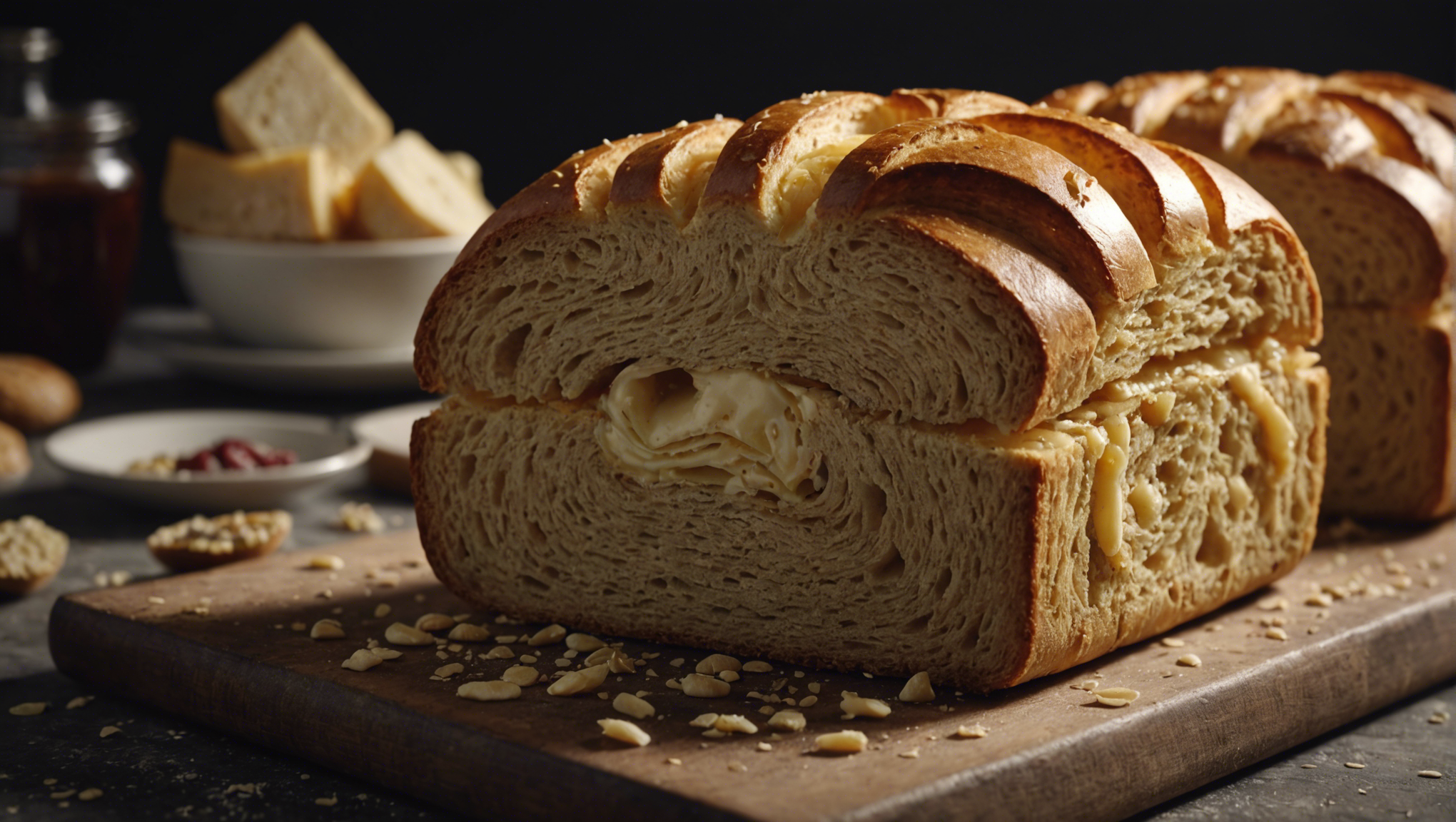
The choice of materials for the manufacture of containers used in bakery is crucial to guarantee the quality final products. Food plastic baskets present themselves as an interesting solution, particularly for shaping the homemade bread. These offer a multitude of benefits, such as increased hygiene thanks to their ease of cleaning. Non-porous food-safe plastic prevents the build-up of mold and bacteria, which is a huge plus for the Food Safety.
In addition, their durability is a significant advantage. Unlike traditional wicker bannetons, plastic ones do not deform and are more resistant to impact and wear. Their longevity makes them an economical choice and professional for bakers wishing to optimize their investments.
Comparison with traditional solutions
The use of wicker bannetons is a method traditional in the shaping of banneton bread. However, for those who practice bakery at one level professional or simply for home made, plastic food baskets offer distinct advantages. Their ease of cleaning is particularly valued, allowing rapid and efficient maintenance, essential in a kitchen where time and efficiency are essential.
Their structure also offers better uniformity in the shape of the bread, which may be preferable for certain productions where consistency is sought. This makes it possible to meet specific production standards without sacrificing the artisanal aspect of the homemade bread.
Ecological impact and practical considerations
The choice of plastic food baskets also raises ecological questions. Although plastics may be perceived as less eco-friendly than natural materials like wicker, many are recyclable and made from recycled materials. The ecological impact assessment must also take into account the durability and frequency of replacement of bannetons.
From a practical point of view, plastic baskets are often stackable and lightweight, making them easier to store and transport. They therefore lend themselves particularly well to large-scale production environments, where efficiency and space optimization are crucial.
FAQ:
1. Can food plastic baskets alter the taste of bread?
No, plastic baskets specially designed for food do not alter the taste of the bread. They are made of a neutral material that does not transfer taste or odor to the final product.
2. Is it possible to get a crispy crust with plastic baskets?
Yes, although the banneton material does not directly determine the texture of the crust, the baking techniques and dough used play a much more significant role in forming the crust.
3. What are the criteria for choosing a good plastic banneton?
The essential criteria include the quality of the food plastic used, the design of the basket which must promote good air circulation, and the size adapted to the quantity of dough planned for shaping.
Articles sur le même Sujet
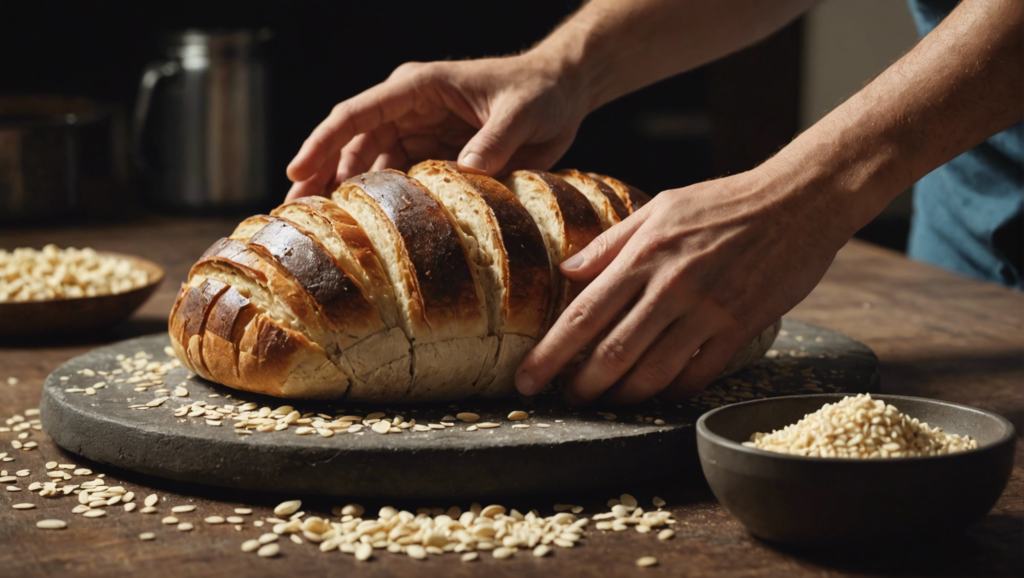

Create your own banneton with household materials
Necessary Materials
To make a banneton bread homemade, you will need some simple and accessible materials. Here is a list of what you should gather before you get started:
- A properly sized bowl or basket for the amount of dough you want to ferment
- Linen or cotton canvas
- Food glue (optional)
- Bread saw or sharp knife (for possible modifications)
Preparation of the Mold
Choose the container that will serve as a mold for your banneton. It can be a ceramic bowl, glass bowl or even a wicker basket. Clean the chosen container carefully to remove any residue or impurities that could affect the dough. For optimal support of your canvas, you can optionally lightly coat the inside of the bowl or basket with food-grade glue, allowing the canvas to stay in place while the dough ferments.
Installation of the Canvas
Cut a piece of canvas large enough to cover the inside of your mold and extend slightly over the edges. The canvas will serve as a non-adherent support for the dough and will facilitate its removal after fermentation. Make sure the canvas is taut and attach it to the edges of the mold. For wicker molds, using small clips can be helpful to hold the canvas in place.
Use and Maintenance of Homemade Banneton
Once your banneton is ready, dust it lightly with flour before each use to prevent the dough from sticking to it. After use, remove any remaining paste and clean the canvas with lukewarm water. Allow to dry completely before reusing or storing the banneton. Avoid the use of chemical detergents to preserve the natural quality of your banneton home made.
FAQs
Can I use any type of fabric for banneton lining?
It is recommended to use a linen or cotton cloth to cover the banneton, as these materials allow the dough to breathe while absorbing excess moisture, which is crucial for proper fermentation.
To prevent the dough from sticking, make sure to flour the banneton well before each use. An alternative is to use a mixture of flour and wheat semolina for added protection.
With proper care, a homemade banneton can last for several years. Be sure to clean and dry the canvas thoroughly between each use to prevent the formation of mold and deterioration of the material.