


What is a banneton form and how to use it?


Welcome to the exciting world of artisan baking, where every detail counts to create the perfect bread. In this article, we’ll explore in detail the banneton, an essential tool for any baker concerned with the shape and texture of their breads. From the choice of equipment to the technique of use, we will guide you through the key steps to master this accessory and transform your dough into crispy and deliciously honeycombed works of art. Get ready to take your baking art to the next level!
Definition and types of bannetons
Definition of banneton in bakery
A banneton is an essential tool in the field of bakery, particularly for the preparation of homemade bread. Used during the final stage of rising the dough, the banneton helps maintain the shape of the bread while promoting a crispy crust and a well-aerated crumb. Usually made of wicker, wood or plastic, it is specially designed to absorb moisture from the dough, which is crucial for optimal baking results.
The different materials used for bannetons
Bannetons can be made from a variety of materials, each with their own benefits depending on the needs of the baker. The most common materials are:
- Wicker: Very traditional, wicker is appreciated for its ability to absorb moisture from the dough. It promotes a distinctly crisp crust and is ideal for rustic breads.
- Drink: Often used for large productions, wood offers durability and robustness allowing for many repeated uses.
- Plastic: Easy to clean and maintain, plastic is a modern option that can also be perforated to improve ventilation around the dough.
Choosing the right type of banneton for your use
The choice of banneton depends on several factors, including the type of bread that we wish to achieve and the fermentation conditions. For a home made professional, it is crucial to opt for a banneton that matches the size and shape of the desired bread. Round bannetons are perfect for boules de campagne, while long bannetons are better suited to baguettes or bastards. The size should also be chosen based on the amount of dough prepared.
Maintenance and cleaning of bannetons
Regular maintenance of bannetons is essential to preserve their effectiveness and extend their lifespan. A wicker or wooden banneton will require brushing to remove flour residue and should be stored in a dry place to prevent mold. Plastic bannetons can usually be washed in the dishwasher, making them much easier to maintain.
Bannetons FAQ
Can you use a banneton for all types of pasta? Bannetons are suitable for most types of bread dough. However, some highly hydrated doughs may require a banneton with non-stick coating for easier unmolding.
How to choose the size of your banneton? The general rule is to choose a banneton that can hold dough 1.5 to 2 times larger than the volume of the desired finished bread. So, for a 500 gram loaf, it is advisable to choose a banneton with a capacity of around 750 milliliters.
Is it necessary to flour banneton before each use? Yes, it is recommended to lightly flour the banneton before each use to prevent the dough from sticking. Preferably use rice flour, as it has excellent non-stick properties.
Articles sur le même Sujet

Choosing the banneton adapted to your needs
The different types of bannetons
The choice of banneton appropriate is crucial to the success of the homemade bread. There are mainly two materials used in the manufacture of bannetons: wicker and plastic. Each has specific advantages depending on the needs of the baker.
Wicker bannetons are popular for their ability to absorb moisture from the dough, making it easier to form a crisp, golden crust. In addition, the woven pattern of the wicker prints pretty patterns on the bread, adding an aesthetic touch to the presentation. On the other hand, plastic bannetons are popular for their durability and ease of cleaning. They can be a practical alternative, especially in an environment professional where the production volume is higher.
Size and Shape Considerations
The size and shape of the banneton should be chosen according to the type of homemade bread that you want to create. Round bannetons are traditionally used for boule breads, while long bannetons are suitable for more elongated breads, such as baguettes or bastards. It is also important to consider the volume of dough the banneton can hold, which will influence the final size of the loaf.
Maintenance and care of bannetons
Proper maintenance is essential to prolong the life of your bannetons. After each use, it is recommended to remove excess flour with a soft brush. Wicker bannetons should not be washed with water, as moisture can damage the material. Plastic bannetons, however, can be cleaned with water and neutral soap. In any case, make sure the banneton is completely dry before storing it to prevent mold from forming.
Determine the material based on use
Frequency of use and the type of baking you do can also influence your choice of banneton material. For occasional use at home, a wicker banneton can add charm traditional and authentic to the manufacturing experience of the homemade bread. For a commercial bakery or frequent use, plastic bannetons are often preferred for their robustness and ease of handling.
Articles sur le même Sujet


Preparation and maintenance of banneton
Choice and preparation of banneton before use
The first crucial step in using a banneton consists of carefully choosing and preparing this accessory before its first use and for each subsequent use. THE banneton, whether wicker or plastic, is designed to give shape and structure to the homemade bread during its last growth. Before each use, it is essential to ensure that the banneton is clean and dry.
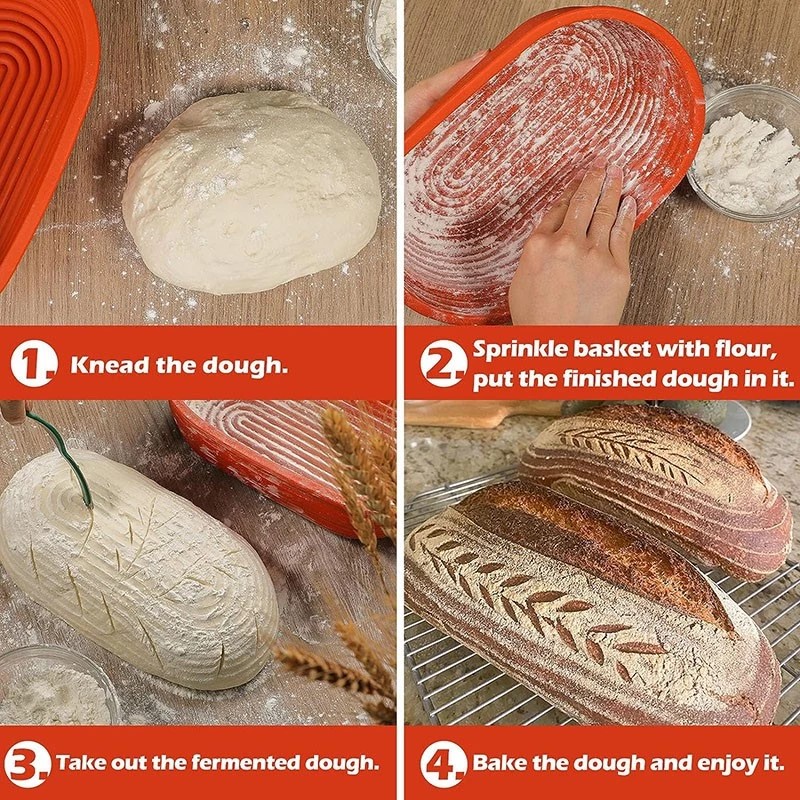
The preparation of a banneton usually involves dusting it liberally with flour to prevent the dough from sticking. Some people also use wheat semolina or finely ground rice for this same purpose. It is advisable to lightly sift the flour over the entire surface of the banneton to create a uniform layer which will make it easier to unmold the bread after proofing.
Cleaning and maintenance process
To maintain the quality and effectiveness of your banneton, proper maintenance is essential. After each use, it is recommended to remove excess dough and flour with a soft brush. Avoid using water to clean the banneton, as this can cause mold to form. If using water is necessary, be sure to dry the banneton completely before storing it.
Storing banneton in a cool, dry place also helps to extend its life and avoid humidity problems. For those using plastic bannetons, occasional washing with lukewarm water and mild soap can be done, followed by air drying.
Key points for optimal use
The correct use of banneton directly influences the quality of homemade bread. Always make sure your banneton is well floured and your dough is the right consistency. Dough that is too wet risks sticking, while dough that is too dry will not take the shape of the banneton correctly.
Ambient temperature is also an important factor: too low a temperature can slow down dough fermentation, while too high a temperature can cause excessive fermentation. Precise control of these elements is crucial to the success of your homemade bread of style home made.
FAQs
Can you use a banneton for all types of bread?
Yes, bannetons can be used for a variety of breads, but they are particularly effective for long fermentation breads such as sourdough.
How to prevent bread from sticking to the banneton when proofing?
It is essential to flour the banneton well before each use and to check the consistency of your dough. A well-fitted dough and good flouring will minimize the risk of sticking.
How long can you keep a banneton?
With proper maintenance, a banneton can last for several years. It is important to remove dough and flour residue after each use and keep the banneton dry and away from moisture to extend its life.
Articles sur le même Sujet
Usage techniques for optimal results
Choosing the right banneton for homemade bread
The choice of a banneton adapted is crucial to the success of your homemade bread. These fermentation molds, generally made of wicker or plastic, provide support during the proofing of the bread, while contributing to the formation of a well-structured and aesthetically pleasing crust. For suitable use in bakery professional or at home, it is essential to consider the size and shape of the banneton depending on the type of bread you want to make. Additionally, the material should be chosen based on personal preferences and specific needs, such as ease of cleaning and durability.
Preparing and maintaining the banneton before use
Before first use and between each manufacturing cycle of homemade bread, it is important to prepare the banneton correctly to optimize results. Cleaning and preparing the banneton is simple but essential: a soft brush or a slightly damp cloth is enough to remove flour residue. A light dusting of flour before each use ensures that the dough does not stick to the banneton when unmolded. These steps guarantee not only the longevity of your banneton but also the aesthetic quality of the bread.
Techniques for shaping and using banneton
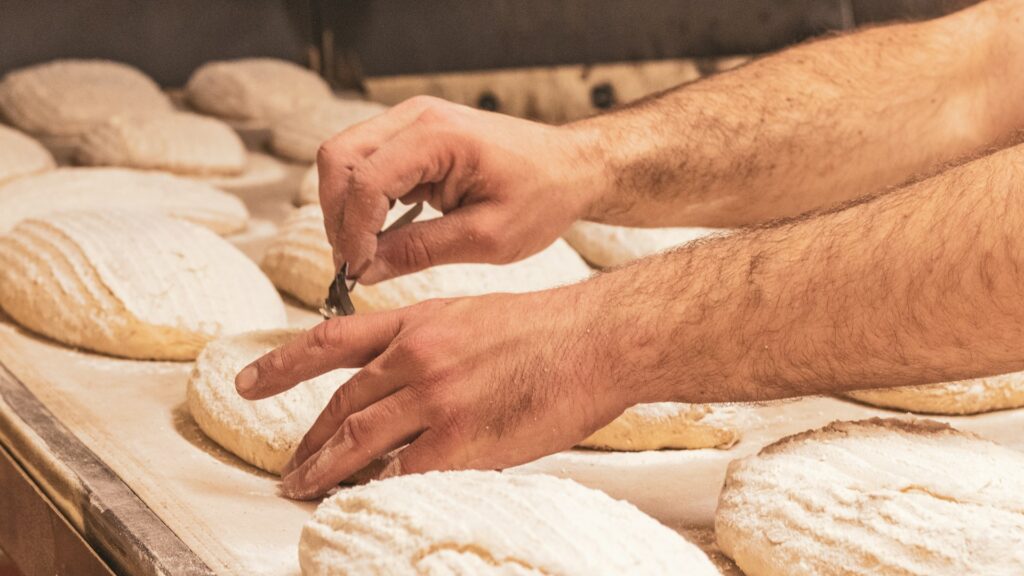
Shaping dough is a fundamental skill in bakery. To achieve perfect results with banneton, it is crucial to master the correct shaping technique. After kneading, the dough must be shaped so that it adapts perfectly to the shape of the banneton. Once placed in the banneton, the dough must be covered with a clean cloth to prevent drying out during fermentation. It is during this phase that the dough will take the desired shape and the surface will begin to create the traditional texture of the traditional bread.
Key point on unmolding and cooking
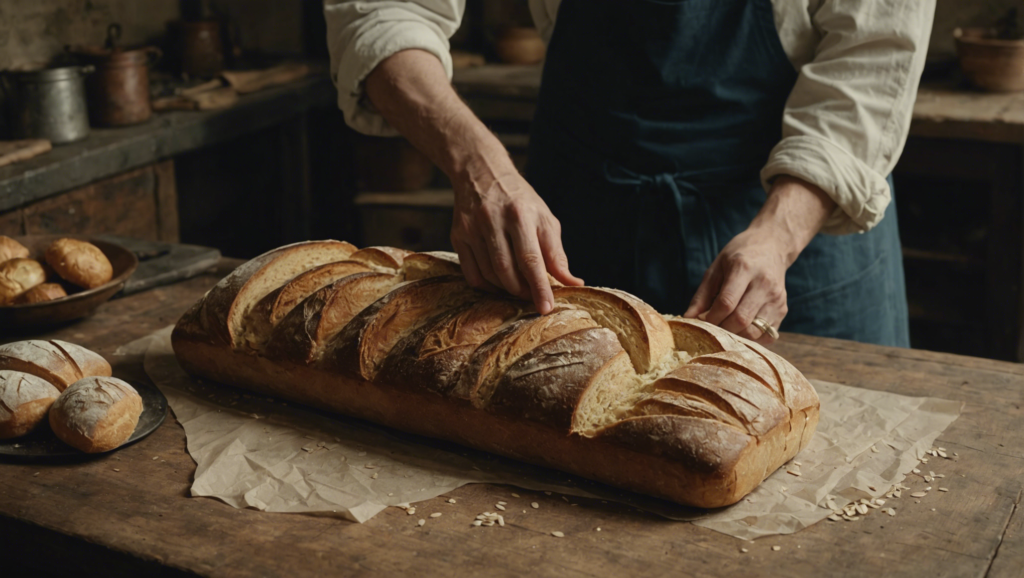
Unmolding must be done carefully to maintain the shape and structure of the bread. It is advisable to gently invert the banneton onto the baking tray. Once unmolded, the dough must retain the imprint of the banneton texture, a distinctive aesthetic element of rustic and traditional breads. Cooking must then be adapted according to the type of bread prepared, taking into account the temperature and time necessary to obtain a golden and crispy crust.
FAQs
What type of flour is most recommended for dusting banneton?
Rice flour is often preferred because it is less sticky than wheat, which makes it easier to unmold the bread.
Can you use a banneton for all types of pasta?
Although mainly used for homemade bread, some bannetons can also be used to ferment other types of dough such as brioches or special breads.
How do you store a banneton when not in use?
It is recommended to store it in a dry, well-ventilated area to prevent mold and prolong its lifespan.
