How to choose the best wicker banneton for your homemade breads?


Passionate about artisanal baking, you understand the importance of good equipment to make perfect loaves of bread. This article offers you a complete guide to selecting the best wicker banneton, an essential accessory that influences the shape, texture and rising of your breads. We’ll show you how to identify the ideal quality, size and design to meet your specific home baking needs, so that every loaf you knead is a work of art.
Selection of materials: opt for quality wicker
Wicker Selection Criteria for a Quality Banneton
The choice of a wicker banneton is decisive in obtaining a homemade bread professional quality. Wicker must be carefully selected to guarantee an impeccable result, both aesthetic and functional. Examining the provenance, flexibility, and density of the wicker are key steps in this selection process.
Firstly, the provenance of the wicker plays a major role in its quality. Ideally, choose wicker grown in a manner sustainable and which comes from regions renowned for their know-how in basketry. Eastern Europe, in particular, is known for producing high quality wicker.
Next, the flexibility of wicker is crucial. Good wicker should be flexible enough to be woven without breaking, yet sturdy enough to hold its shape under the weight of the bread dough. This flexibility also guarantees the longevity of your banneton, making it a lasting investment for your bakery.
Finally, the density of the wicker should not be neglected. Dense and regular braiding not only provides better support for the dough, but also promotes uniform heat distribution during fermentation.
Types of Wicker and Their Specificities
Wicker comes in several varieties, each having its own specificities in terms of texture, color and behavior in the face of humidity. White, brown and buff wicker, for example, is frequently used in the making of bread bannetons.
White wicker is obtained by prolonged soaking of the cut stems, which makes it particularly flexible and resistant. Brown wicker, left to dry naturally with its bark, offers a warm color and greater robustness. As for buff wicker, obtained by roasting the bark, it is distinguished by its caramel color and its increased resistance to mold.
Choosing the type of wicker therefore depends on the aesthetic appearance you want to give to your homemade bread, but also the specific conditions of your working environment in a bakery.
Maintenance Tips to Extend the Life of Your Banneton
Maintain its wicker banneton in good condition is essential to maintain consistent quality of the shaped bread. It is recommended to clean the banneton regularly using a soft brush and allow it to air dry. Avoid the use of hot water which could deform the wicker and alter its natural properties.
In case of mold, cleaning with a diluted vinegar solution can be carried out. This helps preserve the wicker while eliminating mold spores. Subsequently, ensuring good ventilation during storage of the banneton prevents the reappearance of mold and preserves the structure of the wicker.
Articles sur le même Sujet

Banneton Size and Shape Considerations
Choosing the Ideal Banneton Size
Selecting a suitable banneton begins with determining the correct size, which depends primarily on the volume of dough you plan to rise. In general, a banneton bread of 500 g is sufficient for domestic needs, while bakers professionals may require bannetons weighing up to 2 kg. The basic rule is to choose a banneton allowing the dough to rise without overflowing, while keeping it sufficiently contained for good formation of the structure of the homemade bread.
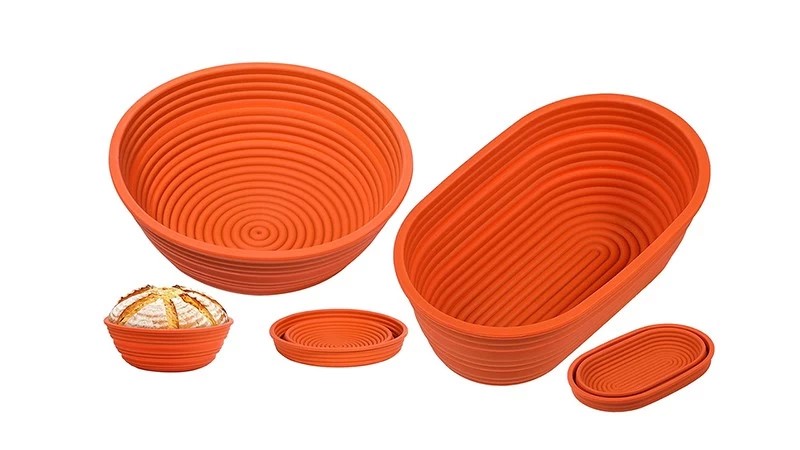
It is also essential to consider the shape of your banneton, which can be round or oval. The choice of shape not only influences the aesthetic appearance of the homemade bread but also the way it cooks. Round loaves are traditionally used for bread balls, while oval bannetons are ideal for elongated dough pieces, such as baguettes or bastards.
The Influence of Shape on Cooking
The shape of the banneton plays a crucial role in the bread baking process. A round banneton promotes uniform expansion of the dough, which is ideal for obtaining a traditional bread with a nice golden crust. On the other hand, an oval banneton allows the dough to stretch more, which is preferable for breads with a more airy texture and well-defined cells.
It is important to note that the material of the banneton, typically wicker, contributes to the absorption of moisture from the dough, thus guaranteeing a perfectly crispy crust. Wicker is also appreciated for its ability to print a pretty spiral pattern on bread, adding a unique aesthetic character to each loaf.
Tips for Maintaining Your Banneton
After each use, it is crucial to properly clean the wicker banneton to maintain its quality and extend its lifespan. It is recommended to remove excess flour with a soft brush and air dry the banneton. Avoid washing it with water, as wicker can absorb moisture and become prone to mold. For demanding users, regular use of rice flour can also help prevent dough sticking and make bread easier to unmold.
FAQs
- What size banneton should I choose for a household of four?
For a household of four people, a medium-sized banneton, weighing around 1 kg, is generally sufficient to prepare breads that can be used during main meals. - Is it possible to use a banneton for different shapes of bread?
Yes, although banneton size and shape are designed for specific types of bread, experienced bakers can adapt shaping techniques to use the same banneton for different bread shapes. - Do wicker bannetons require special maintenance?
Yes, it is important to clean the banneton and keep it dry between uses to prevent mold and mildew and prolong its life.
Articles sur le même Sujet
Maintenance and durability of wicker bannetons
Importance of Bannetons in Traditional Bakery
THE bannetons, essential in the world of bakery professional, play a key role in structuring the homemade bread. Traditionally made from wicker, these molds not only shape the dough, but also influence the texture and crust of the bread. Knowing their maintenance is essential to guarantee not only the quality of the bread, but also the longevity of these tools.
Cleaning Wicker Bannetons
After each use, it is crucial to clean bannetons properly to prevent the buildup of dough residue and mold. The cleaning process should be gentle to preserve the structure of the wicker. Gently brushing with a soft-bristled brush will remove residue. It is recommended to avoid water, as moisture can damage the wicker and encourage mold growth.
Proper storage to preserve quality
Storage plays a crucial role in preserving wicker bannetons. These should be stored in a dry, well-ventilated area to prevent moisture from seeping in. In addition, avoiding spaces that are too hot or exposed directly to the sun helps prevent the wicker from drying out and weakening.
Promoting sustainability through regular maintenance
In addition to cleaning, regular maintenance of bannetons is essential. Using natural antifungal sprays, such as vinegar-based solutions, can help prevent mold from forming without damaging the wicker. Likewise, periodic removal of flour residue by rapid immersion and immediate drying is recommended for cases where deeper cleaning is necessary.
FAQs
1. Can you wash a wicker banneton in water?
It is not recommended to wash wicker bannetons in water as moisture can damage the wicker and encourage the growth of mold. Dry cleaning, with a soft brush, is preferable.
2. How to prevent mold from forming in a banneton?
Preventing mold in a banneton can be aided by proper storage in a dry location and regular maintenance using natural antifungal solutions such as a diluted vinegar solution.
3. How long can a wicker banneton last with proper care?
With proper and regular maintenance, a wicker banneton can last several years, thus forming a lasting investment for any fan of wicker. homemade bakery.
Articles sur le même Sujet

Selection criteria for amateur and professional bakeries
The Criteria for Selection of a Wicker Banneton
Choose the right one banneton is crucial for everything baker, whether amateur or professional. A quality banneton not only influences the shape, but also the texture of the homemade bread. Here are the essential criteria to consider:
- Size and shape : Depending on the type of bread you plan to make, the size and shape of the banneton is important. For a standard round loaf, a round banneton is perfect, while a long banneton will be more suitable for baguettes or bastards.
- The quality of the wicker : Wicker must be of good quality, flexible but durable, to withstand regular use and maintain its shape over time.
- Permeability : A good banneton allows adequate aeration of the dough, which is essential for fermentation and the formation of the crust of the bread.
It is also a good idea to consider the covering of the banneton, often made from linen fabric or a synthetic material which helps prevent the dough from sticking and makes it easier to unmold the bread.
Maintenance of Wicker Bannetons
To guarantee the longevity and effectiveness of your banneton, proper maintenance is essential. Bannetons should never be washed in water as the wicker can become soft and warp. Instead, after each use, remove flour residue with a soft brush and let the banneton air dry. From time to time it can be exposed to the sun to eliminate mold and odors.
Frequently Asked Questions (FAQ)
1. Can we use the same banneton for different types of bread?
Yes, a banneton can be used for different types of bread, but it is important to choose the right size and shape for each recipe to ensure best results.
2. How do I know if the wicker in my banneton is of good quality?
Quality wicker is generally uniform in color and texture, without cracks or breaks. Make sure the spirals are tight and smooth to prevent the dough from sticking to them.
3. Are there plant-based alternatives to wicker banneton?
Yes, there are bannetons made from synthetic or plant-based materials like raffia and linen. These alternatives may offer similar properties in terms of shape and ventilation.