Why use a wooden banneton for your bread?

In this article, we explore the proven benefits of using wooden bannetons for breadmaking. Let’s discover together why this ancestral accessory is essential to obtain perfectly shaped breads, with impeccable texture and authentic taste. A must-have for any artisanal baking enthusiast wanting to master the art of homemade bread.
Improved bread texture and shape
What is a Banneton and Its Role in Bakery
A banneton is an essential tool in bakery, often underestimated, which allows homemade bread to maintain its shape and develop an adequate texture during fermentation. Usually made of wicker, but also available in materials such as plastic and linen, it serves to support the dough during the final fermentation before baking.
The role of the banneton is to absorb moisture from the dough, which is crucial to forming a perfect crust. This also allows the surface of the bread to develop these characteristic and artisanal patterns, enhancing the appearance traditional And home made.
The Impact of Banneton on Bread Texture
The use of a banneton for the preparation of homemade bread helps to obtain a uniform and airy texture. The structure of the basket helps the dough to maintain a stable temperature, it ferments optimally, developing not only the taste, but also the honeycomb texture specific to the homemade bread.
In addition, thanks to absorbent materials such as wicker, banneton avoids excess humidity and therefore the risk of the dough sticking during fermentation, which considerably facilitates unmolding without damaging the structure of the bread.
Selection and Maintenance of Banneton for Professional Results
The choice of the type of banneton depends largely on the type of homemade bread that we wish to achieve. For high hydration breads, a wicker banneton is generally preferable as it provides better moisture absorption. Plastic bannetons, on the other hand, may be more suitable for more structured shapes and specialty breads.
Maintaining bannetons is also crucial to ensure their longevity and avoid any contamination of the dough. Regular and adequate cleaning is essential, usually gentle brushing and thorough drying will be enough to maintain the banneton in good condition
FAQ About Banneton and Bread:
- How to prepare your banneton before use?
To prepare your banneton, sprinkle it with flour to prevent the dough from sticking during fermentation. Some professionals recommend the use of rice flour for its non-adhesive properties.
- Can you use a banneton for all types of dough?
Yes, bannetons can be used for a variety of doughs, but you should choose the material based on the type of bread and texture desired.
- How long does a banneton last?
With proper care, a banneton can last for several years. Avoid washing it with water to preserve its natural properties.
Articles sur le même Sujet

Preserving the tradition of artisanal baking
The importance of Banneton in making homemade bread
The manufacture of homemade bread requires precision and patience, where every detail counts to obtain quality bread. THE banneton, also known as ‘layer’ or ‘paneton’, plays a vital role in the preparation of bread. Traditionally used in bakery, this container helps shape the dough while allowing it to maintain an ideal temperature during fermentation. This tool is not only functional, it is also a symbol of home made and a return to methods traditional.
Choice and Maintenance of Bannetons
The choice of banneton material is essential to obtain a traditional bread quality. Bannetons can be made from wicker, rattan or plastic. Since each material influences the crust and crumb structure, it is crucial to select the one that best suits the recipe needs and personal preferences. To extend the life of the banneton and preserve its effectiveness, it is recommended to clean it regularly and keep it dry. This prevents mold from forming and ensures that the dough does not stick during future uses.
Fermentation and Shaping Techniques with a Banneton
When using banneton, various fermentation and shaping techniques must be implemented to perfect the texture and taste of the homemade bread. The dough must be placed in the banneton carefully, where it is then covered to prevent drying out while allowing the dough to breathe. The duration of fermentation will depend on the type of bread desired. Good fermentation in banneton not only contributes to a good rise of the bread, but also to the formation of a crispy crust, pleasant to eat.
Bannetons and Adaptation to Various Types of Bread
Bannetons are not reserved for just one type of bread. Whether you’re making a rustic country loaf or a sophisticated seeded loaf, the banneton adapts to many shapes and sizes of loaves. For special breads or breads enriched with ingredients such as dried fruits or nuts, the choice of banneton can influence the way these ingredients are distributed in the dough during baking. This illustrates the importance of selecting the right type of banneton for each recipe.
FAQs
- What is the best way to clean a banneton?
- How long should you leave dough to ferment in a banneton?
- Can you use a banneton for all types of flour?
Articles sur le même Sujet

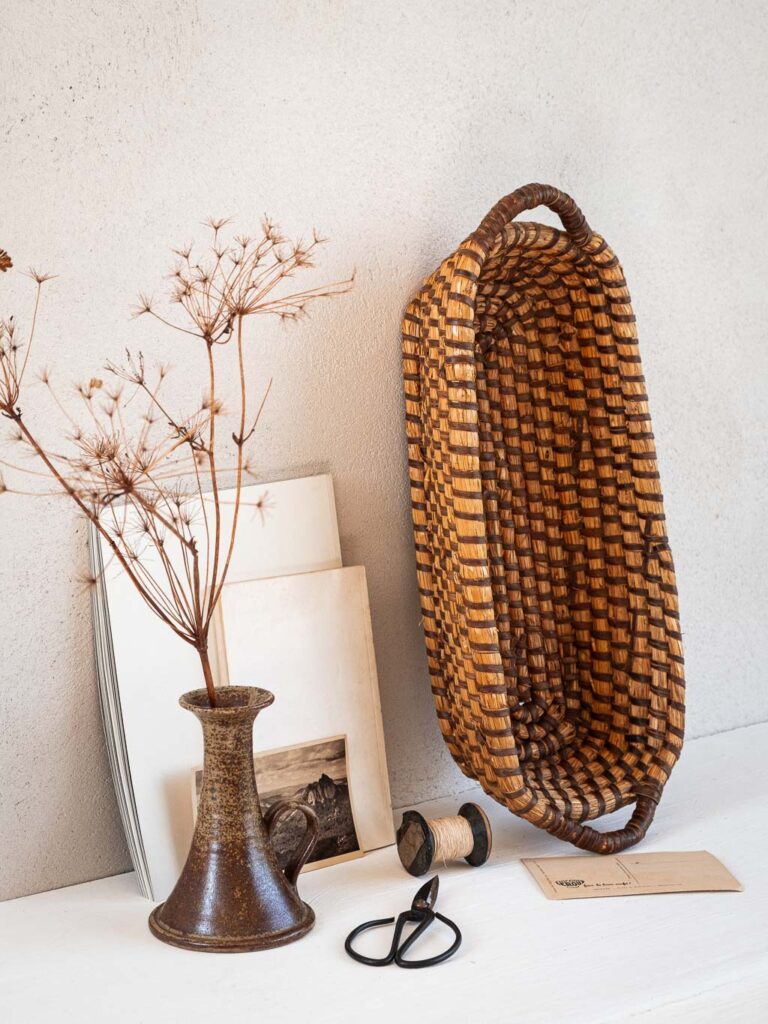
Influence of material on bread characteristics
The Role of Bannetons in Bakery
The quality of homemade bread depends not only on the preparation method or the type of flour used, but also significantly on the choice of banneton. Bannetons, often overlooked, play a crucial role in the purpose of bread, influencing both the texture and shape of the finished product.
Bannetons, or proofing baskets, are used during the final rise of the dough before baking. They support the dough and help it hold its shape, while adding subtle textures to the top of the bread. The choice of banneton material can thus transform the appearance and texture of the bread, therefore considerably influencing the sensory experience.
Comparison of Banneton Materials
Bannetons are traditionally made ofwicker, but other materials like plastic and wood are also used. Each material has distinct properties that affect the dough differently during fermentation.
- Wicker: Wicker is highly breathable, allowing excess moisture to escape easily. This ensures that the dough does not become too wet and contributes to the formation of a crispy crust.
- Plastic: Plastic bannetons are less porous than wicker ones. They are easy to clean and maintain. However, because they don’t allow moisture to escape as freely, bread can sometimes have a less crispy crust compared to wicker.
- Laundry: Sometimes bannetons are simply lined with a cloth. Although this makes it easier to unmold the bread, the fabric absorbs moisture and can affect the texture of the crust in a similar way to wicker.
The choice of material can therefore greatly influence the characteristics of the homemade bread, whether it is the ease of handling the dough or the quality of the crust obtained.
Impacts on bread quality
The impact of bannetons on the quality of the homemade bread goes beyond simple aesthetics. Using a proper banneton can affect heat distribution during baking, which is crucial for well-risen and fluffy bread. A well-chosen banneton also helps maintain the integrity of the loaf shape, which is especially important for artisan or traditional shaped loaves.
However, the use of different banneton materials should be adjusted according to the type of bread and the relative humidity of the baking environment. For example, in a high humidity environment, plastic bannetons might be preferable in order to counter excess humidity, while in a drier climate, wicker might work better to help the bread retain necessary moisture .
FAQs
What is the best material for a banneton?
The best material depends on your preferences, the type of bread you are making, and your baking conditions. Each material has advantages and disadvantages that can impact the texture and crust of the bread differently.
How do I maintain my banneton to extend its lifespan?
Regardless of the material, it is advisable to clean the banneton regularly without using soap (which could remain in the fibers and alter the taste of the bread) and let it dry completely in the open air to avoid mold.
Can you use the same banneton for different types of bread?
Yes, but it may be necessary to pat it with specific flour depending on the type of dough being prepared to prevent the bread from sticking or to achieve specific results in terms of texture.
Articles sur le même Sujet

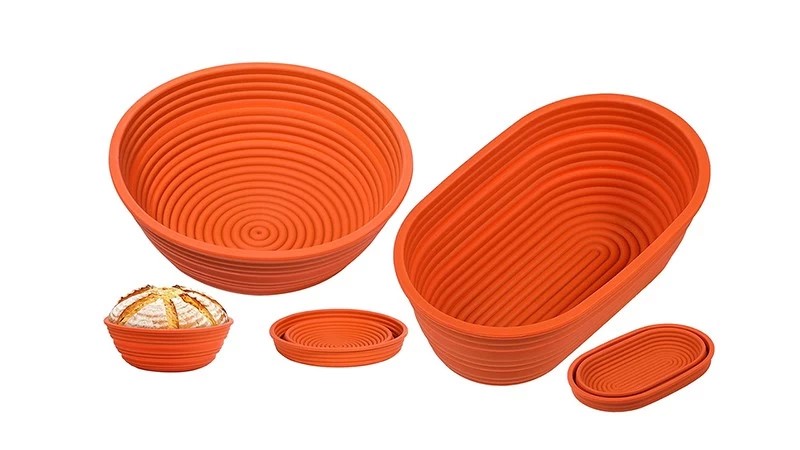
Maintenance tips to extend the life of your wooden banneton
Preparation Before First Use
Before you start using a wooden banneton For the first time, it is crucial to prepare the banneton correctly to ensure optimal adhesion of the dough. The ideal is to lightly brush it with clean water and sprinkle a thin layer of flour. This step creates a barrier between the wood and the dough, thus facilitating the unmolding of the homemade bread after lifting.
Cleaning After Each Use
After each use, remove dough and flour residue. Gentle brushing with a soft bristle brush or dry sponge is recommended. Avoid the use of water as moisture can penetrate the wood and encourage mold to form. For stubborn stains, using a small amount of flour with water to create a light abrasive paste may be a solution.
Regular Maintenance for Longevity
THE banneton bread requires regular maintenance to maintain its quality and functionality. An essential point is to store it in a dry and well-ventilated place. Occasionally applying a thin layer of food grade mineral oil can help maintain the integrity of the wood and prevent drying out. This oil also serves as a protective barrier against humidity and odors.
For those who frequently use their banneton in a setting professional of bakery, it may be beneficial to occasionally place it in the sun for natural drying, which will help remove any residual moisture and keep the wood in good condition.
Proper Storage to Preserve Shape
Storing banneton correctly is essential to maintain its shape and structure. Avoid placing it under heavy objects which could deform it. An open shelf or wall hook where the banneton can hang freely is a great option for storage between uses, allowing air to circulate around the wood.
FAQs
How to prevent the dough from sticking to the banneton?
Make sure to flour the banneton well before each use. Using a combination of rice flour and wheat flour may provide the best results for preventing sticking.
Is it possible to wash banneton in water?
No, water washing is not recommended as it can saturate the wood, making it conducive to mold growth. Use only dry brushing to clean your banneton.
How often should I replace my banneton?
With proper care, a wooden banneton can last for many years. Only replace it if you notice obvious signs of deterioration such as deep cracks or mold that cannot be removed.