


How to use a bakery cloth for a banneton?

Discover in this article how to transform the use of your banneton with a bakery cloth, an essential accessory for obtaining well-shaped dough pieces and a perfectly crispy crust. We will guide you through preparation techniques, maintenance and some professional tips to master this essential tool for any artisanal bakery lover. Whether you’re a novice or experienced, these tips will help you perfect your homemade breads, improving texture and presentation.
Preparing the bakery cloth for the banneton
Choice and Maintenance of Linen Fabric
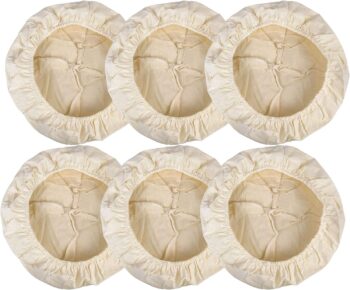
Using a linen cloth to cover the banneton bread is essential to promote good development of the dough during fermentation. Linen, thanks to its natural properties, helps absorb moisture from the dough, thus reducing the risk of sticking and making it easier to unmold the bread. To choose a quality canvas, choose a fairly thick and untreated fabric to avoid chemical substances which could alter the taste of the bread.
Regular cleaning of the canvas is also crucial to maintain good hygiene and preserve the quality of the fabric. homemade bread. After each use, it is recommended to lightly brush off excess flour and wash the canvas by hand with lukewarm water. Avoid the use of strong detergents, as they can unbalance the natural fermentation of future doughs. Then allow the canvas to air dry completely before using it again.
Canvas Chalking Techniques
Correctly flouring the canvas is a decisive step in obtaining quality bread. Use rice flour or any type of non-sticky flour you prefer to dust the canvas evenly. The amount to use will depend on the humidity and texture of the dough but it is essential that the banneton cover does not have any areas without flour to prevent the bread from sticking.
After placing the dough in the banneton, make sure it is in direct contact with the floured canvas. This contact ensures that the surface of the dough does not dry out during rising, while giving it a rustic and traditional characteristic of breads professional bakery.
Tip for Unmolding Bread
Unmolding is the final step which reveals the shape and texture of the bread. Before unmolding, make sure the bread has risen completely and is ready to be baked. Take the banneton by the edges, carefully turn it over onto a baking tray or baker’s peel. Lightly tap the bottom of the banneton if necessary to release the bread.
If the canvas has been well prepared and the dough correctly floured, the bread should come apart without difficulty, retaining the impressive structure given by the banneton pattern. This process not only reveals the beauty of homemade bread, but also optimizes the crust and crumb for an exceptional taste experience.
FAQs on Preparing Bakery Cloth
- How do I choose the best canvas for my banneton?
Opt for an untreated linen canvas that is thick enough to ensure good moisture absorption and avoid chemical additives. - What flour should I use to flour the canvas?
Rice flour is one of the most used because of its non-sticky properties, but any flour with a fine, dry texture can work. - What to do if the bread sticks to the banneton despite flouring?
Make sure you use enough flour and check that the dough is not too hydrated. Excessive rising time can also cause this problem.
Articles sur le même Sujet

Method of placing the dough in the banneton
Preparing the Banneton before Use
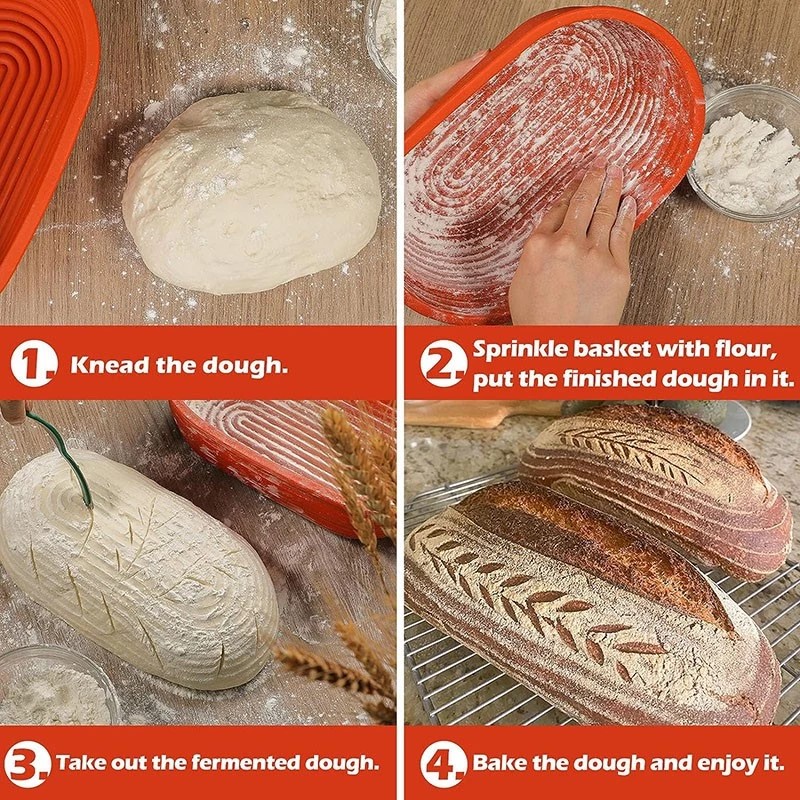
Before placing the dough in the banneton, it is essential that this is prepared correctly to prevent the dough from sticking. Bannetons are usually made of wicker or plastic, each requiring specific care. For a wicker banneton, it is recommended to sprinkle it generously with flour to create a barrier between the banneton and the dough. This step is crucial to facilitate unmolding after the lifting of the homemade bread.
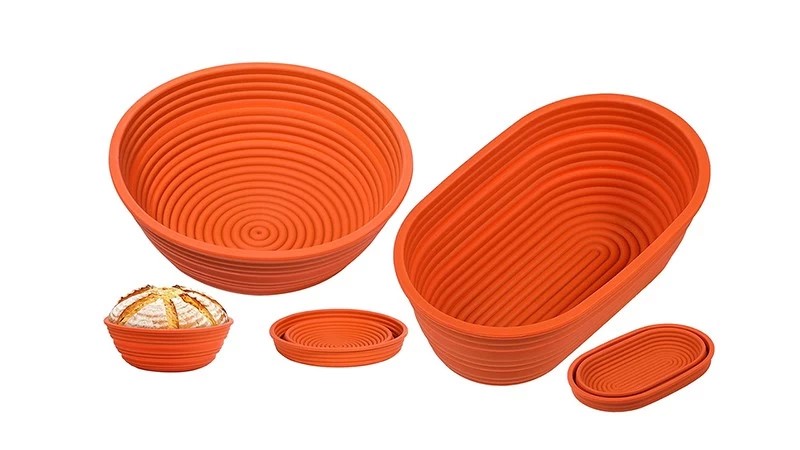
Concerning plastic bannetons, although they are less absorbent than wicker, the principle remains the same. Using rice flour is particularly effective because it has superior non-stick properties compared to other types of flour.
Dough Positioning
In a process professional And traditional of bakery, the placement of the dough in the banneton must be done with care. The dough should be placed in the banneton with the smooth side down and the key (cut) side up. This allows the dough to maintain its shape integrity while allowing adequate development during fermentation.
It is crucial to ensure that the dough is well centered to prevent it from being distorted by the weight when rising. Once positioned, the dough can be lightly pressed to ensure that it adheres well to the contours of the banneton, ensuring a uniform shape.
Covering and Fermentation
- Suitable covers: After positioning the dough, it must be covered with a damp cloth or a lid specially designed for banneton. This covering helps maintain the necessary humidity and prevents the surface of the dough from drying out during the rising period.
- Fermentation temperature and timing: Dough should be stored in a temperature-controlled environment for optimal rising. Time may vary depending on recipe and type of homemade bread desired, but generally, a period of 1 to 2 hours is adequate to allow the dough to double in volume.
Unmolding and Cooking
After fermentation, unmolding must be carried out carefully to preserve the shape of the dough. Turn the banneton onto a baking tray and lift gently. If prepared correctly, the bread should come apart effortlessly. The patterns printed by the banneton can then be admired before baking, which will finalize the structure and texture of the bread.
FAQs
How to prevent the dough from sticking in the banneton? Ensure a good dusting of flour before using the banneton, favoring rice flour for its non-stick qualities.
What type of fabric should I use to cover the dough in a banneton? Use a linen cloth or a suitable lid, which helps maintain the necessary humidity without sticking to the dough.
How long should the dough sit in the banneton? The resting time in the banneton varies depending on the recipe and type of bread, but a period of 1 to 2 hours is generally enough for the dough to double in volume.
Articles sur le même Sujet

Maintenance and cleaning of the canvas after use
Importance of regular maintenance of bannetons
The use of bannetons in bakery traditional is essential to structure and support the homemade bread during the last fermentation. Proper maintenance is vital to ensure the longevity of these tools and maintain hygiene in the bread making process.
Cleaning techniques after each use
It is recommended to remove flour residue by vigorously shaking the banneton cloth. A soft brush can also be used to remove embedded particles. For stubborn stains or mold, using a solution of warm water and vinegar is effective. Brief soaking, followed by rinsing with clean water and completely air drying will prevent the development of bacteria.
Optimal storage methods to preserve canvas
To preserve the canvas of your banneton and avoid accumulation of moisture, store it in a dry, well-ventilated place. Using a breathable fabric bag can also help protect the banneton from surrounding dust while allowing air to circulate.
Frequently Asked Questions
1. Can we wash the canvas of a banneton in the washing machine?
No, machine washing is not recommended because it can damage the canvas and alter the shape of the banneton. Cleaning by hand is the safest method.
2. How to prevent mold from forming on banneton canvas?
Make sure the canvas is completely dry before storing it. Storage in a dry and ventilated place is also crucial.
3. How often is banneton cleaning recommended?
Thorough cleaning is recommended after each use to prevent bacteria buildup and ensure the banneton is clean for the next use.
Articles sur le même Sujet
Tips for optimal fermentation with banneton
In the art of bakery, fermentation is a crucial step that determines the texture and flavor of the homemade bread. Use a banneton can significantly improve this process. Here are some tips to maximize its effectiveness.
Choosing the right type of banneton
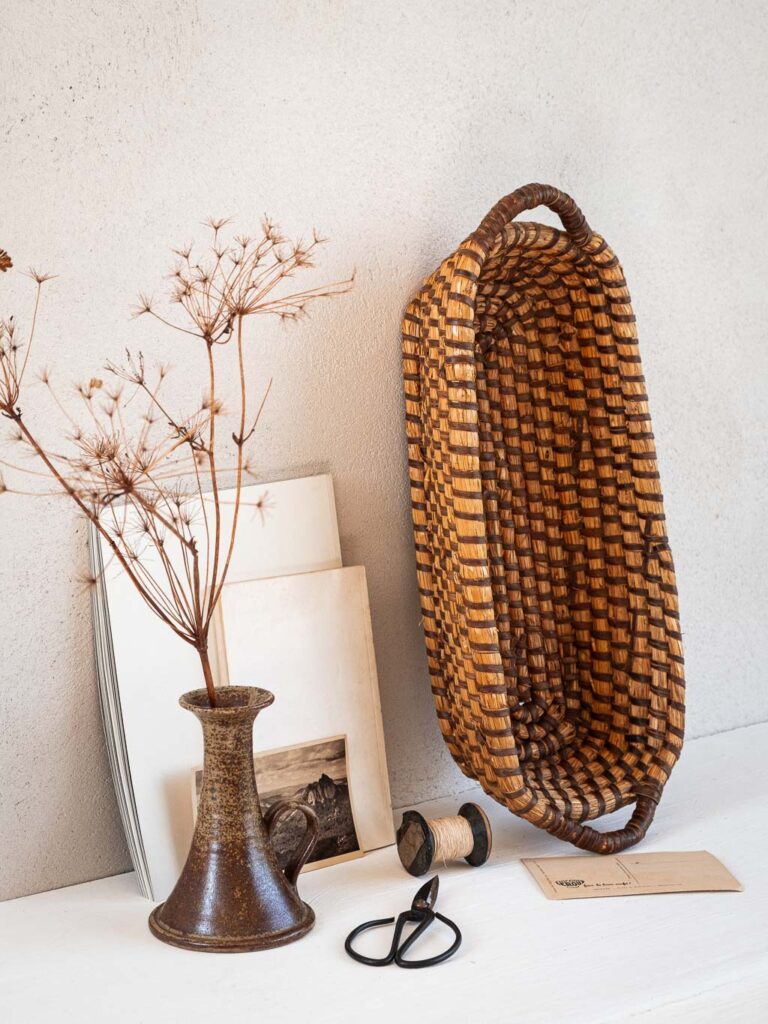
There are mainly two types of bannetons: those made from wicker and those made from plastic. The choice of material can influence the fermentation of your dough. Wicker bannetons promote better air circulation around the dough, which is crucial for good fermentation. They are also known to absorb excess moisture, helping to form a crispier crust.
Preparing the banneton before use
Before placing the dough in a banneton, it is important to prepare it correctly to prevent the dough from sticking. Sprinkling the banneton generously with flour – preferably a low-gluten flour like rice flour – forms a barrier between the banneton and the dough and makes it easier to remove from the mold after fermentation.
Temperature and humidity management
Temperature and humidity play a vital role in fermentation. The dough must ferment in an environment that is neither too hot nor too cold (ideally between 24°C and 28°C). Using a banneton helps maintain a stable temperature around the dough. To control humidity, covering the banneton with a damp cloth during fermentation can prevent the dough from drying out.
Duration of fermentation in the banneton
The fermentation time depends on several factors such as the temperature of your kitchen, the type of yeast used and the recipe. Generally, fermentation lasts between 1.5 and 2.5 hours in a banneton. However, for optimal results, it is recommended to judge dough readiness by volume and texture rather than strictly by time.
Smart FAQ
- How much flour should you use to dust banneton?
The amount varies depending on the size of the banneton, but a general rule is to use enough flour to cover the entire internal surface without excess. Excess flour can be removed by lightly tapping the banneton before use. - Can banneton be used for all types of pasta?
Bannetons are ideal for soft to medium-firm doughs. Highly hydrated doughs may require a well-floured cloth to prevent sticking. - How to clean a banneton after use?
Bannetons should not be washed with water. Remove excess flour after each use and, if necessary, brush gently with a soft brush. Periodic exposure to sunlight can also help eliminate odors and keep banneton clean and dry.

