What is the importance of banneton and linen in bread making?

In the noble art of baking, every detail counts to perfect the final product. This article explores the crucial importance of bannetons and linen, essential tools for bakers: the first shapes and supports the dough, while the second ensures optimal baking and preservation of bread. Let’s see how these accessories can transform a simple dough into a work of culinary art.
Role of banneton in maintaining the shape of bread
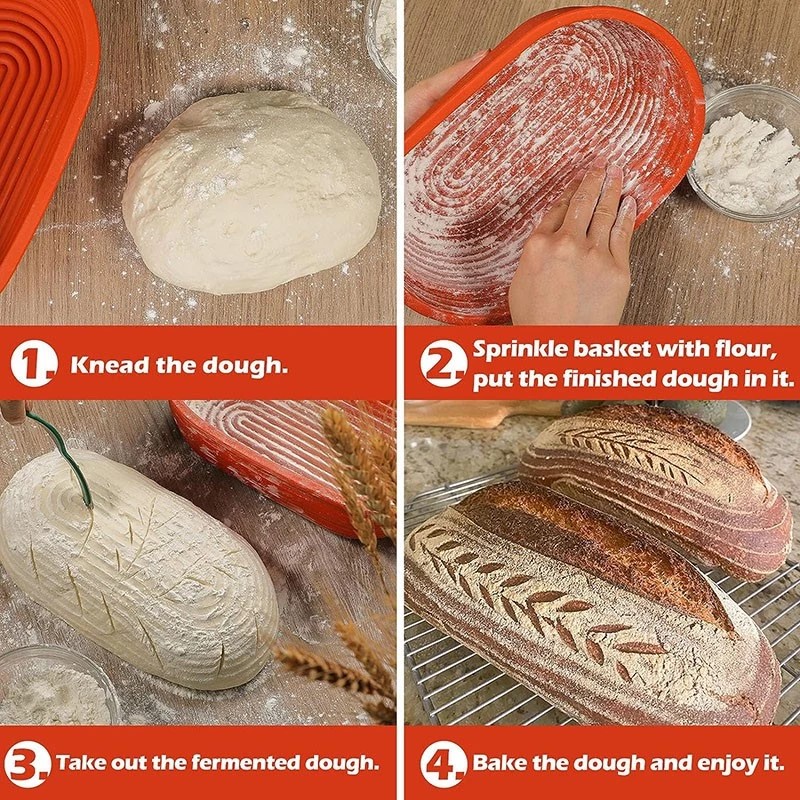
Baking, as an art and science, requires precision in the use of tools and techniques to achieve superior quality products. THE banneton bread, also called a fermentation basket, plays an essential role in the process of shaping and growing the homemade bread. Its main purpose is to maintain the shape of the bread during the final fermentation before baking.
Traditional materials used in the manufacture of bannetons, such as wicker or rattan, offer a robust structure while allowing good aeration of the dough. These materials also absorb excess moisture, which is crucial for the formation of the bread crust.
In a world where homemade is becoming more and more valuable, understanding the influence of banneton on the quality of bread becomes essential for any bakery enthusiast. Preserving the shape of bread with a banneton is not limited to aesthetic appearance; it also affects the texture and taste of the final product.
By using a banneton, bakers can ensure uniform dough growth, preventing distortions that could occur during free fermentation. This results in a bread with a satisfactory volume, a well-defined structure, and, above all, a taste traditional sought after by connoisseurs.
Advantages of different types of bannetons
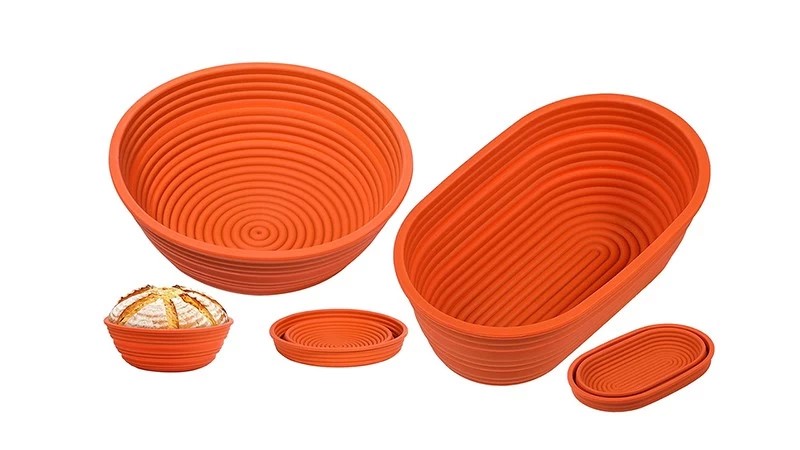
The choice of equipment for a banneton can vary depending on the specific needs of the baker and the type of bread desired. Wicker bannetons are popular for their ability to imprint attractive designs on the crust of bread. However, for reasons of durability and ease of cleaning, some professionals prefer plastic bannetons.
Plastic bannetons offer a modern alternative with several advantages: they do not require as rigorous maintenance and are often easier to handle. They do not retain odors and can be cleaned quickly, making them ideal for cleaning environments. professional bakery where efficiency is paramount.
Regardless of the material chosen, it is imperative that the banneton is properly prepared before each use. This usually involves lightly flouring the banneton to prevent the dough from sticking, ensuring easy release and a nice finish to the crust of the bread.
FAQs
How do I choose the right banneton size for my bread?
The size of the banneton depends on the weight of dough you plan to use. Generally, a 1:1 ratio of banneton volume to dough quantity gives good results. Make sure the dough takes up about two-thirds of the volume of the banneton after shaping to allow for adequate expansion.
How do I maintain my banneton between each use?
After each use, it is advisable to brush the banneton carefully to remove flour and dough residue. For deep cleaning, avoid immersion in water and favor occasional exposure to sunlight to prevent mold formation.
Is banneton only for traditional bread?
No, banneton can be used for a variety of breads and leavened pastries. Whether it’s country bread, ciabatta, baguettes, or even brioches, the banneton helps achieve an ideal shape and structure before baking.
Articles sur le même Sujet


Using linen for a perfect crust
The Advantages of Linen Cloth in Bakery
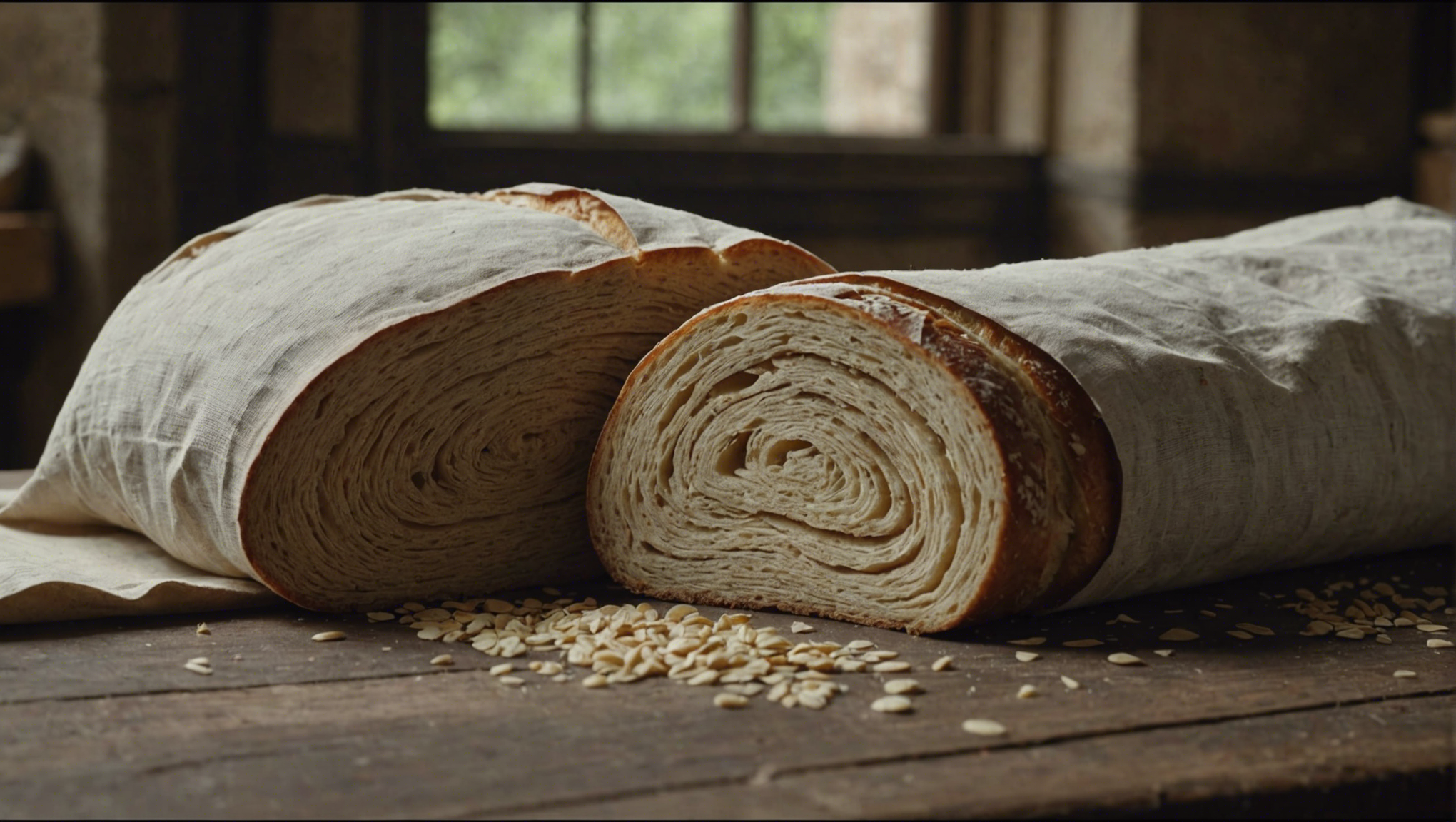
There linen is a material cherished by the authors of homemade bread for a multitude of reasons. Mainly, it promotes even fermentation and cooking, which are essential for obtaining a crispy and golden crust. Linen, by absorbing excess moisture, prevents stickiness to the surface of the dough, a common challenge in bread preparation.
Choosing the Right Linen Cloth for Your Bread
The selection of a linen tailored to your baking needs requires certain considerations. Consider the density of the fabric and its ability to hold flour. A thick, well-woven canvas is generally better at supporting heavy, wet dough without excessively soaking up moisture.
Preparation and Care of Linen Fabric
Before its first use, it is recommended to wash the linen with hot water to remove impurities and allow better adhesion of the flour. Once prepared, the canvas should be dusted with flour before each use to create a non-stick barrier between the dough and the fabric. After use, shake the canvas well to remove excess flour and let it air dry before storing it.
Impact of Linen Cloth on Bread Quality
Use a linen can significantly improve the texture of the crust of your homemade bread. The canvas allows optimal air circulation and prevents the dough from moistening during proofing, which results in a crispier and more flavorful crust, respecting the character traditional And professional artisanal bread.
FAQs
How to effectively clean linen fabric?
It is recommended to wash it in lukewarm water without detergent then rinse it thoroughly to remove any residue. The use of chemicals should be avoided so as not to alter the natural fibers of linen.
Is linen reusable?
Absolutely, linen is designed to be used multiple times. Good maintenance can significantly extend its lifespan.
Can we use linen for all types of bread?
Yes, linen is suitable for preparing various types of bread, whether leavened or not. Its use is particularly advantageous for high hydration breads which tend to stick.
Articles sur le même Sujet
Impact of the choice of banneton and canvas on the texture of the bread
The Functionality of Bannetons in Bread Shaping
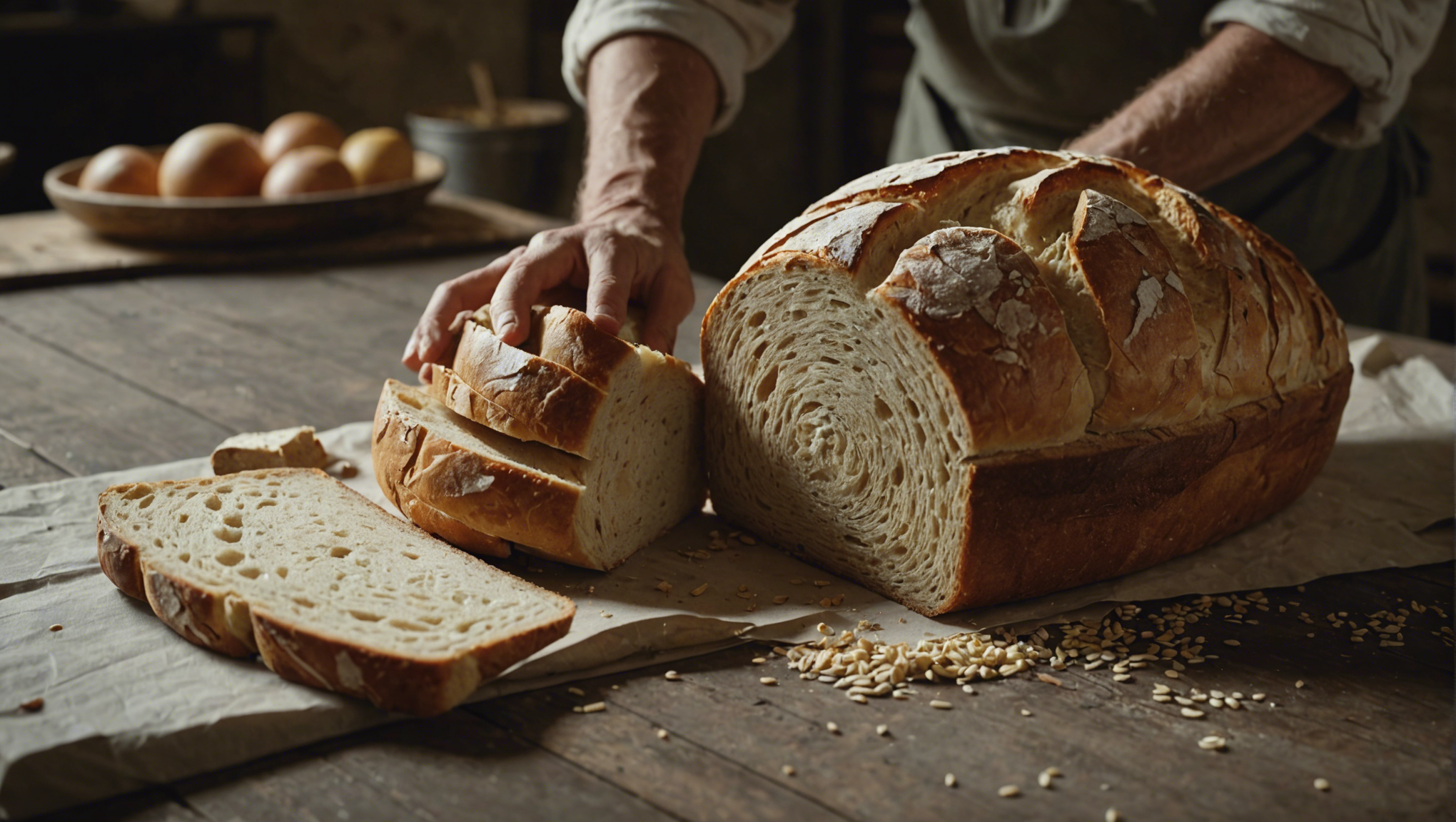
THE bread bannetons are essential tools for bakers who want to achieve a beautiful shape and consistent texture. The material of the banneton, whether wicker or plastic, plays a crucial role. Wicker bannetons are traditionally used for their ability to absorb moisture from the dough, which helps form a crisper, less sticky crust. Plastic bannetons, on the other hand, are valued for their durability and ease of cleaning, although they do not promote the same evaporation as wicker.
In the professional bakery, the choice of banneton can influence not only the texture but also the appearance of the homemade bread. The dough is contained in these molds during the final fermentation phase, where the shape of the banneton often leaves a textured imprint that is highly sought after in artisan breads.
The Role of Linen or Cotton Cloths in Baking Bread
The canvas used to cover bannetons, traditionally linen or cotton, also plays a significant role in the texture of the homemade bread. These fabrics help regulate the humidity around the dough and are essential to prevent the surface of the dough from drying out too quickly during proofing. A good canvas will absorb excess moisture while allowing the dough to breathe, making it easier to form a thin, even crust.
The choice of canvas has a direct impact on the final result of the bread. A cloth that is too thick may retain too much moisture, while one that is too thin may not adequately protect the dough from cold drafts, affecting the rising process and the texture of the bread.
FAQs
What is the difference between using a wicker banneton and a plastic banneton?
Wicker is preferred for its ability to absorb moisture, promoting a crisp crust and a nice airy texture. Plastic, however, is easier to clean and keep sanitary, although it may result in a less distinct crust.
Can any type of cloth be used to cover the dough in the banneton?
No, it is recommended to use cloths specially designed for baking, such as linen or cotton, which regulate humidity and prevent the dough from drying out. Using inappropriate materials can alter the texture and crust development of the bread.
How does humidity affect the texture of bread?
Well-regulated humidity during fermentation helps the dough to properly develop its gluten network, thus influencing the lightness and suppleness of the bread. Improper humidity control can lead to bread that is too dense or too dry.
Articles sur le même Sujet

Practical considerations for caring for banneton and linen
Importance of maintenance for the longevity of bakery equipment
Regular maintenance of bakery accessories, particularly bannetons and linen fabrics, is essential to guarantee the quality and safety of the breads produced. These elements, if well maintained, can positively influence the texture and taste of the homemade bread.
Cleaning and preserving bannetons
Bannetons, whether wicker or plastic, require specific maintenance to prevent the accumulation of flour and mold. After each use, it is recommended to remove dough and flour residue using a soft brush. Avoid the use of water when cleaning wicker bannetons to prevent warping and deterioration of the material.
For a thorough cleaning, it is possible to place the plastic bannetons in a lukewarm oven to eliminate bacteria, taking care not to exceed the temperatures recommended by the manufacturer.
Maintenance of linen fabric
The linen cloth, used to cover bannetons or directly in contact with the dough, must be free of residue to ensure adequate fermentation. After use, shake the canvas to remove excess flour and wash it periodically in warm water with a mild detergent. Make sure to rinse it well and air dry it, thus avoiding the risk of mold and the presence of unwanted substances in your homemade bread.
Tips to Avoid Common Banneton Maintenance Mistakes
A common mistake is cleaning wicker bannetons with water, which can lead to their rapid deterioration. Another lies in the use of canvases made of synthetic materials which can alter the properties of the paste due to poor humidity regulation. Choosing quality linen fabrics professional and ensuring their meticulous maintenance is crucial to the final results in bakery.
Banneton and linen maintenance FAQ
- Can I wash my banneton?
It is not recommended to wash wicker bannetons in water as this can damage them. Prefer dry cleaning, using a soft brush to remove residue. - How to disinfect a banneton?
To disinfect a plastic banneton, you can heat it briefly in the oven. Be sure to follow the manufacturer’s instructions to avoid warping the banneton. - How often should linen be washed?
It is advisable to wash linen fabric after several uses or when it is visibly dirty. Use lukewarm water and a mild detergent to preserve the quality of the linen.