


How to make the presentation of your festive breads more original?
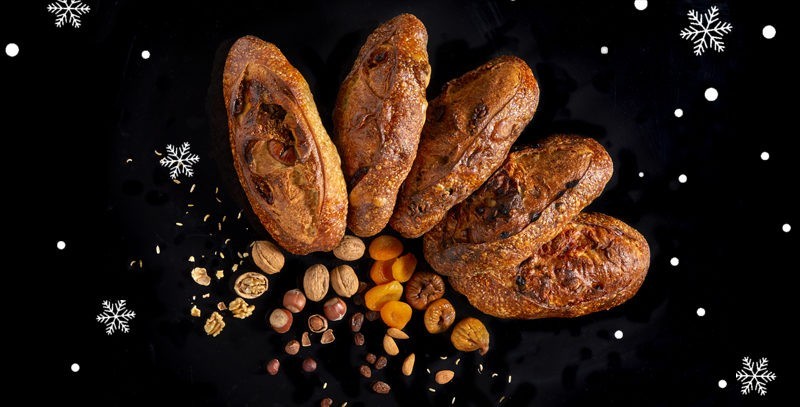

Discover in this article how to transform your festive breads into true works of culinary art. We will explore innovative techniques and creative ideas to present your breads in original and stunning ways. Whether you’re a passionate amateur or a baking professional, these tips will help you elevate the aesthetic of your creations and impress your guests on every special occasion. Get ready to redefine the presentation of your breads with style and originality.
Choice of breads for all festive occasions
When it comes to celebrations, every detail counts to create a festive and memorable atmosphere. The choice of breads to serve on these occasions is not to be neglected. Indeed, a unique bread can not only beautify a table, but also awaken the taste buds of your guests. Here are some original ideas for integrating special breads into your festivities.
Discovery of flavors: Breads with surprising ingredients
Going out of the ordinary can start by incorporating unexpected ingredients into your breads. A bread with figs and nuts can offer a mix of textures and flavors that will amaze your guests. You can also explore the use of alternative flours such as chestnut flour for a bread with a strong and distinctive taste, ideal for accompanying strong cheeses on a cheese platter.
Artistic forms and presentations
The shape of the bread can also transform your festive table. Breads in the shape of a star or woven crown not only add an aesthetic touch but also reflect the theme of the celebration, such as Christmas or a spring party. The shaping technique plays a crucial role here in creating breads that are both beautiful and appetizing.
The importance of natural sourdough
Use Natural leaven for your festive breads not only improves their taste but also their digestibility. Sourdough bread with a crispy crust and an airy crumb can serve as a perfect support for various toppings or dips during an aperitif or buffet.
Sweet breads: A finishing touch
For the end of a meal or sweet breaks, sweet breads like brioche give off a pleasant sweet note. Incorporate candied fruit, chocolate or spices as cinnamon gives not only an exquisite taste but also a festive look to these breads.
FAQs
1. How to choose the right type of bread for a festive occasion?
It is important to consider the overall menu as well as the theme of the party. Opt for breads that complement or contrast nicely with the other dishes served.
2. Is it possible to prepare these breads in advance?
Yes, many breads can be made ahead and frozen. Just be sure to wrap them well to preserve their freshness and flavor.
3. What are the best toppings or accompaniments for festive breads?
It depends on the type of bread. Breads with more neutral flavors can be served with cheeses, cold cuts or robust dips, while sweet breads pair well with sweet spreads or simply butter.
Articles sur le même Sujet

Discovery of creative garnishes and decorations
Exploring Current Trends in Toppings
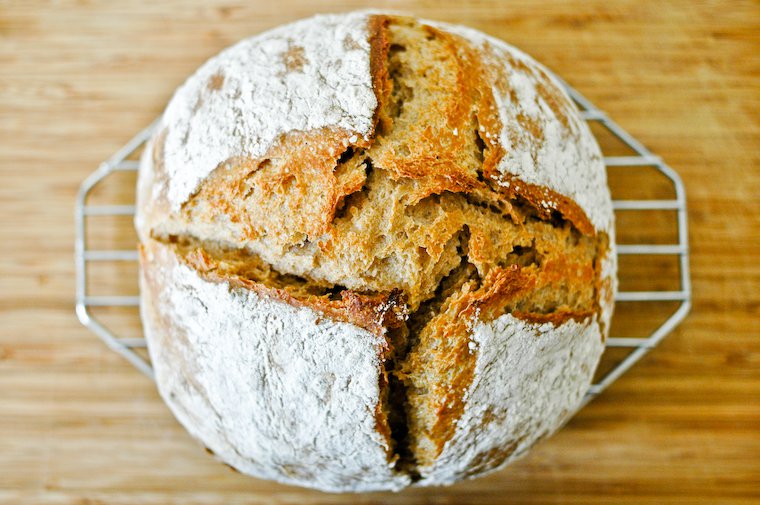
THE toppings are essential for adding a touch of flavor and originality to your baking creations. Current trends highlight the use of candied fruit, roasted nuts and even edible flowers. These elements not only visually beautify your pastries, but also enrich their taste. Using seasonal ingredients can also bring a dimension of freshness and novelty.
Innovative Techniques for Decoration
The decoration of breads and pastries reaches new heights with the techniques of herbal icing or pure cocoa. For example, a basil or mint glaze can transform a simple cake into a work of culinary art. Furthermore, the application of food paint on bread creates an attention-grabbing yet delectable surface.
Integration of Exotic Flavors
Incorporating exotic flavors like yuzu or bergamot into toppings provides a unique taste experience. These citrus fruits provide a subtle acidity that can perfectly balance the sweetness of baked goods. Spices such as cardamom or saffron are also bold choices that can breathe new life into classic recipes.
Using Alternative Flours for a Unique Texture
The use of alternative flours like chestnut or chickpea flour in bread making adds not only a nutritional dimension but also a distinct texture. These flours offer a slightly sweet or nutty flavor that can transform the traditional perception of bread or pastries.
FAQs
1. What are the toppings the most popular for pastries currently?
Popular toppings include candied fruit, caramelized nuts and premium chocolates. Edible flowers and fresh herbs are also gaining popularity for their unique aesthetics and taste.
2. How to choose alternative flour suitable for my bread?
Choosing an alternative flour depends on the desired taste and texture. For a denser, richer texture, opt for chestnut flour. For a milder flavor, rice flour can be a great option.
3. What are the benefits of using edible flowers in pastry decorations?
Edible flowers don’t just improve the aesthetics of a pastry creation; they also provide subtle flavors and can offer health benefits thanks to their antioxidant properties.
Articles sur le même Sujet

Incorporation of artistic shaping techniques
Foundations and Principles of Artistic Shaping
In the world of artisanal baking, artistic shaping represents a fusion between traditional art and technical skills. This discipline requires not only a thorough understanding of the characteristics of dough, but also an ability to manipulate shapes and textures in creative ways. Bakers use a variety of techniques to transform a simple mass of dough into an edible work of art.
One of the fundamental skills in artistic shaping is fermentation control. It affects the texture, volume and final shape of the product. Good control of the rising time and the type of sourdough used is crucial to obtain the desired characteristics. Furthermore, the choice of flour directly influences the malleability and strength of the dough, essential criteria in the creation of complex shapes.
Manual Shaping Techniques
Manual shaping is at the heart of artistic creation in baking. Among the most widespread techniques, we find folding, braiding, and sculpting the dough. Each method allows you to structure the dough so that it can rise optimally while creating visually attractive patterns.
- Folding: This technique is often used to incorporate ingredients like dried fruits, nuts or seeds, while strengthening the structure of the dough.
- Braiding: Ideal for festive breads, braiding combines several strands of dough to create pieces that are both sturdy and elegant.
- Sculpture: The most advanced bakers manipulate the dough to form complex figures or landscapes, transforming each loaf into a unique piece.
Integration of New Technologies
With the evolution of technology, artistic shaping techniques in baking have also evolved. The use of laser cutting machines and 3D printers opens up new possibilities for creative bakers, making it possible to produce more complex and precise designs that would be difficult, if not impossible, to achieve manually. hand.
The precision of these technologies also allows patterns to be repeated with perfect accuracy, which is particularly useful for large-scale productions. However, while these modern tools make some aspects of shaping easier, they do not entirely replace the touch and expertise of an experienced craftsman.
FAQ on Artistic Shaping in Bakery
How important is temperature in artistic shaping?
Temperature plays a crucial role in fermentation management and dough handling. Dough that is too cold can be stiff and difficult to shape, while dough that is too hot can become too sticky and difficult to manage.
Can any type of flour be used for artistic shaping?
No, the type of flour is decisive for the success of the shaping. Flours with a high gluten content, for example, are preferred for their elasticity and strength, allowing more daring and complex shapes.
How to preserve artistic shapes after baking?
Shape retention depends greatly on the shaping technique and the type of cooking used. Using appropriate supports during baking, such as molds or frames, can help maintain the desired structure.
Articles sur le même Sujet

Use of atypical flours for unique flavors
Typology of unconventional flours
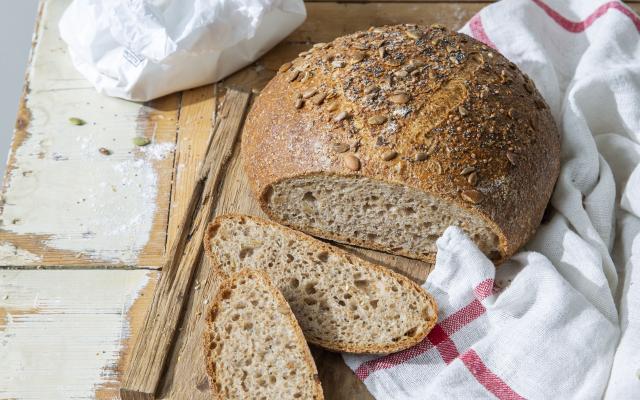
The use of atypical flours in artisanal baking has the potential to develop enriching and diverse taste experiences. These flours, less common than traditional wheat flour, include varieties such as chestnut, chickpea, buckwheat, and amaranth flour. Each offers a distinct flavor profile and specific nutritional benefits, resulting in end products with unique textures and flavors.
Chestnut flour, for example, adds a touch of sweetness and is perfect for making breads and pastries. Its slightly sweet taste and rich, soft texture allow you to create tasty and nutritious specialties. There Chick pea flour, for its part, is known for its high protein intake and its slight nutty taste, particularly enriching gluten-free bread recipes.
Breadmaking techniques with alternative flours
The incorporation of atypical flours into bread-making processes requires an adaptation of traditional techniques. Due to variations in gluten content and hygroscopicity (water absorption capacity), these flours change the behavior of the dough. Thus, it is crucial to adjust the quantities of liquid and leaven to obtain a optimal texture. For example, the Buckwheat flour, although offering a unique earthy flavor profile, does not contain gluten, therefore requiring specific adjustments to maintain the structure of the bread.
The use of natural leavens, as well as the integration of techniques such as autolysis and slow kneading, make it possible to maximize the potential of these flours while preserving their distinct characteristics. Indeed, autolysis, which consists of letting the flour and water mixed together before adding the leaven, is particularly beneficial for atypical flours, because it promotes the complete hydration of the flour and improves the workability of the dough.
Incorporating original flavors into traditional recipes
Revisiting classic recipes with alternative flours offers an invaluable opportunity to rediscover and renew culinary heritage. By partially or completely substituting standard flour with a more atypical option, it is possible to enrich well-loved recipes with new taste dimensions. For example, the introduction of amaranth flour in a country bread recipe can not only increase the nutritional content of the bread, but also give it a denser texture and a unique nutty flavor.
It is also possible to create combinations of flours to balance flavors and textures. A mixture of wheat flour and buckwheat flour can, for example, bring a particular richness to traditional baguettes, while maintaining an airy and crispy crumb.
FAQs
- What are the advantages of using atypical flours in baking? Atypical flours enrich the taste profile of baked goods, offer alternatives for gluten-free diets, and increase the nutritional value of breads and pastries.
- How can traditional recipes be adjusted to incorporate these flours? It is essential to adapt the quantities of liquid and leaven, as well as incorporating techniques such as autolysis to compensate for the variability in flour properties.
- Is it possible to mix different atypical flours in a single recipe? Yes, mixing various flours can create balances of textures and flavors, resulting in complex and delicious end products.
Articles sur le même Sujet

Presentation and impactful staging of the breads on your table
The Fundamentals of a Captivating Bread Presentation
The presentation of breads on a table is not only a matter of taste, it is also a visual art. The aesthetics of the breads, combined with innovative presentation techniques, can immediately transform your table and leave a lasting impression on your guests. Understanding the basic principles of staging, textures and shapes helps showcase artisan bread while captivating the eye.
Choice and Preparation of Breads
The selection of types of bread is crucial. Opt for a variety that includes both rustic and more refined breads. For example, associate a sourdough bread crispy at a nut bread sweet can offer an interesting contrast both visually and in taste. Before serving, make sure each loaf is cut to reveal its texture and soft interior.
Staging Techniques for Breads
The way the loaves are arranged plays a key role. Use rustic wooden planks or slates for a more handcrafted look. Arranging the loaves in a cascade or fan can also add dynamism to your presentation. Incorporating natural elements like olive branches or fresh herbs between loaves can visually enrich the experience.
Integration of Supplements
THE accompaniments selected must complement and not dominate the presentation. A selection of flavored butters, artisanal jams or spreads can enhance the flavors of breads without masking their nuances. Arrange these additions in small bowls or ramekins scattered harmoniously around the breads.
Innovation and Personalization of the Presentation
For a personal touch, innovate by creating unique shapes with your breads. Braided loaves, ears of wheat or geometric shapes can be visual focal points that will surprise and delight your guests. Mark each type of bread with a little handwritten label for an extra touch of charm.
Bread Presentation FAQ
How to store bread to maintain its freshness during prolonged presentation?
Prefer breads with a thick crust which keep better in the open air. You can also lightly cover the loaves with a clean cloth to protect them while keeping them accessible.
What types of bread are most impressive for a presentation?
Breads with unique textures and shapes, such as country loaves or crusty bread balls, tend to be visually impressive. Naturally colored breads like activated charcoal or turmeric bread can also add a surprising element.
How to make the presentation of bread practical for guests while still being aesthetically pleasing?
Make sure each loaf is easily accessible and that necessary utensils, such as bread knives, are available at each end of the display. Availability and accessibility are essential to combine aesthetics and functionality.
International inspiration to diversify your achievements
The art of baking and pastry draws its essence from a rich palette of local traditions, but it can be greatly enriched by international influences. By exploring techniques and ingredients from different cultures, bakers can transform their usual practices and offer their customers new taste experiences.
Explore the fermentation techniques specific to each culture
Fermentation is a crucial step in bread making and varies greatly from region to region. For example, the natural sourdough method is heavily influenced by local bacterial flora, which can result in distinct texture and taste characteristics. From San Francisco sourdough to traditional Japanese fermented doughs, incorporating international fermentation techniques can not only diversify the final product but also enrich the baker’s skills.
Integration of international flours and grains
Using a variety of flours and grains beyond common wheat is another effective method of bringing an international dimension to your creations. Grains like Ethiopian teff, Nordic rye or Japanese buckwheat offer unique flavors and textures not found in more traditional flours. Testing these alternatives can lead to the creation of breads with improved nutritional profiles and distinct organoleptic characteristics.
Adoption of international bread shapes and patterns
The presentation of bread and pastries plays a key role in their appreciation. Borrowing shapes and patterns from foreign traditions, such as the carved loaves of Eastern Europe or the inlaid designs on Indian chapatis, can visually transform your products. This not only catches the eye but also invites you to discover varied culinary cultures.
FAQs
How to integrate international ingredients while keeping the tradition of French bread?
Integrating international ingredients requires a balance between innovation and respect for tradition. Start by substituting a small amount of traditional flour with international flour and gradually adjust according to the results obtained in terms of texture and taste.
What are the benefits of using international fermentation techniques in baking?
Using different fermentation techniques can improve bread digestibility, enrich flavor profiles, and provide greater texture diversity. This makes it possible to attract a wider clientele interested in culinary innovation.
Is it possible to merge several baking traditions without losing authenticity?
Yes, the key is to stay true to the core principles of each tradition while exploring their combinations. It is important to respect the proportions and methods specific to each culture to maintain authenticity while innovating.