


How to ensure optimal preservation of your rolls?
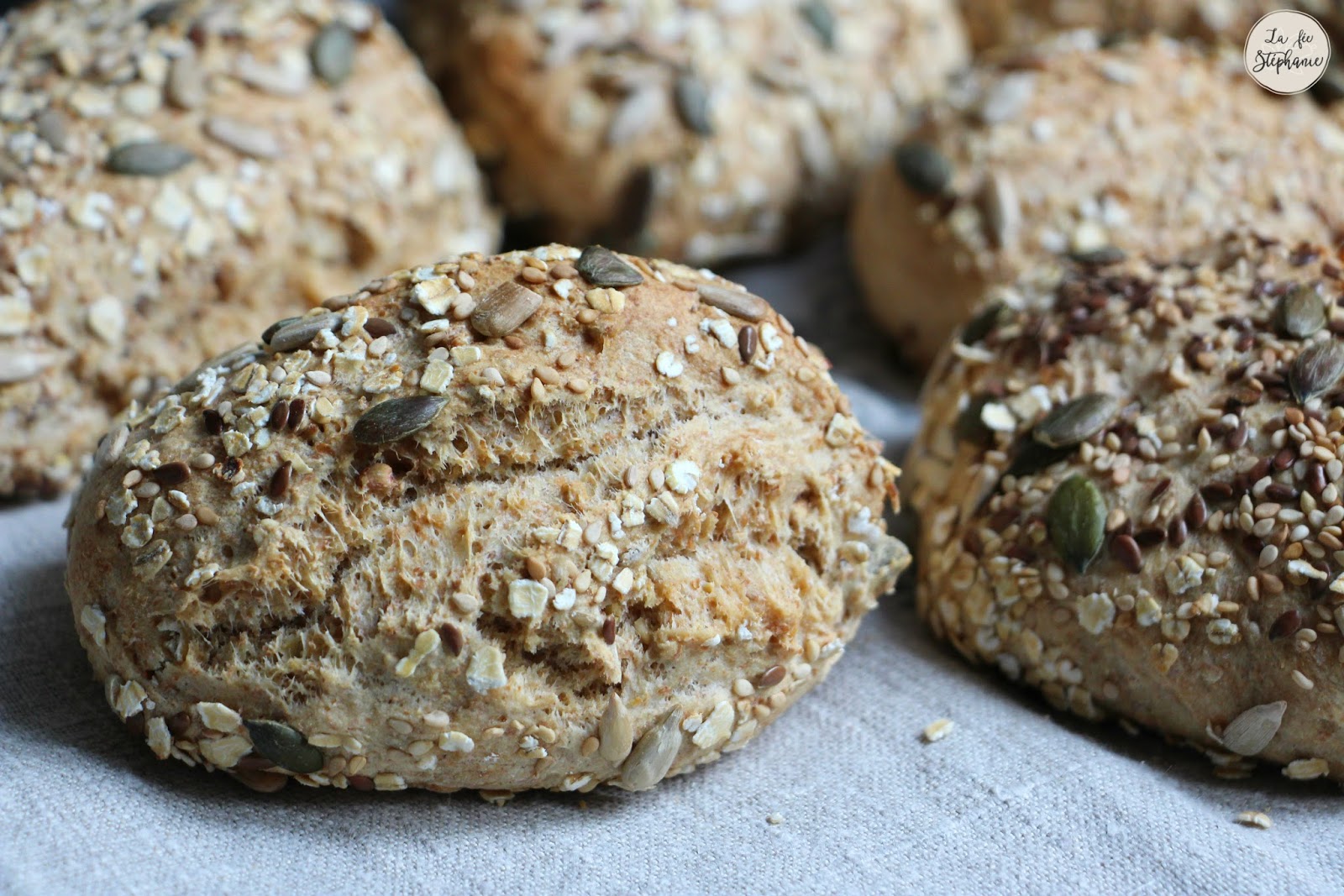

Welcome to the world of artisanal baking where every detail counts. Today we will explore effective methods to prolong the freshness of your rolls, ensuring optimal preservation. Whether you’re an amateur or a professional, discover proven techniques that will keep your creations as delicious as the day they were baked. Ready to turn your passion into perfection? Follow the leader!
Choosing the right storage location for buns
Factors to consider for storing buns
The choice of where to store the rolls is crucial to preserve their freshness and taste qualities. Several factors must be considered, including humidity, temperature and air circulation. An environment that is too humid can cause mold to form, while a place that is too dry can dry out the loaves. Ideally, a constant temperature around 18°C and a relative humidity of 60% are recommended to optimize conservation.
Storage options for optimal shelf life
Storage options for buns vary depending on how long they need to be stored. For short storage (a few days), the use of paper bags helps maintain optimal texture by allowing the bread to breathe. For longer periods, plastic bags can be used to prevent drying out, but care should then be taken to ensure that the buns are completely cooled to avoid condensation and the development of mold.
- Paper bags: maintaining crispness, recommended for short periods.
- Plastic bags: prevention of drying out, ideal for prolonged storage if well managed.
- Bread boxes: made of wood or metal, they offer effective conservation thanks to light air circulation.
Specific precautions for special buns
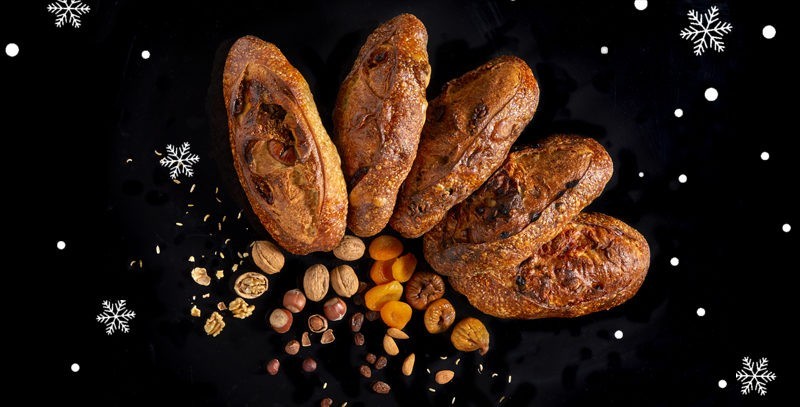
Rolls with special ingredients like dried fruit, nuts or whole grains may require extra care. The natural moisture of these ingredients can increase the risk of mold. For these types of bread, more rapid checking and consumption is advised. Additionally, storage in the refrigerator may be considered to prolong their freshness, although this may slightly affect the texture of the bread.
FAQs
1. How long can you keep buns in a paper bag?
The rolls will generally keep for 2 to 3 days in a paper bag, provided they are stored in a cool, dry place.
2. Can you freeze the buns to extend their shelf life?
Yes, the rolls can be frozen for extended storage, up to 3 months. It is advisable to wrap them carefully to prevent drying out and defrost them at room temperature before reheating them slightly in the oven to restore their freshness.
3. What are the best temperature and humidity conditions for storing buns?
The ideal conditions for storing rolls are a temperature of around 18°C and a relative humidity of 60%. These conditions help maintain the quality and freshness of the breads.
Articles sur le même Sujet
Prepare the rolls for effective preservation
Choice of Ingredients and Their Quality
The first crucial step in preparing buns intended for a long conservation lies in the choice of ingredients. Opt for high quality flours, ideally from organic farming. Flour characteristics, such as protein content, directly affect the structure of the bread and its ability to age well. Using a natural leavener rather than chemical leaveners can also extend the life of buns by improving their resistance to mold and other spoilage.
Kneading and Shaping Techniques
Kneading plays a crucial role in developing the gluten, which allows the bun to maintain its shape and texture after baking. Efficient kneading contributes to a well-formed gluten network, essential for optimal preservation. Shaping, for its part, must be carried out carefully to avoid creating weaknesses in the structure of the bread which could worsen during storage.
Suitable Cooking and Cooling
Cooking should be adjusted according to the size and shape of the buns. Proper cooking guarantees a golden and crispy crust which protects the soft interior, a natural barrier against staleness. After baking, cooling is just as important: rolls should be cooled on wire racks to avoid condensation and softening of the crust. This process helps preserve the original texture and taste during storage.
Packaging and Storage of Rolls
For conservation, packaging plays a key role. Buns should be stored in airtight containers or special storage bags that minimize exposure to air and moisture. The storage temperature must be constant and cool to delay the development of mold and the staling process. Storage at room temperature is recommended for short periods, while freezing may be considered for extended storage.
Best Practices for Defrosting and Reheating
For optimal quality, the defrosting process must be controlled. Rolls thawed slowly at room temperature or in the refrigerator provide better results compared to those thawed quickly. For reheating, a traditional oven is preferable to the microwave to obtain a crispy crust and a soft interior.
FAQs
1. What is the difference between using baking powder and sourdough for preserving buns?
Natural sourdough prolongs the shelf life of bread thanks to its natural acidity which inhibits the growth of mold. Baking powder, although faster, does not offer this property.
2. How long can buns be stored in optimal conditions?
The rolls can be kept for up to 3 days at room temperature. For longer storage, the freezer can preserve their freshness for several months.
3. Is there a special reheating technique for frozen buns?
The best result is obtained by placing them in an oven preheated to 180°C and reheating them for approximately 10 minutes. This helps restore the quality of the crust while heating the interior evenly.
Articles sur le même Sujet
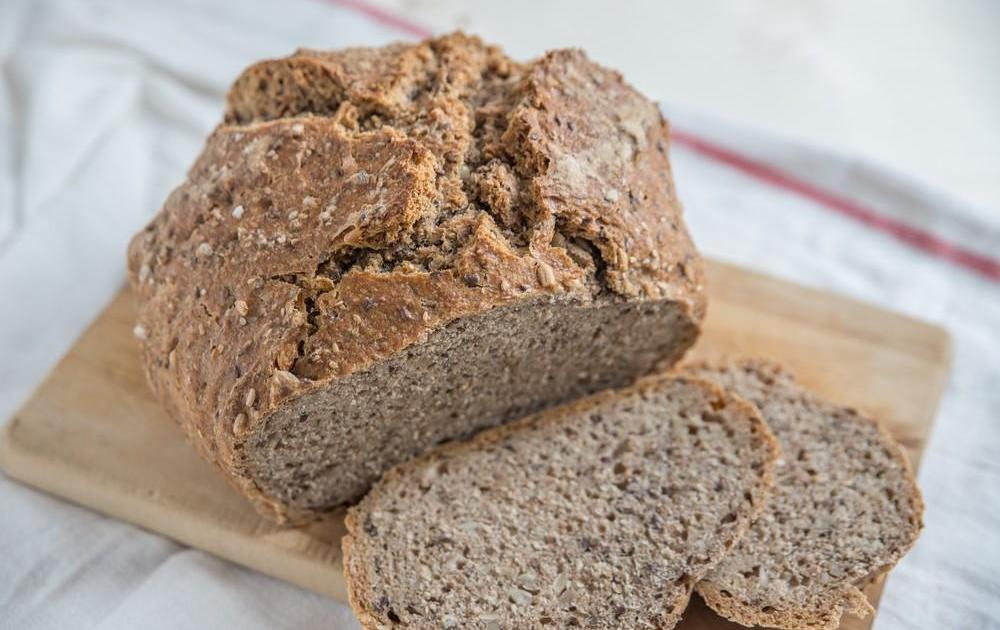
Managing the ideal humidity and temperature
Importance of Humidity and Temperature in the Storage of Rolls
Optimal preservation of rolls relies on the precise control of two key factors: humidity and the temperature. These variables directly influence the freshness, taste, and texture of the bread after its production. Proper management of these elements is essential to maintain superior quality and extend the shelf life of baked goods.
Optimal Humidity Settings
Humidity is a key factor in preserving the tenderness of buns. An environment that is too dry can accelerate the staling process, while excessive humidity can lead to mold growth. Ideally, the humidity level for storing buns should be maintained between 60% and 70%. This level helps preserve the integrity of the crust without compromising the moistness of the crumb.
Temperature Regulation for Optimal Conservation
Temperature also plays a crucial role in the preservation of buns. Too high a temperature can promote bacterial growth and fermentation, affecting the quality and food safety of bread. Conversely, temperatures that are too low can alter the texture and reduce the flavor of the product. For effective conservation, it is recommended to maintain a temperature around 18°C to 20°C.
Strategies for Humidity and Temperature Control
To maintain optimal conditions, the use of specialized equipment is often necessary. Here are some proven strategies:
- Use a dehumidifier or one humidifier to adjust the humidity level as needed.
- Store the buns in a secluded space or climatic cabinet which allows you to regulate both temperature and humidity.
- Carry out regular checks with a hygrometer to monitor ambient humidity levels.
- Avoid sudden temperature fluctuations by adequately insulating the storage area.
FAQs
What is the main risk if the humidity is too high when storing the rolls?
Excess humidity can encourage the proliferation of mold and negatively influence the health quality of breads.
Why is it important to maintain a moderate temperature for storing bread?
A balanced temperature helps prevent the development of bacteria and preserves the organoleptic qualities of the bread.
How can we effectively measure humidity in a storage space?
The use of a hygrometer is recommended to obtain accurate measurements and adjust the storage environment accordingly.
Articles sur le même Sujet
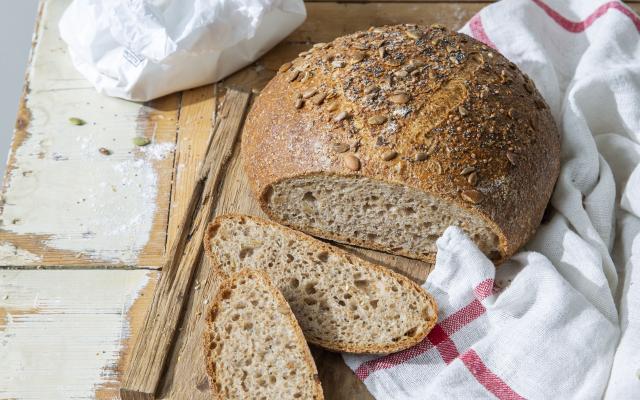

Use of suitable packaging to prolong freshness
Importance of Packaging in Freshness Preservation
The longevity and freshness of the rolls are mainly influenced by the conservation methods used post-production. L’adequate packaging plays a crucial role in preserving these characteristics. By creating a barrier against external agents such as air, humidity, and sometimes even light, good packaging helps maintain the organoleptic qualities of the product.
Characteristics of Packaging for Rolls
Packaging intended for storing rolls must meet several essential criteria. Firstly, the air permeability should be minimized to reduce oxidation and prevent staling. Secondly, it is essential to control therelative humidity inside the packaging to avoid drying out or, conversely, the development of mold. In addition, some packaging may incorporate materials absorbing odors to preserve the specific flavor of the buns.
Types of Packaging and Materials Used
Several packaging options are available for buns, each having its advantages. The packaging in plastic are frequently used for their waterproofness and their ability to easily mold around products. However, for those who prioritize sustainability, plastic packaging biodegradable paper Or in bioplastic films can be interesting alternatives. These offer sufficient protection while being environmentally friendly.
Innovative Packaging Techniques
Continuing innovation in packaging opens the way to new solutions to prolong the freshness of rolls. The use of modified atmosphere technologies is a promising example: by adjusting the levels of carbon dioxide and oxygen inside the packaging, it is possible to significantly slow down the aging processes. Likewise, the integration of nanotechnology to create a protective film around loaves can effectively prevent moisture transfer and maintain the desired texture.
Bun Packaging FAQ
What is the best material for wrapping buns?
The choice of material depends on specific fresh-keeping needs, but plastic remains very popular for its ability to create a leak-proof environment. Eco-friendly alternatives such as biodegradable paper are also growing in popularity.
How does packaging affect the shelf life of buns?
Performance packaging minimizes exposure to air and moisture, reducing the risk of staling and mold growth, which significantly extends shelf life.
Are there any innovations in bun packaging?
Yes, including modified atmosphere technologies and nanotechnologies which offer advanced methods to keep breads fresher for longer.
Articles sur le même Sujet
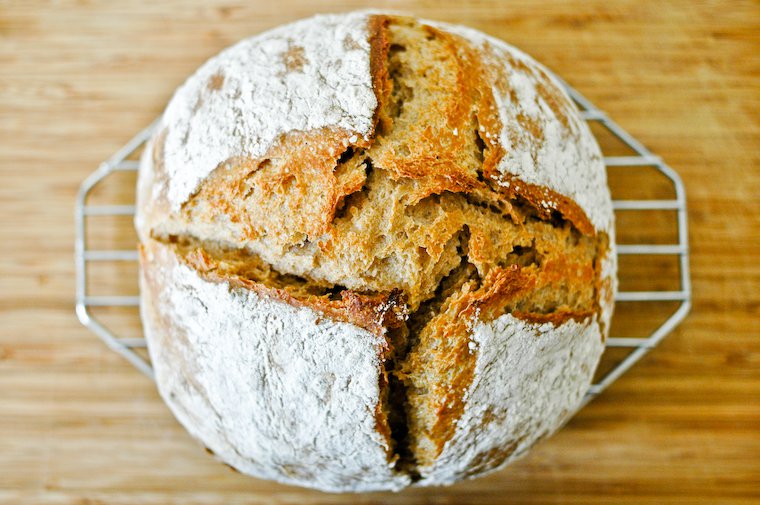
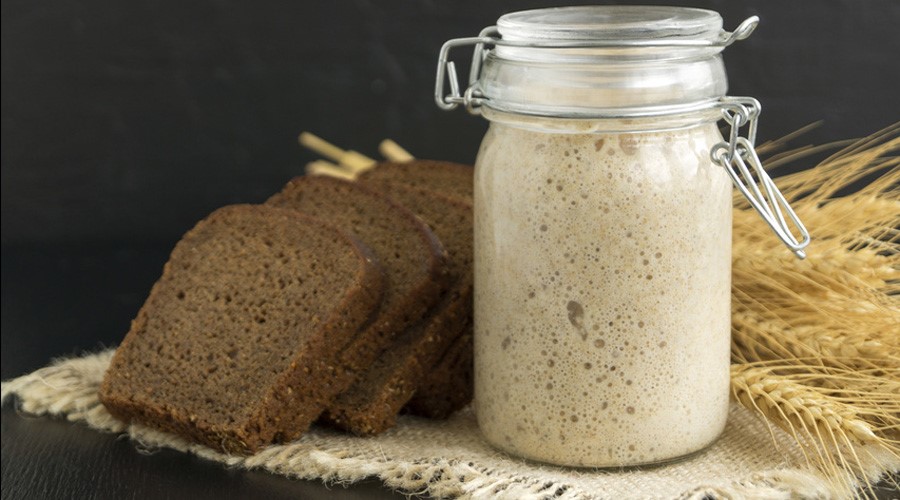
Frequency and methods of freezing buns
Importance of Freezing Frequency
The proper conservation of buns is essential to maintain their quality and freshness. Freezing frequency plays a crucial role in this process, affecting both texture and taste. It is recommended to freeze the rolls the day they are purchased or made, as this best preserves their organoleptic qualities.
Effective Freezing Techniques
To guarantee a optimal conservation, several freezing methods can be used:
- Pre-freezing: Freeze the buns individually on a baking sheet before transferring them to an airtight container. This helps prevent them from sticking together once frozen.
- Airtight packaging: Use plastic wrap, freezer bags, or aluminum foil to wrap the buns. Be sure to remove all air to reduce the risk of freezer burn and loss of quality.
- Labeling: Mark the freezing date on the container or package to track shelf life and ensure use within optimal time frame.
Optimal Frozen Storage Life
The buns can be stored in a freezer for approximately 3 months without significant loss of quality. However, it is crucial to monitor the condition of the bread during defrosting to ensure that it remains appetizing and tasty.
Guide to Defrosting
Defrosting is just as important as freezing itself. To restore the original freshness of the buns, follow these steps:
- At room temperature: Let the loaves thaw slowly at room temperature to preserve the texture.
- Using the oven: To give the rolls a bit of crispiness, reheat them briefly in the oven after defrosting.
FAQ:
1. How long can you keep buns in the freezer?
– The rolls can be stored in the freezer for up to 3 months without significantly altering their quality.
2. What is the best method to package rolls for freezing?
– Using airtight freezer bags or plastic wrap, making sure to remove all air from the packaging, is the most effective method for storing the rolls.
3. How to defrost buns effectively without losing their texture?
– The best method is to let them thaw at room temperature. To regain a little crunch, put them in the oven for a few minutes after defrosting.
Tips for Recognizing and Revitalizing Stale Buns
Identifying Stale Buns
The first step in tackling the revitalization of stale buns is to correctly identify them. Visible signs include a crust hardening and an loss of elasticity crumb. The appearance may also change, with the color becoming slightly paler or less bright than when fresh.
It is also crucial to smell the bread. Stale bread will have a lack of aroma characteristic of fresh bread or a slightly altered odor, a sign that the aging process has begun.
Quick Refresh Techniques
Hydration is essential in the revival of buns. An effective method is to lightly moisten the surface of the bread before placing it in the oven. oven at 175°C for a few minutes. This technique allows the crust to become crispy again while heating the crumb to make it softer.
Another method is to use a microwave oven. Wrap the bread in a damp cloth and heat it briefly. This process promotes even moisture distribution and can make the buns soft and pleasant to eat.
Alternative use of stale buns
Stale buns can also be transformed in creative ways. They are excellent when used to make croutons for soups and salads, or transformed into breadcrumbs for breading recipes or even as a base for stuffing or culinary pranks.
There bread pudding is another delicious option: by dipping the buns in a mixture of milk, eggs, sugar and flavorings, then baking it all, you get a tasty dessert that gives a second life to your stale breads.
FAQs
- How long can I store buns before they go stale?
Typically, buns retain their freshness for 2 to 3 days. After that, they start to show signs of going stale. - Is it safe to eat stale buns?
Yes, as long as they don’t show signs of mold, it’s safe to eat them after revitalizing them or using them in other recipes. - Can we prevent bread from going stale?
Storing loaves in a cool, dry place or wrapping them airtight can help slow the staling process.