


How to make your first batch of baguettes?
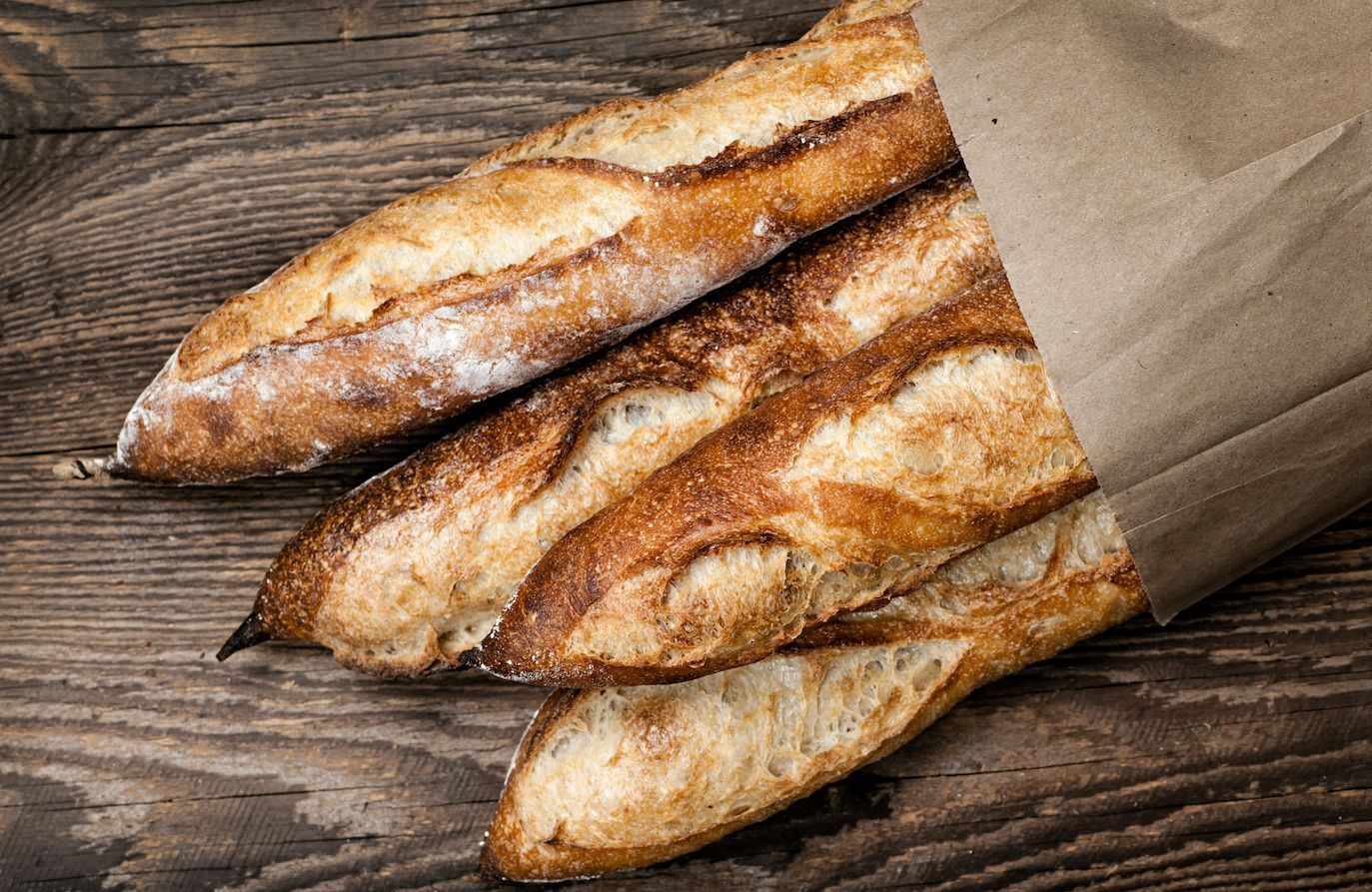

In this article, we look at the essential elements for a successful first batch of baguettes. We will discuss basic and advanced techniques, from choosing flour to mastering fermentation, to help you create crispy baguettes with an airy, honeycombed crumb. Whether you’re new to baking or experienced, these expert tips will transform your approach to shaping the iconic French bread.
Choice of ingredients for successful baguettes
Flour Fundamentals
There flour constitutes the central pillar of the manufacture of a quality baguette. To obtain a baguette with a crispy crust and an airy crumb, it is essential to choose T55 or T65 type flour. These types of flour ensure a good balance between strength and extensibility, crucial for adequate rising and ideal crust formation.
It is also worth considering adding a small proportion of wholemeal or rye flour to enrich the flavor of your baguettes. However, keep in mind that these flours are more absorbent and may require adjustments in water proportions.
The Importance of Water in Dough
L’water plays a role not only in hydrating the flour but also in regulating the temperature of the dough. Room temperature or slightly warm water is best to properly activate the yeast. The ideal hydration level can vary, but is generally around 65% relative to the weight of the flour.
Choice of Yeast or Sourdough
The type of leavening agent, yeast fresh or Natural leaven, influences not only the texture but also the taste of the baguette. Baker’s yeast allows rapid fermentation and a more uniform crumb. On the other hand, sourdough, although requiring more time, enriches the baguette with more complex flavors and better preservation.
Using sourdough requires a thorough understanding of the fermentation process and adjustment of the proportions used, as this can significantly affect the final volume and texture of the baguette.
The Role of Salt
THE salt is essential to control the fermentation of the dough and to improve its taste. Too much or too little can seriously affect the development of the dough and the quality of the baguette. A generally recommended proportion is 2% of the weight of the flour.
FAQs
- What type of flour is best for baguettes?
Flour types T55 or T65 are ideal for baguettes, providing a good balance of strength and extensibility needed for good rising and a crisp crust.
- Yeast or sourdough: which is preferable for an authentic baguette?
The choice depends on the taste and flavors sought. Yeast allows rapid fermentation while sourdough gives more complex flavors and improves preservation.
- How to adjust the hydration rate of the dough?
The hydration rate may require adjustments depending on the type of flour used and climatic conditions. A rate around 65% is a good starting point for the majority of flours commonly used for baguettes.
Articles sur le même Sujet

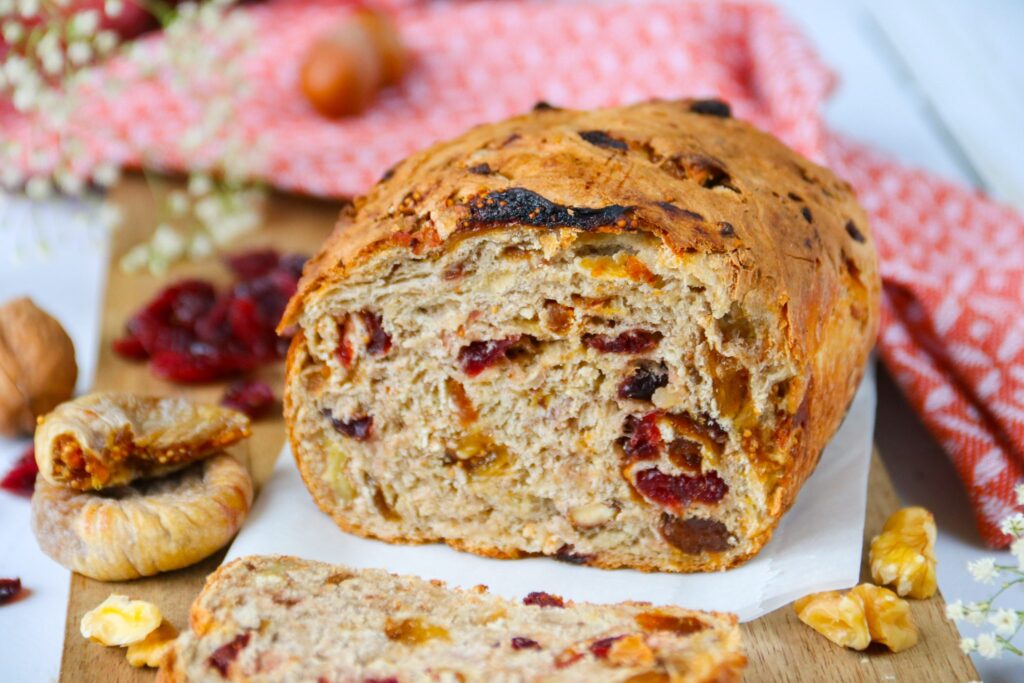
Preparing the dough: Techniques and tips
Ingredient Selection
In the preparation of a dough baguette quality, the selection of ingredients plays a crucial role. Opt for one high quality flour, type T55 or T65, which contains an adequate level of protein for good elasticity of the dough. The use of a water without chlorine and at room temperature is preferable so as not to alter the activity of the yeast. As for yeast, fresh baker’s yeast is ideal for optimal fermentation, while the salt must be fine to dissolve and distribute evenly.
Kneading and Pointing
Kneading is essential to develop the glutinous network of the dough, which influences the texture of the dough. baguette. Knead the dough for at least 10 minutes until it becomes smooth and elastic. After kneading, pointing, the first resting phase, allows the dough to ferment and develop flavors. This process usually takes 1 to 2 hours. Make sure the fermentation container is covered to prevent the dough from drying out.
Division and Shaping
After pointing, divide the dough into equal pieces, avoiding overworking the dough so as not to expel the carbon dioxide formed. Shaping the dough pieces into the shape of baguette requires delicacy and technique. Roll each paton lengthwise while taking care not to completely degas the dough. Then let the shaped baguettes rest under a clean cloth to prevent a crust from forming on the surface.
Scoring and Cooking
Scoring consists of making incisions on the top of the baguettes to control their expansion during cooking. Use a very sharp blade and make oblique and parallel cuts. Cooking must be preceded by a crucial step: adding steam to the oven. A humid environment is essential to allow the crust of the baguette to remain supple during the first minutes of cooking, thus forming a nice grigne. Bake the baguettes at a temperature of 240°C for approximately 23 minutes, until the crust is golden and crispy.
FAQs
- What is the best type of flour for making a baguette?
T55 or T65 type flour is ideal for making baguettes because it has a protein content which guarantees good elasticity and hold of the dough. - How long should you knead baguette dough?
Effective kneading lasts at least 10 minutes until the dough becomes smooth and elastic. - How important is the steam stage when cooking?
Adding steam at the start of cooking allows the crust to remain supple, promoting good expansion and a well-defined crust on the baguette.
Articles sur le même Sujet
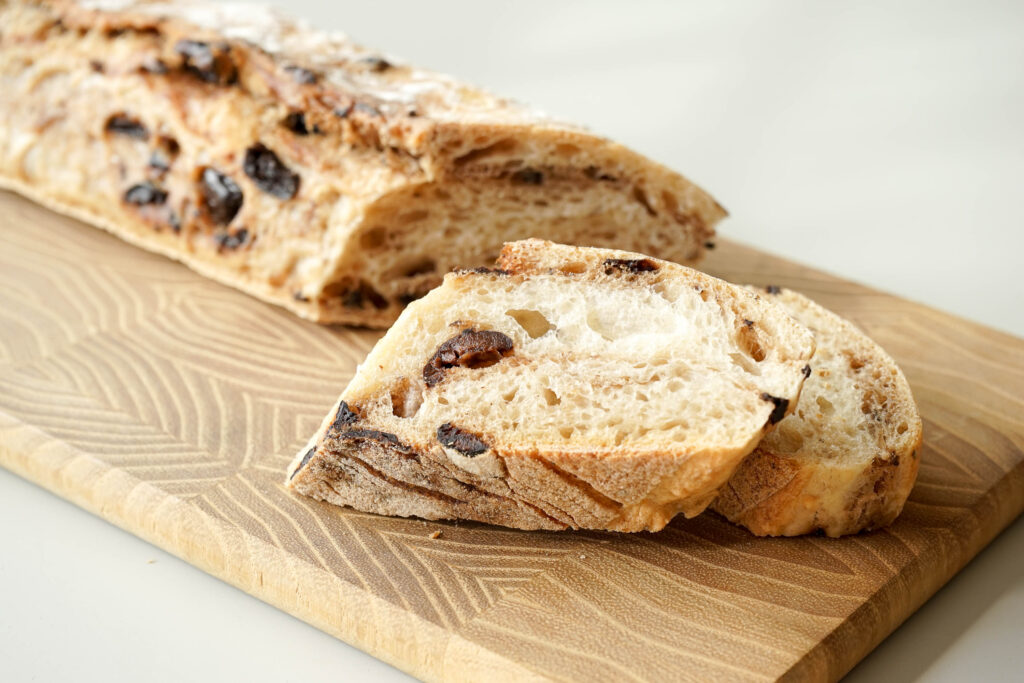
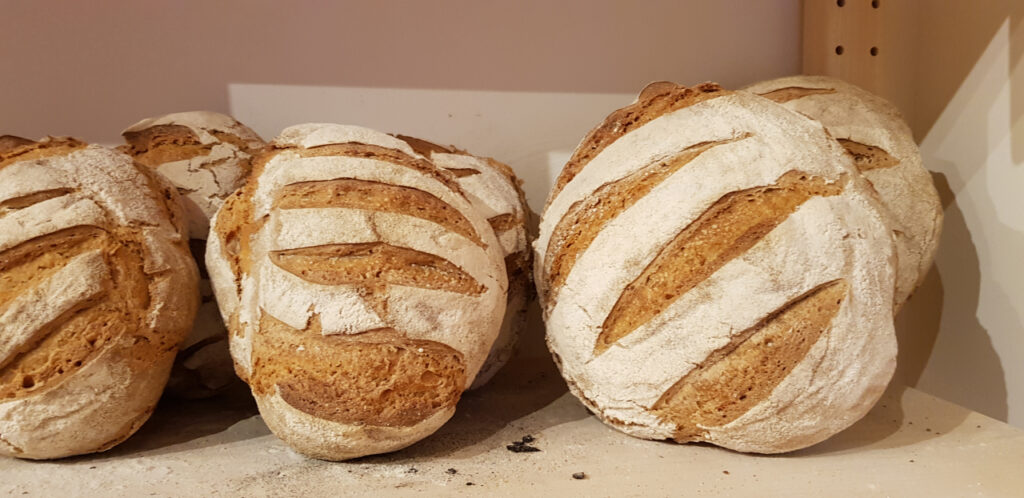
The right kneading: Key to texture
Kneading is a fundamental step in bread making. This technique, well executed, directly influences the quality crust and crumb texture. In fact, adequate kneading ensures good distribution of the ingredients and activates the development of the glutinous network essential to the structure of bread.
Kneading techniques
To obtain a perfect texture, there are several kneading techniques, adapted to the nature of the dough and the desired result. Manual kneading gives authenticity and particular mastery to the process. This method involves working the dough with your hands, stretching it and folding it on itself. For larger scale productions, mechanical kneading using beaters and kneaders is preferable to ensure texture consistency.
Factors influencing kneading
The quality of the kneading also depends on several factors. There temperature of the dough, the type of flour used and hydration are crucial. An optimal temperature promotes the activation of the yeast and contributes to the formation of an effective glutinous network. The choice of flour, according to its strength (protein content), is decisive for the elastic and extensible properties of the dough. Hydration plays a role in how firm the dough is and how easy it is to knead.
Optimal kneading time
The duration of kneading should neither be too short nor excessively long. Insufficient kneading leaves a weakly structured dough, while overly prolonged kneading can cause the gluten network to break down, negatively affecting the texture of the finished product. A suitable duration, usually between 10 and 20 minutes depending on the method used, allows optimal development of the gluten.
Detection of the end of kneading.
One of the methods to determine if the kneading has been sufficient is to veil test, which involves stretching a small piece of dough until it becomes thin and translucent without tearing. This test indicates that the gluten has reached a sufficient degree of development to retain the gases produced by the yeast, leading to a well-risen bread with a desirable texture.
- What is the ideal temperature for kneading dough?
- The ideal temperature for kneading bread dough is generally around 24 to 26 degrees Celsius. This range allows effective activation of yeast and good development of gluten.
- Can you knead bread dough for too long?
- Yes, over-kneading can damage the gluten, making the dough too loose and sticky, affecting the texture of the finished bread.
- How do you know if the dough is sufficiently hydrated?
- Properly hydrated dough is soft and adheres lightly to your fingers without sticking completely. It should also be able to stretch without tearing easily.
- The ideal temperature for kneading bread dough is generally around 24 to 26 degrees Celsius. This range allows effective activation of yeast and good development of gluten.
- Yes, over-kneading can damage the gluten, making the dough too loose and sticky, affecting the texture of the finished bread.
- Properly hydrated dough is soft and adheres lightly to your fingers without sticking completely. It should also be able to stretch without tearing easily.
Articles sur le même Sujet

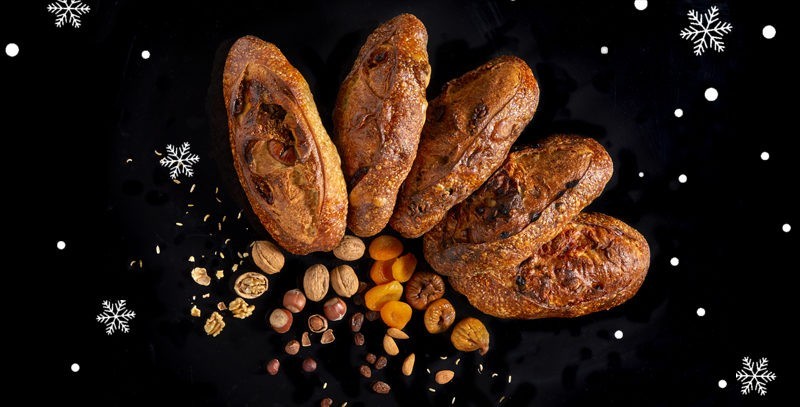
The first lift: Patience and precision
First Lift Fundamentals
The first lift, also known as primary fermentation, is crucial in the baguette making process. This stage not only determines the texture and flavor of the bread, but also influences the cellular structure of the crumb. Before you begin kneading, it is essential to ensure that all ingredients are at room temperature, so as not to slow down the biochemical reactions involved.
Fresh or active yeast, which plays a central role in this process, must be measured precisely. Too little will unnecessarily prolong proofing without tangible benefits, while too much can lead to fermentation too quickly, with unbalanced taste and compromised structure.
Kneading and Hydration Techniques
The type of kneading directly affects yeast activity and gluten formation. Slow and regular kneading promotes better integration of ingredients and a more homogeneous gluten structure. The hydration of the dough is just as important: a dough with a hydration rate adapted will have better extensibility and will allow the yeast to breathe and feed better during fermentation.
It is recommended to use a hydration level of around 75% for traditional baguettes, thus allowing a honeycombed crumb and a delicately crispy crust. The temperature of the added water must be modulated according to the ambient temperature to maintain an optimal environment for the yeast.
Mastery of Temperature and Time
Fermentation temperature is a pillar of first rise. A temperature between 24°C and 27°C is ideal for most doughs. This allows the yeast to work efficiently, without excessively accelerating the enzymatic reactions which can alter the properties of the dough.
The rising time should not be neglected. Proofing that typically lasts between 90 minutes and two hours is recommended to allow the dough to reach its maximum potential. This time allows uniform fermentation and optimal formation of the gluten network.
First Raising of Wands FAQ
1. How important is temperature in the first rise?
Temperature controls how quickly the yeast ferments. An optimal temperature (between 24°C and 27°C) ensures balanced fermentation, crucial for the development of the taste and texture of the baguette.
Hydration rate may require minor adjustments depending on humidity and ambient temperature. A drier atmosphere may require a little more water, while a humid environment may require less.
Yes, dry yeast can be used, although it is generally recommended to use fresh yeast for the best flavors. If you opt for dry yeast, be sure to activate it properly according to the manufacturer’s instructions before adding it to the dough.
Articles sur le même Sujet
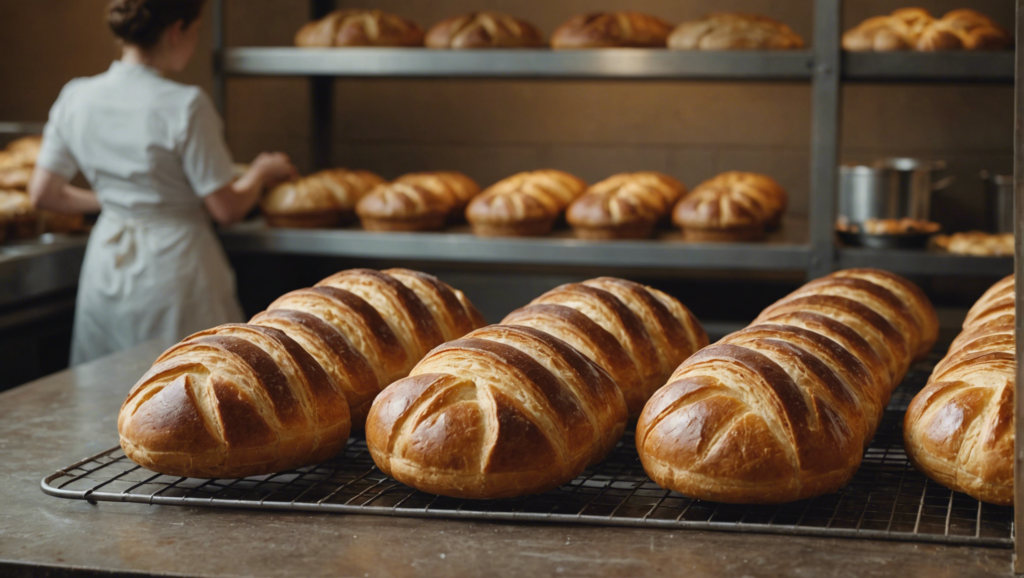
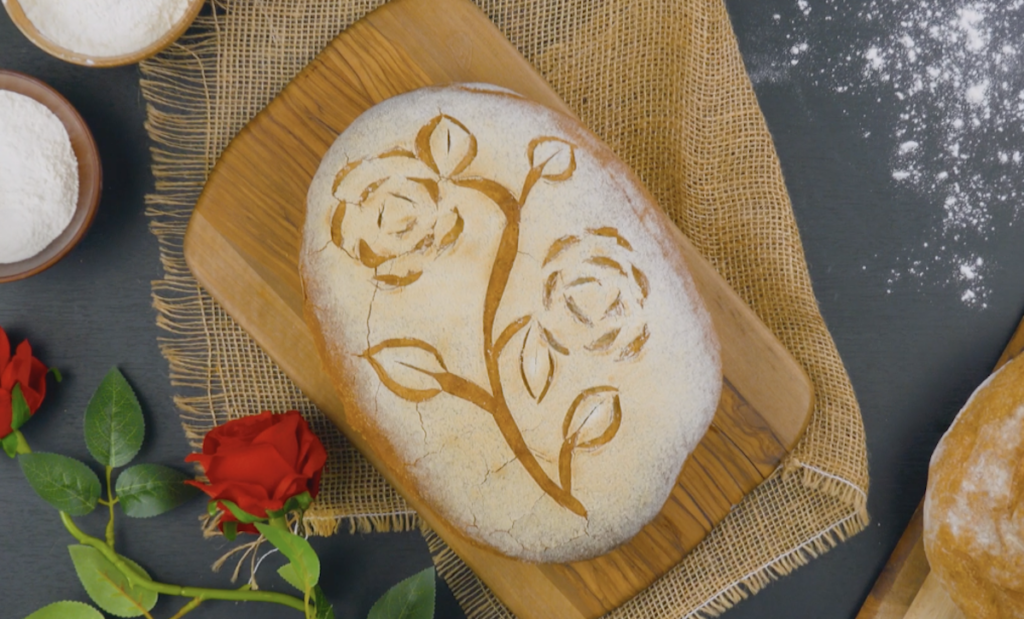
Shaping and second lifting of baguettes
THE shaping and the second lifting are two crucial steps in the making of baguettes, directly influencing the volume, texture and final appearance of the bread. This process requires technique and precision, and each step must be executed carefully to achieve optimal results.
Baguette shaping techniques
Shaping begins with degassing the dough, which consists of eliminating the gas bubbles produced during the first fermentation. Then the dough is divided into pieces of equal weight. Each piece of dough is first curled or relaxed before being shaped into a long cylindrical shape. For the actual shaping, it is essential to maintain surface tension without crushing the dough too much, in order to preserve the gas bubbles which contribute to the honeycomb texture of the bread.
- Equalization : Divide the dough evenly after the first rise.
- Degassing : Eliminate gas bubbles by pressing gently.
- Pre-shaping : Make a ball or a cylinder to relax the dough.
- Stretching and rolling : Gently stretch the dough to form a long cylinder without tearing the surface.
Optimization of the second lift
After shaping, the baguettes are placed on a cloth or floured layer for second lifting, also called primer. This rest allows the dough to develop a more complex aroma and improved texture. The duration of the second rise generally varies between 30 minutes and 1 hour, depending on the ambient temperature and the composition of the dough. It is crucial to cover the dough pieces to prevent the surface from drying out.
- Temperature : Maintain the temperature at around 24°C for optimal rising.
- Humidity : Cover the dough pieces to retain moisture and prevent a crust from forming.
- Monitoring : Control the proofing progress to avoid over-fermentation.
Impact of the second lifting on the quality of the baguettes
The importance of the second rise in the manufacture of baguettes lies in its impact on the texture and volume of the bread. A properly controlled second rise promotes a light, honeycombed crumb and a crispy crust. On the other hand, too short a rising time can result in a dense loaf, while too long a time could weaken the structure of the dough and produce a loaf that is too fluffy or collapses.
FAQs
- How long should the second lifting of the chopsticks last?
The recommended time varies from 30 to 60 minutes, depending mainly on the ambient temperature. - How do you know if a piece of dough is ready after the second rise?
Well-risen dough should be soft to the touch and slow to return to its original shape after light pressure. - What are common mistakes when shaping chopsticks?
Mistakes include over-gassing the dough, shaping too tightly, and not having enough surface tension.
Perfect cooking: Temperature and timing
Preparation before cooking
Successful cooking begins well before introducing the chopsticks in the oven. It is crucial to ensure that the dough has fermented properly. This step influences not only the taste, but also the texture of the crust and the crumb. Proper fermentation takes place at an ambient temperature of around 20°C and could last between 14 and 16 hours. Make sure the dough has doubled in volume and has a slightly curved surface that is not sticky to the touch.
Optimal Oven Settings
There oven temperature is a determining element in obtaining a baguette well cooked. Preheat your oven to 240°C. This high temperature is essential to create a good “steam shot”, that is, a rapid rise of steam which helps to obtain a golden and crispy crust. It is important to use an oven with a good ventilation system or to incorporate water in the form of ice or vaporized water at the start of cooking to generate steam.
Respect of cooking timing
THE cooking time is also crucial. The baguettes should cook for between 20 to 25 minutes depending on their size and the humidity of the dough. Baking too short will not allow the crust to fully develop its color and texture, while baking too long can dry out the crumb and make the crust too tough. It’s a good idea to monitor the color of the baguette as it cooks to ensure it reaches a nice, even golden hue.
Finishing Techniques
After cooking, it is recommended to leave the chopsticks cool on a rack to prevent moisture from accumulating on the crust. This cooling helps stabilize the structure of the crumb and allows the crust to maintain its crispness. Once at room temperature, the baguettes can be stored in a clean tea towel to maintain freshness without softening the crust.
FAQs
1. What is the impact of humidity on the quality of the baguette when baking?
Humidity plays a key role in the formation of the baguette’s crust. A good amount of steam at the start of cooking helps create a crispy crust and prevents the crust from becoming too tough and thick. Without this humidity, the baguette risks losing its typical crispy character.
2. Can you bake multiple baguettes at once, and how does this affect quality?
Yes, it is possible to cook several chopsticks at a time. However, you must ensure that the oven is spacious enough to allow adequate circulation of heat and steam between the baguettes. Overloading the oven can negatively affect baking, resulting in less evenly cooked baguettes.
3. How long can you keep a baguette after cooking?
A baguette can be stored for approximately 24 hours if maintained in optimal conditions. To best preserve its freshness and crispness, wrap it in a cloth at room temperature. Avoid refrigerating it as this softens the crust and affects the texture of the crumb.