


How to enhance the flavor of traditional breads?
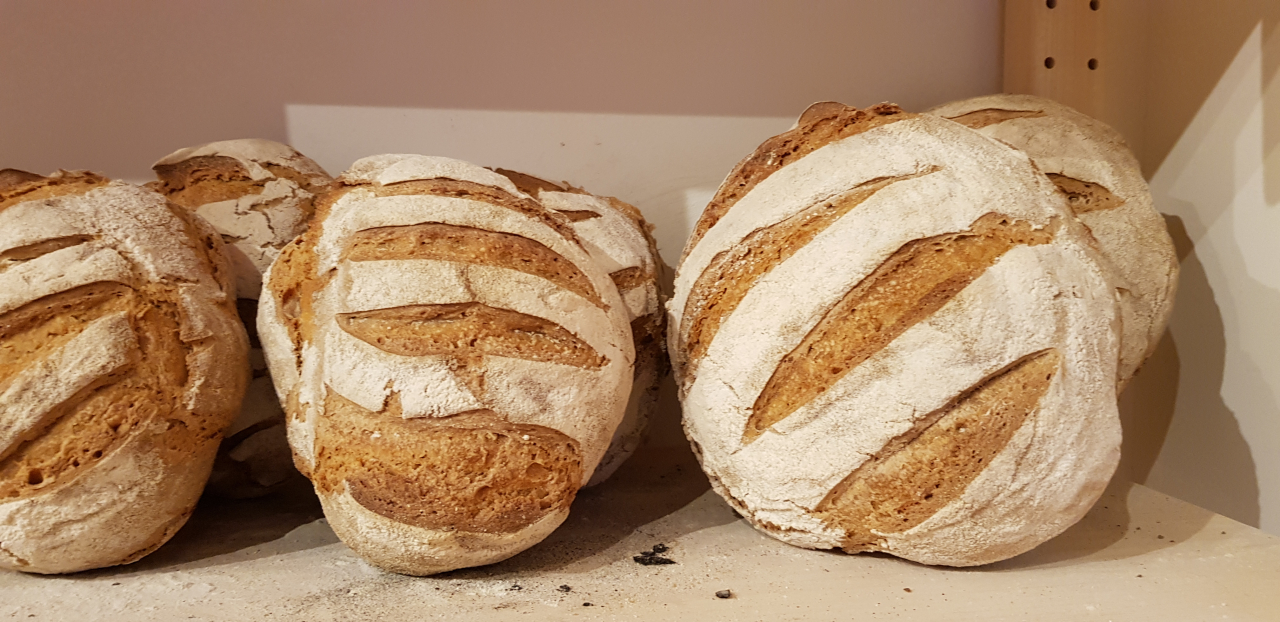

In this article, we explore advanced techniques for enriching and intensifying the flavors of traditional breads. From meticulously selecting ingredients to mastering fermentation methods, discover how to transform each loaf into a work of culinary art. For fans of artisanal baking, this guide will provide you with the keys to elevate your baking skills and impress your guests with exceptionally flavorful and aromatic breads.
Choice of ingredients for quality breads
The Rigorous Selection of Flours
There flour quality plays a crucial role in the manufacturing of quality breads. To obtain bread with optimal texture and flavor, it is essential to choose flours rich in protein, ideally between 12% and 14%. These proteins, especially gluten, are fundamental for the development of the elastic network that retains the gases produced during fermentation, thus giving bread its airy and light structure. In addition, the use of flours from artisanal mills or old varieties can bring a diversity of tastes and reinforce the authentic character of the creations.
For bakers exploring gluten free breads, the selection of alternative flours requires special attention. Rice, chestnut or buckwheat flours, for example, offer interesting prospects for diversifying textures and flavors.
Water Purity and Its Impact
Water, although often overlooked, is an ingredient that significantly influences the quality of bread. Water that is too chlorinated or too hard can negatively affect the fermentation of the dough as well as its flavor. It is recommended to usefiltered water or source to maintain the consistency and taste of the final product.
Incorporation of Quality Sourdoughs and Yeasts
The choice of sourdough or yeast is decisive for the aromatic profile of the bread. A Natural leaven, well maintained, enriches the bread with complex nuances and pleasant textures. The latter also promotes better preservation of bread. Furthermore, the use of high quality baker’s yeast ensures efficient and uniform rising of the dough.
Seeds and Additives: A Personalized Touch
Incorporating seeds such as flax, sesame or poppy can not only enrich the nutritional value of the bread but also add a pleasant crunch and improve its visual appearance. In addition, natural additives such as barley malt or honey contribute to the coloring of the crust and the richness of the taste, while remaining in a healthy and natural manufacturing approach.
The use of herbs and spices also allows you to create breads with unique flavors. Incorporating rosemary, oregano or cumin can transform an ordinary bread into an exceptional gastronomic masterpiece.
FAQs
Q: What type of flour is most suitable for making bread?
A: High protein flours, between 12% and 14%, are ideal for traditional baking. Durum, whole wheat or organic flours can also be used depending on recipes and consumer preferences.
Q: How important is water treatment in bread making?
A: Using filtered or spring water ensures the absence of chlorine and controlled hardness, which is essential to not disrupt fermentation and to preserve the natural flavors of your breads.
Q: How can I improve the texture and flavor of my bread?
A: Beyond the choice of ingredients, kneading the dough properly and respecting resting and fermentation times are crucial. Adding natural sourdough as well as ingredients like seeds or grains can also enrich the texture and taste profile of your breads.
Articles sur le même Sujet

Kneading techniques and their impact on texture
Principles of Kneading and Its Impact on Texture
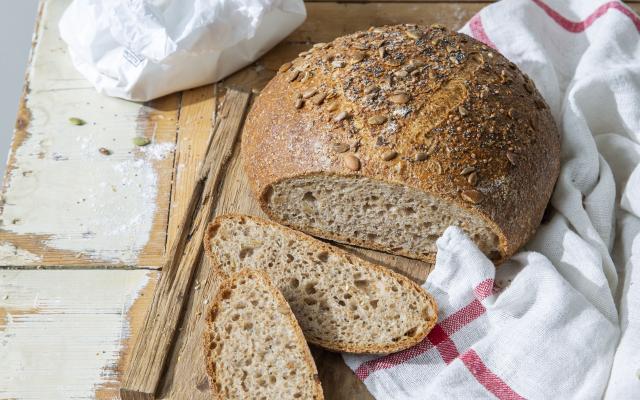
Kneading is a crucial step in making bread and other dough preparations. This mechanical process develops the gluten present in the flour, which directly influences the texture of the final product. Adequate mastery of this technique allows you to obtain an elastic and airy dough, conducive to a well-shaped crumb and a crispy crust.
Two elements are essential in kneading: duration and intensity. Kneading too short does not allow sufficient gluten development, while kneading too intensely can damage the gluten network and fatigue the dough.
Manual and Mechanical Techniques: Advantages and Precautions
Kneading can be done manually or using a machine. The manual method, although laborious, allows precise control of the texture of the dough and is often favored by artisans for small productions. It requires folding and pressing the dough repetitively, which facilitates even distribution of ingredients and optimal incorporation of air.
On the other hand, mechanical kneading, carried out with mixers, is more consistent and less tiring for large quantities of dough. However, it is crucial to monitor the temperature of the dough which can increase due to friction, negatively affecting yeast fermentation.
Impact of Temperature and Flour Type
Temperature plays a significant role in kneading. Adequate temperature promotes yeast activity and gluten formation. It is recommended to maintain the dough at a temperature between 24°C and 26°C to optimize the development of the glutinous network.
The choice of flour also affects the kneading result. Flours with a high protein level, such as oatmeal flour, are ideal for doughs requiring strong gluten development, such as baguettes or pizzas. For more delicate textures, like those of brioches, a flour with less protein is preferable.
Kneading Techniques FAQ
What is the ideal kneading time to obtain a good bread texture?
The optimal time varies depending on the type of dough and the kneading method used. Typically, for a manual method, 15 to 20 minutes is required, while a machine can reduce this time to 10 minutes.
Can you knead dough too long?
Yes, over-kneading can cause the gluten to overheat and break down, making the dough sticky and less able to retain rising gases, resulting in a dense texture.
How do you know if the dough is kneaded enough?
A simple test is the membrane or window test. Take a small piece of dough and gently stretch it between your fingers. If the dough forms a thin membrane without tearing, it is ready.
Articles sur le même Sujet

The importance of fermentation in bread flavoring
The role of fermentation in the development of bread flavors
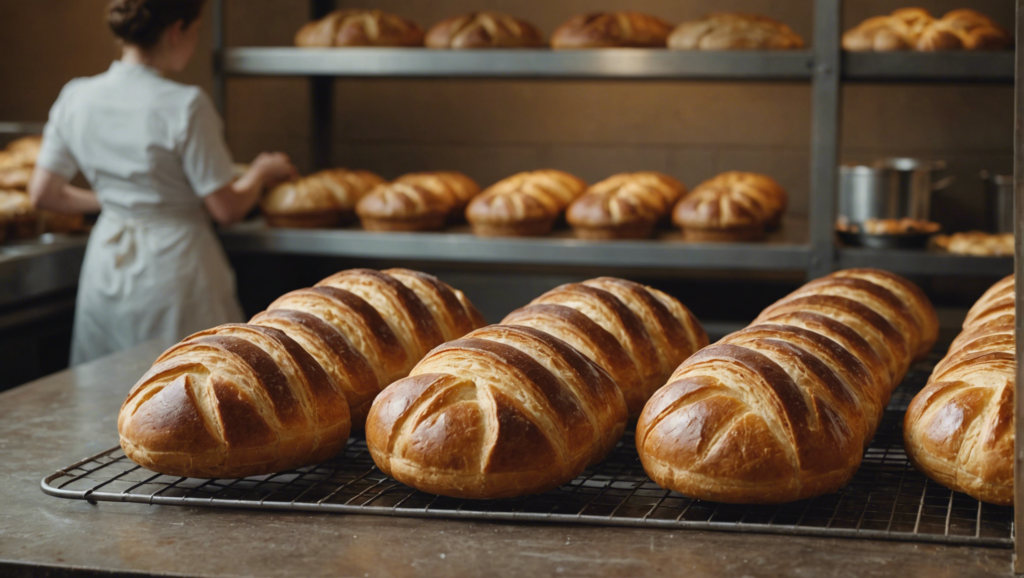
The fermentation process is crucial in baking, especially for creating complex flavors and texture in bread. Fermentation, mainly carried out by yeasts and lactic acid bacteria, transforms the sugars present in the flour into alcohol and carbon dioxide. This phenomenon not only causes the dough to rise, but contributes significantly to the enrichment of the aromatic profile of the bread.
THE active enzymes in flour break down starch into simpler sugars, which yeast converts into ethanol and CO2. This process releases a variety of volatile compounds that characterize the specific aroma of bread. Furthermore, the acetic acid and lactic acid produced improve the preservation of the bread while enriching its flavor.
Optimization of fermentation conditions
To maximize the benefits of fermentation, several parameters must be precisely controlled. There temperature and humidity of the fermentation environment play a vital role. Too high a temperature can speed up fermentation, reducing flavor development, while too low a temperature can delay it excessively.
The duration of fermentation is also essential. A long fermentation allows a more complete development of flavors and aromas. Prolonged fermentation methods, such as using a Natural leaven or a poolish (Polish pre-fermentation), are particularly effective in improving the aroma of bread. These methods also promote the creation of a more honeycombed and light crumb texture.
The different types of fermentation and their impacts
Fermentation can be carried out via various techniques, each influencing the final taste of the bread differently. Direct fermentation, mainly using baker’s yeast, is rapid but can sometimes limit the complexity of the aromas. Conversely, indirect fermentation, incorporating sourdoughs or ferments prepared in advance, offers richer aromatic development and better texture.
Sourdough cultures, maintained and fed over a long period, accumulate a diversity of beneficial microorganisms which enrich the taste profile of the bread. Each sourdough develops a unique aromatic signature, depending on the specific conditions under which it is held.
FAQs
What are the main benefits of using natural sourdough?
Natural sourdough promotes a richer and more complex development of aromas, improves the texture of the crumb and prolongs the freshness of the bread thanks to the organic acids produced.
How does temperature affect bread fermentation?
An optimal temperature (generally around 24°C to 28°C) allows ideal fermentation. Higher temperatures can speed up the process but compromise flavor quality, while lower temperatures slow fermenting activity and taste production.
Is it possible to control bread flavors through fermentation?
Absolutely. By adjusting parameters such as the type of yeast or sourdough, fermentation time, and climatic conditions, it is possible to modulate the flavor profiles of the bread to obtain specific and desired results.
Articles sur le même Sujet


Ideal cooking: temperatures and methods
Understanding the importance of temperatures in the kitchen
Temperature is a crucial element in food preparation, influencing not only texture and taste, but also food safety. Each food has an optimal temperature range to release its best flavors while eliminating bacteriological risks. Precision in temperature control guarantees ideal cooking, whether for juicy meats, crunchy vegetables or delicate pastries.
Cooking techniques and their effects on dishes
The choice of cooking method directly affects the final result of the dish. Here are some common methods:
- Simmering: Ideal for savory dishes like stews, this technique allows ingredients to be cooked slowly at a low temperature, promoting the diffusion of aromas.
- Grilling: Using the grill allows you to sear foods at high temperatures, forming a tasty, caramelized crust while preserving interior moisture.
- Steam: This method preserves the nutrients and flavors of foods, cooking them gently without immersing them in water or oil, ideal for vegetables and fish.
The role of the kitchen thermometer for infallible precision
The use of a kitchen thermometer is essential for accurately measuring the internal temperature of foods, ensuring cooking meets food safety standards and texture and taste preferences. It is an essential tool for successful cooking such as fish at low temperature or medium-rare red meats.
Optimization of cooking times for perfect results
Each food requires a suitable cooking time, which it is crucial to respect to maximize its organoleptic qualities. Planning the preparation allows you to synchronize the cooking of the different components of the dish, so that everything is ready simultaneously and to perfection.
FAQs
1. How to choose the right kitchen thermometer?
Opt for a digital model for a quick and accurate temperature reading. Make sure it is compatible with your type of cooking: some are specific to meats, others to sweets or oils.
2. What temperature should be reached for well-cooked meat?
For red meats, an internal temperature of 60-65°C is ideal for medium-rare cooking. Poultry must reach at least 74°C to ensure food safety.
3. How to adjust the temperature when cooking several dishes at the same time?
Use cooking on different heats with varying intensities for each dish or adjust the position of the racks in the oven. Also consider using the residual heat from food just out of the oven to finish other light preparations.
Articles sur le même Sujet

Varieties of flour and their influence on taste
The Different Varieties of Flour and Their Composition
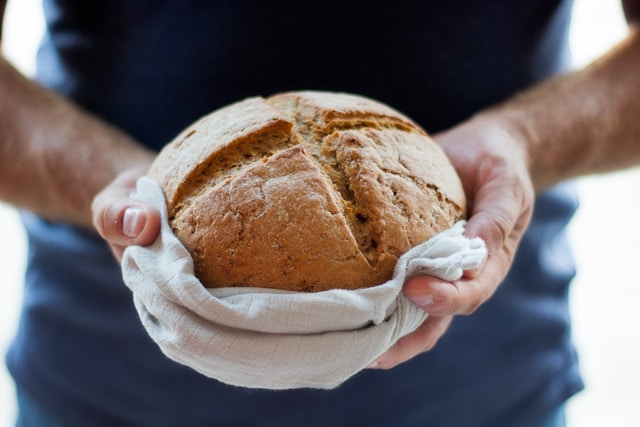
Each type of flour has its own characteristics which directly influence the texture, taste and color of the bread. Among the most commonly used, wheat flour remains the most widespread. It is available in several categories, ranging from the very refined T45 to the integral T150. Other varieties such as Rye flour, there Buckwheat flour and the Spelt flour offer stronger flavors and varied nutritional profiles.
The gluten content of each flour also influences fermentation and the bread’s ability to rise. Low-gluten flours, such as corn or rice, often require mixing with other, higher-gluten flours to achieve a good texture.
The Impact of Flour on Bread Flavors
The impact of the flour on the taste of the bread is considerable. For example, rye flour provides a rustic, slightly acidic flavor, ideal for dense, rich breads. In contrast, durum wheat flour produces breads with a firm texture, prized for their golden crust and elastic crumb. For those looking for subtle nuances, the Spelt flour enriches the bread with a touch of hazelnut.
Using unconventional flours like chestnut or quinoa flour can radically transform the flavor profile of bread, adding sweet notes and interesting textures.
Mixing and Kneading Techniques to Optimize Flavors
The art of enhancing flavors also lies in the process of mixing and kneading. Prolonged kneading intensifies gluten development, which is crucial for the texture of the bread, but can also affect its final taste. Other methods such as autolysis allow flours to better hydrate and develop flavors even before adding yeast or sourdough.
The adaptation of fermentation methods, using either industrial yeasts or natural leavens, also plays a major role. Natural sourdough, in particular, promotes the creation of complex taste nuances thanks to long fermentation.
FAQs
Which flour is best for making bread with a crispy crust?
Durum wheat flour is often favored for its ability to develop a golden, crispy crust, ideal for breads like the traditional baguette.
Can you mix different flours to make bread?
Yes, mixing different flours not only allows you to adjust the texture and density of the bread, but also to play with flavors to create unique and personalized breads.
Can gluten-free flours be used alone to make bread?
Rarely. Gluten-free flours such as rice or corn often lack the gluten necessary to structure bread. They are usually mixed with other flours or binding agents to improve the texture of the final product.
Storage of breads to maintain freshness and flavors
Optimal storage techniques
The keeping quality of bread can be greatly improved through the use of proper storage techniques. The first step is to understand that the environment where the bread is stored plays a crucial role. A place that is too humid can encourage mold, while a place that is too dry can accelerate staling. To store your bread in optimal conditions, choose a cool, dry place, away from direct light.
An effective method for prolonging the freshness of bread is to store it in a cloth bag or paper bag. These materials help maintain adequate air circulation, thereby reducing the risk of mold development while limiting drying out. At all costs, avoid plastic bags that trap moisture and encourage mold growth.
The role of temperature and humidity
Temperature and humidity are two determining factors in the preservation of bread. Ideally, bread is stored at room temperature between 18°C and 22°C. Controlled humidity is also essential to prevent the bread from drying out or becoming damp. Humidity control devices, such as dehumidifiers or air humidifiers, can be used to maintain an optimal environment.
Using freezing techniques
Freezing is a very effective method for preserving the freshness of bread over the long term. For optimal preservation, it is recommended to pre-slice the bread before freezing it. This facilitates post-freezing use, allowing only the amount needed to be defrosted. Be sure to wrap the bread airtight using plastic wrap or a freezer bag to avoid freezer burn and loss of flavor.
The benefits of intermittent freezing
Intermittent freezing, practiced by alternating periods of freezing and thawing, can also be beneficial for refined breads seeking prolonged storage without alteration of textures and aromas. This method is particularly suitable for specialty or enriched breads, which may be sensitive to temperature changes.
FAQs
How to prevent bread from going stale?
To prevent bread from going stale, it is crucial to store it at room temperature in an environment that is neither too dry nor too humid. The use of fabric bags allows for better conservation compared to plastic bags.
Why avoid plastic bags for storing bread?
The plastic bag traps moisture, which creates an environment conducive to mold and affects the texture of the bread, making it mushy. For better conservation, choose paper or fabric bags.
Does freezing affect bread quality?
If undertaken correctly, freezing can keep the quality of bread almost intact. It is advisable to slice and wrap the bread airtight before freezing it to facilitate its later use and preserve its organoleptic qualities.