


What are the secrets to successfully decorating your artistic breads?
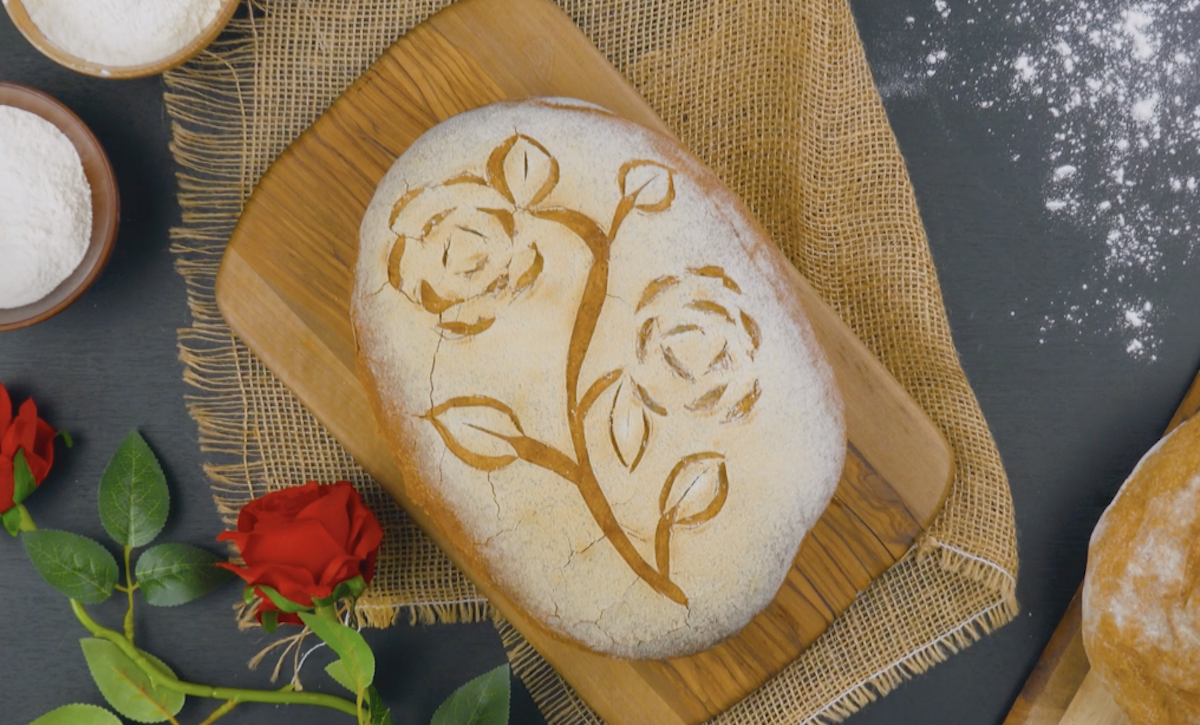

Mastering the art of baking is not just about perfection in taste; the visual aspect also plays a crucial role. In this article, we will reveal essential techniques and creative tips for successfully decorating your artistic breads. Whether you’re an enthusiast looking to add a touch of originality to your creations or a professional looking to perfect your craft, these tips will help you transform your loaves into true works of art.
Choice of ingredients: The basis of a bread that is as beautiful as it is delicious
Importance of Quality Ingredients
The quality of ingredients in bread making is crucial, both for taste and aesthetics. Choosing high-quality flours, from organic farming or local mills, can significantly improve the texture and flavor of bread. Thus, the use of refined flours enriched with gluten or wholemeal flours can influence the structure of the crumb and the crust of the bread, essential elements in the field of decoration of artistic breads.
The water, often neglected, must be of good quality, preferably filtered or spring, to avoid chlorine and additives which can affect the natural fermentation of the sourdough and subtly modify the aromas of the bread.
The selection of salt, preferably sea or unrefined, also enriches the taste profile of the bread while improving the color and texture of the crust, key elements for impeccable presentation.
Fermentation Techniques for Aesthetic Bread
The process of fermentation plays a pivotal role in the success of a bread both aesthetically and in terms of taste. Use a Natural leaven, well maintained and active, is essential for developing complex aromas and an airy texture. Long fermentation, often practiced at low temperatures, also accentuates the richness of flavors and improves the malleability of the dough, thus facilitating the creation of artistic shapes and patterns on the bread.
Controlling fermentation temperatures and times is crucial to obtaining optimal dough for decoration, as inadequate fermentation can result in a dough that is too dense or too soft, difficult to work with artistically.
Integration of Seeds and Toppings
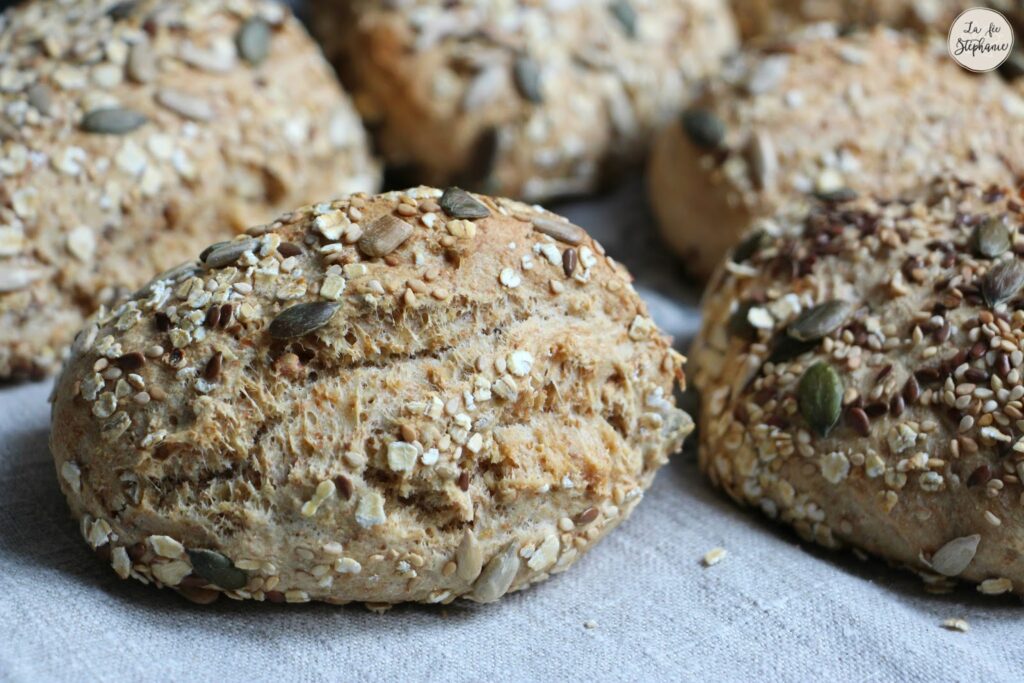
The addition of seeds and toppings not only enriches the nutritional profile of the bread, but it also offers a variety of textures and colors that can transform a simple loaf into an edible work of art. Sesame, sunflower, flax or even poppy seeds, when incorporated into the dough or sprinkled on top before cooking, add a remarkable decorative and taste touch.
Ingredients like olives, dried tomatoes or aromatic herbs can be carefully positioned to create specific patterns or designs, making each loaf a unique creation.
FAQ about Decorating Artistic Breads
What is the best flour for artistic bread decoration?
For superior results in dough texture and elasticity, choose a high-protein flour, such as T65 wheat flour or higher, to ensure adequate rise and dough flexibility ideal for sculpting .
How to integrate surface designs on breads?
The integration of designs can be done by incision just before cooking with a very thin blade, allowing precise patterns to be created which will develop during cooking. Using stencils with fine grits or flour can also add interesting visual contrasts.
Should you adjust cooking when adding toppings?
Yes, depending on the nature and quantity of toppings added, it may be necessary to adjust the cooking temperature and time. Wetter items like dried tomatoes may require a lower temperature to avoid overcooking the exterior before the center is cooked through.
Articles sur le même Sujet
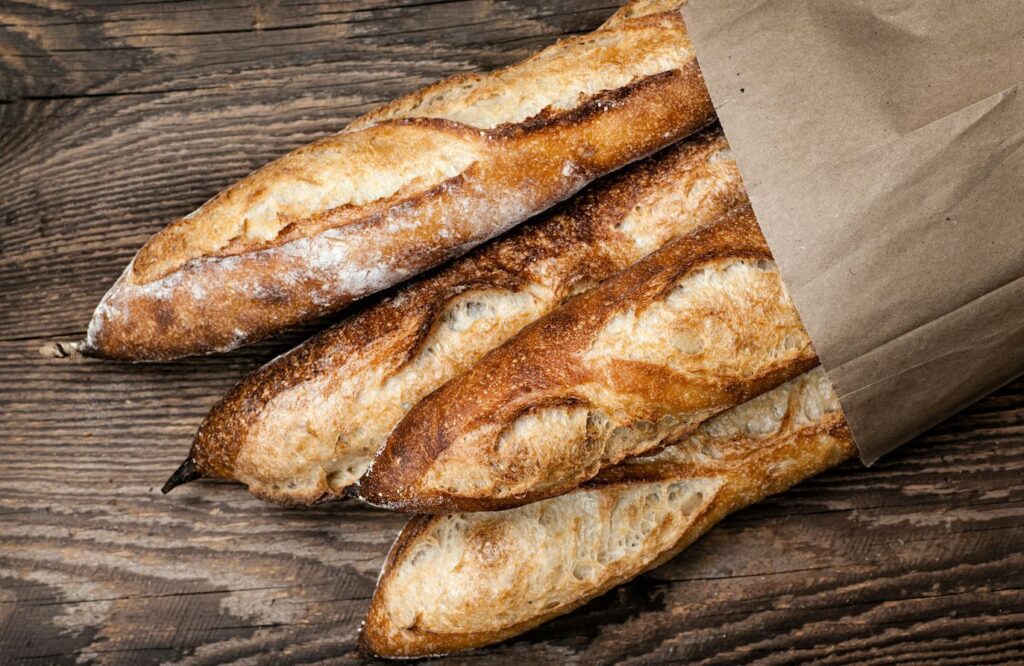
Shaping Techniques: Mastering the Art of Form
The Fundamentals of Artistic Bread Making
Shaping artistic breads is a skill that combines technique and creativity. Knowing how to manipulate the dough to obtain shapes that are both aesthetic and functional requires understanding the properties of the bread dough and the impact of various shaping methods on the texture and crust of the final product.
The first essential step is the preparation of a quality dough. It starts with the choice of ingredients, including a active leaven and appropriate flour, which will influence the malleability and firmness of the dough. Dough hydration also plays a crucial role, as well-hydrated dough is easier to shape and results in a lighter, airier loaf.
Innovative Shaping Techniques
To transform a simple mass of dough into an edible work of art, several shaping techniques can be used. THE rounding, which involves rolling the dough into a ball by creating surface tension, is the starting point for round or ball loaves. THE shear allows you to make incisions which, during baking, create varied patterns on the bread.
An advanced technique involves the use of templates or molds specially designed for bread, allowing you to shape more complex patterns such as braids or spirals. These methods require some skill and practice to master the fine details without degrading the structure of the dough.
Using Cutouts and Impressions
In addition to incisions, using cuts or impressions can enrich the visual appearance of the bread. Wooden or silicone pads create raised patterns that are not only visually appealing but also practical for improving bread baking by altering its exposure to oven heat. These tools must be applied with care to avoid compressing the dough and affecting rising.
Creative shaping can also include adding seeds or other toppings which are not only aesthetically pleasing but also add to the texture and taste of the bread. These items should be applied to the surface of the dough strategically to prevent them from burning during baking or falling off after baking.
FAQ on Shaping Artistic Breads
What is the best type of flour for artistic shaping?
For efficient and aesthetic shaping, a flour with a high protein content, such as durum wheat flour, is ideal because it offers better elasticity and holds the shape better.
How to prevent cuts and imprints from disappearing during cooking?
To ensure the cuts remain visible after baking, it is crucial to make the indentations deep enough without completely piercing the dough, and to maintain adequate moisture throughout the rising and baking process.
Is there a specific technique for applying the seeds without them falling out?
Application of seeds should be done immediately after shaping, often the paste can be slightly moistened to help the seeds adhere. Another method is to wrap the shaped dough in a cloth containing the seeds, thereby gently pressing them against the surface.
Articles sur le même Sujet
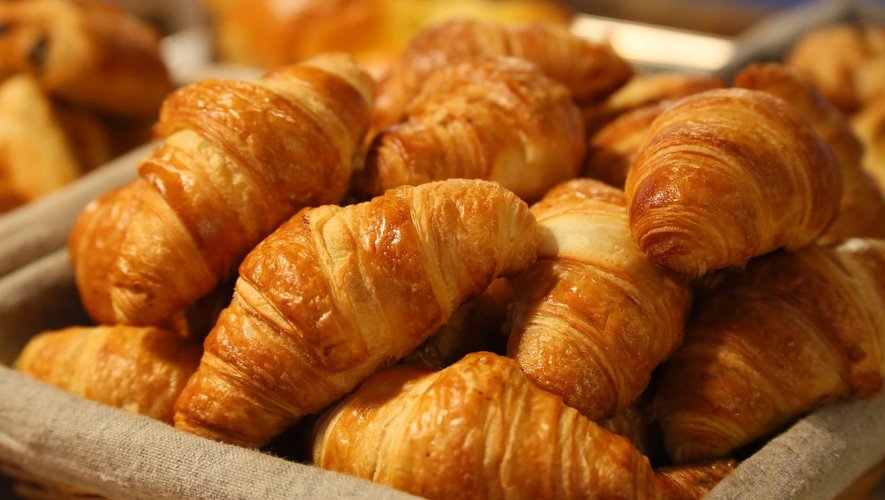

Flour varieties and their visual impacts
Choosing the Right Flour for Texture and Color
The selection of the flour is crucial in determining the texture, color and taste of bread. For artistic creations, flour wheat T45 is often favored for its fineness and its ability to produce a smooth and homogeneous dough, essential for sophisticated decorative breads. However, to add a rustic dimension or a different taste profile, flours like Spelt flour, there Rye flour or the wholemeal flour can be used.
Use of alternative flours for originality
The incorporation of non-conventional flours such as corn flour chestnut, flour buckwheat or flour quinoa enriches breads with unique flavors and distinctive colors. These flours can also change the texture of bread, providing crisper crusts or softer crumbs, ideal for creating artistic pieces.
Combination of flours for increased complexity
Mixing different varieties of flours can not only adjust the taste and texture, but also create surprising visual effects in the finished product. For example, a mixture of white flour and wholemeal flour can give a marbled appearance to bread. It is important to test proportions to balance flavors and ensure adequate rise.
FAQs
1. What flour is best for decorative bread with a golden crust?
T55 or T65 wheat flour is ideal for obtaining a beautiful golden crust thanks to its balanced gluten content, which helps develop a robust structure while remaining aesthetic.
Yes, it is possible to mix wheat flour with gluten-free flours like rice or corn flour for creative results. However, the workability of the dough may be different and require adjustments to moisturizers and binders.
Using naturally colored flours such as buckwheat flour, which provides a gray tint, or chestnut flour, which provides a light brown color, can visually enrich bread without resorting to artificial colors.
Articles sur le même Sujet


The use of natural dyes in decoration
The Basics of Natural Colors in Baking
Decorating bread requires both a creative and technical approach. THE natural dyes present themselves as a healthy alternative to artificial colors. Pigments of plant origin such as beetroot for red, spinach for green or even curcumin for yellow, offer a palette of bright and attractive colors.
Color Application Techniques for Artistic Breads
The application of natural colors in the manufacture of artistic breads can vary depending on the texture and desired color. Incorporating these dyes into the dough, using sprays or brushes to paint the surfaces, are all methods of personalizing the appearance of your creations. A tip is to mix these pigments with liquids in the recipe for even distribution.
Visual and Nutritional Impact of Natural Colors
The use of natural dyes not only serves the aesthetics of the bread but can also enrich its nutritional value. For example, spirulina, in addition to tinting blue, is rich in proteins and antioxidants. This dual functionality makes the breads not only beautiful but also beneficial for health.
FAQ on Decorating Breads with Natural Colors
What are the benefits of using natural colors in artistic baking?
Natural colors offer a healthier alternative to artificial colors. They allow you to obtain vibrant colors without the addition of chemicals, while being able to enrich bread with vitamins and minerals.
How to fix natural colors on bread?
For better fixation of natural dyes on bread dough, they can be mixed directly with liquid elements of the recipe or applied to the surface and cooked at optimal temperatures which allow the color to be deposited effectively while retaining its properties.
How long do naturally colored breads last?
In general, breads decorated with natural colors have a similar shelf life to traditional breads. However, the presence of certain additional ingredients, such as fresh fruits or vegetables for the coloring, can alter this durability. Good storage practice must be maintained to maximize freshness.
Articles sur le même Sujet
Perfect cooking: Temperature and time to enhance your work
Understand the importance of cooking in the art of baking
Cooking is one of the most critical aspects in creating artistic breads. It not only influences the texture and flavor of the finished product but also plays a major role in the visual appearance of the bread. Precise control of temperature and cooking time is essential to allow the decoration to remain intact and stand out.
Specific baking techniques for decorated breads
For breads decorated with patterns or inlays, it is recommended to adopt a cooking method at a lower temperature than that used for traditional breads. This helps preserve the details and colors of the applied decorations. Additionally, using steam at the start of baking can help develop a thinner, shinier crust, which enhances the appearance of the bread.
The addition of steam is crucial because it delays the formation of the crust, allowing the dough to continue to rise and fully express the previously shaped patterns or inscriptions. Once the surface begins to harden, reduce the steam and finish cooking dry to obtain a golden and crispy crust.
Choosing the right equipment for optimal cooking
The use of suitable equipment is essential for successful cooking of decorative breads. Deck or steam ovens are particularly recommended for this type of product. They offer uniform heat distribution and the ability to effectively control humidity, key elements for the success of aesthetically pleasing breads.
It is also beneficial to use baking stones or steel plates, which store heat and release it consistently, ensuring even cooking from the bottom to the top of the bread. These tools help create a solid and stable base, essential when working with complex shapes and designs.
Artistic Bread Baking FAQs
What is the ideal temperature for baking decorated bread?
The ideal temperature is generally between 220°C and 230°C, but this can vary depending on the size and density of the bread. The important thing is to monitor the cooking and adjust the temperature according to the coloring and preservation of the decorative details.
How long should steam be applied when cooking?
It is recommended to apply steam during the first 10 minutes of cooking. This helps develop a thinner, shinier crust, while still allowing the dough to expand properly.
What equipment is recommended for baking decorated breads?
Deck and steam ovens are best suited for this task. They allow precise control of temperature and humidity, two crucial factors to ensure that decorations remain clearly visible and attractive after cooking.
Inspiration and creativity: Get inspired to innovate in artistic baking
Exploring the Frontiers of Creativity in Bakery
Artistic baking is a field where innovation and creativity meet to transform basic products like bread into ephemeral works of art. There decoration of breads is not limited to aesthetics; it also encompasses techniques that can influence the texture and flavor of the final product. Let’s delve deeper into the methods that allow us to push the limits of the art of baking.
Advanced Modeling and Sculpture Techniques
The first step for successful decoration lies in modeling and sculpting the bread before baking. Artisan bakers use special knives, called baker’s blades or grignettes, to incise designs that go well beyond simple cuts. These designs can include intricate designs inspired by nature, abstract symbols, or even narrative scenes. Each incision must be precise to ensure that the bread maintains its shape and structure while bringing out the desired pattern.
Choice of Flours and Effects on Texture
The selection of the flour plays a crucial role in the design of artistic breads. Strength flour, for example, is ideal for sculpted loaves because it offers better hold and elasticity, which allows the patterns to remain intact after baking. Bakers can also experiment with flour blends like rye, spelt or wholemeal flour to create color contrasts and varied textures in their creations.
Integration of Ingredients to Accentuate the Decoration
Besides contouring, strategic use of ingredients like sesame, poppy, or sunflower seeds can add both texture and aesthetics. These additions should not be random but designed to complement the patterns incised on the bread. For example, a floral design can be accented with seeds in the center of each flower to mimic the core of the petals, thereby increasing the visual dimension of the work.
Cooking Techniques and Color Variation
Mastery of baking is essential to successfully decorating bread. Precise firing can create color variations that highlight the different incised patterns. Playing with temperature and baking time can transform the crust into a palette of golden browns, deep browns, and even coal black, depending on the desired intensity. This mastery allows us to create a work that captures the eye as much as the palate.
Bread Decorating FAQ
1. What are the essential tools for decorating bread?
To get started with decorating bread, you will need a baker’s blade (grignette), different types of flour, and possibly seeds to embellish your creations.
2. How to maintain the decorative appearance of bread after baking?
It is crucial to make the cuts accurately and choose the right type of flour. Additionally, avoiding sudden temperature variations during cooking can help maintain the decorative appearance.
3. Can food coloring be used to decorate bread?
Yes, but the use of natural colorings such as turmeric for the yellow, or vegetable charcoal for the black, is recommended to add color while retaining the organoleptic qualities of the bread.