


How to obtain even cooking for your special breads?
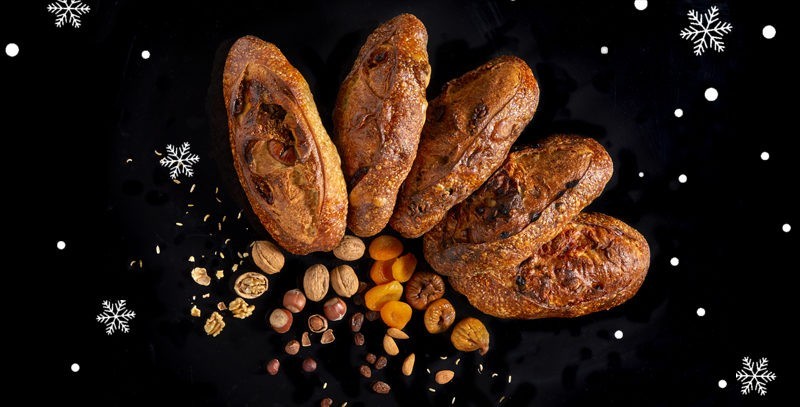

In the demanding world of artisanal baking, mastering the baking of special breads is essential to guarantee impeccable quality and constant satisfaction for lovers of authentic flavors. In this article, we’ll explore advanced techniques and professional tips for getting your breads evenly and perfectly baked, emphasizing the importance of controlling temperature, humidity, and timing. Whether you aspire to perfect your skills or impress with unique creations, these tips will guide you to enhance the aromas and textures of your baking creations.
Choosing the right oven for perfect cooking
The essential criteria to consider for an efficient oven
The selection of a suitable oven is crucial to achieve even cooking. Certain criteria are essential when purchasing, such as the type of heater used, the capacity, and the integrated features.
It is important to choose between a convection oven and a traditional oven. THE convection ovens use a fan to distribute heat evenly across the oven cavity, ensuring a more even cooking and fast. It is ideal for pastries and pastries that require perfect browning and precise cooking.
The capacity of the oven must also be adapted to your needs. A larger oven allows you to cook several dishes simultaneously, while a compact oven may be sufficient for smaller uses.
Modern technologies to optimize cooking performance
Technological advancements have allowed modern ovens to offer various features that enhance the cooking experience. For example, some ovens are equipped with thermal probes which allow precise control of the internal temperature of foods, which is crucial for recipes requiring extreme precision.
Furthermore, the automatic programs and specialized cooking settings can make a significant difference. These programs adjust the temperature and cooking time parameters according to the type of dish, eliminating guesswork and ensuring consistently satisfactory results.
Importance of quality and sustainability
Investing in a high-quality oven is also vital. The materials used, such as stainless steel, not only ensure efficient heat distribution, but also contribute to the longevity of the device. A well-insulated oven preserves heat and optimizes energy consumption.
It is advisable to check the warranty offered by the manufacturer, which is often indicative of the durability and reliability of the oven. Good after-sales service can also be crucial if maintenance or repairs are needed.
FAQs
1. What is the difference between a convection oven and a traditional oven?
A convection oven uses a fan to distribute heat evenly, making cooking faster and more even. A traditional oven heats food primarily through radiation, which can result in less uniform cooking.
2. How do you know if an oven is well insulated?
Check product specifications and user reviews. A well-insulated oven generally uses less energy and maintains a stable temperature, which helps with even cooking.
3. How long can a quality oven last?
A good quality oven can last between 10 to 15 years or more, depending on use and maintenance. Opting for recognized brands and following maintenance instructions are key practices to extend the life of your oven.
Articles sur le même Sujet
Control of temperature and cooking time
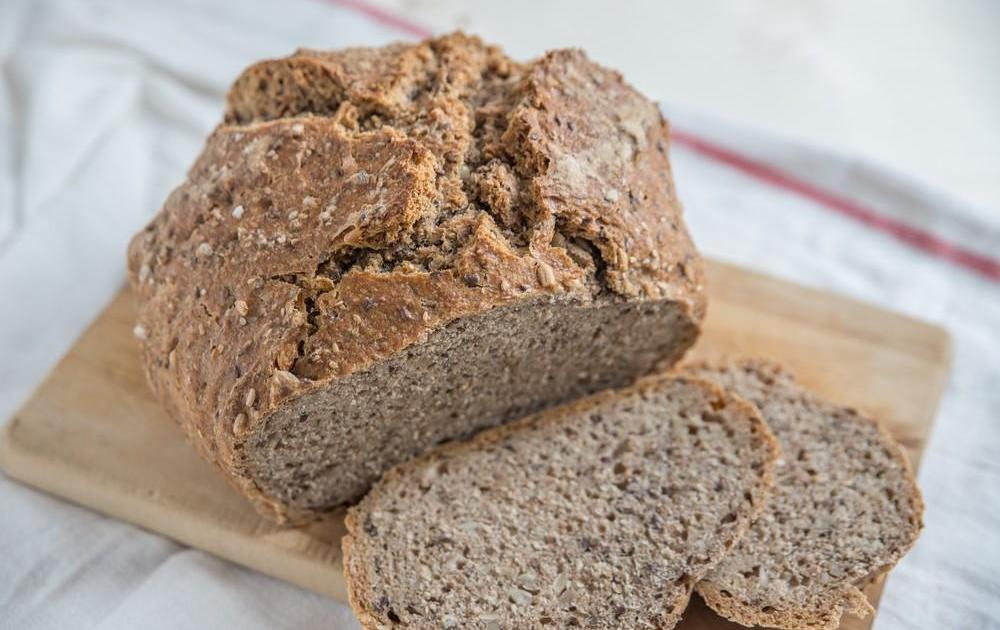
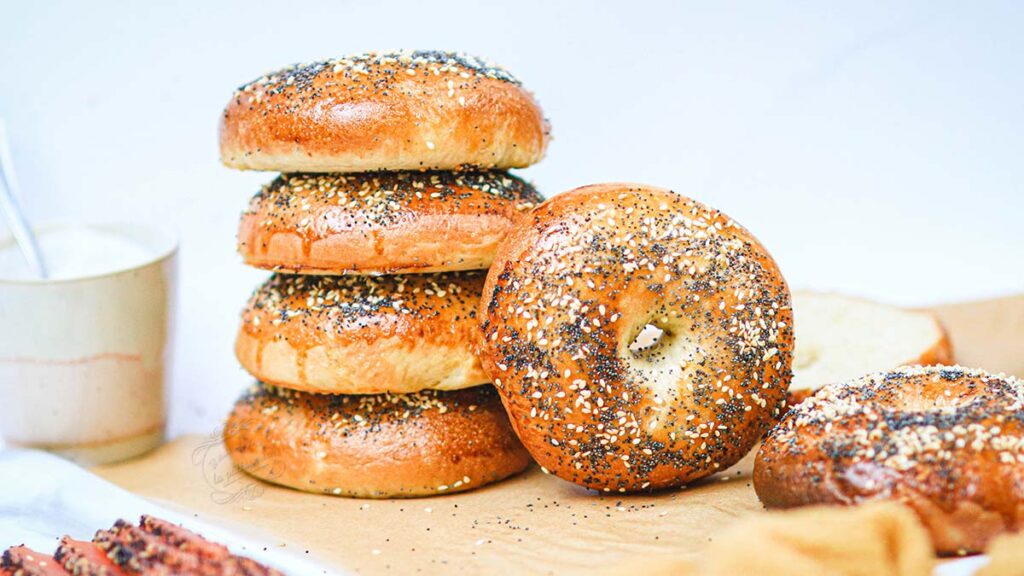
In the field of bakery and pastry, one of the keys to obtaining quality products is the mastery of cooking. This involves precise control over two crucial parameters: temperature and the cooking time. These two elements are fundamental to guarantee even cooking of your pastries, bread, or other bakery products.
Cooking Temperature Fundamentals
The temperature within the oven is one of the most influential aspects on the texture, color, and volume of the final product. A properly adjusted temperature helps catalyze the necessary chemical reactions, such as the caramelization of sugars and the coagulation of proteins. For breads, a temperature between 220°C and 250°C is often recommended, while for delicate pastries, such as macaroons or sponge cakes, temperatures around 160°C to 180°C are preferable.
Precise adjustment of cooking time
The cooking time must be adjusted according to the type of product, its density, and the amount of steam present in the oven. Insufficient cooking time can leave a raw product in the center, while excessive time can cause a loss of texture and even make it vulnerable to charring. Using timers and knowing oven-specific variations are essential to preventing these pitfalls.
Techniques for even cooking
- Preheating the oven : It is crucial to preheat the oven to the desired temperature before adding your products. This ensures that the cooking temperature starts evenly as soon as the dough or preparation is introduced.
- Positioning in the oven : Placing products in the center of the oven can help achieve more even cooking. Avoiding areas too close to heating elements is also crucial.
- Rotation of the cooking plates : In the case of less homogeneous ovens or when cooking in large quantities, it is recommended to rotate the trays halfway through cooking.
These cooking techniques, combined with each other, help to obtain a perfectly cooked finished product, both on the surface and in the heart.
FAQs
1. What is the ideal temperature for baking bread?
For most breads, a baking temperature of 220°C to 250°C is ideal. This allows for adequate rising and a crispy crust.
2. How do I adjust the cooking time if I have a convection oven?
With a convection oven, it is often recommended to reduce the cooking temperature by 20°C compared to a conventional oven and to regularly monitor cooking to adjust the necessary time.
3. Is it necessary to preheat the oven for all types of cooking?
Yes, preheating the oven is essential. This ensures that the cooking temperature reaches a stable and uniform level, which is crucial for successful cooking.
Articles sur le même Sujet


Using steam in baking bread
The Fundamentals of Steam Cooking
There steam cooking in the bakery offers more precise control of heat and humidity, crucial elements in achieving a crispy crust and an soft crumb. This process begins when the bread is introduced into a preheated oven, where the transformation of water vapors into moist heat envelops the dough, allowing uniform expansion without drying out the surface.
Constant maintenance of the temperature thanks to the steam cooking ensures that the rising process is not interrupted prematurely, thus promoting a regular honeycomb structure. Additionally, this technique activates the enzyme called amylase, which breaks down starch into sugar, enhancing the natural flavor of the grains.
Role of Steam in Elasticity and Texture
The controlled presence of steam at the start of cooking plays a vital role in preserving the elasticity of the dough. A moist surface is less likely to crack, providing uniform expansion as the crust begins to form. This allows the gases emanating from fermentation to push the dough, improving the texture by forming an airy and well-developed crumb.
Additionally, moisture delays crust formation, allowing more time for maximum rising to occur before the crust becomes too stiff to allow any further movement of the dough.
Improved Aromas and Flavors
The process of carmelization and the development of color thanks to steam also help to enrich the flavors of the bread. THE Maillard reaction, induced by moist cooking, allows a richer and more complex distribution of aromas while improving the golden appearance of the crust.
By extending the humidified cooking period, steam promotes optimal flavor development, allowing the subtle flavors of different flour types to be fully expressed in the finished product. External vaporization helps preserve these characteristics by sealing the flavors inside the bread.
Frequently Asked Questions
- What is the difference between baking bread with and without steam?
Cooking with steam allows you to control temperature and humidity, making the crust crispier, the crumb more tender and the flavors more developed. Without steam, the bread may become hard and less flavorful. - How long should you keep the steam in the oven?
Generally, steam is needed at the start of cooking for about the first 10 to 15 minutes, which is crucial for developing a nice crust and airy crumb. - Can I use a household oven for efficient steam cooking?
Yes, you can insert ice cubes or a broiler pan with hot water at the bottom of the oven to generate steam. Be sure to close the oven door quickly to trap the steam.
Articles sur le même Sujet
Importance of kneading and fermentation
The Fundamentals of Manual and Mechanical Kneading
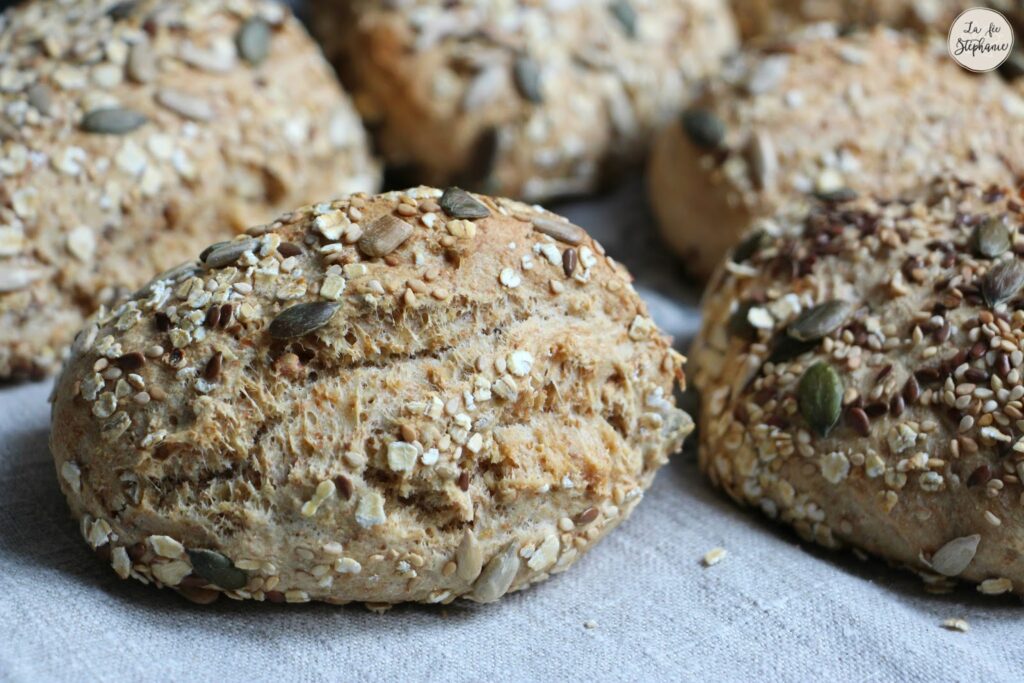
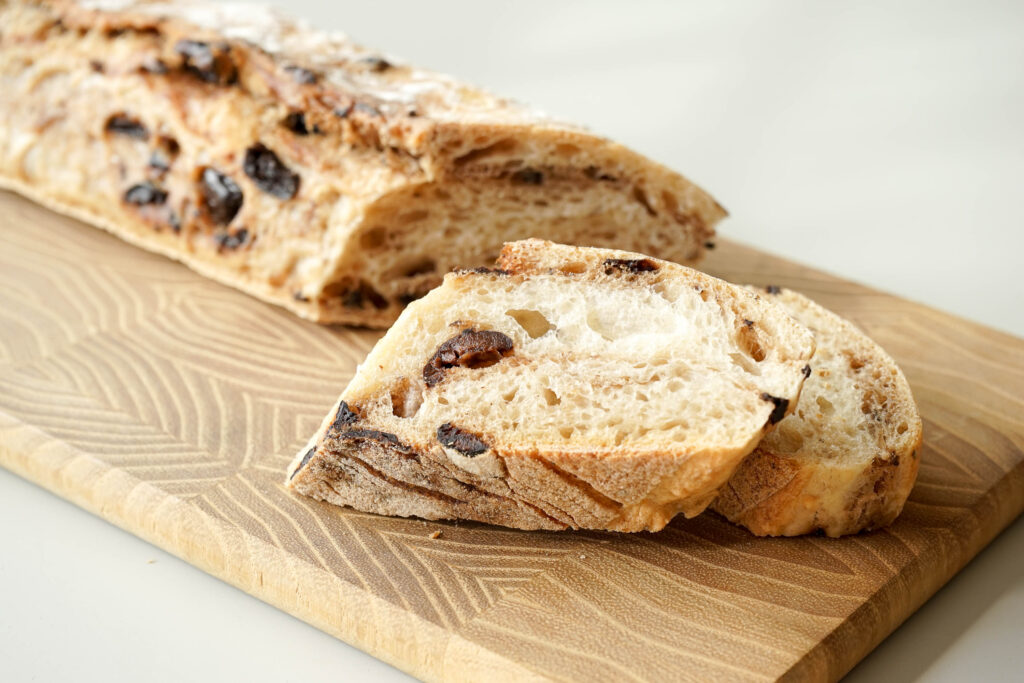
Kneading is a crucial step in the preparation of yeast doughs. It consists of energetically working the dough to develop the gluten network, which is essential to the structure and texture of the finished product. Kneading can be done manually or using a kneading robot. In artisanal baking, manual kneading allows more intuitive control of dough texture, while mechanical kneading provides excellent uniformity and repeatability for larger productions.
It is essential to knead the dough until it becomes smooth and elastic. This facilitates the formation of carbon dioxide during fermentation, essential for good volume development of the bread.
Fermentation Optimization
Fermentation is a biological process where yeasts transform the sugars present in flour into alcohol and carbon dioxide. The latter is particularly important because it not only helps to expand the dough but also to develop complex aromas and desired textures. Temperature, humidity, standing time, as well as the quality of the starter or yeast used, all play a crucial role in controlling fermentation.
- Temperature: a temperature around 24°C to 27°C is ideal for the majority of doughs.
- Humidity: a humid atmosphere promotes better rising and prevents the surface of the dough from drying out.
- Time: sufficient resting time allows complete fermentation, influencing the texture and flavor of the bread.
Controlling these parameters allows the fermentation process to be manipulated to achieve specific results, tailored to the type of bread desired.
Cooking Management for a Perfect Crust and Crumb
Baking is the final phase where all the kneading and fermentation efforts take shape. Even cooking is essential to guarantee a golden and crispy crust as well as an airy and light crumb. The use of a stone oven or an oven with a steam option can greatly improve the quality of cooking. Steam at the start of the baking process helps keep the crust soft while the crumb continues to develop, resulting in optimal volume and a perfectly developed crust.
Temperature adjustment and time monitoring are decisive. Too high a temperature can cause a burnt crust, while too low a temperature may not be enough to properly rise the dough.
FAQ about Kneading and Fermentation
1. How long should I knead dough by hand?
Hand kneading time generally varies between 10 and 15 minutes, until the dough is smooth and elastic.
2. What is the difference between slow and fast fermentation?
Slow fermentation, often carried out in the cold, allows for a deeper development of aromas and better conservation. Rapid fermentation is usually done at room temperature and results in bread being ready more quickly.
3. How do I know if my bread is cooked enough?
Bread is generally considered done when its internal temperature reaches around 98°C (208°F). Another method is to tap the bottom of the bread; if it sounds hollow, it’s probably cooked.
Articles sur le même Sujet

Selection of ingredients for better bread quality
Identification and choice of quality flours
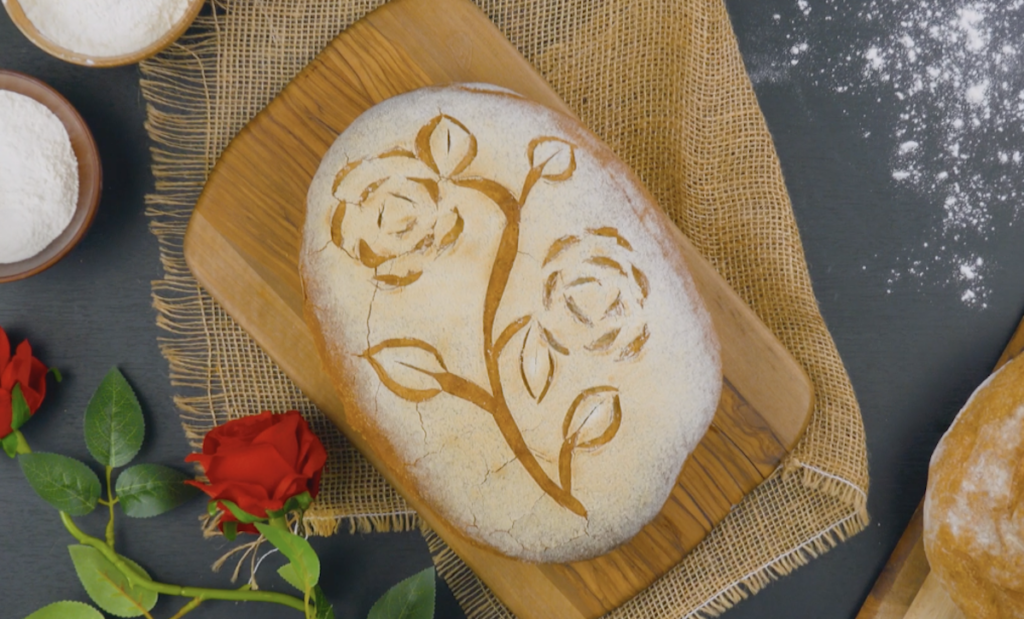
The choice of flour is decisive for obtaining superior bread quality. For a even cooking and an exceptional final product, the use of flours rich in gluten, such as wheat flour type T55 or T65, is recommended. These types of flours promote good elasticity and retain air effectively, contributing to better rising of bread.
It is also imperative to consider the freshness of the flour. Freshly ground flour will not only ensure a more flavorful taste but also a better reaction with the yeast. The origin of the flour plays an equally crucial role; Opting for flours from organic farming can guarantee the absence of harmful chemicals, positively impacting the flavor and nutritional qualities of the bread.
Optimization of dough hydration
Dough hydration significantly affects the texture and baking of bread. An appropriate hydration level, generally between 60% and 70% for traditional breads, is essential to ensure uniform heat distribution when cooking. Properly hydrated dough also facilitates good development of the glutinous network, essential for the structure of the bread.
The quality of water used for hydration should not be neglected. Filtered or spring water, free of chlorine and heavy minerals, can improve the taste of bread and promote more efficient yeast fermentation.
The influence of yeast or sourdough
The choice between yeast and sourdough is also fundamental in the selection of ingredients. Sourdough, a natural ferment, enriches bread with a distinctive and complex flavor and improves its preservation. Using an active, well-maintained sourdough starter is crucial for proper fermentation and successful cooking.
Baker’s yeast, on the other hand, is more predictable and faster in the rising process. It is ideal for large-scale productions where regularity and speed of production are necessary. However, for those passionate about authentic flavors and traditional methods, sourdough remains the preferred choice.
FAQs
How important is the type of flour in baking bread?
The type of flour influences the structure, texture, and ability of the bread to rise well during baking. A high-quality flour rich in gluten will promote better elasticity and air-holding capacity.
How does hydration affect bread quality?
A good level of hydration allows the dough to rise better and cook more uniformly by correctly ensuring the development of the glutinous network. This results in a bread with an airier crumb and a more satisfying crust.
Sourdough or yeast: which is the best choice?
The choice depends on your flavor and texture preferences, as well as the manufacturing method. Sourdough offers greater aromatic complexity and better preservation, while yeast guarantees rapid and efficient rising.
Tips to avoid common baking mistakes
Oven temperature optimization
Even cooking begins with perfect control of the oven temperature. Before you start baking, it is crucial to preheat the oven to an appropriate temperature, generally between 220°C and 240°C for most breads. Using an oven thermometer can help ensure that this temperature is precisely reached and maintained.
Arrangement of products to be cooked
The position of the loaves on the oven floor, as well as their spacing, play a fundamental role in the regularity of cooking. Arranging the buns so that they are not too close together allows for optimal circulation of hot air. For domestic ovens, avoid completely filling the rack and prefer to leave space around each product.
Use of steam
Inject steam at the start of cooking can greatly contribute to more even cooking. Steam creates a moist environment that helps build bread volume and achieve an evenly golden crust. This is particularly effective for breads with a thick crust such as baguette or country bread.
Rotation of the cooking plates
In ovens where heat is not evenly distributed, rotating the baking sheets or racks halfway through cooking can help. This technique helps compensate for temperature variations inside the oven, ensuring that all parts of the bread cook at the same rate.
Control of cooking times
Each type of bread requires a specific cooking time which, if correctly respected, promotes even cooking. It is important to monitor cooking and adjust times according to the specific characteristics of the oven and the dough used.
Bakery Baking FAQs
- How important is the temperature of the water in the dough for even cooking?
Water temperature affects yeast fermentation. Water that is too hot or too cold can unbalance this process, affecting the texture and evenness of bread baking. - How to prevent bread from burning on the top or bottom when baking?
Use a thermometer to check the internal temperature of the oven and adjust if necessary. Also place aluminum foil or another rack halfway up to avoid direct exposure to the oven’s heating elements. - Is it necessary to spray all types of pastes?
No, spraying is mainly beneficial for crusty breads. Softer doughs or recipes containing fat such as certain brioches do not necessarily require it.