


How to obtain perfect filling for your sweet breads?
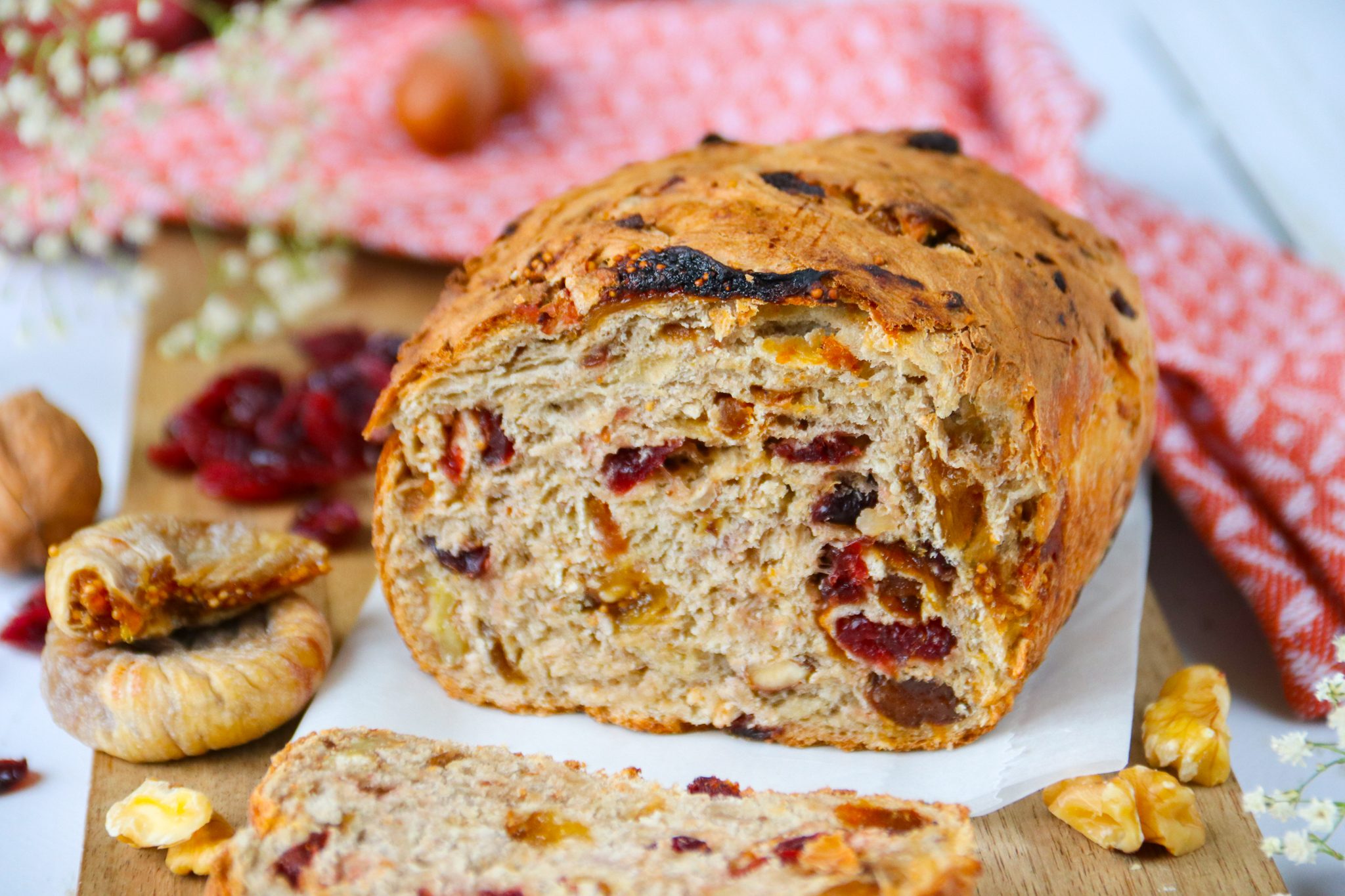

In this article, we explore the essential techniques for mastering the art of filling in sweet bread making. From selecting ingredients to controlling temperatures and cooking times, discover how to enhance your breads with tasty, perfectly integrated fillings that will transform each bite into a delectable experience.
Choice of ingredients for successful forage
In the art of baking and pastry, the feed plays a vital role in bringing flavor and texture to your creations. Careful selection of ingredients is essential to obtain a result that meets your expectations. Here are tips for choosing the best ingredients.
Fruits: Freshness and Variety
The use of fresh fruits is the key to a successful filling when you want to incorporate a fruity touch into your recipes. Opt for seasonal fruits to benefit from their optimal taste and ideal texture. For example, raspberries or blueberries for a filled croissant, or fresh mango for exotic tarts. Choose organic fruits to avoid pesticide residues.
Chocolates and Cocoas: Richness and Intensity
The choice of chocolate is crucial for fillings such as ganaches or mousses. A couverture chocolate, with a high percentage of cocoa, guarantees proper melting and a deeply chocolatey taste. A good dark chocolate can offer depth and complexity of flavors, while a milk chocolate will offer smoothness and creaminess.
Creams and Butters: Smoothness and Stability
The quality of the cream used in creamy fillings is essential. A full-fat cream with a high percentage of fat will provide hold and a creamy texture. Butter, preferably churned or AOP, adds an undeniable richness and contributes to the structure of the filling, particularly in buttercream or pastry recipes.
Spices and Flavors: Subtlety of Flavors
The addition ofspices and aromas can transform a basic filling into an exceptional gastronomic creation. Vanilla, in the form of a pod or extract, remains a classic for enhancing creams. Spices like cardamom, saffron or ginger can also be considered for more daring creations.
FAQs
- What is the best type of fruit to use for summer fodder?
In summer, opt for fruits like strawberries, cherries or peaches, which are in peak season and offer maximum freshness and flavor. - How to choose the right chocolate for a type of filling?
Opt for a couverture chocolate for the ganaches, checking the cocoa percentage according to the desired richness. For a softer filling, milk chocolate or chocolate with hazelnuts can be a wise choice. - Is it better to use raw butter or churned butter for fillings?
Churned butter is recommended for fillings because it offers a stronger taste and better consistency thanks to its traditional manufacturing method.
Articles sur le même Sujet

Fodder preparation techniques
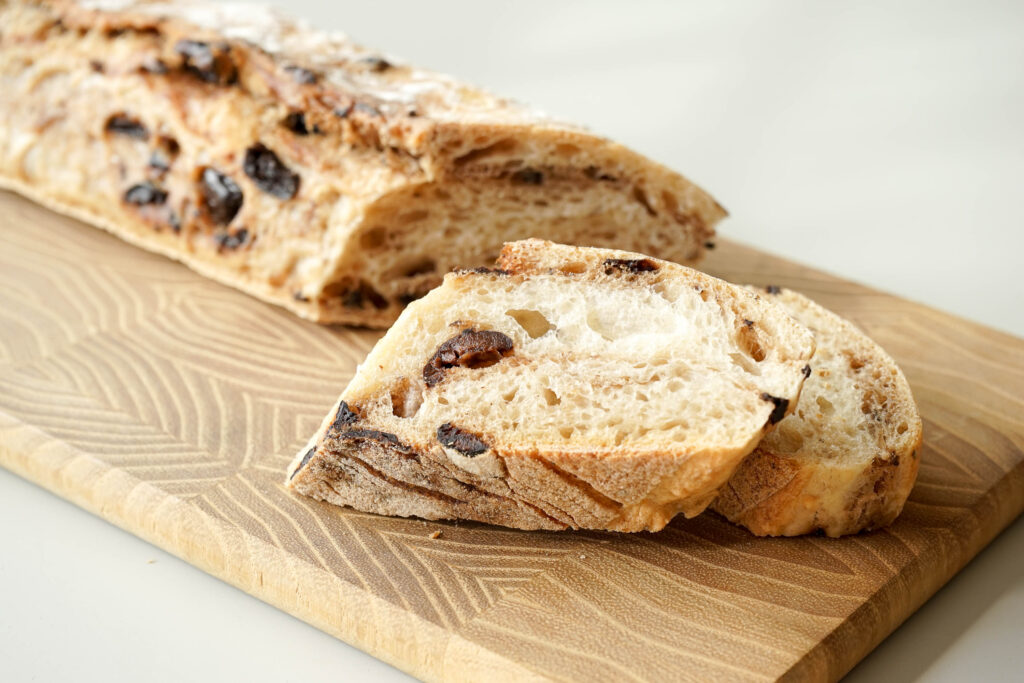
The art of preparing feed is crucial for successful high-quality pastries. This technique requires a thorough understanding of the ingredients and precision in their handling in order to obtain the desired consistency and taste. Let’s look at some essential methods for concocting exceptional forage.
Optimization of Ingredients
The selection of ingredients is the essential first step. For tasty and textured fodder, it is essential to use fresh, quality products. The fruits must be ripe but firm, the dairy products very fresh, and the choice of flavorings, such as essences or zest, must be made with discernment to strengthen the taste profile of the forage without overpowering.
- Fruits: purees, pieces or candied.
- Creams: pastry, butter or whipped cream.
- Additional flavors: vanilla, rum, citrus zest.
Master the Basic Techniques
There cooking and the blend are two pillars of fodder preparation. For example, for a custard, controlling the temperature and cooking time are vital to avoid egg coagulation. Added to this is the importance of mixing; Improper whisking can leave lumps or change the desired texture of the filling.
Settings and Consistency
Adapt the consistency fodder according to its use is fundamental. A filling for cabbages will be different from that used for pies. Adjusting the quantity of gelatin or agar-agar, for example, allows you to modulate the firmness of the filling so that it maintains its shape while remaining smooth in the mouth.
Conservation and Use
Proper storage also contributes to forage success. Refrigerating under optimal conditions and using the forage within an appropriate time frame will ensure freshness and flavor. It is essential to cover the containers tightly to prevent the fodder from absorbing unwanted odors and drying out.
FAQs
What is the best type of fruit to use for fodder?
Fresh or frozen fruits are ideal for making fodder. Make sure they are firm and of good quality to avoid excess water during cooking.
How long can fodder be kept in the refrigerator?
Most forages can be kept for 3 to 5 days if kept in adequate refrigeration conditions and well protected.
Can prepared fodder be frozen?
Certain types of filling, such as compotes or butter-based creams, can be frozen. However, it is important to note that the texture may change slightly after thawing.
Articles sur le même Sujet

Effective incorporation of filling into the dough
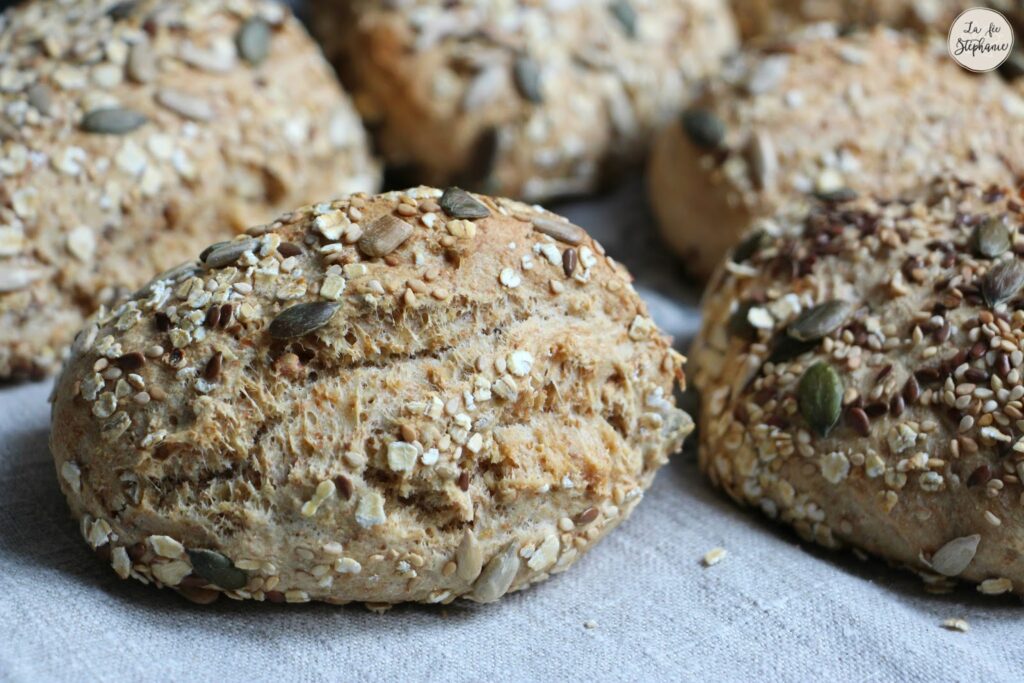
The incorporation of feed in dough is a crucial technique in baking, often used to enrich flavors and improve the texture of final products. This process requires special attention to ensure the uniform distribution of the filling and the preservation of the quality of the dough.
Choice of fodder and preparation
Forage selection is the first determining step. These can be fruits, creams, or savory toppings like cheese or herbs. Each type of filling influences the characteristics of the dough differently. For sweet additions, it is crucial to consider the moisture provided by fruits or creams, which can affect the texture of the dough. Dry or less humid fillings such as certain cheeses or candied fruits are generally easier to integrate without altering the structure of the dough.
Embedding techniques
For effective incorporation, several techniques can be used depending on the nature of the dough and the filling. THE kneading is one of the most common methods, allowing uniform distribution of forage. Another method is to roll out the dough and arrange the filling before rolling or folding the dough, which is often used for flaky pastries or croissants.
- Make sure the filling is evenly distributed to avoid overcrowded areas that could cause uneven cooking.
- Adjust the temperature of the dough and filling to prevent the dough from becoming too soft or the filling from leaking during the kneading process.
Impact on fermentation and cooking
The introduction of filling into the dough can also influence the processes of fermentation and cooking. Sugars in some fillings can activate yeast and affect the required rising time. It is essential to control temperature and humidity during fermentation to optimize flavor and texture development. Cooking should be adjusted according to the nature and quantity of the filling, as some ingredients may require lower or higher heat to avoid burning or remaining raw inside.
Optimization of texture and flavor
In addition to technical adjustments, the incorporation of the forage must also aim to optimize the texture and flavor of the finished product. This can be achieved by balancing flavors and choosing fillings that complement the dough. For example, an acidic filling like lemon can be offset by a sweet paste, creating a pleasant contrast that delights the palate.
Ultimately, effective forage incorporation is a delicate balance between art and science, requiring a thorough understanding of the characteristics of the ingredients and the physicochemical reactions involved.
FAQs
- When is the best time to add the filling to the dough?
Ideally, the filling should be added after the dough has been kneaded and before it begins to ferment. This allows for even distribution without disrupting the proofing process. - How to prevent wet filling from making the dough too sticky?
It is recommended to drain fillings that are too wet or wrap them lightly in flour to absorb excess moisture before incorporating them into the dough. - Can we incorporate several types of fillings into the same dough?
Yes, but you must be careful to choose fillings that are compatible with each other and with the dough to maintain a balance of flavors and a good texture.
Articles sur le même Sujet
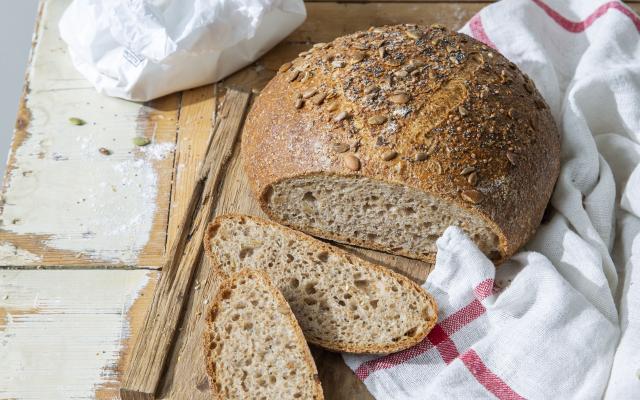
Varieties of filling for sweet breads
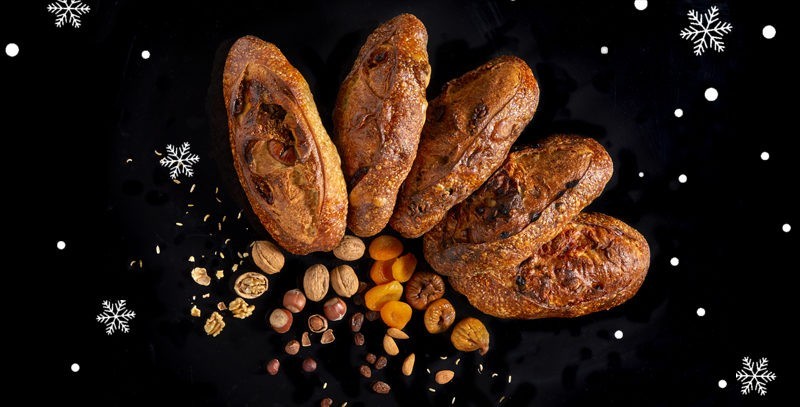
At the heart of bakery craftsmanship, fillings for sweet breads play a crucial role, bringing both unique texture and flavor to each creation. The use of varied fillings allows artisans to distinguish themselves through their originality and to offer a constantly evolving taste experience. Let’s look at the different options feed available to enrich sweet breads.
Fruit-based fillings
Fruits offer a range of natural flavors and textures that lend themselves perfectly to fillings. Among the most popular are:
- Applesauce : sweet and subtly tangy, it brings a soft texture to breads.
- Raspberry jam : known for its lively taste and its rich taste, it goes well with brioche pasta.
- Mango puree : exotic and creamy, it infuses breads with a refreshing tropical touch.
Each of these fillings can be adjusted in terms of sugar, according to preferences and nutritional goals, allowing complete customization of bread recipes.
Cream-based fillings
Pastry creams and their derivatives offer a rich texture which contrasts pleasantly with the softness of sweet breads. Here are some popular variations:
- Custard : classic and creamy, perfect for a smooth and rich texture in the mouth.
- Chocolate ganache : intense and luxurious, it is suitable for chocolate lovers looking for depth and sophistication.
- Almond cream : slightly grainy, it adds an interesting taste dimension, especially when combined with fruit.
Innovative fodder
In response to the growing demand for innovative and unique products, artisan bakers can explore daring combinations. For example :
- Salted caramel : a fusion of caramelized sweetness with a pinch of salt, ideal for a filling that surprises the palate.
- Citrus curds : whether lemon or orange, these preparations offer an explosion of tangy, refreshing and vibrant freshness.
- Spiced marzipan : by incorporating spices like cinnamon or cardamom, marzipan can transform an ordinary bread into a festive specialty.
These forage choices are just a taste of the endless possibilities. They give bakers the flexibility to respond to both local preferences and global culinary trends.
Articles sur le même Sujet

Tips for Balancing Flavors and Textures
Understanding Flavor Fundamentals
The success of a harmonious combination of flavors and textures in forages starts with understanding the basic flavor profiles: sweet, salty, sour, bitter and umami. Identifying the role of each flavor helps balance tastes without allowing one to unnecessarily dominate the others. For desserts, for example, a balance between intense sweetness and a touch of acidity can create a pleasant taste complexity.
Choice of Ingredients for Complementary Textures
The choice of ingredients plays a crucial role in the balance of textures. Varying textures between crispy, creamy, and soft in the same filling can transform an ordinary pastry into a memorable taste experience. For example, adding fresh fruit with creamy creams or incorporating nuts for a crunchy element can significantly improve the structure of the finished product.
The Importance of Counterbalance in Flavors
Introducing a counterbalance in flavors is essential to tone down the intensity. Using salt can enhance mild flavors and help neutralize excessively sour flavors. Conversely, a touch of sugar can sweeten an overly salty or bitter component, making the final product more palatable.
Mixing and Incorporation Techniques
The method of integrating ingredients also significantly affects their taste and texture. Gentle incorporation is often necessary to maintain the lightness of airy preparations, while for other recipes vigorous mixing may be required to even out flavors and textures. Understanding these techniques is essential to preparing successful forages.
Test, Taste and Adjust
It is through regular testing and careful adjustment that we can perfectly balance flavors and textures. Tasting your work throughout the process allows you to make adjustments in real time and ensure the finished product achieves the desired balance. Each addition or modification can have a significant impact and therefore must be considered carefully.
FAQs
How to correct a filling that is too sweet? Add a pinch of salt or a few drops of lemon juice to balance out excess sugar.
What ingredients should I add for a crispy texture to the fillings? Consider adding nuts, roasted seeds or Feuilletine for a crunchy effect.
Is it better to prepare the fodder in advance? Preparing the filling in advance can allow the flavors to blend better and intensify, improving its taste profile.
Common Mistakes to Avoid When Preparing Forages
The preparation of fodder is an essential step in the production of quality pastries and pastries. However, several common errors can compromise the final quality of the product.
Improper choice of ingredients
The success of a forage depends on the quality of the ingredients used. Opting for non-seasonal or low quality fruits can affect the taste and texture of the forage. It is crucial to select fresh, high-quality ingredients to ensure optimal results.
Additionally, the disproportionate use of sugar or preservatives can not only alter the taste profile, but also harm the health of consumers. A balance in proportions is therefore imperative.
Incorrect cooking temperature
A common mistake is failure to control the temperature when cooking forages. Too high a temperature can cause excessive caramelization of sugars, while too low a temperature can cause poor water evaporation, resulting in a filling that is too liquid or inhomogeneous.
It is advisable to scrupulously follow the cooking instructions specific to each type of forage to avoid these inconveniences.
Poor conservation
Improper storage of forages can lead to rapid deterioration of quality. Exposing forages to open air, fluctuating temperatures or light can negatively influence their flavor and texture.
Optimal preservation involves temperature-controlled storage and the use of airtight containers to minimize exposure to air.
Neglecting the balance of flavors
A balance of flavors is essential to obtain a harmonious and appetizing filling. Too much of one type of flavor can overpower the others and mask the subtleties of the blend. For example, an overabundance of acidity or sweetness can make the filling unbalanced and less palatable.
It is recommended to always taste and adjust flavors gradually during preparation to ensure a balanced taste profile.