


How to successfully shape bread like a professional?
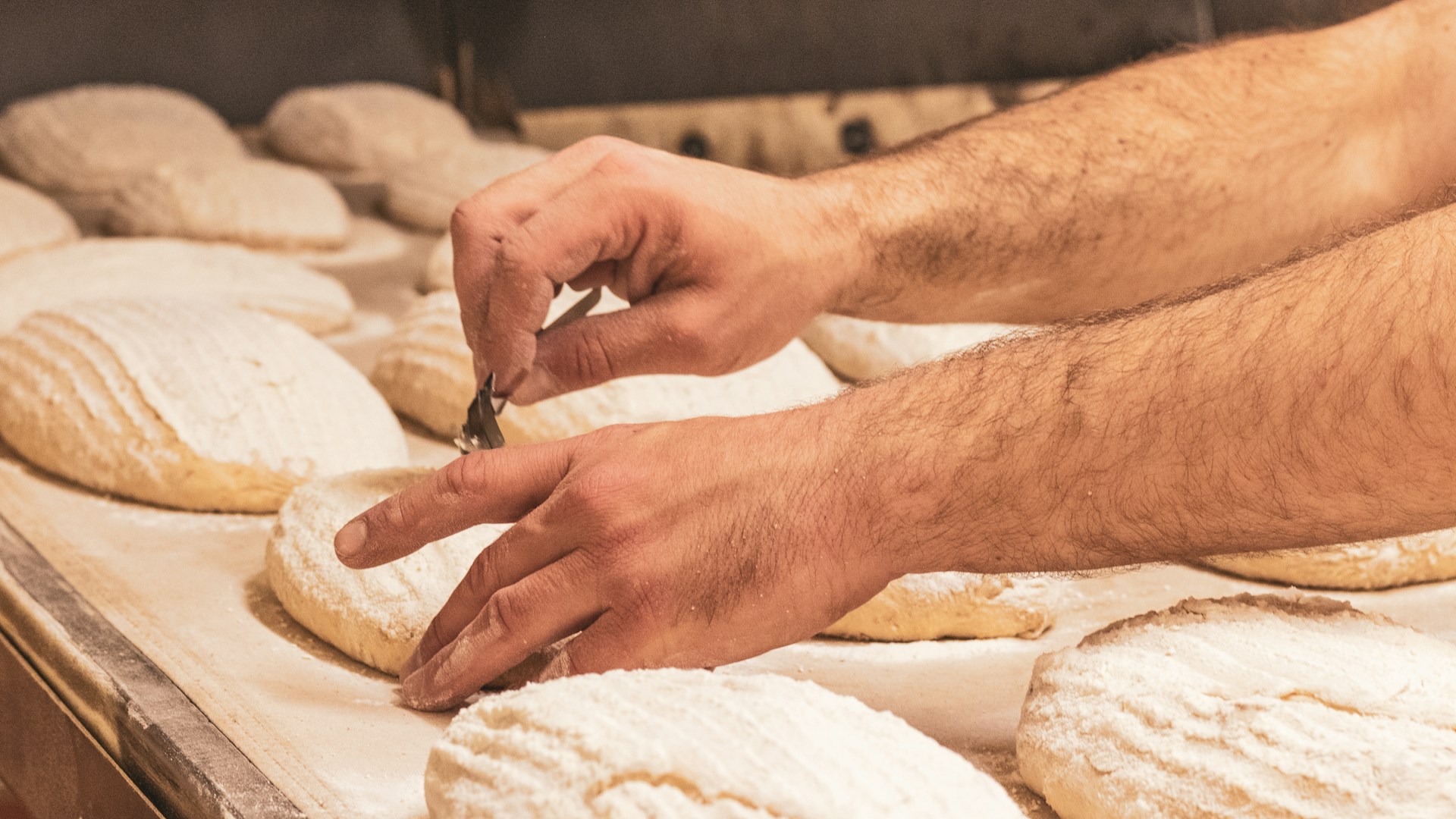

In this article, we’ll dive deep into bread shaping techniques, an essential skill for any baker aspiring to perfection. I’ll reveal proven methods and professional tips for transforming your dough into masterpieces that are as beautiful as they are delicious. Whether you’re a novice or experienced, discover how to master the art of shaping to obtain loaves with the perfect texture and impeccable appearance. Get ready to take your baking to a whole new level with detailed tips and step-by-step instructions for baking success every time.
Choosing the right ingredients for quality bread
Flour: Foundation of Taste and Texture
The choice of flour is decisive in the making of bread. It is essential to select flour suitable for the recipe you wish to make. For a classic bread, T55 or T65 type flour can be used because they guarantee a good structure and an airy crumb. For breads with a more rustic character, such as wholemeal or cereal breads, opt for T80, T110 or T150 type flours, rich in fiber and minerals.
It is also relevant to consider the strength of flour, measured by the W index. Flour with a high W (greater than 300) is ideal for breads requiring long fermentation, such as sourdough bread.
Water: Key to Hydration and Consistency
L’water plays a crucial role in gluten formation and dough consistency. The amount of water needed varies depending on the type of flour used and the humidity of the cooking environment. Spring or filtered water, weakly mineralized, is preferable to avoid possible interactions of minerals with the other components of the bread.
Salt: Essential Flavor Enhancer
THE salt is essential not only to enhance the taste of the bread, but also to strengthen the structure of the gluten and slow down fermentation, allowing better stability of the dough. A quantity of 1.8% to 2% relative to the weight of the flour is generally recommended for an ideal balance.
Yeasts and Sourdoughs: Natural Leavening Agents
There yeast baker or Natural leaven are the most commonly used fermentation agents in baking. Baker’s yeast, fresh or dry, is ideal for a rapid and controlled fermentation process. On the other hand, sourdough requires more attention and time, but brings complexity of taste and better preservation to the bread. The choice between yeast and sourdough will depend on personal preferences and the type of bread desired.
Seeds and Cereals: Additions for Breads with Crunchy Notes
Integrate seeds and other cereals is a great way to enrich the nutritional and taste profile of bread. Flax seeds, sunflower seeds, pumpkin seeds, as well as oatmeal or buckwheat, are popular additions that provide textures and flavors.
FAQ on Ingredients for Quality Bread
What is the difference between T55 and T150 flour?
T55 flour is more refined with less fiber and minerals, ideal for white breads and pastries. T150 is complete, rich in nutrients and fiber, perfect for rustic and rich breads.
Is it possible to replace water with another liquid in bread dough?
Yes, it is possible to use other liquids such as milk, which gives softness and color to the crust, or fruit juices for sweet breads.
How do I know if I used enough salt in my dough?
Salt should represent approximately 1.8% to 2% of the weight of the flour. An accurate scale is recommended to measure the exact amount.
Articles sur le même Sujet

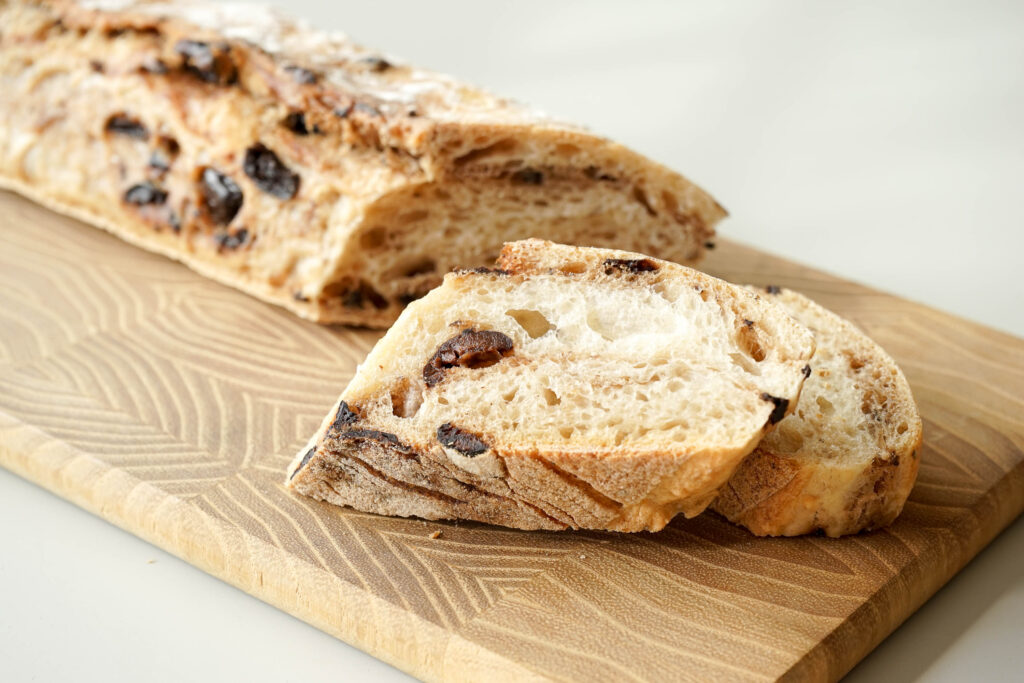
Master essential kneading techniques
THE kneading Bread plays a crucial role in developing the texture and taste of the finished product. For anyone passionate about artisan baking, understanding and correctly applying different kneading methods can radically transform the quality of their breads.
The Fundamentals of Kneading
Before diving into specific techniques, it’s essential to understand what happens during kneading. This step helps align the gluten proteins present in the flour, forming a strong network that will retain the gases released during fermentation. This contributes to the structure and texture of the bread.
Manual vs Mechanical
We generally distinguish kneading manual kneading mechanical. Hand kneading allows for a more intimate connection with the dough, providing precise control over the elasticity and firmness of the dough. It’s also a great way to incorporate air into the dough, essential for proper fermentation.
Mechanical kneading, carried out with a stand mixer or a mixer, is ideal for larger quantities of dough. It allows for homogeneity and regularity that manual kneading can sometimes be difficult to achieve, especially for beginners.
Specific Kneading Techniques
- French Kneading: Also known as “slap and fold,” this technique is vigorous but very effective for quickly developing gluten without overheating the dough.
- Bertinet kneading: This method, popularized by baker Richard Bertinet, involves lifting the dough into the air and banging it against the work surface before folding it back on itself.
- Spiral Kneading: Used with machines, this method rotates the dough, helping the gluten develop evenly and efficiently.
Each of these methods has its own advantages and can be chosen depending on the type of bread you want to make and your comfort level in handling the dough.
Here are some frequently asked questions regarding kneading:
- What is the ideal kneading time?
- Can you overknead the dough?
- What are the signs of sufficient kneading?
These aspects are essential to mastering the art of baking and guaranteeing the success of your bakery creations. Kneading, done well, is the key to obtaining breads with an airy crumb and a deliciously crispy crust.
Articles sur le même Sujet


Secrets of successful fermentation
The basics of fermentation in baking
The art of fermentation is crucial in bread making. This step influences not only the texture and volume of the finished product, but also its aromas and its conservation. Fermentation depends on several key factors: temperature, time, the quality of the yeast or sourdough, and the composition of the dough.
The optimal temperature for effective fermentation is generally between 24°C and 28°C. At this range, yeast and lactic acid bacteria thrive, forming the necessary gases that make the dough rise. It is essential to precisely control the temperature during the different stages of the process to guarantee the consistency of the finished product.
Choosing the Right Leavening Agent
The choice of leavening agent, whether yeast or leaven, is decisive in the fermentation process. Yeast, faster and more predictable, is often preferred for large-scale production. On the other hand, sourdough, which requires more attention and time, is ideal for breads with more character and better preservation.
Sourdough, a fermented mixture of flour and water, provides greater aromatic complexity thanks to the presence of lactic acid bacteria. These also play a role in acidifying the dough, which helps strengthen the gluten structure and extend the shelf life of the bread.
Optimization of fermentation time
Fermentation time is also a crucial factor to control. Too short a fermentation will not allow the dough to fully develop its flavors or its airy texture. On the contrary, fermentation for too long can lead to overproduction of acid, negatively affecting the taste and structure of the bread.
Fermentation can be divided into two phases: primary fermentation, just after kneading, followed by one or more secondary fermentations or pointing phases. Each of these steps is essential to allow equal distribution of gases and harmonious development of aromas.
Impact of ingredient quality
The quality of the ingredients used has a significant impact on fermentation. The flour, mainly, must have characteristics suitable for fermentation, such as a good level of protein (gluten), which is vital for the ability of the dough to retain the gases produced by the yeasts. Additionally, the purity of water and its mineral content can affect yeast activity.
It is also recommended to use organic ingredients which often contain fewer additives and chemicals, thus promoting a more natural and healthy fermentation.
Bakery Fermentation FAQ
Q: What is the ideal duration for primary fermentation?
A: The ideal time varies depending on the temperature and composition of the dough, but is generally between 1 and 2 hours.
Q: Can we use both yeast and sourdough in the same recipe?
A: Yes, some recipes combine yeast and sourdough to benefit from both the strength of the yeast and the complex flavors of the sourdough.
Q: How do I know if the dough has fermented enough?
A: The well-fermented dough should have doubled in volume and have a slightly rounded surface that is soft to the touch. A simple test is to lightly press the dough with a finger: it should slowly return to its shape.
Articles sur le même Sujet
Shapes and sizes: varieties and shaping techniques
Understanding the Different Shapes of Bread
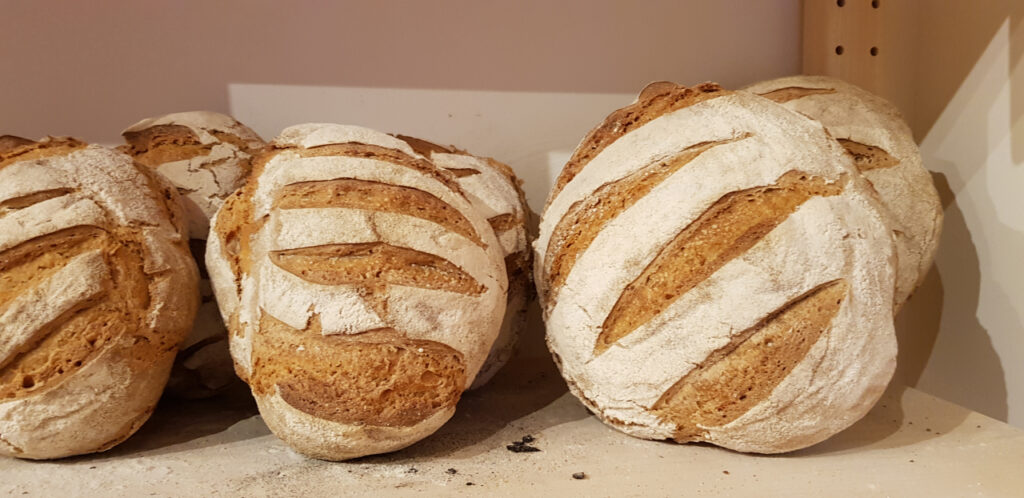
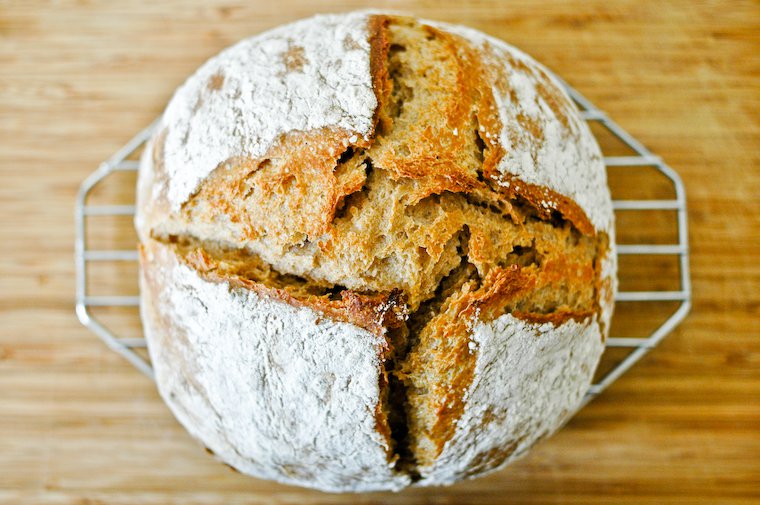
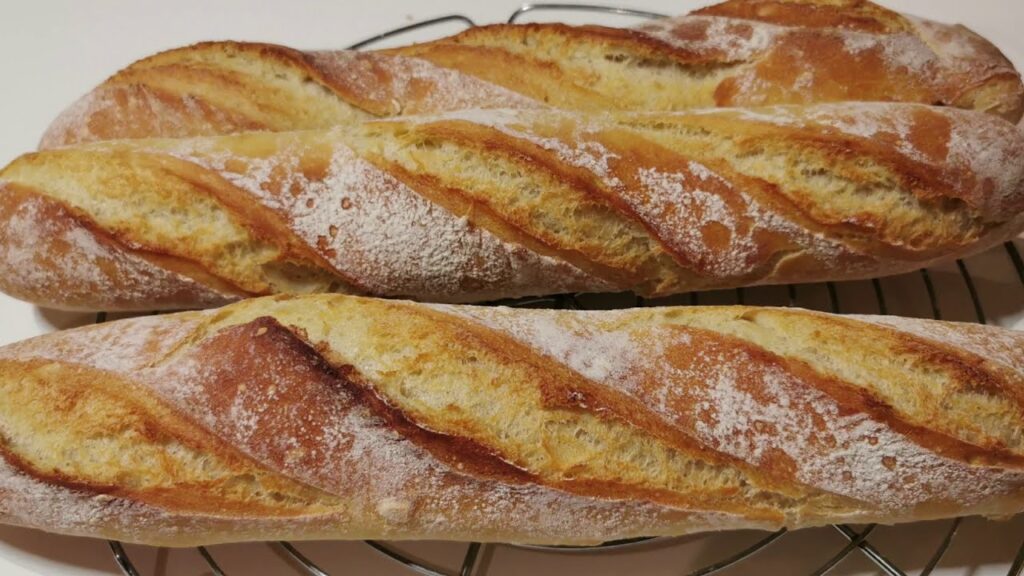
THE bread shaping plays a crucial role in its texture and final appearance. Traditional shapes include the baguette, country bread, and boule. Each shape is not only aesthetic but also influences the crust/crumb ratio and the way the bread bakes. For example, a baguette, with its elongated and thin shape, will have a more developed crust compared to a ball, which will have a more airy crumb due to its compact shape.
Exploring Sizes and Their Impacts
The size of the loaf directly affects the texture and baking time. A small loaf, such as an individual roll or a smaller ciabatta, will cook quickly, providing a crisp crust with less crumb. Conversely, large breads like loaves require a longer baking time, allowing for full flavor development and a denser crumb texture.
Varieties of Breads through Their Ingredients
The variety of bread is infinitely influenced by the ingredients used. Using different types of flour—wheat, rye, spelt, to name a few—affects not only the taste but also the shaping and rising techniques needed. Additional ingredients like seeds or nuts can also be incorporated to change the texture and flavor profile of the bread.
Advanced Shaping Techniques for Unique Breads
Techniques such as bastard, the cob, or the braiding are not only decorative but also change the way the bread bakes and develops. For example, braiding a loaf of bread allows air to flow differently, affecting the crust’s texture and heat distribution. Patterned breads like epi are perfect for shared meals since they can be easily divided into equal portions.
Frequently Asked Questions
Q: How important is water temperature in bread shaping?
A: Water temperature is crucial for activating yeast without killing it. Water that is too hot can damage the yeast, while water that is too cold will slow its growth, affecting gluten development and bread texture.
Q: How do I know when to stop kneading bread?
A: Kneading is sufficient when the dough is smooth, elastic, and passes the membrane test, that is, a small piece of dough stretched between the fingers forms a thin membrane without tearing.
Q: Is it possible to combine different shaping techniques for a single loaf?
A: Absolutely, combining different shaping techniques can not only make bread visually appealing but also improve its texture and functionality, such as incorporating braids into a loaf for pre-cut portions.
Articles sur le même Sujet
Perfect cooking: temperatures and professional tips
Understanding the Importance of Temperature in Baking Bread
Temperature is a key factor in the cooking process of bread. It influences not only the texture and volume, but also the color and flavor of the crust. An optimal temperature for baking bread is generally between 220°C and 250°C, depending on the type of bread and the recipe used. Preheating the oven is also essential to achieve even cooking from the start.
It is important to note that steam plays a crucial role at the start of cooking. It helps keep the surface of the bread supple, thus promoting maximum expansion before the crust begins to form. Adding steam can be done by spraying water on the hot walls of the oven or using a drip pan filled with water.
Advanced Shaping Techniques for Professional Results
THE shaping bread is a critical step before baking. It affects not only the final appearance of the bread but also its internal structure. Shaping techniques must be mastered to ensure regular honeycombing and a perfectly developed crust.
- Relaxation: Before shaping, the dough should rest after kneading to allow the gluten to relax. This makes shaping easier and minimizes the risk of tearing.
- Bouler: This technique involves creating surface tension by rolling the dough, which helps maintain the shape when baking.
- Bastard: Shaping into an oval, ideal for country-style breads, offers a more rustic crust and a more airy crumb.
Each type of bread may require a specific shaping technique that takes into account its hydration and consistency. Precise adjustments during shaping can significantly improve the quality of the finished product.
Management of Fermentation and Proofing
Fermentation is essential for the development of flavor and structure of bread. The temperature during the fermentation phase must be controlled to optimize yeast activity. A temperature between 24°C and 28°C is ideal for regular fermentation. Risking too low a temperature can slow down fermentation activity, while too high a temperature can cause overfermentation, negatively affecting texture and taste.
Emerging management is also crucial. Adequate resting time allows the dough to fully develop its flavors and texture. This often involves a first rise until doubling in volume, followed by shaping and a second rise, this time until the dough no longer returns to its original shape when lightly indented with a finger.
FAQs
What is the ideal temperature for baking different types of bread?
The temperature varies depending on the type of bread: 220°C for baguettes and French breads, up to 250°C for rustic and rye breads.
A loaf is generally considered done when its internal temperature reaches at least 95°C. Another indicator is the hollow sound the bread makes when you tap its base.
Steam helps develop a crispy, shiny crust while allowing the crumb to expand properly during the first few minutes of cooking.
Storing your bread: tips for prolonged freshness
Conservation Methods After Processing
The conservation of bread is of paramount importance to maintain its flavor and texture. For artisanal bakery enthusiasts, understanding proper storage methods can extend the life of freshness and the pleasure of tasting homemade bread. Shaping, a key step in the preparation of bread, influences not only its shape but also its ability to keep well.
It is crucial to cover the shaped bread with a clean cloth or place it in an airtight container at room temperature. This prevents the crust from becoming too hard or the bread from drying out quickly. For specialty breads like sourdough, a slightly humid atmosphere can help maintain their crisp crust while keeping the interior soft.
Choice of Conservation Material
The choice of equipment used to store the bread is also decisive. Wooden, ceramic or metal bread boxes with minimal air circulation are recommended for optimal storage. Avoid plastic bags, which trap moisture and make bread crust soft and less pleasant.
If needed, the bread can also be stored in the freezer in an airtight freezer bag. This method is particularly suitable for preserving the aromas and quality of bread over a prolonged period. Just be sure to let the bread thaw naturally at room temperature so it returns to its original qualities.
Advanced Conservation Techniques
For those looking for more advanced methods, using techniques like lightly spraying the bread with water before placing it in a low-temperature oven can refresh the crust and make the bread feel fresh again. This technique, however, should be used sparingly to avoid damaging the internal structure of the bread.
Vacuum preservation is another technique that is gaining popularity. It removes the air around the bread, thus extending its lifespan without significantly altering its quality and taste.
Bread Storage FAQs
How to store bread so that it stays fresh longer?
To keep bread fresh longer, use a bread bin that allows slight air circulation, or wrap the bread in a clean, dry cloth. Avoid plastic bags which can alter the texture of the crust.
Is it possible to store bread in the freezer?
Yes, bread can be stored in the freezer. Pack it tightly in a freezer bag to prevent freezer burn and lock in its flavors. The trick is to let it thaw naturally at room temperature before consumption.
Is there a difference in storage between white bread and wholemeal bread?
Storing whole grain bread can sometimes require more attention due to its high content of oils from whole grains. It is prone to going rancid more quickly than white bread and might benefit from slightly colder storage or even in the refrigerator.