


How to keep pastries fresh?
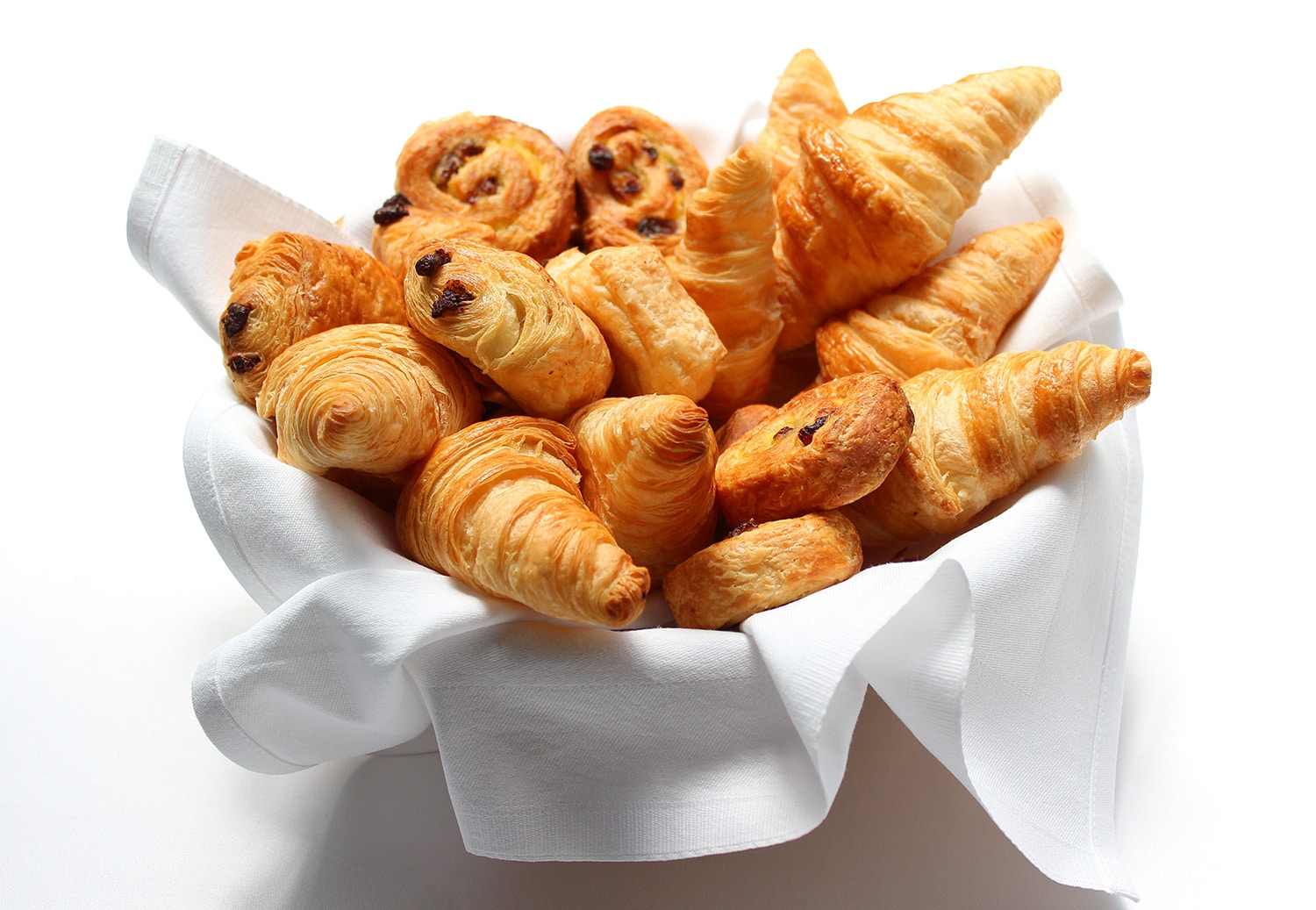

Welcome to the delicate art of preserving baked goods. In this article, we’ll explore professional techniques and proven tips for keeping your croissants, brioches, and other delicacies as fresh as if they’ve just come out of the oven. Whether you’re a seasoned baker or passionate about baking at home, this guide will provide you with the knowledge you need to prolong the delicious freshness and perfect texture of your pastries.
Choosing the right packaging for pastries
Importance of Packaging in the Preservation of Pastries
The quality of the packaging is decisive for the conservation of pastries. Good packaging helps maintain crispness and freshness, crucial aspects for products such as croissants, brioches and other flaky pastries. Not only does it preserve the organoleptic characteristics of the product, but it also plays an essential role in protecting against external contaminants, such as dust and microbes.
Recommended Materials for Packaging Pastries
The choice of material is crucial for packaging pastries. The most commonly used materials include:
- Paper : Ecological and practical, the paper allows the pastries to “breathe”, thus avoiding humidity which could soften the dough.
- Food plastic : Although less ecological, plastic is effective in preventing pastries from drying out, particularly when they contain creams or fillings.
- Cardboard : Cardboard is often used for presentation boxes and offers good protection during transport while being biodegradable.
Each material has specific characteristics which influence the shelf life and maintenance of the quality of the pastries. The ideal is to choose according to the type of product and its desired lifespan.
Design Principles for Pastry Packaging
The design of the packaging must not only guarantee optimal preservation of the pastries but also attract the consumer’s attention. Elements such as partial transparency of the packaging can help highlight the quality of the product. In addition, the use of attractive colors and patterns can also play a crucial role in the purchasing process. It is important that the packaging reflects the quality and craftsmanship of the baker.
Ecological Considerations and Regulations
Faced with growing ecological awareness, it is essential to opt for sustainable packaging solutions. The use of recycled or biodegradable materials is strongly recommended. Additionally, it is essential to comply with local regulations regarding the safety and sanitation of food contact materials. This compliance with standards not only guarantees consumer safety but also strengthens the credibility of the brand.
FAQs
What is the best material for packaging fresh croissants?
Paper is often recommended for wrapping croissants because it helps maintain the crispness while letting the product “breathe”. It is possible to use reusable packaging, including food plastic or metal boxes, which can be returned and reused after proper cleaning. Well-designed packaging not only protects the pastries but reinforces the perception of quality and luxury of the product, thus encouraging purchase by the customer.
Articles sur le même Sujet
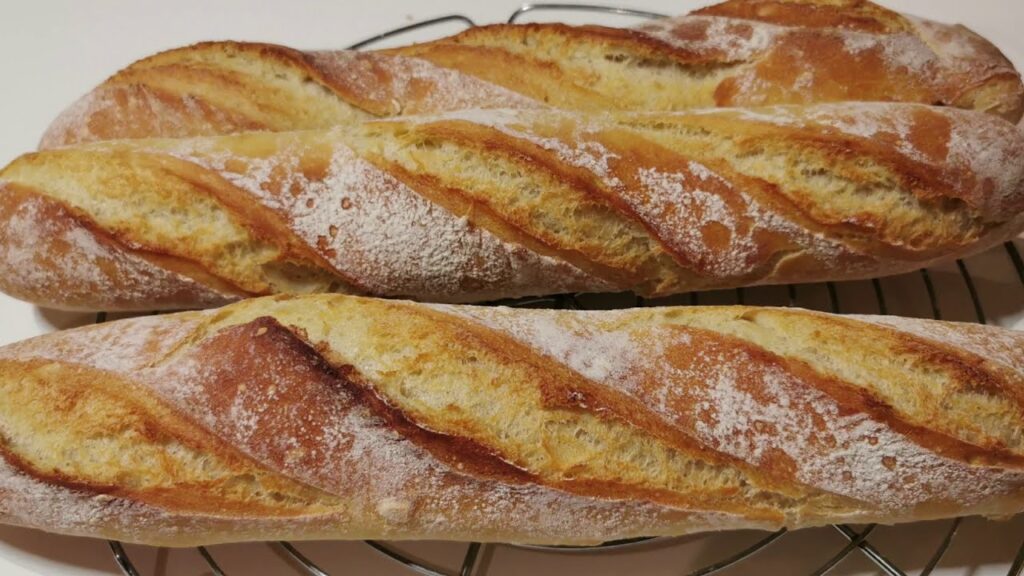
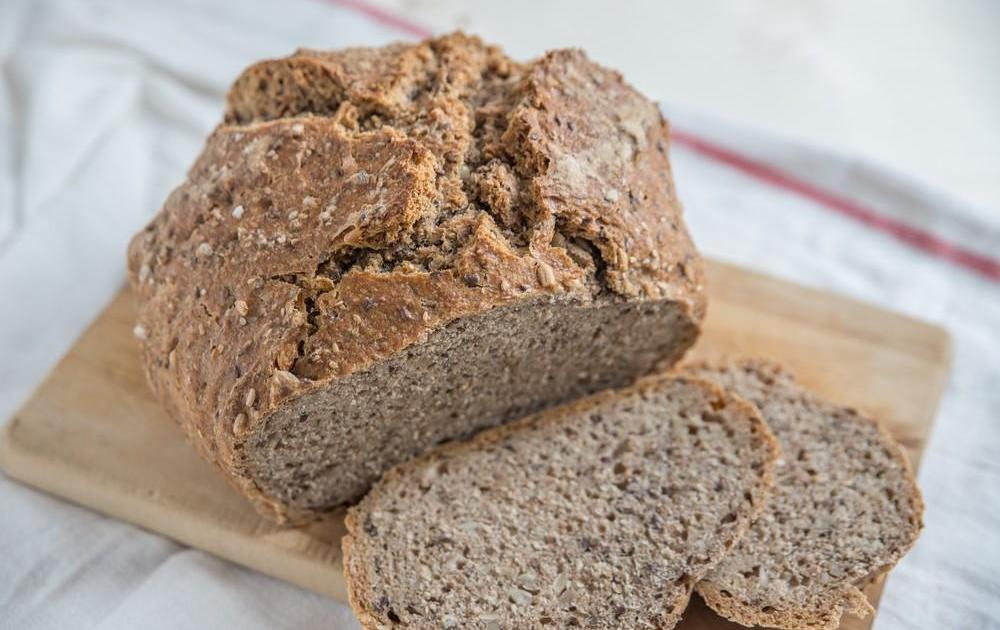
Storage at room temperature versus refrigeration
Basic Principles of Food Preservation
There food preservation is essential to maintain their quality, flavor and food safety. Two methods predominate: storage at room temperature and the refrigeration. Each has its own particularities that consumers must understand to optimize the shelf life and organoleptic qualities of their products.
Storage at room temperature
Storing food at room temperature is commonly used for stable products such as cereals, pulses or certain canned goods. This method relies on the absence of major thermal fluctuations and a dry environment to prevent the development of microorganisms. It is crucial to store these foods in airtight containers to avoid exposure to moisture and infestations. The main benefits include reduced energy consumption and ease of access.
Refrigeration and its benefits
There refrigeration slows down the chemical and microbial reactions responsible for food degradation. By maintaining the temperature between 0 and 4°C, refrigeration is ideal for dairy products, meats, fruits and fresh vegetables. This process is particularly crucial for maintaining the integrity of perishable foods, reducing the risk of contamination and extending the shelf life of fresh foods.
However, refrigeration can also alter textures and flavors if not properly controlled. Inappropriate temperature or too high humidity can cause problems such as crystallization or drying out of foods.
Comparison of preservation methods
Choosing between room temperature storage and refrigeration depends mainly on the type of food and how long it needs to be stored. Stable products keep well at room temperature, while fresh or short-shelf products will benefit from cold storage. It is essential to consider the manufacturer’s recommendations and food safety practices for each product.
Storage at room temperature is often more economical and less energy-intensive, but it is limited to less perishable products. On the other hand, refrigeration offers a better guarantee against bacterial proliferation and rapid deterioration, although it can result in greater energy consumption and require specific equipment.
Food Storage FAQs
What foods should not be refrigerated?
Some foods like bread, tomatoes, potatoes, and certain types of tropical fruits are best stored at room temperature to preserve their optimal texture and taste.
How long can food be stored at room temperature?
It depends on the nature of the food. Dry, shelf-stable products like grains and legumes can often be stored for several months, as long as they are stored in a dry environment and protected from light.
Is it safe to return refrigerated food to room temperature?
Returning foods to room temperature after refrigeration is generally safe if done within a short period of time. However, for highly perishable products, such a practice may increase the risk of bacterial growth.
Articles sur le même Sujet


Using the freezer to extend shelf life
Basic principles of freezing preservation
There food preservation by freezing is an effective method for extending their shelf life while preserving their nutritional and organoleptic qualities. The process involves lowering the temperature of food to -18°C or lower, which significantly slows down the microbial activity responsible for food spoilage.
It is crucial to freeze products as quickly as possible after purchasing or preparing them to optimize preservation. Rapid freezing helps form small ice crystals, reducing cell damage and preserving food texture.
Types of Foods Suitable for Freezing
The majority of food products, including meats, fish, fruits, vegetables and even some dairy products such as butter and certain cheeses, are suitable for freezing. However, it should be noted that foods with high water content such as lettuces, cucumbers or radishes may not respond well to this preservation method due to changes in texture after thawing.
Cooked meals can also be frozen successfully, but it is recommended that they be cooled quickly and packaged properly to avoid freezer burn or loss of flavor.
Packaging and labeling foods for freezing
Food packaging plays a crucial role in protecting against freezer burn and cross-contamination. Use cold-resistant, airtight materials, such as zip-lock freezer bags or airtight containers specially designed for freezing.
Labeling is also important to ensure proper management of frozen food stocks. Each package should be labeled with the freezing date and food type to facilitate rotation and ensure products are used in their best condition.
Defrosting and using frozen foods
Defrosting must be done in a controlled manner to ensure food safety. The ideal method is to transfer the food from the freezer to the refrigerator and allow it to thaw slowly. Avoid thawing foods at room temperature to reduce the risk of bacterial growth.
Once thawed, foods should be used quickly and never refrozen. Cook foods to an appropriate temperature to ensure all potentially harmful bacteria are destroyed.
Freezing Storage FAQs
Can you refreeze thawed food?
No, refreezing a thawed product can encourage the multiplication of bacteria and compromise food safety.
How long can meat be stored in the freezer?
Meat can be stored in the freezer for several months. For optimal results, red meat will keep for up to 12 months, while chicken or turkey for up to 9 months.
Is it necessary to wash fruits and vegetables before freezing them?
Yes, it is advisable to wash, dry and prepare fruits and vegetables before freezing to ensure quality and safety.
Articles sur le même Sujet


Tips for restoring the freshness of pastries
Fundamentals of Optimal Conservation
The restoration of the fresh, preserving of pastries is mainly based on understanding the factors affecting their quality after baking. The process of standing, or staling, is primarily due to moisture migration and recrystallization of starch in the bread. To extend the lifetime pastries and maintain their pleasant texture, it is crucial to control the environment in which they are stored.
Cooling and storage techniques
After removing from the oven, it is vital to allow the pastries to cool properly. Rapid cooling can lead to condensation and therefore surface humidity which alters the crispy texture of the crusts. Pastries must be placed on racks to allow optimal air circulation, avoiding the accumulation of water vapor. For storage, the use of airtight containers is only recommended for very short periods. For longer periods, choose packaging that allows air to circulate while protecting the products from ambient air.
Tips for restoring crispness
If your pastries have lost their crispness, an effective method is to briefly reheat them in the oven. Preheating the oven to 180°C and placing the pastries on a rack for a few minutes can help restore their crispy outer texture while keeping the interior soft. Avoid using the microwave, as it tends to make pastries rubbery and soft.
Using freezing to prolong freshness
Freezing is an excellent technique for extending the life of pastries without compromising their quality. To freeze, wrap each baked goods individually in plastic wrap or place them in airtight freezer bags. When defrosting, let them come to room temperature before baking to recreate the desired texture.
FAQs
- How to prevent pastries from becoming too dry after cooking?
Store them in a dry place lightly wrapped in linen to maintain a certain humidity without excess. - Can we restore the freshness of pastries several days after baking?
Yes, by placing them in an oven preheated to 180°C for a few minutes, you can improve their external texture. - Is it better to store pastries in the refrigerator?
No, refrigeration can speed up the staling process. It is best to keep them at room temperature in a controlled environment or freeze them if necessary.
Articles sur le même Sujet
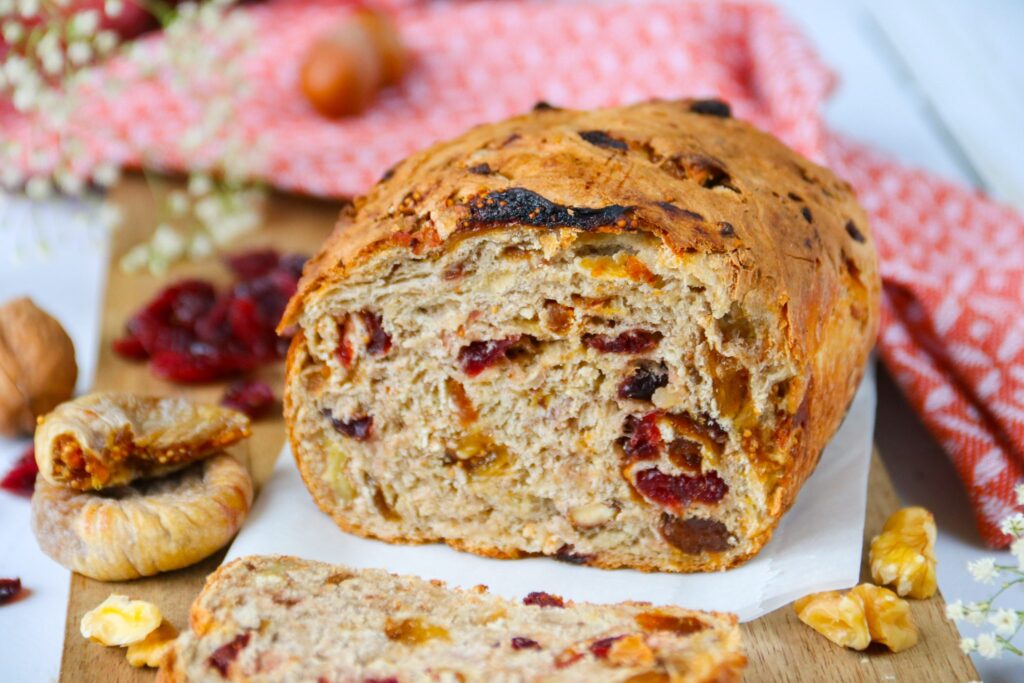
Managing humidity and air during storage
Impact of humidity on food preservation
To preserve product quality, regulation ofhumidity turns out to be crucial. Excessive humidity can encourage the development of mold and bacteria, while an environment that is too dry can dry out products and alter their texture. For example, controlled humidity is essential for the preservation of pastries, thus avoiding rapid staling or the proliferation of undesirable microorganisms.
Modern air regulation techniques
Quality managementair in storage spaces plays a key role in maintaining the organoleptic characteristics of foods. Using adequate ventilation systems not only regulates temperature and humidity, but also eliminates unwanted odors and renews the air to avoid stagnation. Air filtration technologies can also remove particles and allergens, contributing to better conservation and a healthier environment.
Optimization of packaging for conservation
The choice of conditioning is essential to optimize the conservation of food products. Materials such as airtight packaging and micro-perforated protective films are used to control the exchange of moisture and air, thereby prolonging the freshness of products. These specific packages can help maintain optimal relative humidity, which is especially crucial for products like artisan breads and fine pastries.
Moisture and Air Management FAQ
What is the ideal humidity for storing bread?
The ideal humidity for storing bread generally ranges between 60% and 70%. This keeps the crust crispy while keeping the crumb soft.
How to avoid condensation in storage spaces?
To avoid condensation, it is crucial to maintain a constant temperature and use effective ventilation systems to regulate humidity and air temperature.
What packaging materials are recommended for better moisture retention?
Recommended materials include micro-perforated plastic films and airtight packaging, which allow optimal regulation of water vapor exchange while protecting the product from external contaminants.
Natural solutions to maintain the freshness of baked goods
The Fundamentals of Preserving Bakery Products
The appeal of baked goods lies in their freshness. To maintain this essential freshness, various natural preservation methods can be used. Understanding the factors that influence the spoilage of baked goods is crucial. Humidity, temperature and exposure to air are the main enemies of the freshness of breads and pastries.
Use of Natural Sourdoughs and Long Fermentations
Opting for natural leavens and prolonged fermentations is a beneficial technique not only for health but also for the preservation of bread. Natural sourdoughs slow down the staling (aging) of bread, while long fermentations improve the structure and durability of the crumb, allowing the bread to maintain its freshness for longer.
Optimized Storage of Bakery Products
Storage plays a crucial role in the preservation of baked goods. Storing bread in conditions that minimize exposure to air is essential. Using cloth or paper bags allows the bread to “breathe”, preventing mold while retaining enough moisture to prevent drying out. Avoid plastic bags which promote condensation and therefore mold.
Innovative Conservation Techniques
Innovative conservation techniques include the use of essential oils with antimicrobial properties, such as thyme or lavender oil, applied lightly to the product or incorporated into the cooking process. Additionally, placing apple slices or half a potato in the bread bag can help maintain moisture, prolonging its freshness.
FAQs
What are the best materials for storing bread to maintain its freshness?
The most recommended materials are cloth or unbleached paper bags. These materials allow the bread to breathe, limiting mold growth while retaining just enough moisture.
Is it beneficial to use essential oils for bread preservation?
Yes, some essential oils have antibacterial and antifungal properties that can help prolong the freshness of bread. However, they must be used with discernment so as not to alter the taste of the bread.
How do long fermentations influence the storage of bread?
Long fermentations, in particular those carried out with natural leavens, improve the structure of the crumb and delay the aging process of the bread, thus allowing a longer natural preservation of the product.