


How to use a banneton to make the best baguette?
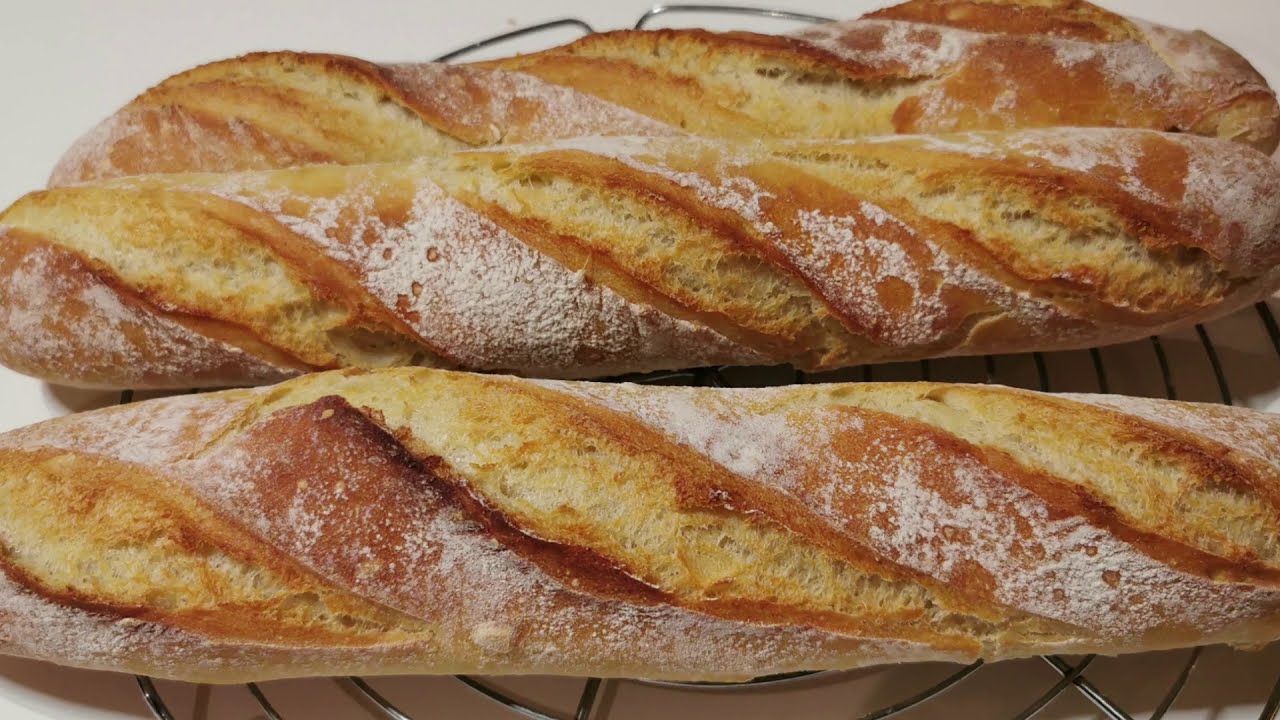

Discover the secrets of an artisan baker to master the use of a banneton to make crispy and airy baguettes. The article guides you through the key steps, from choosing the right banneton to perfect unmolding, including shaping and fermentation techniques. Increase your know-how and impress with baguettes worthy of the best French bakeries.
Choosing the right banneton for the baguettes
When you are passionate about artisanal baking, the choice of banneton is crucial, especially when it comes to making baguettes. The banneton not only shapes the bread but also affects the quality of the crust and the crumb. Understanding the different materials and sizes available is essential to optimize its use.
Importance of banneton material
The material constituting the banneton plays a fundamental role in the fermentation and dough formation process. Bannetons are generally made of two main materials: rattan and plastic.
– Rattan: Rattan is the traditional material for bannetons. It is valued for its ability to absorb moisture, making it easier to form a nice crispy crust. In addition, rattan gives the baguette beautiful spiral imprints which improve the visual appearance of the bread.
– Plastic: Plastic bannetons are a modern alternative. They are easier to clean and can be advantageous in environments where hygiene is a top priority. However, they do not offer the same moisture absorption capacity as rattan, which can result in a less developed crust.
Choice of size and shape
The size of the banneton should match the weight of dough you plan to bake. For baguettes, it is essential to choose an elongated banneton which will support the dough during fermentation.
– Length : Generally, a banneton for baguette is between 40 and 60 centimeters long, which is suitable for most domestic and artisanal recipes.
– Diameter : The diameter of the banneton should allow the baguette to keep its narrow, elongated shape without spreading.
Maintenance tips to extend the life of banneton
Maintaining your banneton in good condition is essential to ensure the consistent quality of your baguettes.
1. Cleaning : After each use, remove flour residue using a brush. Avoid hot water, as it may warp the rattan and affect its absorption properties.
2. Drying: Let the banneton dry in a well-ventilated area to prevent mold from forming.
3. Storage : Store the banneton in a dry, cool place. Avoid exposure to direct sunlight or high temperatures.
FAQs
Can you use a banneton for different types of pasta?
Yes, a banneton can be used for different bread recipes, but it is important to choose the right size and shape for each type of dough to optimize results.
How to prevent the dough from sticking to the banneton?
Sprinkle the banneton generously with flour before each use. You can also use a mixture of flour and rice to minimize the risk of sticking.
Do plastic bannetons affect the taste of bread?
No, plastic bannetons do not alter the taste of the bread. However, they can influence the texture of the crust due to their lower moisture absorption capacity compared to rattan.
Articles sur le même Sujet
Preparing the banneton before use
Initial cleaning of the banneton
The first step in preparing a banneton for baguette consists of carrying out careful cleaning before its first use. Banneton, often made of wicker or rattan, can accumulate residue and dust during manufacturing or storage. It is therefore advisable to brush it lightly with a soft-bristled brush to remove surface particles. Next, wipe the inside of the banneton with a clean, slightly damp cloth to remove any remaining residue.
Flouring the banneton
Flouring is a crucial step in preparing your banneton and prevent the dough from sticking during the fermentation and shaping process. Use flour type T55 or T65, which are wheat flours commonly used for traditional baking. Sprinkle the inside of the banneton evenly with the flour. Make sure to cover all surfaces, including small nooks and crannies. For more even distribution, you can use a sieve or small strainer.
Conditioning and regular maintenance
After each use, it is essential to take good care of your banneton to extend its lifespan and maintain perfect hygiene. Once the baguette is unmolded, tap the banneton to remove excess flour. If any paste residue has attached, wait for it to dry before gently brushing it off. Avoid washing the banneton with water regularly, as humidity can damage the natural fibers of the material and encourage the formation of mold. If cleaning is necessary, do so quickly with very little water and allow to air dry completely.
Banneton Preparation and Care FAQs
1. Can you use any flour to flour banneton?
It is recommended to use wheat flour such as T55 or T65, which have the necessary properties to adhere well to the walls of the banneton and make it easier to unmold the dough.
2. How do you know when it’s time to replace a banneton?
When the fibers of the banneton begin to visibly deteriorate or signs of mold appear despite proper maintenance, it is advisable to replace the banneton to guarantee the quality of your baguettes.
3. Can I put my banneton in the oven to sterilize?
No, placing a banneton in the oven is not recommended because the heat can warp and damage the natural fibers of the banneton, reducing its durability and effectiveness.
Articles sur le même Sujet
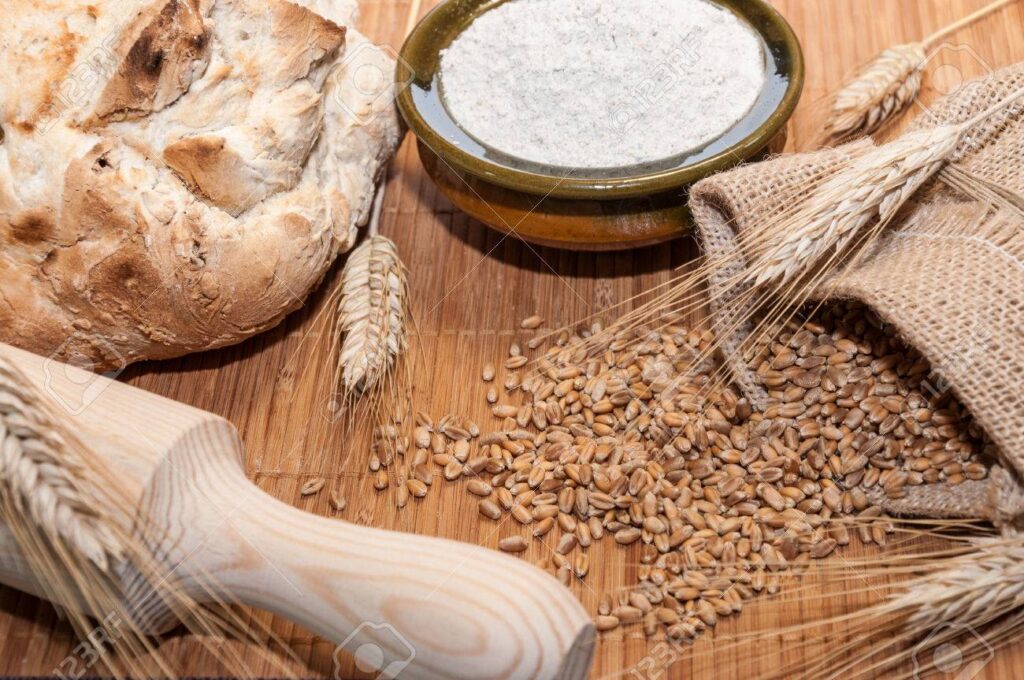
Baguette Dough Shaping Techniques
Preparing and resting the dough
One of the essential steps in making a quality baguette is preparing and resting the dough. Initially, it is crucial to properly mix the ingredients – flour, water, yeast, and salt – to form a homogeneous dough. THE kneading must be carried out until the dough is soft and elastic. This will make final shaping easier with the banneton.
After this kneading phase, the dough must rest. This resting time, called primary fermentation, generally lasts between 1 and 2 hours at room temperature. This process allows the yeast to ferment the sugars present in the flour, thus creating carbon dioxide bubbles which will give the dough its airy texture and its characteristic volume.
Using banneton for shaping
After fermentation, comes the stage of shaping baguette dough using a banneton. Banneton, often made from wicker or food grade plastic, is used to give the dough its distinctive shape while still supporting secondary fermentation. Here’s how to do it:
- Lightly degas the dough to remove large air bubbles.
- Gently shape the dough into a long cylinder without tightening too much to maintain an airy texture.
- Place the shaped dough in the previously floured banneton, with the key (dough seal) facing upwards.
Ensure the dough is well covered and allow to rest for secondary fermentation. This phase can vary between 30 minutes to several hours depending on the temperature and composition of the dough.
Liberation and cooking
When the dough has sufficiently fermented in the banneton, it is time to carefully release it onto a baking sheet. Unmolding must be done carefully so as not to deflate the dough. Once placed on the plate, the key should now be underneath.
Just before putting in the oven, it is advisable to make incisions on the top of the dough with a sharp blade. These incisions will help the baguette develop a crispy crust and a nice opening when baking. Then, place in a preheated oven and cook according to your recipe specifications.
FAQs
What is the ideal resting time for the dough in the banneton?
The resting time in the banneton may vary depending on the temperature conditions and the recipe used. In general, a rest of 45 minutes to 1 hour is sufficient to allow the dough to ferment well and take its shape.
Can you use any type of flour to prepare baguette dough?
Although T55 flour is often recommended for making French baguettes, other types of flour such as T45 or rye flour can be used to vary flavors and textures.
How do you know if the dough has sufficiently fermented in the banneton?
A good indicator of sufficient fermentation is that the dough has doubled in volume and has a slightly rounded surface full of air bubbles. A light touch should not leave a permanent imprint.
Articles sur le même Sujet

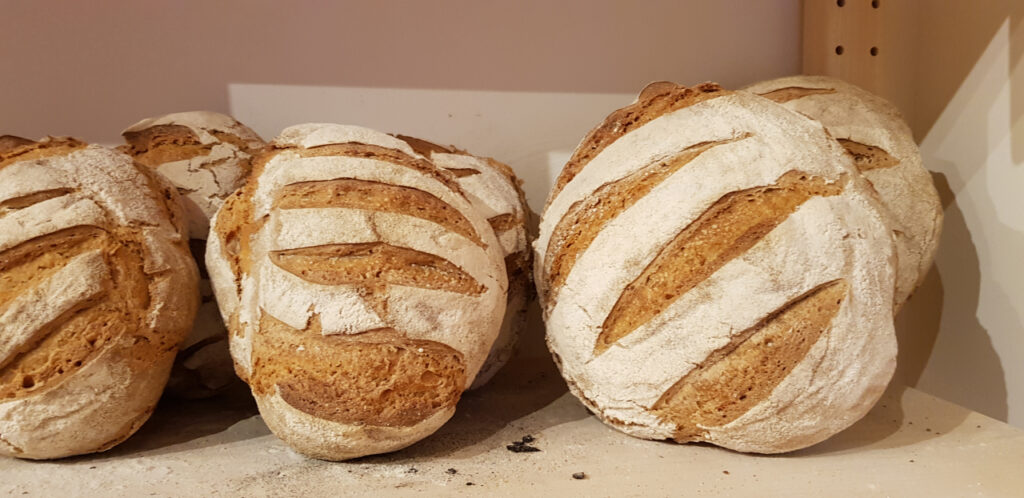
Management of rest and fermentation time
Understanding Baguette Dough Fermentation
There fermentation is the heart of the bread making process, representing a crucial step in defining the texture, taste and quality of the crumb. By using a specific banneton for baguettes, it is essential to master the particularities of this phase. The banneton, often made of wicker, helps maintain the elongated shape of the baguette while allowing the dough to breathe and develop a crispy crust.
Key Fermentation Parameters
1. Temperature : A temperature controlled between 24°C and 28°C is ideal for optimizing the activity of the yeasts and lactic acid bacteria present in the sourdough.
2. Humidity : A relative air humidity of around 75% in the fermentation area preserves the hydration of the dough and facilitates uniform growth.
3. Duration : The fermentation of the baguette dough in a banneton must last between 14 and 16 hours to ensure complete maturation of the aromas and an ideal dough structure.
Techniques to Improve Fermentation
To optimize the fermentation in a banneton, several techniques can be used:
– The folding : Performing regular folding during the first hours increases the tension of the dough, develops the gluten and distributes the fermentation gases.
– Using Liquid Leaven : Preferring a liquid sourdough rather than a firm sourdough can positively influence the lightness of the baguette.
– Adapted Hydration : Dough hydration of around 75% promotes efficient fermentation and a desirable final texture.
The Role of Banneton in the Process
The banneton doesn’t just maintain the shape of the baguette; it also contributes to the quality of fermentation:
– Aeration : The flutes of the banneton allow optimal aeration, essential for good fermentation.
– Absorption : The absorbent material of the banneton helps regulate surface humidity, thus preventing a crust that is too hard prematurely.
FAQs
1. What type of banneton is recommended for fermenting baguettes?
Elongated wicker or rattan bannetons are often recommended for their ability to structure and aerate the dough effectively.
2. How do you know if fermentation in a banneton is complete?
The dough should have doubled in volume with a surface full of fine bubbles, and it should spring back slightly when touched.
3. Can we reuse banneton immediately after first use?
It is recommended to let the banneton air dry between uses to preserve its properties and prevent the proliferation of bacteria.
Articles sur le même Sujet
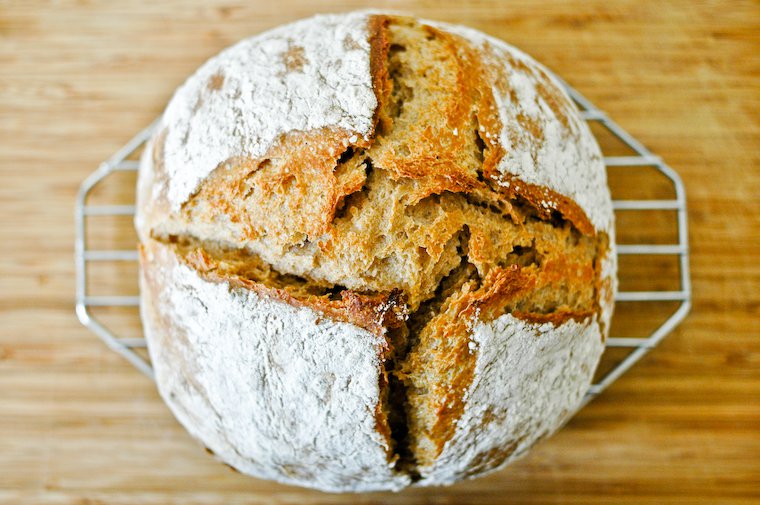
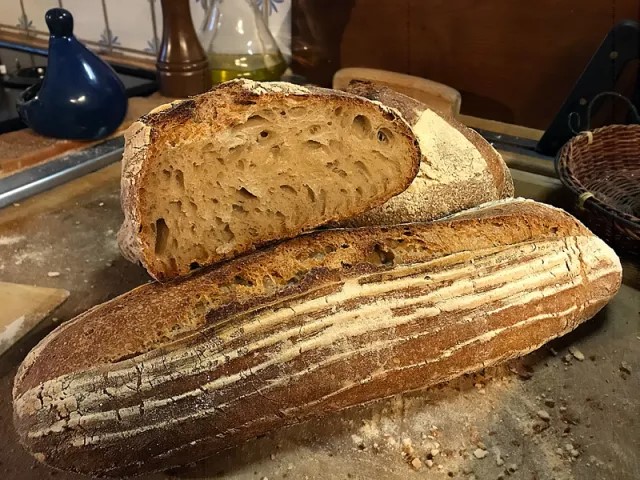
Unmolding and optimal baking of the baguette
The use of a specialized banneton for the preparation of the baguette is crucial to obtain an airy crumb structure and a crispy crust. This technical guide explores the key steps for unmolding and optimal cooking using this tool.
Preparing the Banneton
Before introducing the dough into the banneton, it is essential to prepare it correctly to prevent the dough from sticking. Sprinkle the banneton generously with flour, preferably rice flour, as it has superior non-stick qualities. The objective is to evenly cover the internal surface of the banneton, which will make it easier to unmolding after the dough has risen.
The Rising Phase
After placing the dough in the banneton, cover it with a clean towel and let it rise in a warm place until it almost doubles in volume. This step is crucial, because it is during rising that the dough develops the gases necessary to create a distinctive honeycomb texture.
Mold Release Techniques
Once the dough has risen sufficiently, it is time to turn it out onto a baking sheet. To do this, carefully invert the banneton onto the plate. The dough should come out easily if the banneton has been properly floured. Otherwise, lightly tap the bottom and sides of the banneton.
Cooking
Preheat your oven to a high temperature, around 230°C, with a roasting pan placed on the lower part of the oven for steam. Just before baking, score the dough with a sharp blade to control the expansion of the baguette during baking. Then slide the tray into the oven, and immediately pour a glass of water into the drip pan to generate steam. This is essential to obtain a golden and crispy crust. The baguette should bake for 20 to 25 minutes until it reaches an even golden color.
Banneton maintenance
After each use, it is important to clean the banneton properly. Remove flour residue with a brush and let it air dry. Avoid washing it with water to preserve the quality of the wood and prevent mold from forming.
FAQs
- Can you use the same banneton for different types of bread? Yes, a banneton can be used for different types of bread, as long as the size of the dough is suitable for the capacity of the banneton.
- How long should you preheat the oven? It is recommended to preheat the oven for at least 30 minutes to the desired temperature to ensure even cooking.
- Is it necessary to make incisions on the baguette before cooking? Yes, the incisions help control the direction the bread expands during baking, improving the overall shape and texture of the crust.
Maintenance of the banneton after use
Initial Cleaning of the Banneton
Before tackling regular maintenance of the banneton, it is crucial to understand the initial cleaning steps after purchase. A new banneton must be prepared to prevent the dough from sticking during the first uses. It is recommended to use a soft brush to remove wood or fiber residue. Next, dust the inside of the banneton with a thin layer of flour to create a protective barrier.
Maintaining Cleanliness After Each Use
After each use, it is essential to remove excess dough from the banneton. Use a specific brush with soft bristles to remove residue without damaging the fibers of the banneton. This simple gesture helps prevent the formation of mold and maintains the hygiene of the banneton.
Drying Techniques
Drying is an important step in banneton maintenance. After cleaning, allow the banneton to air dry but not in direct sunlight or near a direct heat source, as this may warp or crack the wood. Make sure the banneton is completely dry before storing to avoid any residual moisture.
Proper Storage of Banneton
Storage of banneton plays a crucial role in its longevity. Store the banneton in a dry and ventilated place. Avoid confined or humid spaces. You can wrap the banneton in a clean cloth to protect it from dust while still allowing air to circulate.
Banneton Maintenance FAQ
Q1: Can you wash a banneton in water?
A: It is not recommended to wash bannetons in water, as moisture can soak into the wood and encourage mold growth. A brush and maintaining a dry environment are sufficient for cleaning.
Q2: How many times should banneton be floured?
A: It is recommended to flour the banneton before each use to prevent the dough from sticking. A light coating of flour each time is enough.
Q3: How do I know when to replace a banneton?
A: Replace your banneton if it shows obvious signs of deterioration such as cracking, a strong smell of mold or a marked accumulation of old dough residue that does not come off when cleaned.