


How to make a cornbread recipe with a banneton?


Mastering the art of artisan baking can transform a simple recipe into a remarkable creation. In this article, we’ll explore how to use a banneton to make a traditional cornbread recipe perfect. Follow our technical advice to obtain a crispy crust and an airy crumb, adding a touch of authenticity and know-how to your homemade breads.
Choosing the Right Banneton for Cornbread
The essential criteria for selecting a banneton
THE banneton is a key utensil in artisanal baking, particularly when it comes to making specific breads such as corn bread. This container is used to support the dough during its final rise, while giving it shape and structure. When choosing the banneton suitable for this type of bread, several criteria must be taken into account.
First, the matter banneton influences the lifting bread. Wicker bannetons are popular for their ability to absorb moisture, promoting a crispy crust. Alternatively, plastic or silicone bannetons offer a hygienic and easy to clean, although less traditional, solution.
Secondly, the size banneton must correspond to the volume of dough prepared. A precise match between the size of the banneton and the quantity of dough guarantees an even rise and a well-formed loaf.
Third, the shape banneton, whether round or oval, must correspond to the desired presentation of the bread. Each size will affect heat distribution and crust development differently during baking.
Preparing and maintaining your banneton
The maintenance of the banneton is essential to ensure its longevity and prevent contamination of your breads. Before first use, it is recommended to brush lightly and heat it in the oven to eliminate any residual moisture that could affect the quality of the dough.
Before each use, dust the banneton with flour to prevent the dough from sticking to it. Rice flour is often favored for its ability to form an effective non-stick barrier, without altering the taste of the bread.
After use, it is recommended to clean the banneton by hand, using a soft brush and lukewarm water. Avoid the use of detergents, which can deteriorate natural materials such as wicker and leave unwanted residue. Then let the banneton air dry and store it in a dry place to prevent mold from forming.
Impact of the choice of banneton on the quality of the bread
The choice of banneton is not limited to the aesthetics of the bread. There quality rise and crust, as well as the development of bread aroma and texture, are significantly influenced by the type of banneton used. A good banneton promotes uniform rising, essential for obtaining an airy texture and a desirable crust.
The natural material of banneton also helps regulate the humidity of the dough during fermentation, a crucial aspect for corn bread which tends to be slightly moister than traditional wheat-based breads. This humidity management is decisive for the final cooking result.
FAQs
- What is the best material for a cornbread banneton?
Wicker is generally recommended for its excellence in terms of moisture absorption and for the authenticity of the texture it gives to bread. - Can you use a plastic banneton for artisan bread?
Yes, plastic bannetons can be used but they do not offer the same moisture absorption properties as those made from natural materials. - How to store a banneton to extend its life?
It is recommended to store it in a dry, well-ventilated area to avoid mold and material deterioration.
Articles sur le même Sujet
Preparing the dough: ingredients and proportions
Necessary Ingredients
Before starting the preparation of corn bread, it is essential to bring together all the necessary ingredients for this recipe. For a standard size loaf you will need:
- 500 grams of corn flour
- 200 grams of T55 or T65 wheat flour
- 350 ml of lukewarm water
- 10 grams of salt
- 25 grams of sugar
- 15 grams of fresh yeast or 5 grams of active dry yeast
These proportions are ideal for obtaining a corn bread with a soft texture and slightly crispy crust.
Preparation of the Dough
Preparing the dough is a crucial step to succeed in your corn bread. Here are the steps to follow:
- Dilute the yeast in lukewarm water with the sugar and let sit for about 10 minutes, until the mixture begins to foam.
- In a large bowl, mix the corn and wheat flours with the salt.
- Gradually add the yeast and water mixture to the flours while kneading continuously. Knead the dough for at least 10 minutes until it is smooth and elastic.
- Cover the bowl with a damp cloth and let the dough rise in a warm place for 1 to 2 hours, or until doubled in size.
Once the dough has risen sufficiently, it is ready to be shaped and baked.
FAQs
Can I use only corn flour for this recipe?
It is recommended to mix corn flour with wheat flour to achieve better bread structure and rise. Corn flour alone could make the bread too dense.
Cornbread should be baked in an oven preheated to 220°C for about 25-30 minutes, until the crust is golden and crispy.
This bread keeps well for 2 to 3 days when wrapped in a clean cloth or stored in a bread bag at room temperature. To extend its shelf life, you can choose to freeze it.
Articles sur le même Sujet
Correct use of banneton in the fermentation process
Choosing and Preparing the Appropriate Banneton
The choice of banneton adequate is essential for the success of the fermentation bread. For cornbread, a medium-sized wicker or rattan banneton is best. Make sure the inside of the banneton is well lined with linen or cotton, which not only absorbs excess moisture, but also makes it easier to unmold the bread after fermentation.
Before each use, it is necessary to prepare the banneton by dusting it generously with flour to prevent the dough from sticking. For breads made from corn, which tend to be wetter than those made from wheat, the use of rice flour as a release agent can be particularly effective.
Key Steps in Corn Dough Fermentation
The use of banneton in the process of fermentation requires special care, particularly in terms of time management and humidity control. Place the dough in the banneton, seam side up. Cover the banneton with a light cloth and let the dough ferment at room temperature. Fermentation time can vary, but it is generally recommended to let the dough rest for 1 to 2 hours.
Be sure to check the progress of the dough regularly. Good fermentation can be recognized by the increase in volume and the appearance of small bubbles on the surface of the dough. The ambient temperature must be maintained between 20 and 24°C to optimize the development of the natural yeasts present in the sourdough.
Transferring and Cooking Cornbread
After fermentation, transferring the dough from the banneton to the baking tray must be done carefully so as not to degas the dough. Carefully turn the banneton onto a floured surface and let the dough slowly release. If necessary, help lightly with floured hands to guide the dough.
Cooking must be carried out in an oven preheated to high temperature, generally around 230°C. Inject steam at the start of cooking to allow the crust to develop well without drying out too quickly. The presence of steam is crucial to achieving a crispy crust typical of well-fermented cornbreads.
FAQs on Using Banneton for Cornbread
- What size banneton is ideal for cornbread?
The recommended size varies depending on the amount of dough prepared, but a banneton of 20-25 cm in diameter is generally sufficient for most home recipes. - Can we reuse the banneton without cleaning between each preparation?
It is advisable to lightly clean the banneton after each use to remove flour residue and prevent the proliferation of mold. Dry brushing is often sufficient. - How to prevent the dough from sticking to the banneton despite flouring?
Increasing the amount of flour does not always solve this problem. Check the humidity of your dough and adjust the proportion of water or use rice flour, which has stronger non-stick properties.
Articles sur le même Sujet


Cornbread Shaping Techniques
Preparing the dough
The shaping of corn bread begins with meticulous preparation of the dough. The key is the ratio of corn flour to wheat flour, which directly affects the texture and consistency of the dough. It is recommended to use a mixed composition of 50% corn flour and 50% wheat flour to obtain a manageable and balanced dough.
The mixture should be hydrated at a rate of approximately 65-70%, which means that for each kilogram of flour, 650 to 700 milliliters of water are required. This high hydration ratio is crucial to compensate for the low water absorption of corn flour.
The kneading process
Kneading plays an essential role in the development of gluten, essential for the final texture of the bread. For corn bread, moderate kneading is sufficient, generally between 8 and 12 minutes at medium speed on a mechanical mixer. This helps structure the gluten without developing it too much, which could make the dough too elastic and difficult to shape.
Shaping the dough
Once kneading is complete, shaping can begin. A common technique for cornbread is shaping into a ball or bastard. To do this, lightly degas the dough before folding it on itself several times. This step helps create surface tension that will allow the bread to maintain its shape when baking.
It is also possible to create more original shapes such as braids or crowns. These shapes generally require a slightly firmer dough to hold the shaping details during rising and baking.
Cooking and finishing
Cooking is also decisive in the final shaping result. For the corn bread, an oven temperature of 220°C is ideal. Baking time varies depending on the size and shape of the loaf, but on average, 20 to 30 minutes of baking will be sufficient. A moist environment during the first few minutes of cooking will help develop a crisp, golden crust.
Cornbread Shaping FAQ
- What is the best type of corn flour for making bread?
Use finely ground corn flour for a soft, even texture and easy integration with wheat flour. - Can you make gluten-free cornbread?
Yes, it is possible to replace wheat flour with gluten-free alternatives like rice or buckwheat flour, but the final texture and shaping process may differ noticeably. - How long should you let cornbread dough rise?
Generally, a first rise of 1 to 2 hours is sufficient. This may vary depending on the room temperature and the freshness of the yeast used.
Articles sur le même Sujet
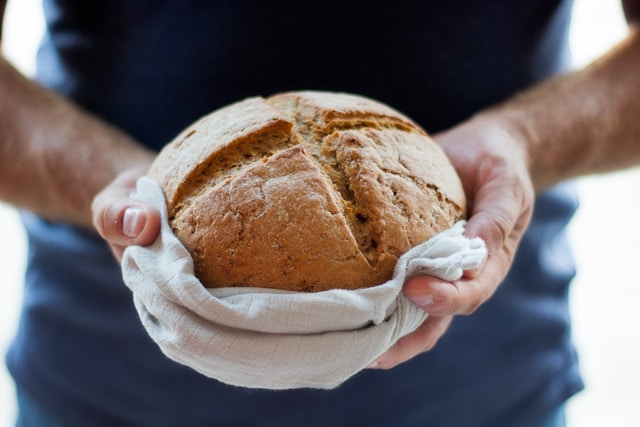
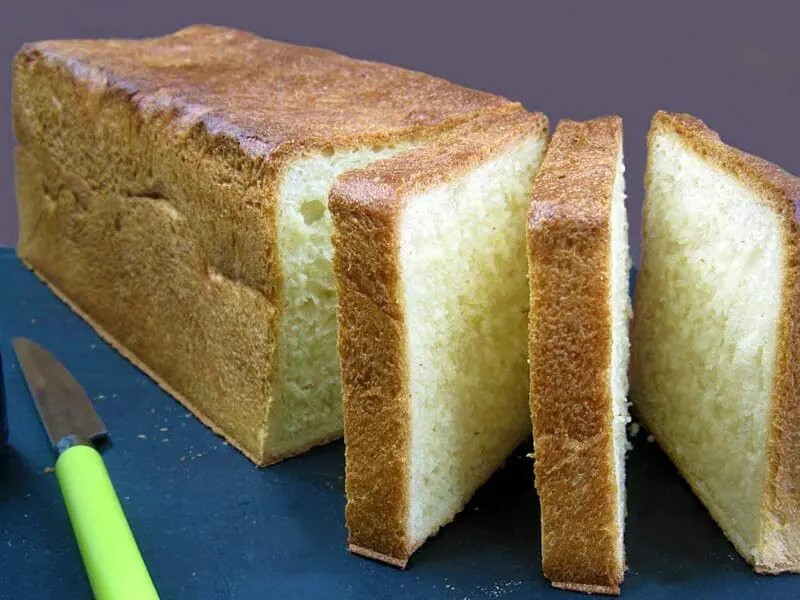
Optimal cooking for crispy cornbread
The preparation of corn bread requires careful attention to baking technique to achieve a crispy crust and soft crumb. To begin, it is essential to choose the ingredients carefully and control the temperature of the oven.
Choice of ingredients and preparation of the dough
First of all, it is crucial to select quality ingredients. The corn flour should be fine and freshly ground to ensure the bread is light. The proportion of corn flour to wheat flour will influence the texture of your bread. A common recommendation is to use a 50/50 ratio to balance taste and texture. Add good quality baker’s yeast and make sure the water used is at room temperature so as not to inhibit yeast activity.
The dough should be kneaded until smooth and elastic, which can take about 10 to 15 minutes by hand. Let the dough rest in a warm place, away from drafts, until it doubles in volume.
Oven Settings and Baking Procedure
The oven must be preheated to a temperature of 220°C (428°F) to allow the bread to bake evenly. Before baking, lightly spray the surface of the bread with water to help form a nice, crispy golden crust. Next, place the bread in the center of the oven on a preheated rack to ensure optimal circulation of hot air.
Cooking time can vary between 25 and 35 minutes depending on the size of the loaf and the specifics of your oven. It is advisable to check the cooking by tapping the bottom of the bread: a hollow sound indicates that the bread is well cooked.
Why encourage cooking at high temperatures?
Using a high temperature quickly caramelizes the natural sugars in the corn flour, giving the bread its characteristic golden color and improving the crunch of the crust. In addition, starting in a hot oven activates the rise of the dough by creating a thermal shock which releases vapors quickly, thus contributing to the lightness of the crumb.
FAQs
- What is the ideal temperature for baking cornbread?
The recommended temperature is 220°C (428°F). - How long should you knead cornbread dough?
You need to knead the dough for about 10 to 15 minutes until it becomes elastic and homogeneous. - Can you use only corn flour to make this bread?
It is possible, but for an optimal texture, a mixture with wheat flour is recommended (50/50 ratio).
Maintaining the banneton after use
Definition and Importance of Banneton
A banneton is a basket used by bakers to shape dough before baking. Usually made from rattan, it helps maintain the structure of the dough while allowing good aeration, which is crucial for fermentation. Maintaining your banneton is essential to guarantee the quality of your breads and their food safety.
Initial Cleaning of the Banneton
After using your banneton for corn bread, it is essential to clean it correctly. First remove the flour residue using a soft-bristled brush. Avoid using water as rattan absorbs moisture, which can make it vulnerable to mold and warping.
Fight Against Humidity and Mold
To prevent moisture and eliminate the risk of mold, be sure to dry your banneton completely after each cleaning. Storing the basket in a dry, well-ventilated area is also crucial. You can also place the banneton under a gentle heat source like a radiator to speed up drying without damaging it.
Optimal Preservation and Storage
Between uses, store your banneton in a permeable fabric bag to prevent dust accumulation while allowing air to circulate. Do not store bannetons stacked directly on top of each other without protection, as this can crush the rattan fibers and alter the shape of the banneton.
Banneton Maintenance FAQ
1. Can I wash my banneton in the dishwasher?
It is not recommended to wash bannetons in the dishwasher. Exposure to high temperatures and large amounts of water can damage the rattan and shorten the life of the banneton.
2. How do I eliminate bad odors from my banneton?
If your banneton begins to give off an unpleasant odor, place it in the sun for several hours. The sun is a natural disinfectant and also helps eliminate odors.
3. Is it necessary to flour the banneton before each use?
Yes, it is advisable to lightly flour the banneton before each use to prevent the dough from sticking. Use rice flour for best results, as it has superior non-stick properties compared to regular wheat flour.