


How to make delicious bacon bread with banneton?
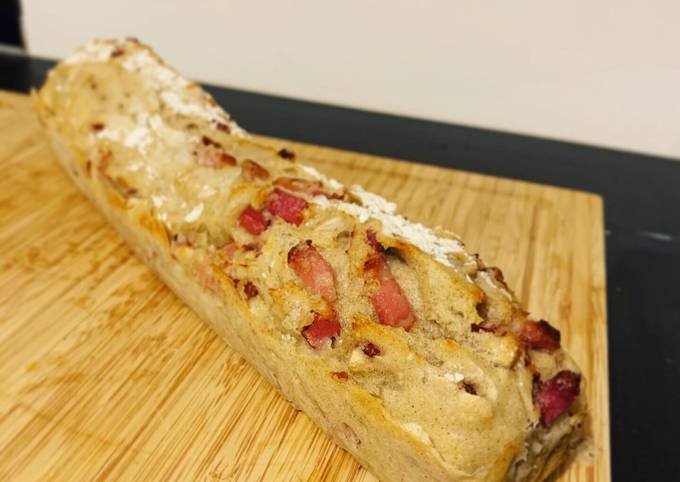

In this article, we discuss the art of making sumptuous bacon bread using a banneton to achieve an airy crumb and crispy crust. You will discover the precise techniques and tips for perfectly integrating bacon into your dough, and how banneton can improve the overall texture of your bread. Whether you’re a home baking enthusiast or a professional looking to expand your specialty bread lineup, this guide will provide you with all the instructions you need to master this flavorful recipe.
Choice of ingredients and preparation of the dough
Rigorous selection of basic ingredients
The choice of ingredients is fundamental to making a quality dough. There flour, the main element of the majority of bread recipes, must be chosen according to its protein level, which directly impacts the formation of gluten, essential for the texture of the bread. It is recommended to use type 55 or 65 flour for traditional white bread, while more specific flours such as rye or wholemeal flour are ideal for breads with more robust flavors.
There yeast where the leaven are the essential fermentation agents. Fresh baker’s yeast provides a quick and reliable rise, while sourdough, more complex to prepare, enriches the bread with a subtle aroma and develops a more interesting texture. In addition, the water used must be at room temperature so as not to inhibit the activity of the yeast.
Preparing and kneading the dough
Making the dough begins by carefully mixing the dry ingredients: flour and salt. Immediately afterwards, add the yeast diluted in a precise quantity of water. For specialty breads, ingredients like flaxseed, crushed corn or oatmeal can also be added at this stage.
THE kneading is crucial: it develops the gluten network, which gives bread its elastic and airy texture. Knead manually or using a mixer for at least 10 to 15 minutes until the dough is smooth, elastic and no longer sticks to your hands or bowl. After kneading, the dough should rest. This resting time, called primary fermentation, allows the dough to double in volume.
Technical point on rest times and temperature
Resting time plays an essential role in the development of flavors and the final texture of the bread. An initial fermentation of 1 to 2 hours at room temperature is generally sufficient. For more developed flavors, some prefer slow fermentation in the refrigerator for 12 to 24 hours. However, make sure that the temperature of the resting place is neither too cold nor too hot, to avoid slowing down or excessively accelerating the fermentation activity.
Dough Mix FAQs
- How does flour type impact bread dough? The type of flour determines the gluten content, which influences the structure and texture of the bread. Flours with a high gluten content are ideal for elastic and airy breads, while rye or wholemeal flours produce denser, fiber-rich breads.
- Can you replace yeast with sourdough? Yes, sourdough can totally replace yeast in most bread recipes. However, it requires longer preparation and different management of fermentation times, thus influencing the taste and texture of the final product.
- How important is water temperature in making dough? Water that is too hot can kill yeast, while water that is too cold can delay fermentation. The ideal water temperature should be around 20°C to optimize yeast activity without inhibiting it.
Articles sur le même Sujet
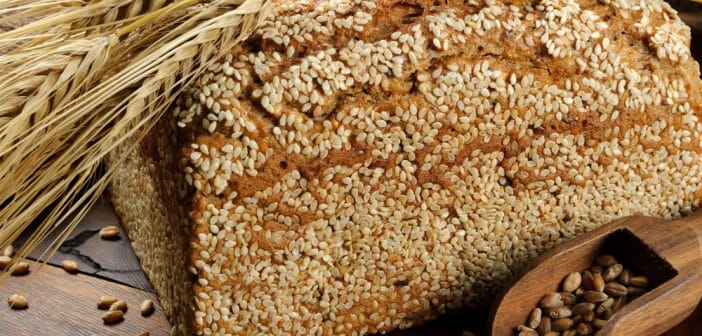

Using the banneton for a perfect shape
Choosing the right banneton
The selection of banneton proper baking is crucial to obtaining an exquisite loaf shape. There are mainly two materials: wicker And plastic. Wicker is traditionally favored for its natural ventilation which facilitates the formation of a crispy crust. The dimensions of the banneton must correspond to the quantity of dough planned: a ratio of dough to the capacity of the banneton is essential to avoid overflows or underfilling.
Preparation before use
Before placing the dough, it is recommended to flour the banneton with rice or wheat flour to prevent the dough from sticking. This step also creates an ideal humid micro-climate during proofing, which improves the texture and flavor of the bread.
Shaping and shaping technique
The shaping technique directly influences the quality of the bread. Once the dough is kneaded, it should be shaped gently but firmly to give surface tension. This allows the dough to retain its shape during fermentation in the banneton. There sewing of the dough should be positioned upwards when placed in the banneton.
Final lifting and unmolding
The last lift, also called primer, is decisive. The dough should stay in the banneton until it almost doubles in volume. Unmolding must be carried out carefully so as not to degas the dough. A quick spill onto a baking sheet or mat is generally recommended.
Banneton maintenance
Regular maintenance of the banneton is essential to ensure its longevity and avoid unwanted flavors. After each use, remove excess flour and let the banneton dry in a well-ventilated area. A soft brush can be used to remove dried paste residue.
FAQs
1. Can you use any flour to flour banneton?
It is recommended to use rice flour because it tends to be less sticky than other types of flour. However, wheat flour can also be used, especially for specific breads that respond better to this type of flour.
2. How long can the dough stay in the banneton?
The time may vary depending on the recipe and room temperature, but generally it should not exceed 2 hours at room temperature. For slow fermentation, the dough can stay in the refrigerator overnight.
3. How do I know if the banneton is the right size for my dough?
A good guideline is that the dough, once placed in the banneton, should occupy between half and two thirds of its height. This allows enough space for proofing without the dough overflowing.
Articles sur le même Sujet
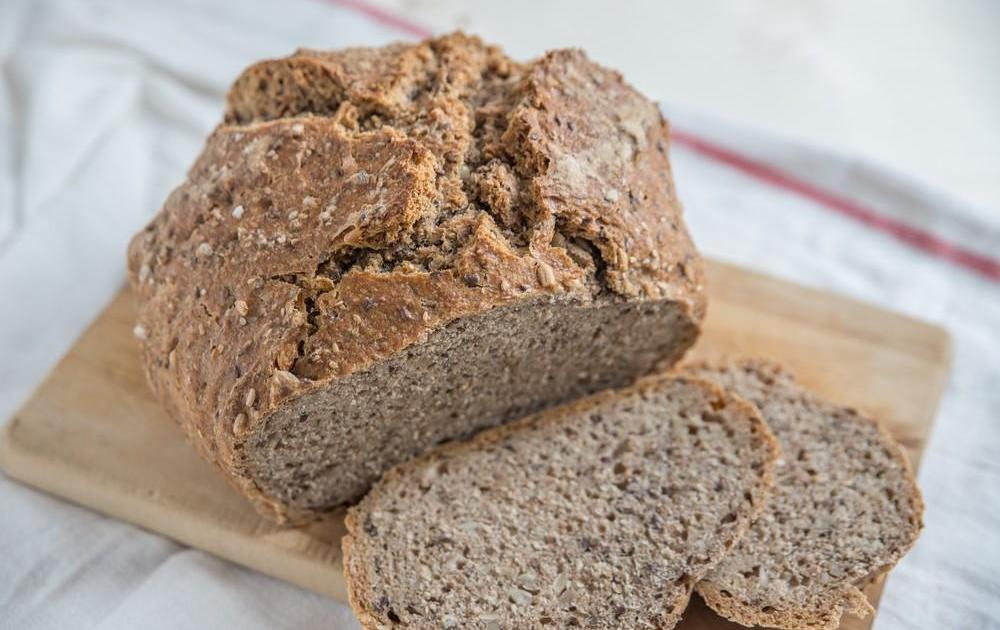
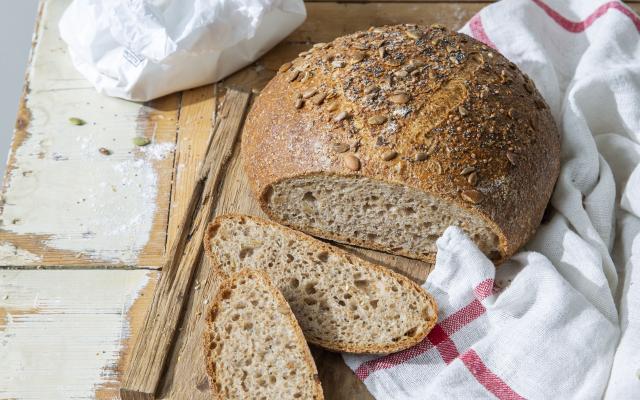
Optimal incorporation of bacon into the dough
The Fundamentals of Incorporating Bacon
The success of the distribution of bacon in a dough depends on respecting a few basic principles. First of all, it is essential to choose good quality bacon. Opt for low-fat and well-seasoned bacon, which can offer a texture that is both tender and firm after cooking. Before incorporating them into the dough, it is recommended to brown them lightly in a pan. This step allows you to lightly pre-cook the bacon to bring out the flavors without causing excess fat in the dough.
Once the bacon is prepared, let it cool before adding it to the preparation. Gently insert them into the already kneaded dough to avoid tearing it. Even incorporation is crucial to ensure equal distribution of flavors in each portion of the final bread or pastry.
Techniques and Tips for Better Incorporation
To effectively incorporate the bacon, one technique is to gently roll them into the expanded dough, then make a series of folds. This method allows the bacon to be hidden in the heart of the dough, thus preventing them from being exposed directly to the heat of the oven, which could dry them out or burn them. Another important point is the temperature of the dough: make sure that it is at room temperature to facilitate the incorporation of the bacon without it congealing the butter or the fat present.
The quantity of bacon incorporated depends on taste and the type of recipe. However, maintaining a balance is essential so as not to overpower the flavor of the dough itself. Use bacon sparingly to enrich the preparation without altering its original texture.
Nutritional and Storage Considerations
The introduction of bacon into a recipe also impacts the nutritional aspects of the finished product. Bacon, often high in fat and sodium, can modify the caloric values of bread. For a healthier option, consider using low-fat bacon or even plant-based alternatives that mimic the flavor and texture of traditional bacon.
As for preserving bread or pastries with bacon, it is important to note that adding meat can reduce the life of the product. Store these preparations in a cool, dry place or in a refrigerator to prolong their freshness. Freezing is another viable option for preserving quality over an extended period of time.
FAQs
1. Can we use smoked bacon to incorporate into the dough?
Smoked bacon can be used and adds an extra dimension to the taste. However, their intense flavor can overpower that of the pasture. It is advisable to dose them with caution.
2. How to prevent bacon from making too much fat?
Lightly pre-cooking the bacon allows some of the fat to melt, which reduces its excessive presence in the final bread. Let them cool on absorbent paper before incorporating them into the dough.
3. Should we modify the basic dough recipe by adding bacon?
It is recommended to maintain the classic dough recipe and add the bacon as a garnish without any additional modifications. However, make sure that the dough is sufficiently hydrated to compensate for the absorption caused by the addition of the bacon bits.
Articles sur le même Sujet

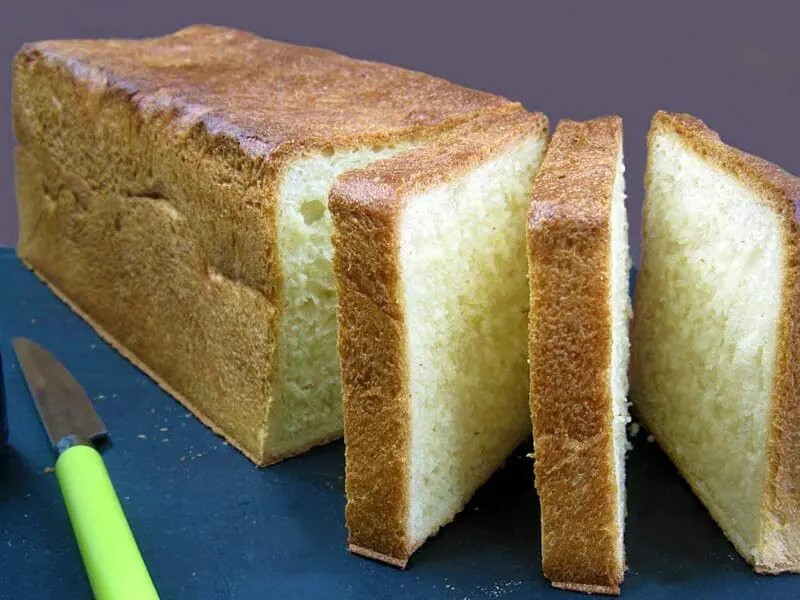
Cooking: temperature and duration for ideal bread
Key Factors in Baking Bread
There baking bread is a crucial phase that transforms the dough into a golden, crispy and tasty loaf. Understanding the impact of temperature and time is essential to achieving consistent, quality results. Depending on the type of bread, the cooking parameters will vary significantly.
Optimal Temperature for Baking Bread
In general, the ideal temperature for baking most types of bread is between 220°C and 250°C. The high-society temperature initial time allows the dough to rise quickly, a phenomenon known as “fogging”. The latter is responsible for the final rising of the bread before the crust begins to form.
Some specific breads, such as those made with richer doughs or containing fruit, require lower temperatures, around 180°C to 200°C, to prevent the exterior from burning before the interior is completely cooked.
Adapted Cooking Time
Baking time varies depending on the size and type of bread. A small baguette can take around 25 minutes, while a large country loaf can take up to 45 minutes or more. It is essential not to rely solely on the expected time: the bread must be monitored and tested.
- Crust color : It should be uniformly golden.
- Sound at the base : A baked loaf sounds hollow when tapped at the base.
- Internal temperature : It must reach around 98°C for perfectly cooked bread.
Using Steam in Baking Bread
Adding steam at the start of baking is a frequently used technique to improve crust quality. Steam delays crust formation, allowing the dough to fully expand and create a shiny, crispy crust when evaporated.
Articles sur le même Sujet
Unmolding and finishing for crispy bread
Preparation and choice of mold
One of the essential keys to successful unmolding of a crusty bread depends on the right choice and preparation of the mold. It is recommended to opt for molds made of non-stick material or to grease and flour traditional metal or ceramic molds well. This step creates a barrier between the dough and the surface of the mold, thus facilitating unmolding while preserving the crispy structure of the crust.
Unmolding techniques
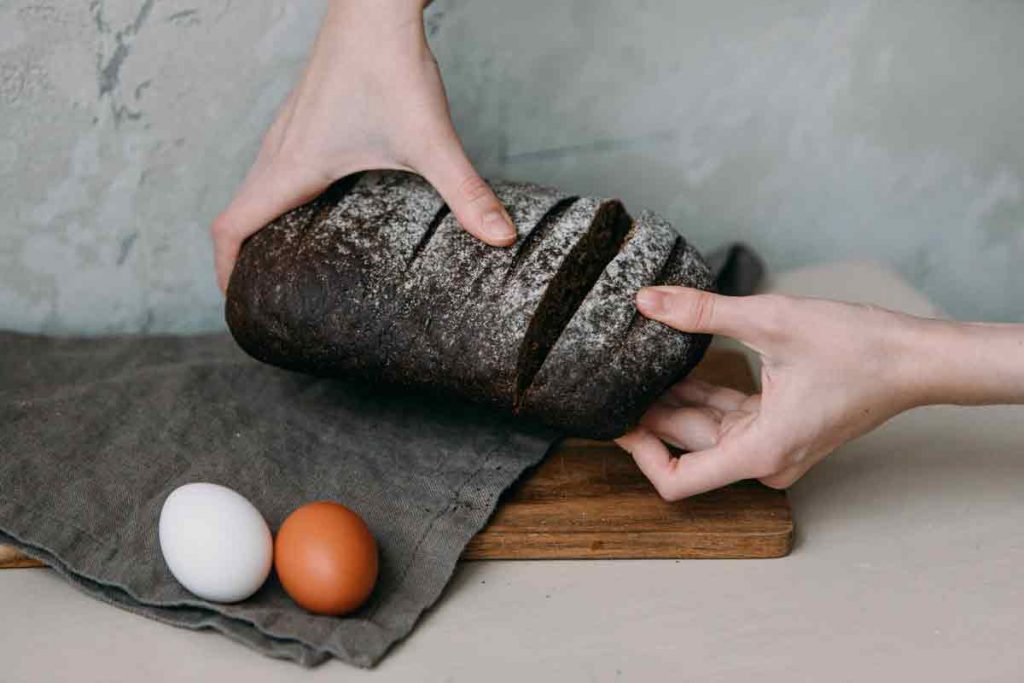
After baking, it is essential to let the bread rest in the pan for a few minutes before attempting to unmold it. This wait allows the structure of the bread to firm up, reducing the risk of the bread becoming misshapen or breaking during unmolding. To unmold, gently run a spatula or knife around the edges of the mold before inverting the bread onto a cooling rack. Grip the pan firmly and wiggle the bread slightly to check that it is free to move.
Techniques for a crispy crust
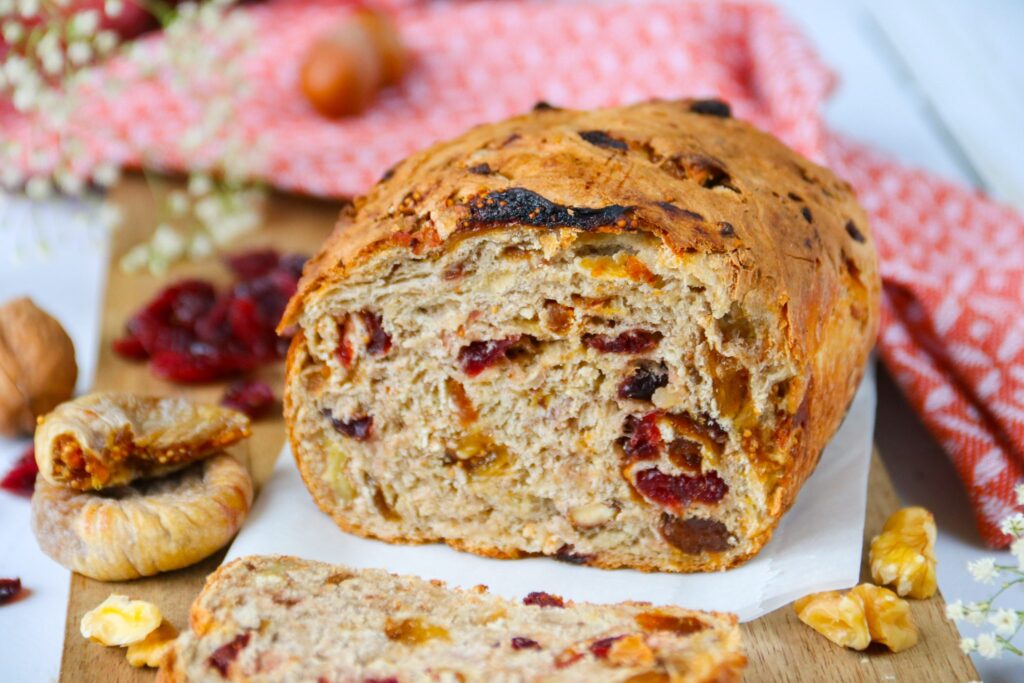
To obtain a crispy crust and golden, several techniques can be applied during cooking. Using a well-preheated oven is crucial; the initially high heat (around 230°C) helps create a thermal shock which generates this desirable crust. After about 10 to 15 minutes, lower the temperature to allow the bread to cook through without burning the surface. Adding steam at the start of cooking also contributes to the quality of the crust by allowing the bread to continue to rise without the surface becoming too hard too quickly.
Use of finishes and trims
Before cooking, apply different finishes and trims can not only improve the visual appearance of the bread but also add interesting textures to the crust. Sesame seeds, poppy seeds or salt flakes can be sprinkled on the bread just before baking. For a shiny, colorful crust, brushing the surface of the bread with a mixture of beaten egg and water before baking also provides great results.
FAQs
How to prevent bread from sticking to the mold?
Be sure to grease the pan well and use it according to the manufacturer’s instructions. Silicone molds and non-stick treated molds are particularly practical to prevent bread from sticking.
When is the best time to apply toppings to bread?
Toppings should be applied just before putting the bread in the oven, after the final shaping step and just before putting it in the oven.
How long should you let bread cool before unmolding it?
It is advisable to let the bread rest in its mold for 5 to 10 minutes after baking. This allows the structure of the bread to stabilize and facilitates clean unmolding.
Serve and enjoy: ideas for accompaniments for your bacon bread
Association of cheeses and charcuterie
Make it easier to taste your bacon bread by combining it with hard cheeses like Comté or Gruyère, which offer a nice balance with the smoky taste of bacon. For a touch of originality, opt for moldy cheeses like Roquefort. Accompany these with cold meats, such as dry sausage or chorizo, for an enriching taste combination.
Tapenades and cream spreads
Highlight the aromas of bacon bread with black or green tapenades. The olives, mixed with Provence herbs, develop a texture and richness that go perfectly with the bacon bread. In addition, a selection of cream spreads, such as artichoke or pepper cream, will bring softness and refinement to your accompaniment.
Grilled vegetables and mixed salads
Grilled vegetables such as zucchini, eggplant or peppers accentuate the rustic flavors of the bacon bread. Mixed salads, decorated with nuts or balsamic vinaigrette, provide a freshness that contrasts pleasantly with the heat of the bread. For a crunchy texture, add croutons made from the same bread to the bacon.
Soups and veloutés
Serve it bacon bread with soups or veloutés, such as pumpkin velouté or onion soup, creates a comforting and delicious combination. Bacon bread will add a smoky and meaty dimension to these comforting dishes, especially by grilling it lightly to enhance its crispy texture.
Craft wines and beers
The salty and smoky characteristics of bacon bread pair harmoniously with light red wines or stout and porter beers. These drinks, with their earthy and sometimes chocolatey notes, deliciously complement the intensely umami flavors of the bread.
FAQ about accompanying bacon bread
- Which cheese to choose to accompany bacon bread? Opt for hard or moldy cheeses to balance the smoky flavors of the bacon.
- Can bacon bread be served with vegetarian dishes? Absolutely, grilled vegetables or tapenades are great options.
- What drink to accompany bacon bread? Light red wines and stout or porter beers are particularly recommended.