


How to prepare sports bread with a banneton?
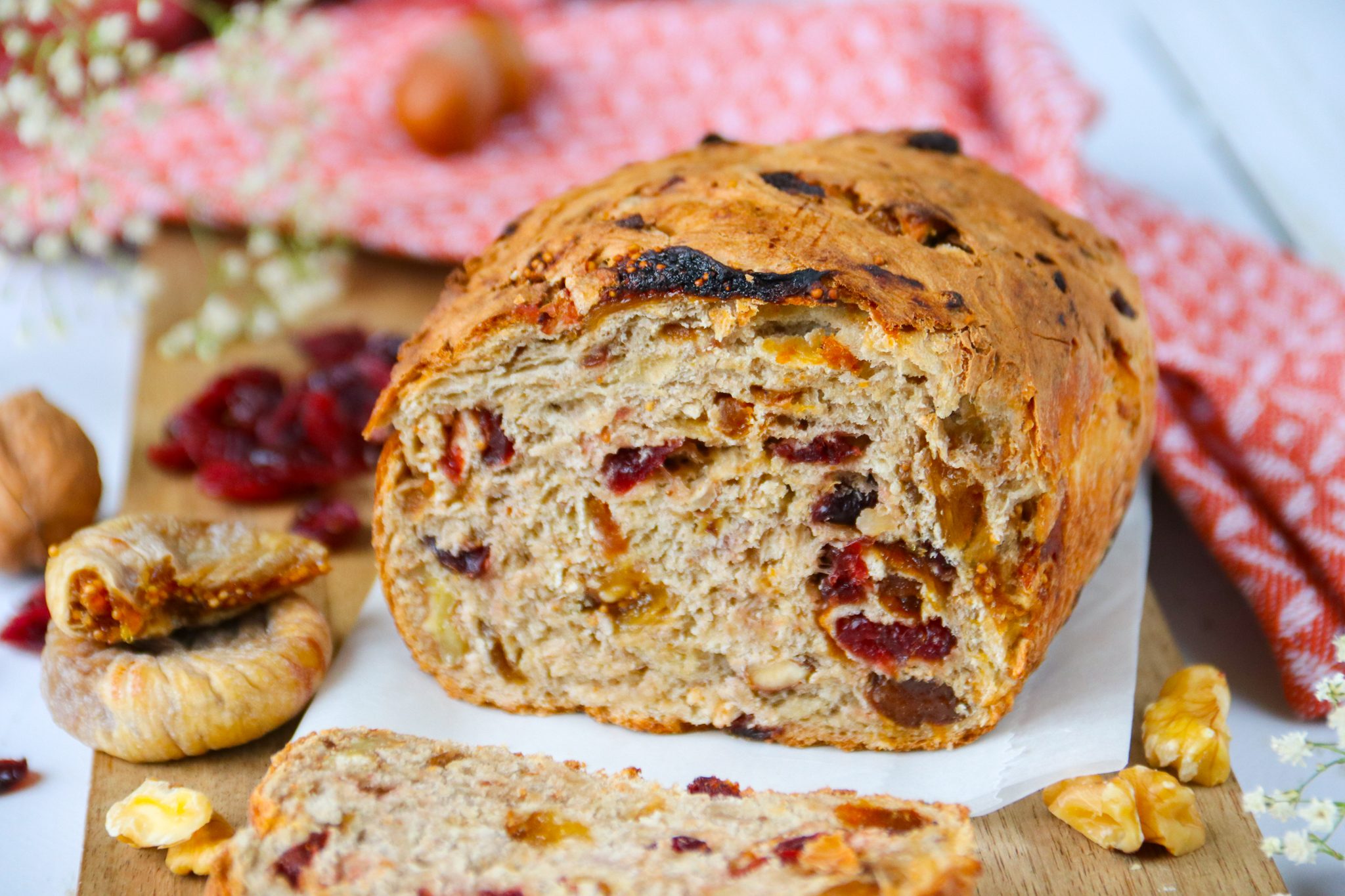

Discover the secrets to making perfect sports bread using a banneton, an essential element for obtaining an ideally crispy crust and an airy crumb. This article will guide you through the key steps, from choosing the right flour blend to mastering fermentation and baking, to ensure your bread not only supports your sporting activities, but also delights your taste buds . Embark on this artisanal adventure to transform your baking routine into an enriching culinary ritual.
Choice of ingredients for a sports bread
The quality and selection of ingredients of a sports bread are essential to provide the energy and nutrients needed by athletes and active people. This article will discuss the best choices in terms of flours, seeds, and other supplements, aimed at optimizing physical performance and recovery.
High-Performance Flours in Sports Nutrition
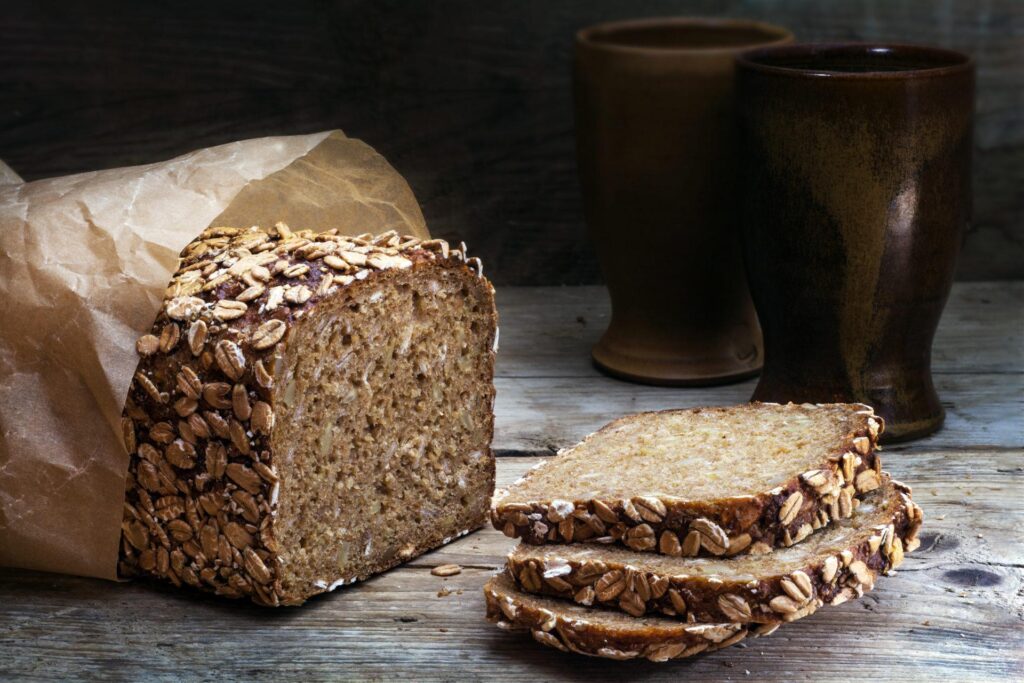
The basis of any bread recipe, flour, must be selected carefully. For sports bread, it is recommended to use flours rich in protein and fiber. There wholemeal flour or the Spelt flour are excellent choices due to their high nutrient content and their ability to release energy gradually. There whole wheat flour provides complex carbohydrates, essential for energy reserves. To reduce the glycemic index and increase the fiber content, it is also possible to include in the recipe a portion of Rye flour or oatmeal.
Inclusion of Seeds and Cereals
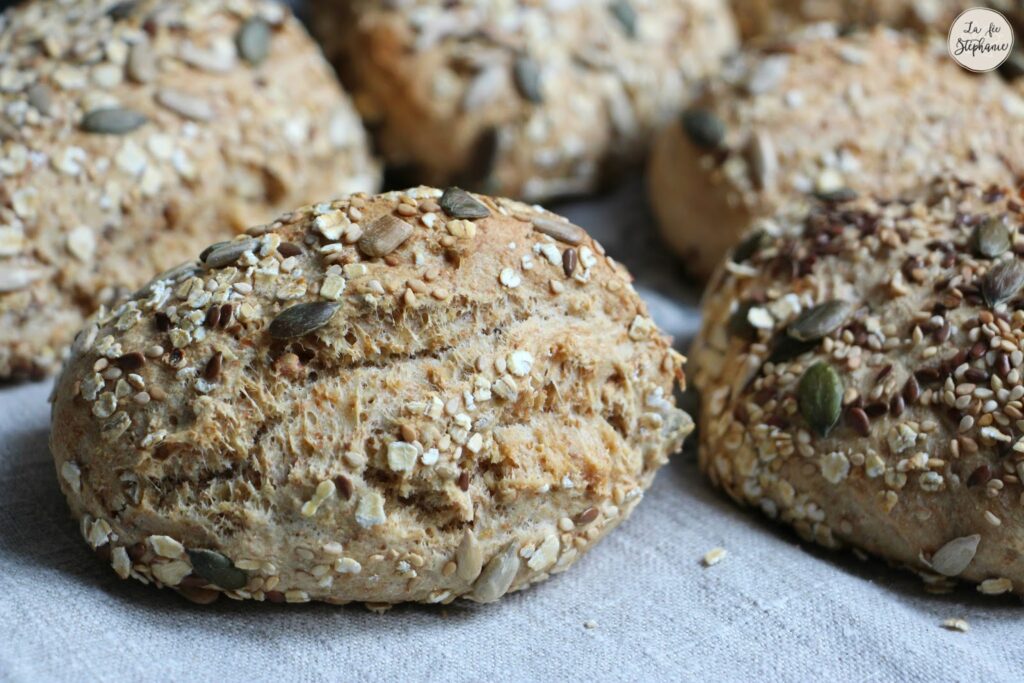
The addition of seeds and cereals in the dough not only enriches the taste of bread, but also increases its nutritional value. THE chia seeds or linen, rich in omega-3, promote muscle recovery and anti-inflammation. THE oatmeal, with their high beta-glucan content, help regulate blood glucose levels, which is vital for endurance. Seeds like Sun-flower seeds or pumpkin can be incorporated for their proteins and minerals.
Supplemental Protein and Other Energy Components
To increase the protein content of bread, it is often beneficial to add protein powders, such as pea or whey protein powder. These additions help with muscle repair and growth after exercise. For slow release energies, integrate dried fruit like figs or apricots can be very interesting, adding fiber and natural carbohydrates to the recipe.
Importance of Hydration and Other Nutritional Tips
The hydration of the dough must be adjusted according to the dry ingredients. Use liquids such ascoconut water or natural fruit juices can enrich bread with electrolytes and vitamins, supporting hydration, particularly beneficial after physical activities. Natural fermentation, possible with the use of leaven instead of commercial yeast, can also help improve digestibility and absorption of nutrients.
FAQs
What type of flour is most beneficial for sports bread?
Whole or semi-whole flours such as spelled or whole wheat are recommended for their richness in protein and fiber, beneficial for prolonged energy.
Yes, flours such as buckwheat or quinoa flour are excellent gluten-free alternatives, providing essential protein and minerals for athletes.
There is no fixed amount, but enriching the dough with protein powders or protein-rich seeds can help meet athletes’ individual protein needs.
Articles sur le même Sujet
Using banneton for better rising
What is a banneton and why is it essential?
THE banneton is a traditional tool used by bakers to support the dough during its final rise, also called evidence. Made of wicker, rattan, wood or synthetic materials, it helps maintain the shape of the bread while absorbing excess moisture, helping to form a well-defined crust. In fact, the structure of the banneton allows air to circulate around the dough, thus preventing the bottom of the bread from becoming wet and sticky.
Choosing and preparing your banneton
The selection of banneton appropriate depends on several factors, including the size and shape of the bread you plan to bake. Bannetons come in a variety of shapes such as round, oval, or even more specific shapes for baguettes. It is crucial to choose a banneton that is slightly larger than your dough, as it will increase in volume when rising.
Before each use, it is recommended to generously flour the banneton to prevent the dough from sticking. Use rice or corn flour for this, as they keep the dough from sticking better than wheat flour. An alternative is to use a clean cloth rolled up in the banneton, also well floured.
Shaping and lifting techniques
Once your dough is ready, it is important to shape it correctly before placing it in the banneton. This step not only guarantees a beautiful shape to your bread but also a good distribution of yeast and gases, essential to obtain an airy and light texture. The classic technique consists of creating surface tension while preserving the internal structure of the dough.
Then place the dough in the banneton with the seam side up. This will allow the seam to seal naturally during baking, preventing the bread from opening unexpectedly. Cover the banneton with a slightly damp cloth to prevent the dough from drying out during proofing, which should be done in a warm place away from drafts.
Transfer and cooking
The final step before baking is transferring the dough from the banneton to the oven. Preheat your oven by placing a pizza stone or baking sheet upside down. Carefully invert the banneton onto baking paper to release the dough. Make cuts on the top of your bread before putting it in the oven; this helps direct the expansion of the bread as it begins to bake.
Steam is a key element in obtaining a crispy crust. One tip is to throw a few ice cubes on the floor of your oven or in a heatproof container placed in the bottom of the oven at the start of cooking. This process creates a thermal shock favoring the formation of a beautiful crust.
FAQs
1. Can we use the same banneton for different types of bread?
Yes, a banneton can be used for different types of bread. Just make sure to clean and flour it properly between each use.
2. How to clean a banneton after use?
After each use, remove excess flour with a soft brush. If the banneton is very dirty, let it dry completely then gently scrape off the residue before brushing it. Avoid washing the banneton with water so as not to alter its shape and materials.
3. How long does it take for dough to rise in a banneton?
Proofing time can vary from 1 to several hours, depending on room temperature, type of yeast and recipe used. It is important to monitor the dough and cook when it has risen sufficiently and not at a predefined time.
Articles sur le même Sujet

Specific kneading steps for sports bread
Do sports bread can sometimes seem intimidating, especially when you aim to improve your physical performance while having fun. THE kneading is one of the key steps to obtain a perfect texture and optimal nutritional qualities.
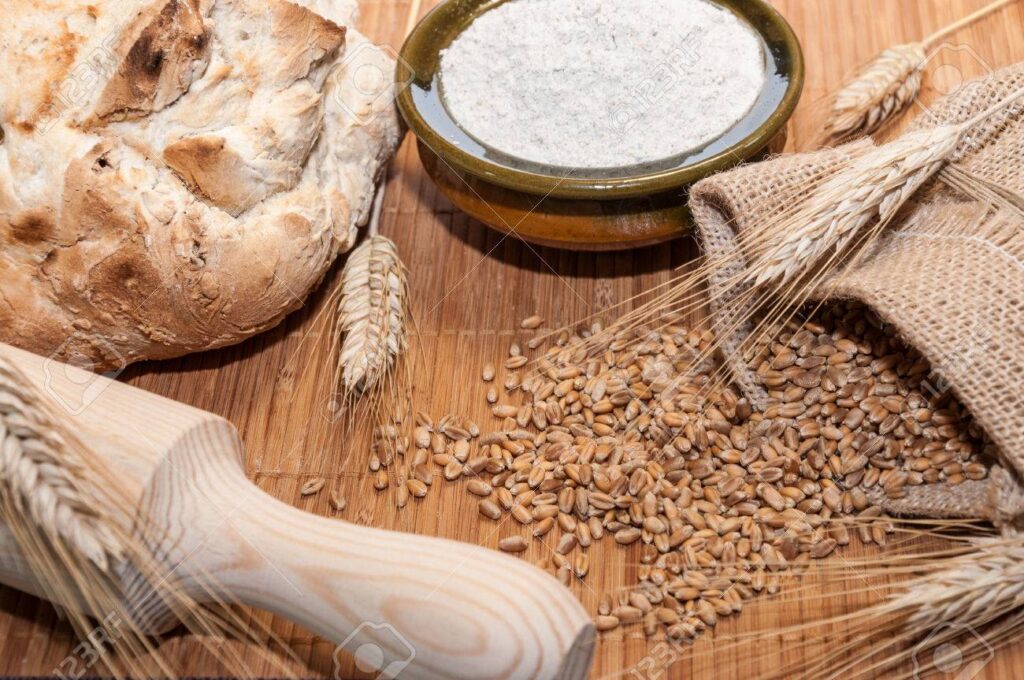
The choice of flour is essential in the preparation of sports bread. For a high energy intake and easier digestion, wholemeal flours or those rich in protein are preferable. These flours not only have a lower glycemic index, but they are also rich in fibers and in minerals, essential for active people.
Lukewarm water is recommended to activate the yeast optimally. This step is crucial for fermentation and must be managed carefully, as temperature directly influences yeast activation.
The kneading technique is crucial and varies depending on the type of bread you want to obtain. A intense and long-lasting kneading will help develop more gluten, which is ideal for denser, energetic breads, often sought after in sports breads for their ability to release energy more gradually during exercise.
For beginners, kneading for at least 10 to 15 minutes is recommended. It is also possible to use food processors to ensure even and regular kneading, which is essential for the elasticity and texture of the dough.
Leave the dough to rest is just as important as kneading. The rising time should be long enough to allow the dough to double in volume. This not only improves the texture, but also the flavor profile of the bread.
| Key point | Recommended action |
| Choice of flour | Opt for wholemeal or protein-enriched flours. |
| Yeast activation | Use warm water to dissolve the yeast. |
| Kneading | Knead intensively to develop the gluten. |
| Resting the dough | Leave to rise until the dough doubles in volume. |
FAQ:
1. What is the best flour to use for sports bread?
A blend of wholemeal flours with a high proportion of high-protein flours is ideal for maximizing nutritional benefits and long-term energy.
2. How long should you knead the dough for sports bread?
For a sporty bread, kneading for at least 10 to 15 minutes is recommended. This may vary depending on the strength of the mixer used.
3. Is it necessary to let the dough rest after kneading?
Yes, letting the dough rest and double in volume is crucial to developing the structure of the bread and its flavors.
Articles sur le même Sujet
Ideal cooking time and temperature
Cooking Fundamentals
Understanding cooking times and temperatures is crucial to the success of all your culinary preparations. It starts with knowing your oven and its particularities. Take into account that each appliance may vary slightly in terms of heat distribution. For uniform and optimal cooking, preparing the oven is as essential as preparing your dishes.
Temperatures and Times for Meat and Fish
Cooking animal proteins such as meat and fish requires precision and caution to guarantee both food safety and taste quality. Here are some benchmarks:
- Beef: For rare cooking, maintain an internal temperature of 52-55°C. For medium-rare cooking, aim for between 55-60°C.
- Chicken: The internal temperature must reach at least 74°C to eliminate any bacteriological risk.
- Pisces: An internal temperature of around 60°C is sufficient for most fish, which helps maintain their soft texture.
Settings for Vegetables and Fruits
Cooking vegetables and fruits varies considerably depending on the desired texture and the recipe. For roasted vegetables, an oven temperature of around 200°C is effective, while for fruit compotes, slow cooking at 160°C helps preserve essential flavors and nutrients.
Settings for Pastries and Bakeries
In the field of baking and pastry, precise temperatures are the pillar of a perfect result. A preheated oven is essential:
- Cakes and cookies: 180°C is often the standard for uniform cooking.
- Sourdough breads: Start at a high temperature of 230°C then lower to 200°C, maintain this setting to better control crust formation.
FAQs
What is the best way to measure the internal temperature of food?
Using a cooking thermometer is the most reliable method for accurately measuring the internal temperature of meats, fish and even some breads.
How do I adjust the cooking time for an oven that heats unevenly?
It is advisable to turn the dish halfway through cooking, or to use a baking stone to distribute the heat more evenly.
Is it necessary to preheat the oven for all recipes?
The majority of recipes require a preheated oven to guarantee even cooking within the indicated times, particularly in pastries.
Articles sur le même Sujet
Storage of sports bread to maintain freshness
THE adequate storage is crucial to maintaining the freshness of sports bread. Airtight packaging can significantly extend the life of your bread by preventing exposure to air, which is the main factor in bread aging.
Choosing the right packaging
Opt for material packaging anti-humidity to preserve your bread. Airtight containers or storage bags designed specifically for bread are good choices. These materials prevent moisture caused by ambient air from penetrating, which helps preserve the texture and flavor of the bread.
Temperature and storage conditions
Store your bread in a cool, dry place. Avoid areas subject to large temperature changes or high humidity, which can accelerate the staling process. A pantry or closet out of direct sunlight is ideal.
If you need to store bread for an extended period of time, freezing is a viable option. Be sure to slice the bread before freezing to make it easier to use every day. Wrap each slice individually or use a freezing method that prevents the slices from sticking together.
Refreshing techniques
When you are ready to eat the bread, refresh it to regain a pleasant texture. An effective method is to lightly reheat the slices in an oven preheated to around 150°C for a few minutes. This step restores the bread to its crisp texture and initial taste.
FAQs
How to prevent sports bread from hardening too quickly?
Make sure your bread is completely cooled before packaging it and opt for a container that limits air exchange. Using moisture-proof materials when packaging is also essential.
Can I freeze sports bread to extend its life?
Certainly, freezing is a great way to extend the shelf life of sports bread. Be sure to wrap your bread well to prevent freezer burn and slice it before freezing for easy use later.
Where is the best place to store sports bread?
A cool, dry location, protected from temperature changes and direct sunlight is ideal. Avoid humid environments that encourage mold growth.
Recipe ideas using sports bread
The Base: Chia Seed and Banana Sports Bread
THE sports bread must be nutritious and energetic. To begin, let’s opt for a recipe enriched with chia seeds And bananas. These ingredients are known for their high content of omega-3, fiber and potassium, essential for athletes. Mix around 250g of wholemeal flour with chia seeds, a mashed banana, baker’s yeast and lukewarm water. Let everything ferment for an hour before baking in the oven at 180°C for 30 minutes.
Energy Bread with Oatmeal and Blueberries
For a variant full of antioxidants, oatmeal And blueberries are wise additions. These foods not only help regulate blood glucose but also provide a significant dose of antioxidants. Incorporate rolled oats and fresh blueberries into your base dough to combine flavor and nutritional benefits. This preparation can also include a little honey for a touch of natural sweetness.
Protein Bread with Almond Flour and Cocoa Nibs
Consider integrating the almond flour and the cocoa nibs for a bread rich in proteins and flavonoids, beneficial elements for blood circulation and muscle recovery. The rich protein content of almond flour makes it an excellent choice for pre- or post-exercise muscle building. Add cocoa nibs to give a chocolatey note while maintaining a high nutritional profile.
FAQ: Frequently Asked Questions
1. What are the best ingredients to include in sports bread?
Ingredients such as chia seeds, bananas, oatmeal, blueberries, and almond flour are great because they provide energy, protein, and essential nutrients.
2. How long does it take to prepare sports bread?
Preparation takes about 10 to 15 minutes, fermentation can take up to an hour and cooking around 30 minutes, depending on the recipe.
3. Can I replace wheat flour with another flour?
Yes, for gluten-free or higher protein options you can use flours such as almond, coconut or quinoa flour.