


How to make medieval bread with a banneton?


Discover the ancient art of bread making from the Middle Ages using a banneton, a key utensil for achieving a perfect shape and crispy crust. This article will guide you through the historical and technical steps to recreate authentic bread with period flavors at home, using traditional methods and recipes. Rediscover the simple and profound pleasures of homemade with this detailed overview of the use of banneton in the preparation of medieval bread.
Exploring traditional medieval bread ingredients
The Cereal Bases of Medieval Bread
During the Middle Ages, the ingredients basic materials for making bread were mainly the cereals. Variety depended greatly on geography and climate. THE rye and barley were commonly used in the northern regions of Europe, while wheat, especially durum wheat, predominated in the Mediterranean regions. THE millet and oats also frequently completed the list of grains used for bread, providing a diversity of textures and flavors.
Natural Yeasts and Brightening Agents
Unlike the modern use of commercial yeast, natural leaven was essential to the fermentation process of medieval bread. This leaven develops thanks to the capture of yeasts and air bacteria. The natural sourdough added not only texture but also depth to the taste of the bread. Experiments with different ferments such as beer or leftover dough from previous bread making were also common to induce rising of bread.
Additives and Condiments
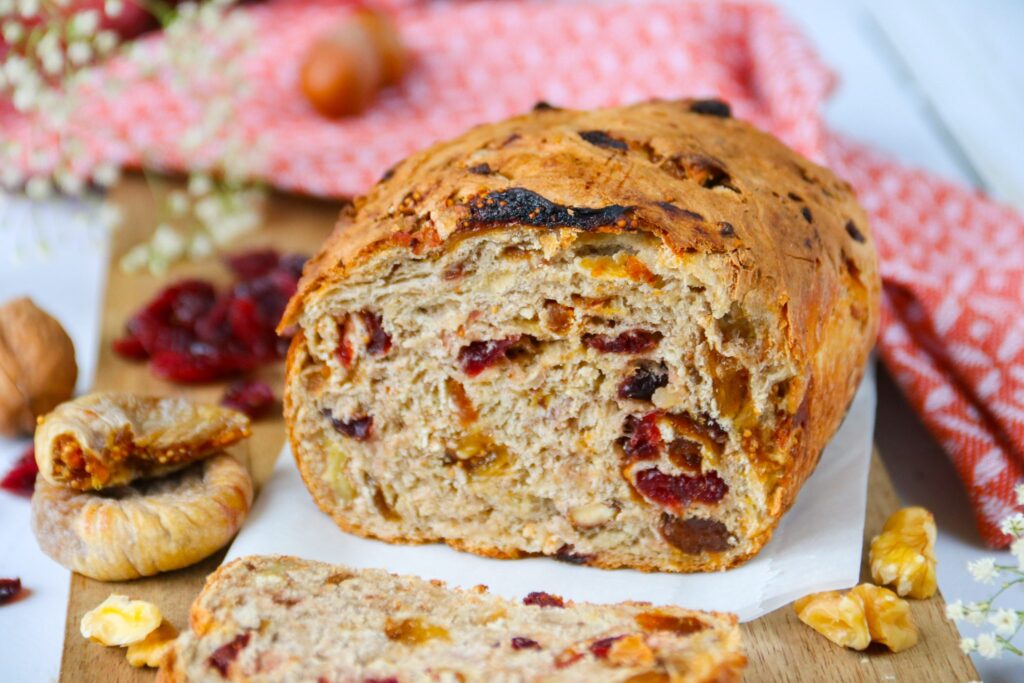
In the Middle Ages, the enrichment of breads with various additives was common in order to improve taste or nutritional value. The breads could be decorated with fruits, such as apples or figs, nuts, or even spices such as cumin and cinnamon. All these ingredients were integrated into the base dough to offer taste variations and improved nutritional qualities, in line with seasonal availability and local festivities.
Frequently asked Questions
- What were the main differences between today’s bread and medieval bread?
Medieval bread differed primarily in the types of grains used and the leavening techniques. The breads did not contain preservatives and the variety of ingredients depended strictly on local and seasonal resources. - Was it common to use animal products in medieval bread?
Although less common than in modern practices, the use of products such as milk or eggs was still common to enrich bread during special festivities. - How did medieval bakers preserve bread?
Bread was often eaten fresh, but to preserve it, it was sometimes dried or stale to then be used in soups or puddings.
Articles sur le même Sujet
Using banneton to shape bread
THE banneton, also known as bread layer or proofing basket, is an essential tool for bread lovers. traditional bakery. The use of banneton helps support the dough during its final fermentation phase, making it rise evenly and keeping it in shape before baking.
Choosing the right banneton
A variety of bannetons are available, each designed for different types of bread. Common materials include canvas, L’wicker and the plastic. The choice of material can come down to personal preference, although wicker is often favored for its ability to absorb excess moisture, which encourages the formation of a crispy crust.
- Size and shape: The banneton should be chosen according to the size of the bread you plan to bake. Shapes also vary, with round, oval or long options available.
- Material: Wicker bannetons are known for their natural non-stick properties and to help regulate humidity.
Preparing the banneton
Before each use, it is crucial to prepare the banneton to ensure easy unmolding of the bread after fermentation. This usually involves dusting the banneton with flour to create a non-stick surface. Here are the recommended steps:
1. Sprinkle the banneton generously with flour. Rice flour is often recommended due to its superior non-stick properties.
2. Lightly tap the banneton to distribute the flour evenly, making sure to cover all the corners.
3. After use, brush the banneton to remove excess flour and let it air dry.
Shaping and fermentation techniques
Shaping the dough and placing it in a banneton are key steps in obtaining a beautiful shape and airy structure for the bread. After forming your dough, gently place it into the banneton with the seam facing up. This allows the joint to weld together during fermentation without being disturbed.
The dough should then ferment in a warm place until it has almost doubled in size. Fermentation temperature and time may vary depending on the recipe and type of bread.
Frequently Asked Questions (FAQ)
Can you use a banneton for all types of bread?
Yes, bannetons can be used for most types of dough, but they are especially useful for soft doughs that require support to maintain their shape.
How to clean a banneton?
It is advisable to clean the banneton with a dry brush to remove dough and flour residue. Avoid washing wicker bannetons with water as this can encourage mold to form.
What is the difference between a wicker banneton and a plastic one?
Wicker bannetons provide better air circulation around the dough, making it easier to form a crust. Plastic bannetons are easier to clean and can be an option if you are looking for practicality.
Articles sur le même Sujet
Kneading and rising techniques specific to the Middle Ages
Banneton, although generally associated with modern baking, has its roots in ancient practices, some of which date back to the Middle Ages. At that time, bread making required specific techniques and tools to knead the dough and make it easier to rise.
The role of the medieval banneton
In the medieval setting, banneton was primarily used to maintain the shape of bread during rising, a crucial aspect due to the coarser types of flour employed at the time. Made from natural materials such as woven straw or rush, this container also allowed the dough to breathe, thus promoting an optimal environment for the natural fermentation of the yeasts present in the sourdough.
Traditional kneading techniques
Medieval kneading was heavily influenced by the tools and techniques available. Lacking modern machinery, medieval bakers relied on manual methods to knead dough. This step was not only physical but required in-depth knowledge of the textures and elasticity desired for the type of bread desired. The kneading had to be vigorous enough to develop the gluten, which is crucial for the structure of the bread.
Proofing process in a banneton
Using the natural properties of banneton, medieval bakers optimized the rising of the dough by creating conditions favorable to slow fermentation. Dough was often left to rise near sources of gentle heat, such as near a fireplace or in a warm room. This prolonged fermentation method was essential for developing the characteristic flavors and texture of breads of the time.
Proofing in a banneton also helped to imprint decorative patterns on the bread, a significant element in medieval culture where bread often served as a symbol in ceremonies or festivities.
FAQ: Banneton and medieval techniques
1. What type of material was used to make bannetons in the Middle Ages?
Bannetons were typically made from natural materials like woven straw or rush, which provided good air circulation while maintaining the shape of the dough.
Efficient kneading was crucial to developing the gluten needed for the structure of the bread. This directly influenced the texture and ability of the bread to rise well during baking.
Slow fermentation allowed better aroma development and improved the texture of the bread. It also played an important role in the preservation of bread, a crucial aspect at a time when means of preservation were limited.
Articles sur le même Sujet
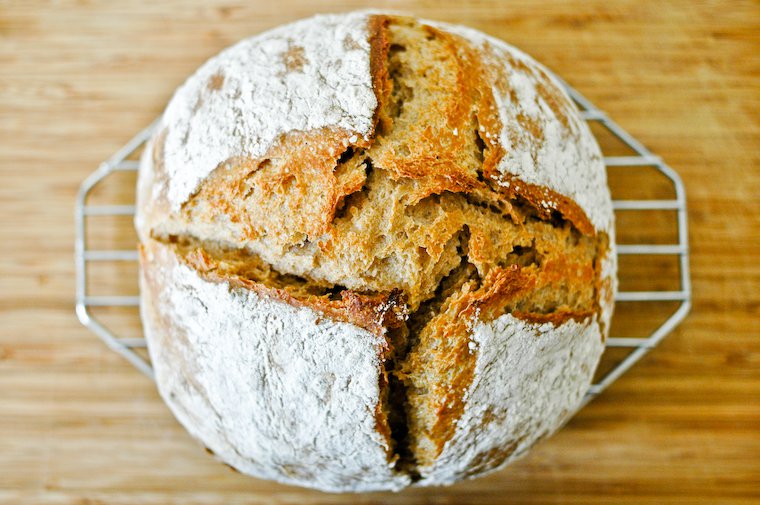
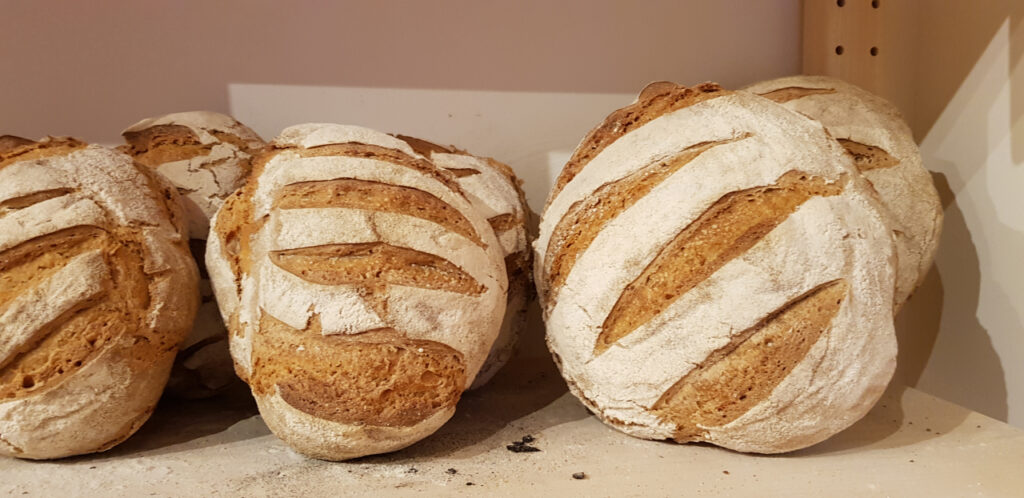
Baking bread: ancient and modern methods
Ancient Methods of Baking Bread
In the baking tradition, bread baking has evolved through the centuries, beginning with ancient methods that primarily use bannetons. These are fermentation baskets often hand-woven from natural materials such as rye straw or rattan. Their primary function is to give the bread its desired shape while allowing the dough to maintain an airy and light structure.
The use of bannetons is particularly relevant for the preparation of breads based on leaven, where the texture and crust of the bread require special attention during fermentation. Once the dough is placed in the banneton, it is covered with a cloth to prevent drying out, and left to ferment in a temperate environment, thus promoting optimal rising.
Modern Bread Baking Techniques
With technological advancement, new methods of baking bread have emerged. Modern equipment such as electric stoves or convection offer even heat distribution, which is crucial for obtaining a golden, crispy crust. In addition, automated cooking programs allow you to precisely regulate temperature and humidity, providing impeccable consistency in every batch.
Innovations also include the use of modern materials like silicone for bannetons, which ensure non-sticky adhesion and easy cleaning. Likewise, treating the molds with non-stick coatings optimizes the demoulding process without risking damage to the airy structure of the bread.
Comparison of Cooking Methods
Comparing ancient and modern cooking methods, it is evident that each method has its specific advantages. Traditional methods, for example, are often favored for their ability to enrich the flavor of bread through longer fermentation processes. On the other hand, modern techniques impress with their efficiency and their ability to produce consistent, high-quality results.
It is also important to note that adopting one method over another may depend on personal preferences in terms of bread texture and taste, as well as practical considerations such as available preparation time and material resources.
FAQs on Baking Bread with Banneton
What are the advantages of using a banneton when baking bread?
Using a banneton helps maintain the shape of the bread during fermentation, improves the texture of the crust and promotes even rising.
Can you use bannetons in a modern oven?
Yes, bannetons can be used in modern ovens. However, it is crucial to remove the bread from the banneton before putting it in the oven.
How to maintain a banneton?
It is recommended to clean the banneton with a soft brush and allow it to air dry completely to prevent mold from forming.
Articles sur le même Sujet

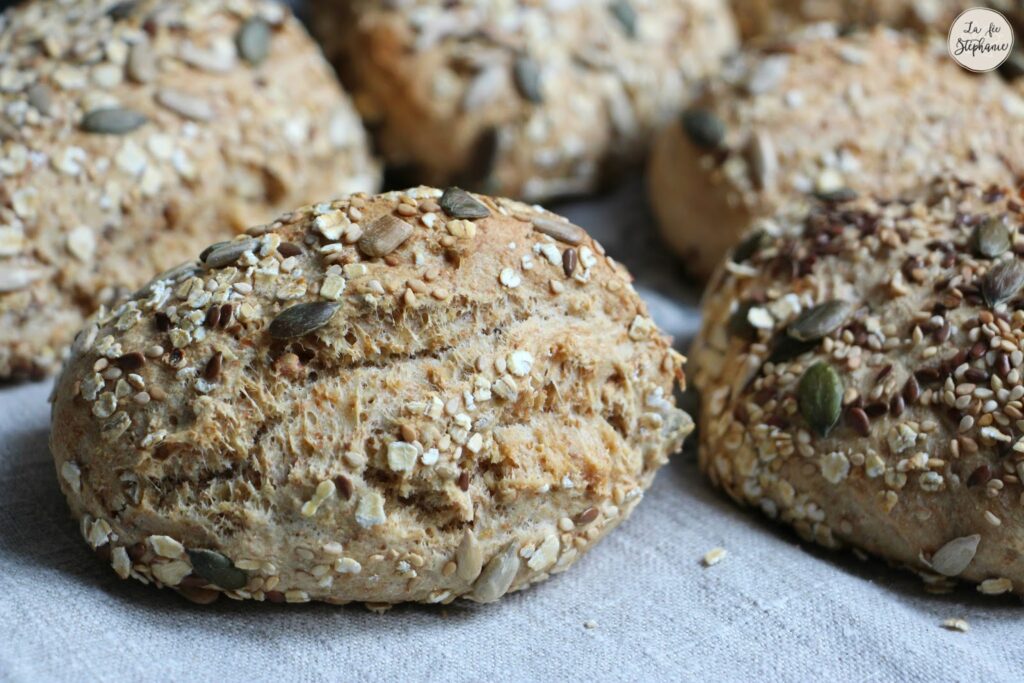
Example of a medieval bread recipe to try at home
Preparation of the Dough
The making of a medieval bread authentic is based on the use of flours unrefined like rye or whole wheat flour. To begin the recipe, it is essential to prepare a Raised dough simple. Mix around 500 grams of flour of your choice with a piece of natural sourdough. Then, gradually add about 300 ml of lukewarm water while kneading until you obtain a homogeneous and elastic dough. Allow the dough to sit and rise for a period of three to four hours at room temperature.
Using the Banneton
The banneton, a woven fermentation basket, is crucial for giving the bread its distinctive shape and texture. Once your dough has risen sufficiently, dust the banneton with flour to prevent the dough from sticking. Carefully transfer the dough to the banneton, seam side up. Cover with a slightly damp cloth and let rise again for about an hour. This second rise will help develop the structure and shape of your loaf.
Baking Bread
Preheat your oven to 220 degrees Celsius with a baking stone or baking tray inside. To create the humid environment necessary for a crispy crust to form, place a heat-resistant container filled with water in the oven. Just before baking, carefully unmold the dough from the banneton on the hot stone, making sure to maintain the shape. Score the top of the dough with a blade to allow the bread to expand during baking. Bake for about 30 to 40 minutes until the bread is golden brown and the bottom sounds hollow when tapped.
FAQ about Medieval Bread with Banneton
What other flours can I use for medieval bread?
It is possible to use various types of flour such as spelt, kamut or einkorn. These flours offer different flavors and textures that can enrich your experience.
Can this recipe be made without banneton?
Although the banneton helps give shape and structure, you can also use a bowl covered with a floured cloth as an alternative to hold the dough during the rising phase.
How to store this type of bread so that it stays fresh?
To maintain freshness, wrap the bread in a clean towel or store it in a paper bag at room temperature. Avoid plastic bags which can soften the crust.
Conservation and tasting of medieval bread
Banneton and Its Role in Bread Preservation
THE banneton, a traditional tool in bread making, is primarily used to give an attractive and uniform shape to dough pieces before baking. Made from natural materials such as cane or rattan, banneton also serves as a thermal insulator, helping to regulate the rising temperature of the dough. For medieval-style breads, which often require longer fermentation and at varying temperatures, banneton is particularly useful for preserving the desired texture and taste.
Maintaining Hygiene and Preparing Banneton
To ensure that the bread retains all its organoleptic qualities, the preparation and maintenance of banneton hygiene are crucial. Before the first use and after each use, it is recommended to clean the banneton carefully. A soft, dry brush is sufficient to remove flour residue and other small debris. It is also advisable to expose the banneton to the open air so that it dries completely, thus preventing the proliferation of mold or harmful bacteria.
Medieval Bread Preservation Techniques
The preservation of medieval bread relies on simple but effective techniques, reflecting the storage methods of the time. Bread should be kept away from moisture and direct light to stay fresh longer. An effective method involves using clean cloth to wrap the bread, protecting it from external contaminants while allowing air to pass through, preventing the crust from becoming soft. Placed in a cool, dry place, such as a pantry or bread bin, bread can maintain its freshness for several days.
Enjoy Your Bread the Medieval Way
Tasting medieval bread according to the rules of the art sometimes requires recognizing it in its simplest state. However, to enhance the experience, it can be accompanied by aged cheeses or a range of artisanal jams. Lightly heating the bread in the oven can also reactivate its flavors and soften its texture, which is particularly nice when dealing with the denser, rustic breads typical of medieval times.
Frequently Asked Questions
1. Is it necessary to flour banneton before each use?
Yes, it is advisable to lightly flour the banneton before each use to prevent the dough from sticking, making it easier to unmold the bread after rising.
2. Can banneton be washed?
No, it is not recommended to wash the banneton with water as this can alter its natural fibers. Dry cleaning is preferred to maintain its longevity.
3. How do you know if a loaf is medieval style?
Medieval breads are generally characterized by simple ingredients like flour, water and salt, and are often denser and less sweet than modern varieties.