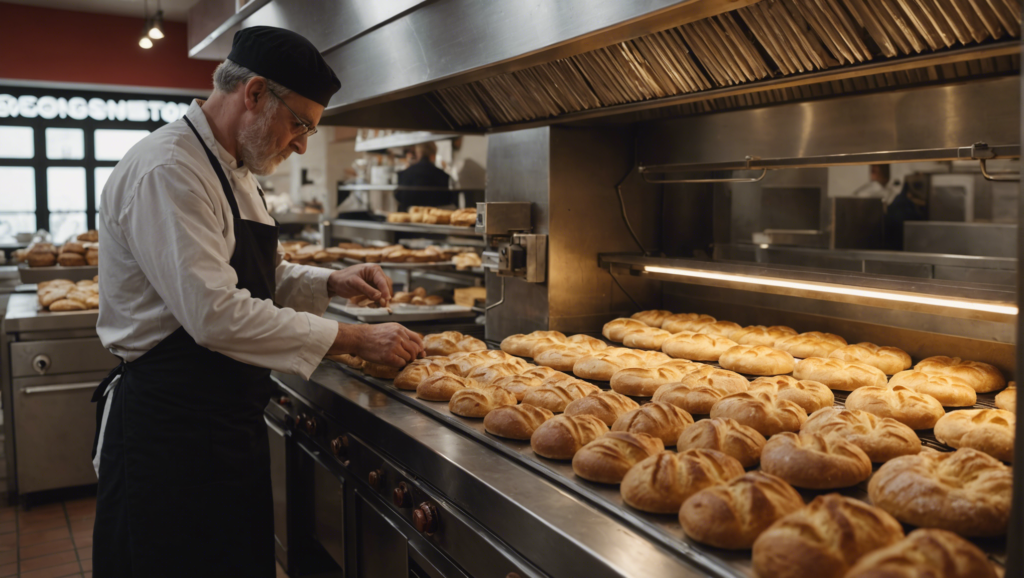
Does a baker use bannetons?
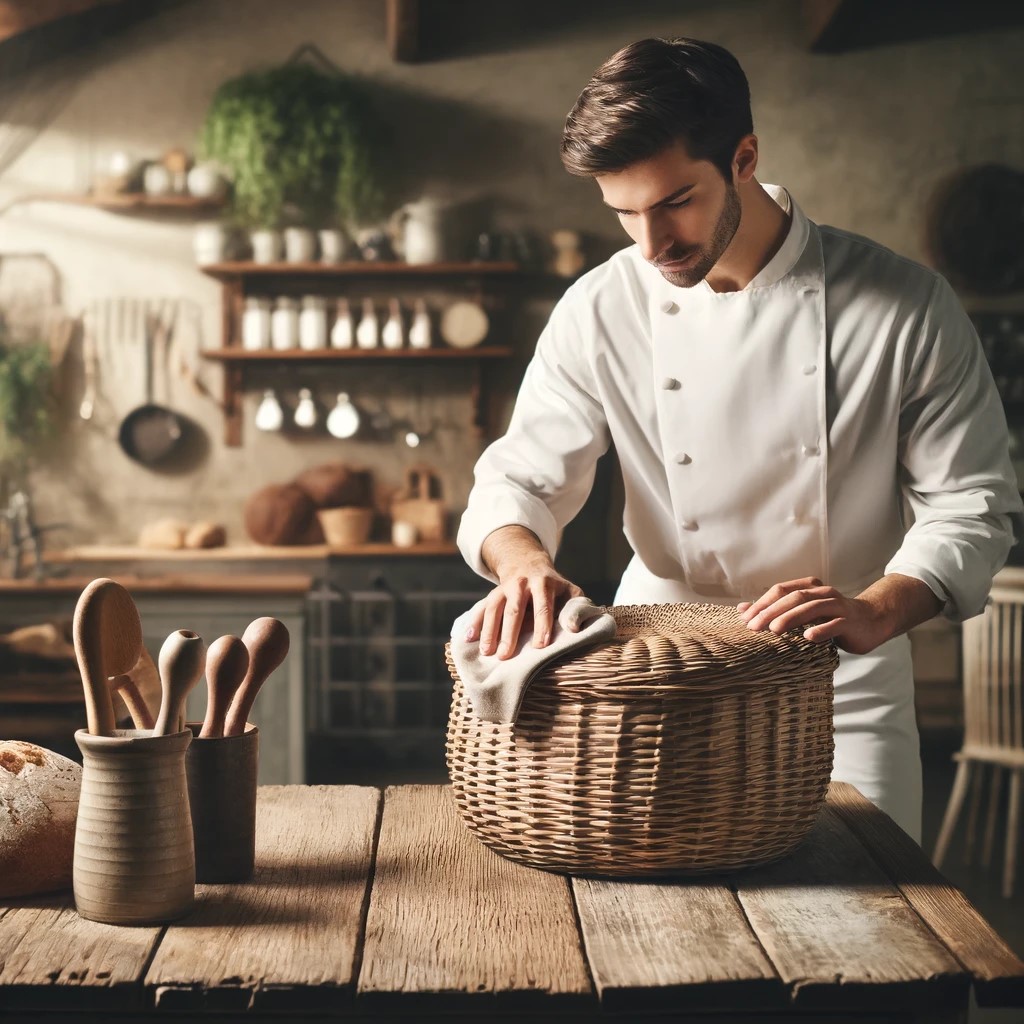

In the world of artisanal baking, the use of bannetons is a centuries-old practice appreciated for the fermentation and shaping of bread dough. This technical guide explores why and how bakers, amateur and professional, integrate bannetons into their manufacturing process to obtain superior quality breads with a perfectly crisp crust and a deliciously airy crumb.
Definition and use of bannetons in the bakery
The Fundamentals of Banneton
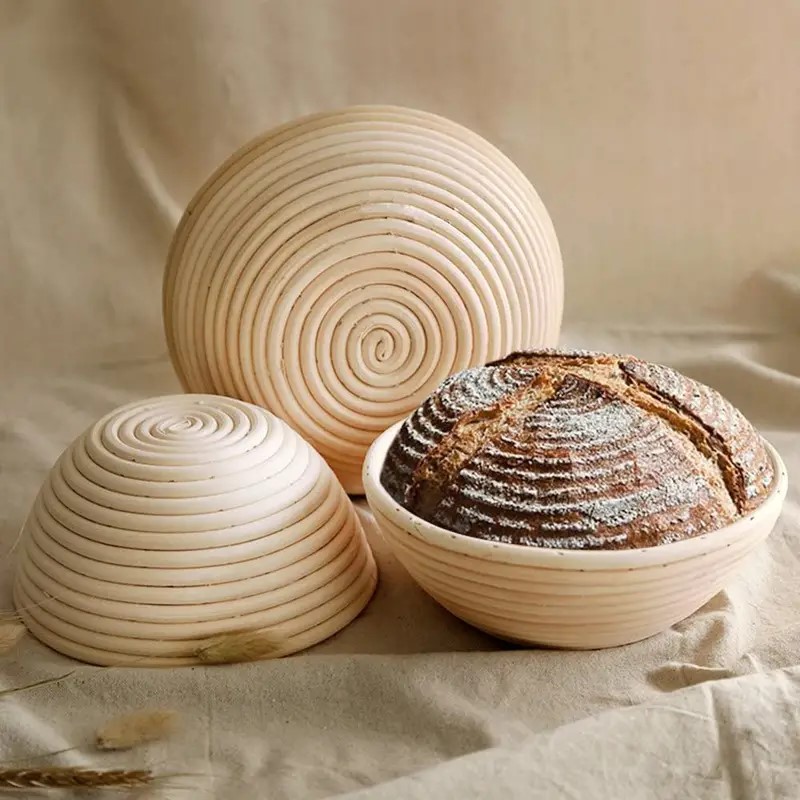
THE banneton is an essential tool in the traditional art of baking. Used mainly for kneading and the fermentation dough, this utensil helps to structure and give shape to the bread before baking. Generally made of wicker, cane or sometimes synthetic materials, bannetons are appreciated for their ability to absorb moisture from the dough, thus promoting a perfectly crispy crust and an airy crumb.
The preparation of the banneton is critical: it must be carefully floured to prevent the dough from sticking, which could compromise the structure and aesthetics of the bread. Fans of artisanal baking value the patterns that the wicker prints on the dough, adding a distinctive visual character to the finished product.
Preparation and Use Techniques
Using a banneton properly involves understanding the key steps in the process. Before each use, it is recommended to sprinkle it with flour to ensure that the dough comes off easily after fermentation. Depending on the recipe and type of bread, the dough can be fermented in the banneton for several hours, often overnight.
The choice of flour for dusting is also crucial. Whole grain flours or special blends containing rye can enrich the flavor, while finer flours such as rice flour are preferred to avoid excessive moisture and keep the surface of the bread dry.
Choosing the Right Banneton for Your Needs
The choice of banneton depends on several factors, including the size and shape of the bread you want to create. Round bannetons are ideal for country bread or other round breads, while long versions are better suited to baguettes or elongated loaves. The size of the banneton must also be appropriate for the quantity of dough planned, as insufficient space could limit the rise of the dough.
The material constituting the banneton also influences the choice. While wicker bannetons are the most traditional, offering excellent ventilation and forming beautiful stripes on the dough, plastic versions are often popular for their ease of cleaning and durability.
FAQs
- How to properly maintain a banneton?
It is advisable to shake it after each use to remove excess flour and dough residue. Gentle brushing may be necessary for stubborn particles. Avoid washing it with water frequently, as this could damage the natural fibers of the wicker. - Can you use any flour to dust banneton?
No, some flours, like all-purpose wheat flour, can become gooey and cause the dough to stick to the banneton. Rice flour is often recommended for its effectiveness in preventing adhesion. - Is it possible to use a banneton for all types of dough?
Bannetons are suitable for most types of dough, especially for breads requiring long, slow fermentation. However, for very hydrated or sticky doughs, an adequate coating in the banneton is essential to avoid problems during unmolding.
Articles sur le même Sujet
Choice of materials and maintenance of bannetons
Materials Used for Bannetons
The choice of materials for bannetons significantly influences the quality and texture of the bread. The most common materials are rattan, wood and plastic. Rattan is the most popular because of its ability to absorb moisture, allowing the dough to stay dry and preventing sticking. Wooden bannetons offer a more traditional and can enrich the dough with subtle aromas. As for plastic bannetons, specialized in the use professional, they are appreciated for their durability and ease of cleaning.
There are also variants with fabric or silicone coverings which help to release the dough more easily after its fermentation time. Each of these materials offers particular characteristics and the choice often depends on personal preferences as well as techniques bakery employees.
Banneton Cleaning and Maintenance Procedures
Maintaining a clean banneton is essential to extend its lifespan and guarantee the sanitary quality of the bread. After each use, it is recommended to remove dough and flour residue using a brush. Avoid using water when cleaning rattan or wooden bannetons as moisture can warp the material and encourage mold growth. For plastic bannetons, washing in hot soapy water can be carried out without risk.
Additionally, it is advisable to air dry the bannetons after cleaning them to avoid odors and mold. Exposure to sunlight can also help eliminate accumulated bacteria. Regular maintenance also includes periodic checks on the condition of the banneton, replacing those that show signs of deterioration or excessive contamination.
Additional Tips for Optimal Use of Bannetons
Use a banneton during the fermentation of bread requires some tips to optimize the process. Firstly, before the first use and sporadically thereafter, it is advisable to generously flour the banneton to create a non-stick barrier between the banneton fabric and the dough. For those who use banneton regularly, changing the type of flour regularly can also help prevent stickiness and moisture issues.
It is also worth noting that the temperature and humidity of where the dough ferments in the banneton can significantly affect the quality of the final product. So, keeping a stable environment can contribute to more consistent results.
Bannetons FAQ
What is the difference between a rattan banneton and a wooden one?
Rattan banneton is popular for its moisture absorption, which helps keep the dough dry and prevents it from sticking. The wooden banneton, for its part, is chosen for its aesthetic and traditional side, while offering a light aromatic infusion to the bread.
How to prevent the dough from sticking to the banneton?
The best method to prevent the dough from sticking is to flour the banneton well before each use. Using rice flour is particularly effective because it has superior non-stick properties compared to other flours.
How often should a banneton be replaced?
How often a banneton should be replaced depends on its general condition and frequency of use. Normally, proper maintenance can extend the life of a banneton by several years. However, if you notice deeply embedded crumbs, signs of mold, or deterioration in the weave, it’s time to consider replacement.
Articles sur le même Sujet

Impact of bannetons on bread quality
The role of bannetons in bread fermentation
THE bannetons are essential instruments in the process of creating artisan bread. Their main function is to support the dough during the fermentation phase, which is crucial for the development of flavors and the structure of the bread. Traditionally made of wicker or rattan, these molds offer ideal ventilation thanks to their openwork structure. This allows the dough to breathe, thus promoting the proliferation of yeasts and lactic acid bacteria naturally present in sourdough. The result is a more honeycombed crumb and a crispier crust.
The use of bannetons in the fermentation process also ensures the regularity of the shape of the bread. By preventing the dough from spreading and supporting it, the banneton helps maintain the desired structure and volume during fermentation and baking. It is an essential asset for bakers professionals and amateurs aiming for creations with an artisanal and traditional aspect.
Effects of bannetons raw materials on bread properties
The raw material used to make banneton has a considerable impact on the final quality of the bread. Wicker bannetons are particularly popular because they absorb excess moisture from the dough, which is crucial for the formation of a crispy crust. Conversely, synthetic bannetons, while easier to clean and maintain, may not offer the same absorption properties and impact the texture of the crust.
It is also essential to consider the covering of the banneton, often made of linen or cotton. This fabric does not adhere to the dough and facilitates its detachment after fermentation, while leaving a slightly streaked texture which will be visible on the cooked crust. These little features contribute greatly to the aesthetics and sensory quality of traditional bread.
Techniques and tips for optimizing the use of bannetons
Effective use of bannetons requires mastery of certain techniques And tips elementary. Preparing the banneton before each use is crucial: it is recommended to sprinkle it generously with flour to prevent the dough from sticking. Some bakers also choose to chill bannetons before use to slow down surface fermentation, thereby contributing to a more even rise of the dough.
It is also important to regulate the fermentation time and medium. Controlled temperature and humidity allow for optimal fermentation, which is directly reflected in the volume and texture of the bread. Choosing the right type of banneton for the recipe and the type of bread desired is also crucial to guarantee a professional and quality result.
FAQ:
- What is the difference between wicker bannetons and synthetic bannetons?
- How to prepare a banneton before using it for fermentation?
- What impact does temperature have on the use of bannetons?
Articles sur le même Sujet

Alternatives and innovations in the use of bannetons
Ecological and Sustainable Materials
Sustainable development and ecology are at the heart of current concerns, and this is reflected in the choices of materials for the bannetons. Alternatives to traditional rattan bannetons now include options made from natural fibers such as bamboo, linen or hemp. These materials not only offer a reduced environmental footprint, but they are also biodegradable and often more ethically produced.
In addition to their ecological aspect, these materials are appreciated for their ability to naturally regulate humidity, which is essential for the proper development of the crust of the bread during fermentation. Their anti-microbial properties also help maintain hygiene within the baking room, a crucial aspect for any baker professional.
Innovative and Functional Designs
Alongside the materials, the design of bannetons is also evolving. Traditional shapes are revisited to offer better ergonomics and more practical use. Some recent models feature handles for easier handling, particularly in a professional environment where speed and efficiency are paramount.
In addition, the integration of modular separators in the same banneton allows you to work several pieces of dough simultaneously, an innovation particularly suited to artisan bakers who seek to optimize their time and work space. These advances contribute not only to better management of fermentation processes but also to the diversification of the products offered. The ability to customize the size and shape of the bread, thanks to the adaptability of bannetons, opens new avenues for creativity and originality in the offering of artisanal products.
Technology and Temperature Management
The importance of temperature and humidity is well known in the traditional manufacture of bread. Thus, certain innovations integrate technologies that promote precise control of these two parameters directly via the banneton. For example, bannetons equipped with special coatings or assisted ventilation systems help to optimally regulate the fermentation climate.
This possibility of regulation not only improves the quality and consistency of the bread, but it also allows bakers to reproduce ideal conditions despite climatic and seasonal variations. This is particularly relevant for professionals who aim for consistent quality in their productions.
FAQs
What are the advantages of natural fiber bannetons compared to rattan?
Bannetons made from natural fibers, such as bamboo or linen, are often more environmentally friendly and have moisture-regulating and anti-microbial properties, essential for fermentation of bread.
How does the design of bannetons influence the fermentation process?
New design features, such as integrated handles or modular dividers, make it easier to handle and personalize the shapes of the bread, while optimizing space and manufacturing time.
Is it possible to control the temperature and humidity inside a banneton?
Yes, some modern bannetons have special coatings or ventilation systems that allow more precise regulation of humidity and temperature, essential for ideal fermentation of the bread.