What are the baking secrets to discover with a banneton?

Discover how the banneton, this traditional baker’s utensil, can revolutionize the way you prepare bread. This article will reveal the secret techniques and unsuspected benefits of using a banneton to obtain breads of exceptional quality and texture. Get ready to explore the subtleties that make all the difference in the art of artisan baking.
The selection and maintenance of bannetons
Choice of Adapted Banneton
When looking to buy a banneton, it is essential to understand the different types available and select the one that best suits your baking needs. Bannetons can be made from a variety of materials such as rattan, wood or synthetic fibers. Each material has specific properties that influence the texture and shape of the bread.
The choice of material is not the only criterion to consider: the size and shape of the banneton are also crucial. They must correspond to the type of bread you want to make. For example, a long, narrow banneton is ideal for baguettes or bastards while a round banneton is perfect for bread balls.
Methods for Professional Use of Bannetons
The use of bannetons requires techniques specific to maximize the quality of the bread. Before each use, it is important to generously flour the banneton to prevent the dough from sticking. Using rice flour is often preferred by professional bakers because it sticks less to the dough than wheat flour.
After placing the dough in the banneton, cover it with a clean cloth and let it ferment as needed. The dough will take the shape of the banneton and the impression of its pattern, thus giving the bread its appearance traditional and distinctive craftsmanship.
Maintenance Tips for Increased Longevity
Maintaining the banneton is crucial to extend its lifespan and maintain the hygiene of your breads. After use, it is recommended to remove dough and flour residue using a soft brush. Avoid using water as humidity can damage natural materials like rattan and encourage mold to form.
If cleaning is necessary, do so with lukewarm water and allow the banneton to air dry completely before storing. Be sure to store it in a dry, well-ventilated area to avoid any growth of mold or bacteria.
Bannetons FAQ
How to choose the size of banneton?
The size of the banneton should match the amount of dough you plan to proof. A general rule is that the volume of the banneton should be approximately 1.5 times the volume of the dough used.
Why use a rattan banneton rather than plastic?
Rattan is preferred for its moisture-absorbing qualities, which helps form a crispier crust on bread. Additionally, it adds a traditional aesthetic pattern to the surface of the bread.
Is there an alternative to banneton for bread fermentation?
Yes, it is possible to use a bowl covered with a floured cloth as a substitute. While this may work, the results in terms of texture and pattern will not be as distinctive as those achieved with a banneton.
Articles sur le même Sujet

The technique of optimal use of the banneton for perfect breads
Choice and Preparation of Banneton
Optimal use of a banneton starts with the right choice of tool. Bannetons can be wicker or plastic, each with its own benefits. Wicker is traditionally preferred for its ability to absorb moisture from the dough, promoting a crispy crust. Before the first use, it is essential to prepare the banneton by dusting it generously with flour to prevent the dough from sticking.
Shaping and Resting Techniques
Shaping the dough is crucial to obtaining quality bread. Once the dough is kneaded, it must be gently shaped into a ball or a loaf, depending on the type of bread desired. The shaped dough is then placed in the banneton, seam side up. The rest time in the banneton is just as crucial: it allows the dough to develop its structure and flavor. This rest must last at least one hour and can extend for several hours depending on the recipe.
Unmolding and Cooking
Once the dough has risen sufficiently, unmolding must be carried out carefully to preserve the shape and structure of the bread. The bread is inverted onto a baking sheet, seam side down, ready to be put in the oven. Baking temperature and time vary depending on the type of bread, but a preheated oven is essential for a nice golden crust.
Banneton maintenance
After each use, it is important to clean the banneton correctly to prevent the formation of mold and prolong its lifespan. The best method is to remove the remaining dough and let the banneton air dry. Once dry, the banneton should be stored in a dry, well-ventilated place.
FAQs
1. How to choose banneton size?
The size of the banneton should match the amount of dough you plan to bake. In general, a 1 kg banneton is sufficient for most standard family recipes.
Yes, bannetons are suitable for different types of dough, whether for rustic breads, loaves or even baguettes, although the shape of the banneton should be chosen according to the type of bread desired.
The bread is ready to bake when the dough has almost doubled in volume and remains slightly marked when gently pressed with a finger. At this point, the dough should have a smooth, taut surface.
Articles sur le même Sujet
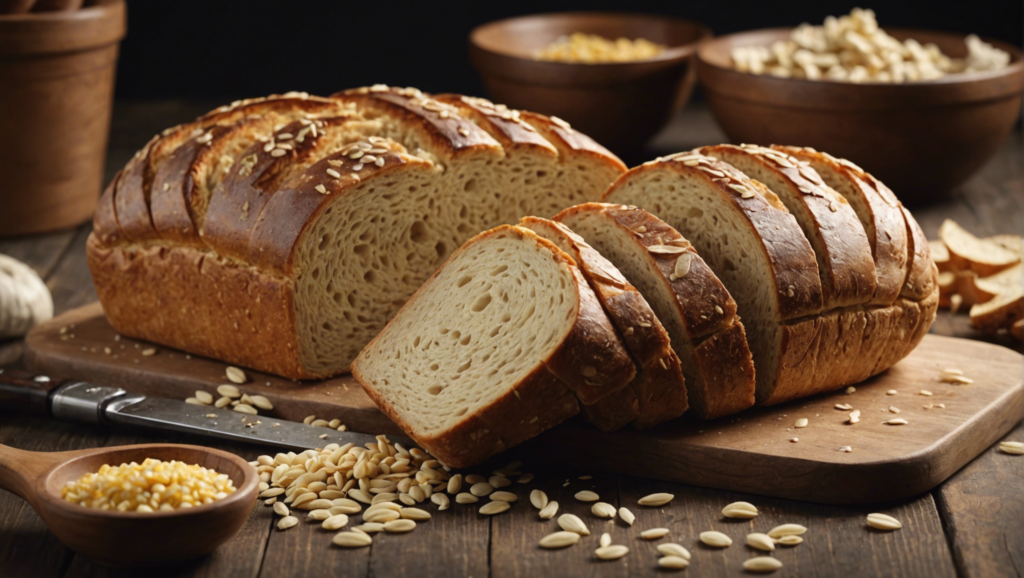
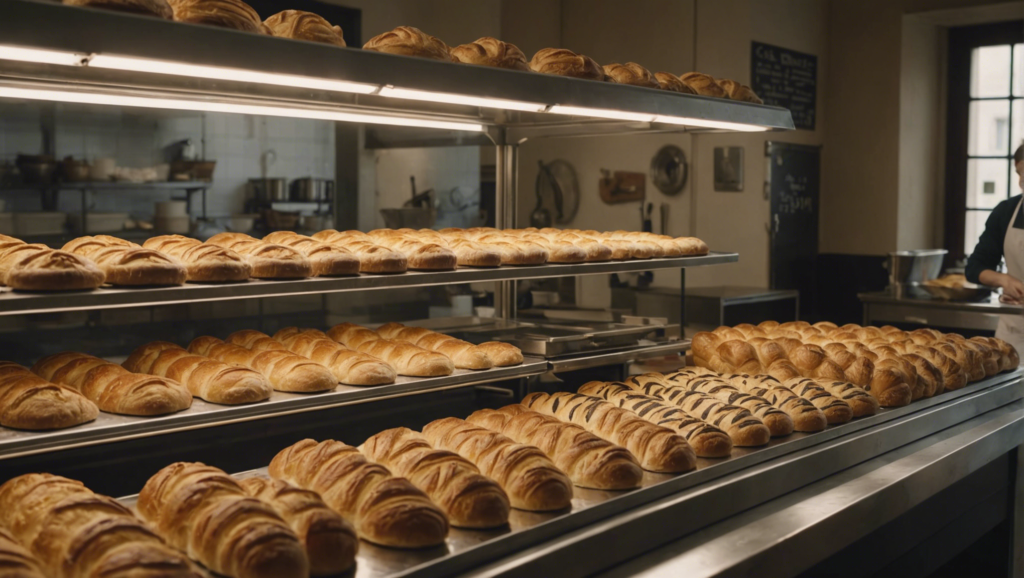
The impact of banneton on the texture and taste of bread
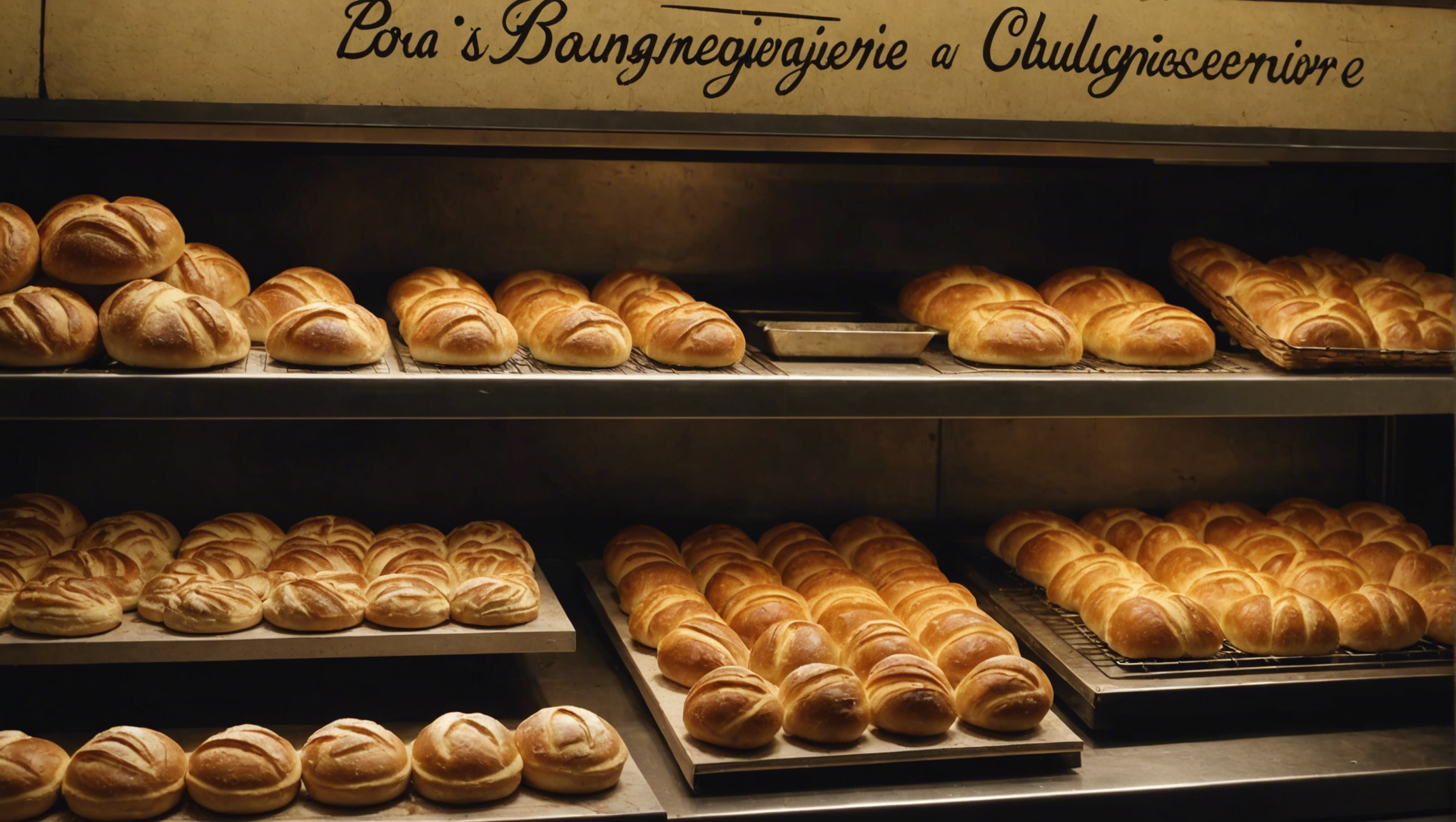
What is a banneton and what are its uses in baking?
A banneton is a crucial tool in baking, used during the bread fermentation phase. Usually made of rattan or other natural materials, it helps maintain the shape of the dough while allowing it to breathe. This process not only gives an aesthetic shape to the bread but also influences its texture and taste.
The main function of banneton is to support the dough as it rises, also known as the final push. Using this accessory creates an optimal microclimate around the dough, promoting uniform fermentation and a crispier crust.
The influence of banneton on the texture of bread
The use of a banneton is inseparable from traditional techniques bread making. The pattern that the rattan imprints on the dough not only contributes to the aesthetic of the bread, but also plays a role in the final texture of the crust. The subtle lines allow steam to escape in a controlled manner during cooking, helping to form an evenly crispy crust.
Furthermore, the banneton absorbs part of the moisture from the surface of the dough, which contributes to better definition of the crust and a pleasant moistness to the crumb. This is essential to obtain bread with an airy and light crumb, highly sought after by lovers of homemade bread.
Effects on the taste of bread
The impact of banneton on the taste of bread can sometimes be underestimated. Indeed, by regulating the temperature and humidity of the dough during fermentation, banneton allows the development of more complex and deeper aromas. The natural and slow fermentation, encouraged by this tool, favors the formation of subtle taste nuances that would be less perceptible with accelerated fermentation methods.
Furthermore, the permeable environment of the banneton helps maintain the correct balance between acidity and sweetness in the bread, key elements of good artisan taste. The result is a final product that pays homage to the most traditional and ingredient-friendly baking methods.
- Preparation techniques : how to properly prepare and maintain your banneton for optimal results.
- Professional tips : tips for maximizing the use of your banneton and constantly improving the quality of your bread.
FAQs
What type of flour is best to use with a banneton?
It is recommended to use a flour rich in gluten, such as T55 or T65 wheat flour, which can support the structure of the bread during fermentation and baking.
How to clean and maintain your banneton in good condition?
After each use, remove flour residue, let it dry in the open air and avoid washing the banneton with water so as not to alter its shape and absorption capacity.
Can you use a banneton for all types of bread?
Absolutely, from boule breads to baguettes, including rye breads, the banneton is adaptable to different shapes and sizes depending on the model chosen.
Articles sur le même Sujet
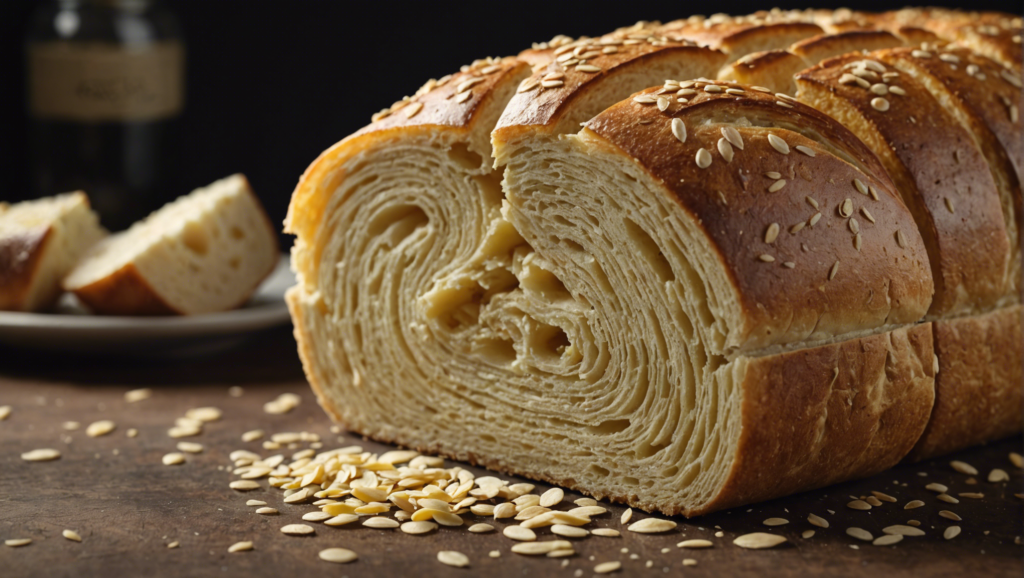
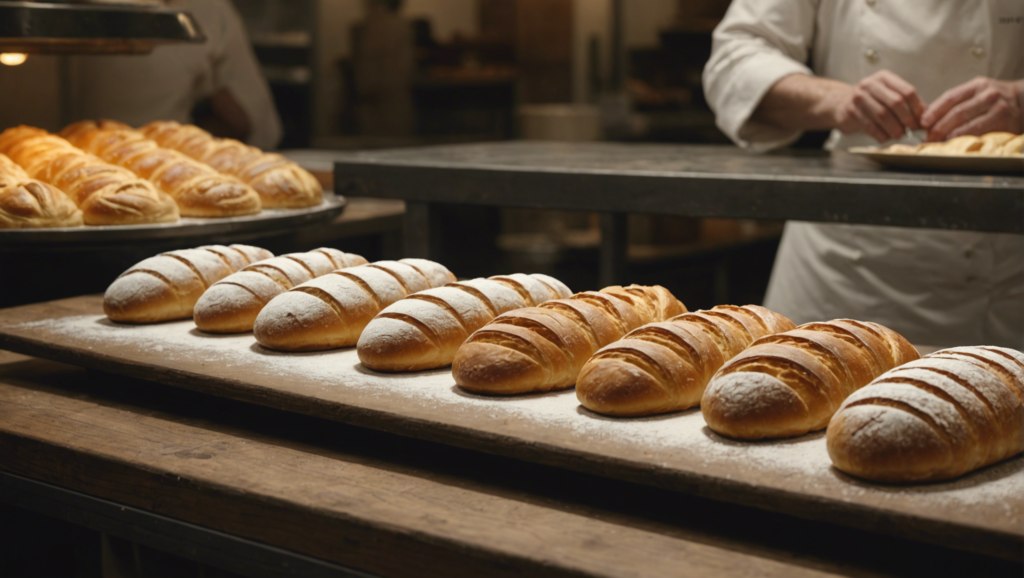
The various types of bannetons and their specificities for your bakery
Types of bannetons depending on the materials used
The choice of material is essential when selecting a banneton. Each type offers unique characteristics that influence the texture and shape of the bread.
Wicker: Wicker is the traditional material for bannetons. It allows excellent aeration of the dough, thus promoting a nice crispy crust. The spiral imprints left by the wicker also enrich the aesthetic appearance of the bread.
Plastic: More modern, plastic bannetons are appreciated for their durability and ease of cleaning. Although they don’t offer the same traditional look, they are perfect for a bakery environment professional where hygiene is a priority.
Coated fabric: These bannetons are often used for special doughs such as very hydrated doughs. The coated fabric prevents the dough from sticking, making it easier to unmold without deforming the bread.
Choice of banneton according to the type of bread
The shape and size of the banneton must be adapted to the type of bread you want to make. Here are some guidelines for choosing the banneton suited to your needs.
- Round breads: Round bannetons are ideal for classic bread balls. They support the dough well during rising and help form a nice spherical shape.
- Long breads: Oblong bannetons are perfect for baguettes or long loaves. They ensure uniform structuring of the dough throughout fermentation.
The volume of the banneton should also be considered. Adequate capacity allows the dough to rise without overflowing, ensuring consistent professional results.
Maintenance tips to extend the life of your bannetons
Proper maintenance is crucial to maximizing the longevity and effectiveness of your bannetons. here are some tips useful:
- Dry cleaning: It is advisable to clean the bannetons with a brush to remove flour residue. Avoid water which can damage natural materials like wicker.
- Proper storage: Store bannetons in a dry, well-ventilated place to prevent the formation of mold or bad odors.
- Periodic disinfection: For plastic bannetons, occasional cleaning with a diluted vinegar solution can help maintain hygiene.
Bannetons FAQ
How important is banneton size?
The size of the banneton should be chosen according to the quantity of dough. A banneton that is too large or too small affects the shape and final quality of the bread.
Can you use a banneton for different types of pasta?
Yes, but it is recommended to use specific bannetons for very hydrated dough to prevent the dough from sticking. The choice of material is therefore essential.
How do you know if a banneton is professional quality?
A banneton professional is robust, well finished and without defects in the weave. The quality materials also guarantee better ventilation and are suitable for intensive use.