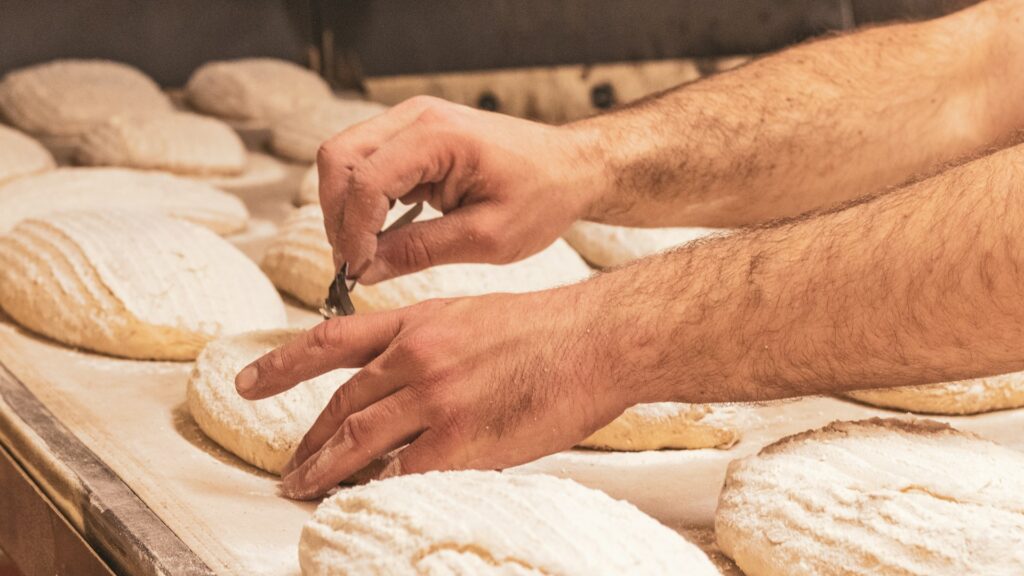
How to master the art of patience in baking with a banneton?
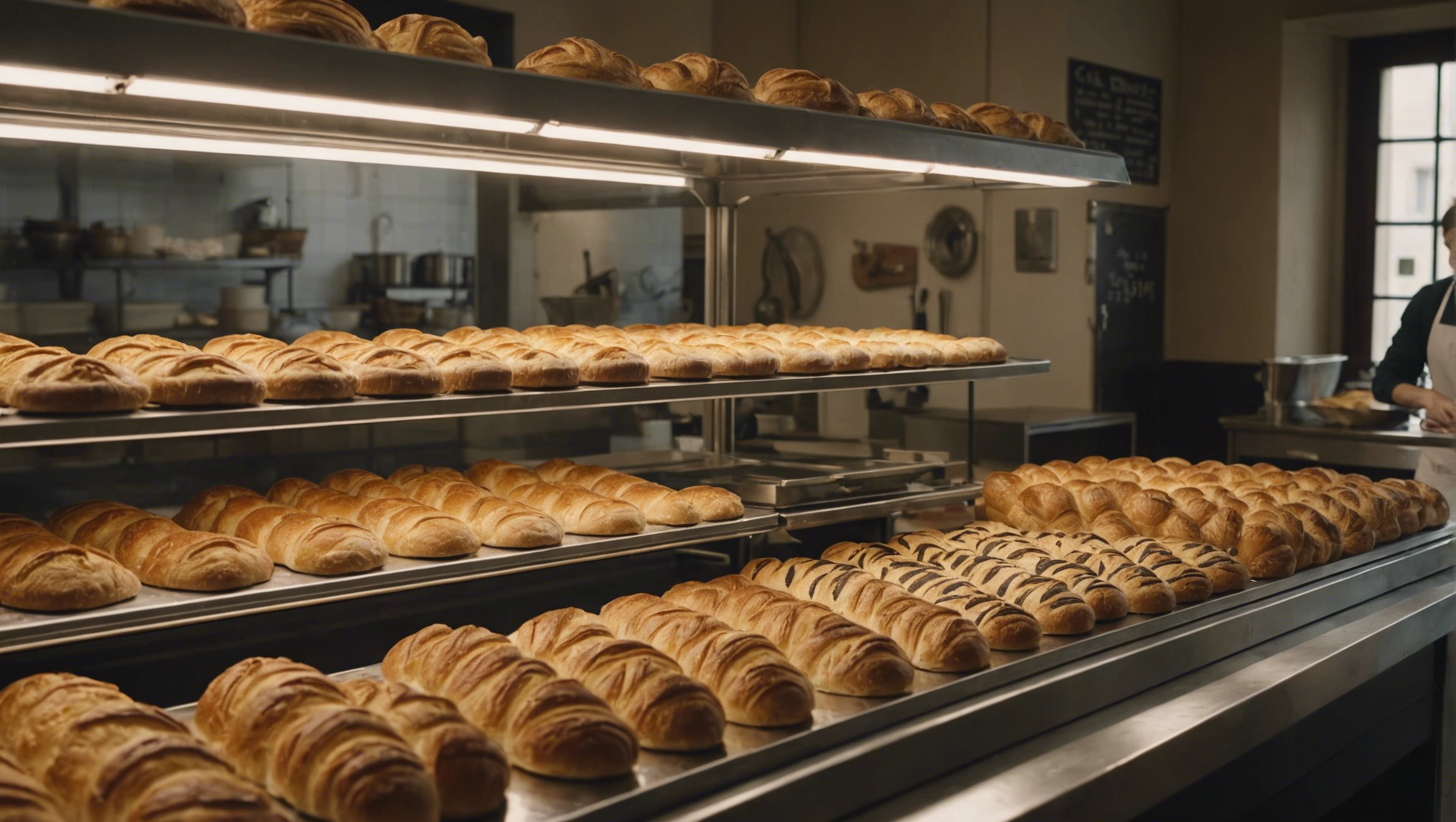

Discovering the essence of patience in baking transforms not only the dough, but also the baker. This article explores how using a banneton promotes slow, steady fermentation, essential for perfecting the texture and taste of artisan bread. Master this art so that each loaf reflects your dedication and passion.
The importance of patience when using a banneton
Understanding the Role of Banneton in Traditional Bakery
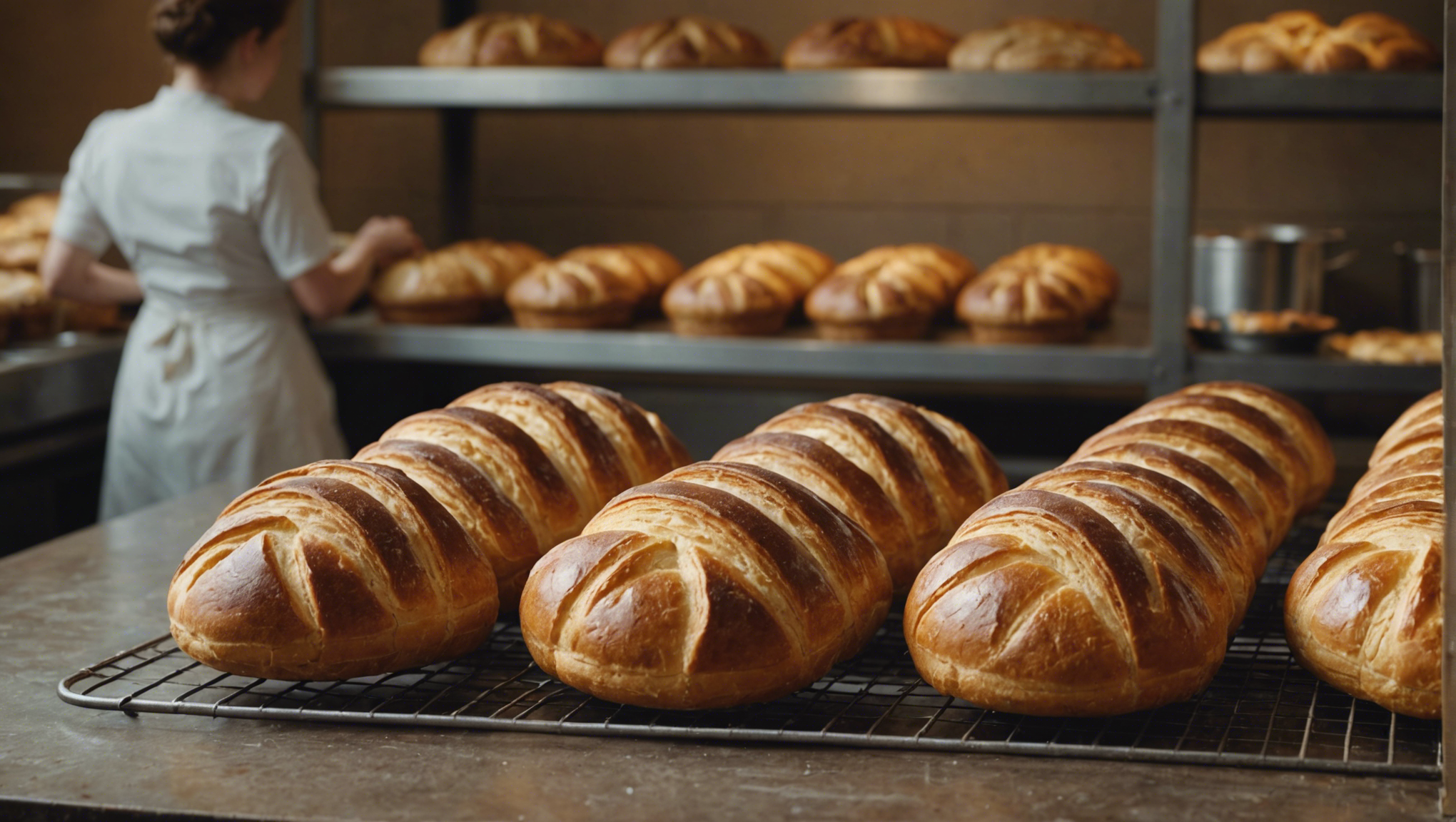
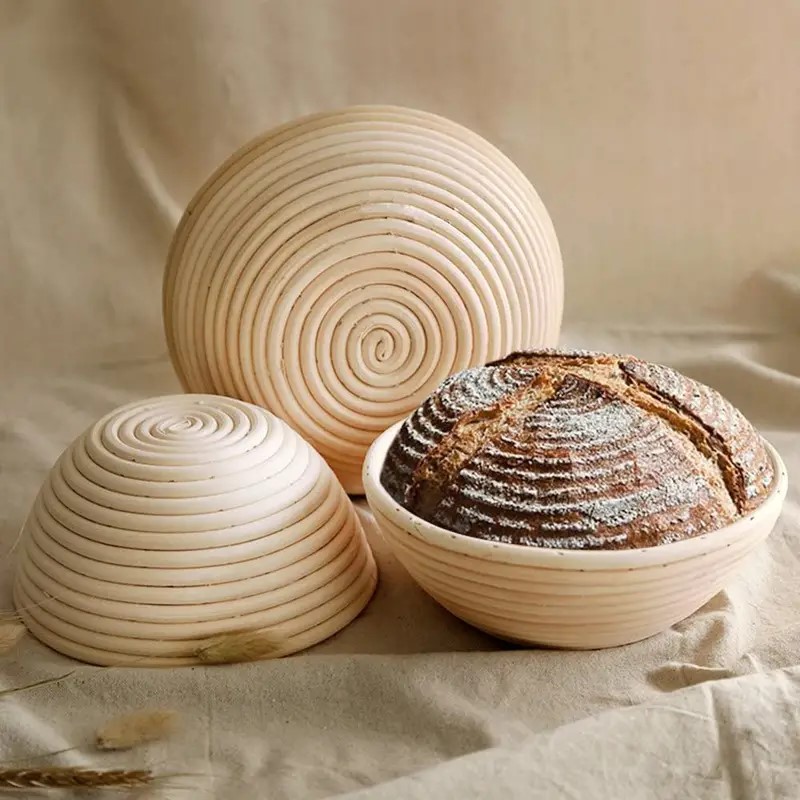
In the world of artisanal baking, the use of a banneton is crucial for the shaping and fermentation of bread. The banneton, often made of wicker or rattan, helps maintain the shape of the dough during its final rise before baking. The specific texture of the material also allows adequate aeration, essential to obtain a crispy crust and a well-shaped crumb.
Selection and Preparation of Banneton
Choose the right one banneton is essential for bakers. The size and shape of the banneton must correspond to the type of bread you want to make. Before the first use and after each use, it is important to clean the banneton carefully and lightly flour it. This preparation prevents the dough from sticking and facilitates unmolding after fermentation.
Fermentation and Shaping Techniques with a Banneton
Mastery of techniques fermentation is essential to successfully use a banneton. After kneading, the dough must rest until it doubles in volume. Then, it is shaped into the desired shape and placed in the banneton, where it will spend its final rise. This process requires patience and precision, because the rising time can vary depending on the temperature and composition of the dough.
Tips and Tricks for Optimizing the Use of Banneton
here are some tips to maximize the effectiveness of the banneton:
- Use a linen cloth to cover the banneton to make it easier to unmold the bread.
- Make sure the banneton is completely dry before each use to avoid mold problems.
- Vary the types of flour used for dusting the banneton to explore different crust textures and flavors.
FAQs on Using Banneton
What is the difference between a wicker banneton and a plastic one?
Wicker banneton is traditionally favored for its ability to absorb moisture, which helps form a beautiful crust. Plastic, on the other hand, is easier to clean but may not offer the same result in terms of crust texture.
How long should you leave bread to ferment in a banneton?
Fermentation time can vary, but it is generally recommended to let the bread ferment for 1 to 2 hours at room temperature. However, it all depends on the specific characteristics of the dough and the environment.
Can you use a banneton for all types of bread?
Yes, banneton can be used for a variety of breads. However, it is particularly suitable for breads with high hydration content, which benefit from the structure and support that banneton provides during fermentation.
Articles sur le même Sujet

Techniques to optimize rising time in a banneton
Understanding the Fundamentals of Proofing Bread
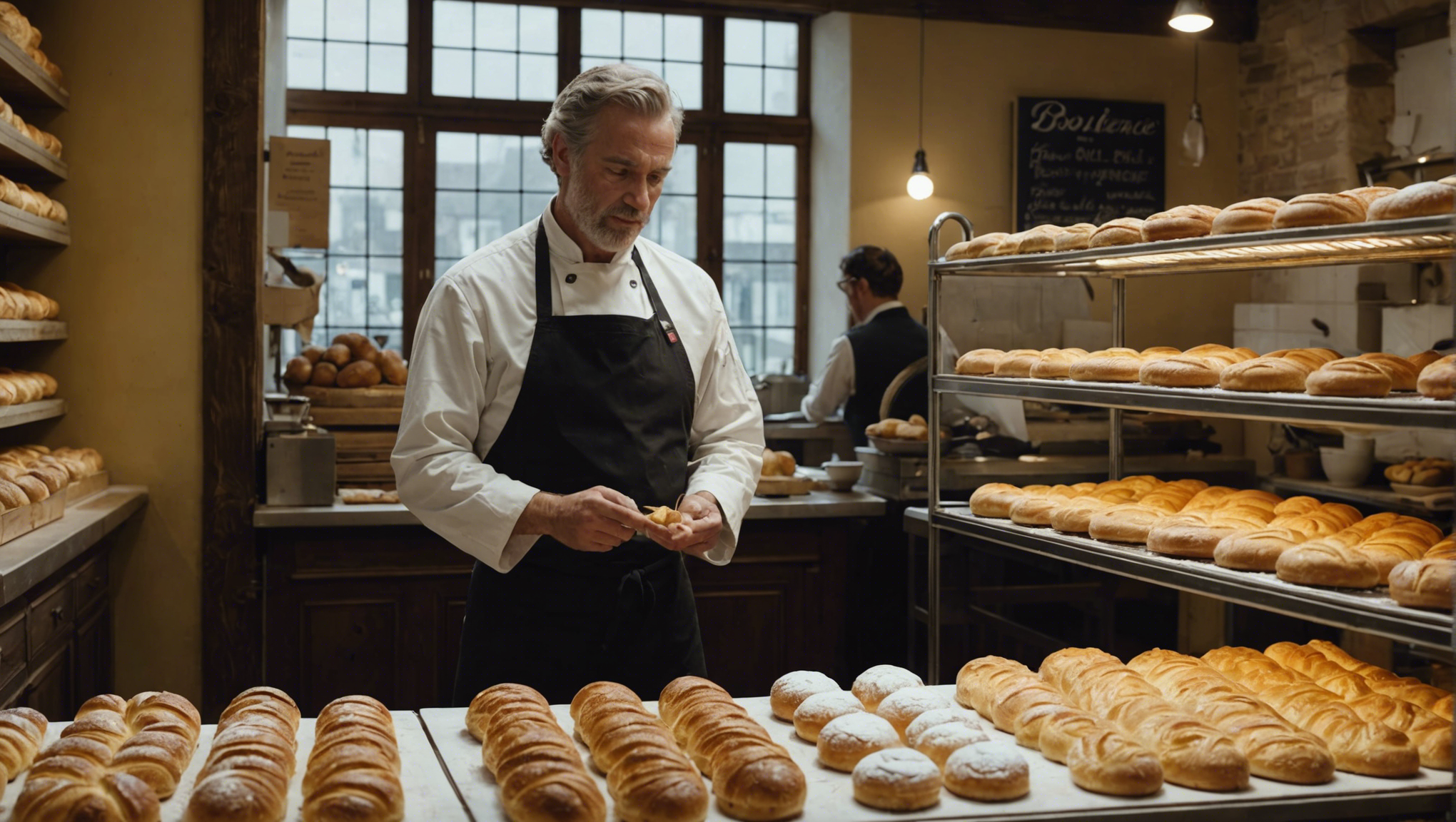
Proofing bread, a crucial step in making artisan bread, requires a methodical approach to optimize the process in a banneton. It is essential to understand the importance of fermentation and patience. The use of a banneton helps maintain a uniform shape and absorb excess moisture from the dough, which is essential for a crispy crust and a well-aerated crumb.
The relative humidity of the environment where the dough rises and the temperature are two parameters that greatly influence the rising time. A temperature around 24°C is ideally recommended for optimal fermentation. However, it is important to note that lower temperatures, although prolonging the rising time, can enrich the aromas of the bread by better developing the flavor precursors in the dough.
Techniques to Optimize Rise
One of the techniques Fundamental to controlling the rising time is to adjust the quantity of yeast or sourdough. Less leaven lengthens the rising time but enriches the flavor of the bread. Likewise, the hydration of the dough plays a vital role. A more hydrated dough will be softer and potentially rise faster, due to its ability to retain more gas produced by the yeast.
Additionally, cover the banneton during rising will protect the dough from drafts and help maintain a constant temperature. Using plastic wrap or slightly damp cloths can be a big help in preventing the surface of the dough from drying out.
Tips to Implement for Effective Raising
From tips to consider, incorporating a pre-fermentation or “autolysis” step before kneading can improve the extensibility of the dough and optimize rising. This method allows the proteins and starch in the flour to hydrate, making the dough less resistant and better able to capture carbon dioxide.
Another tip is to handle the dough delicately during shaping so as not to expel the gases already formed. The more these gases are preserved, the more optimally the dough can rise in the banneton.
FAQs
What is the ideal rising time in a banneton?
Proofing time varies depending on many factors, but generally it can last between 1 and 4 hours, depending on the temperature and composition of the dough.
Can you let the dough rise overnight in a banneton?
Yes, slow, prolonged rising at refrigerated temperature (around 4-5°C) can develop more complex flavors and is entirely possible with a banneton.
Should you flour the banneton before placing the dough on it?
Absolutely, flouring the banneton not only prevents the dough from sticking, but also helps form a nice textured crust on the bread.
Articles sur le même Sujet
Choosing the right banneton for professional results
The Criteria for Selection of a Quality Banneton
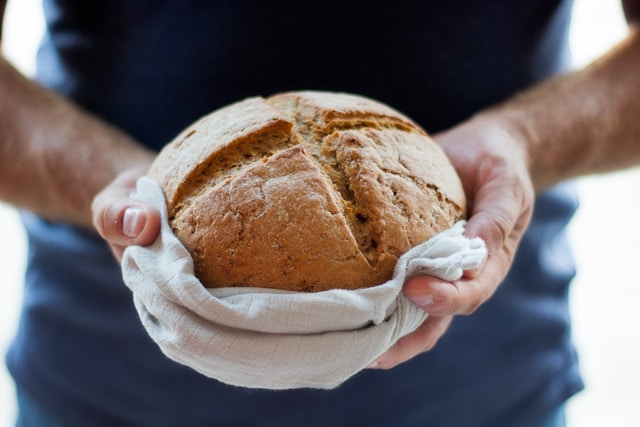
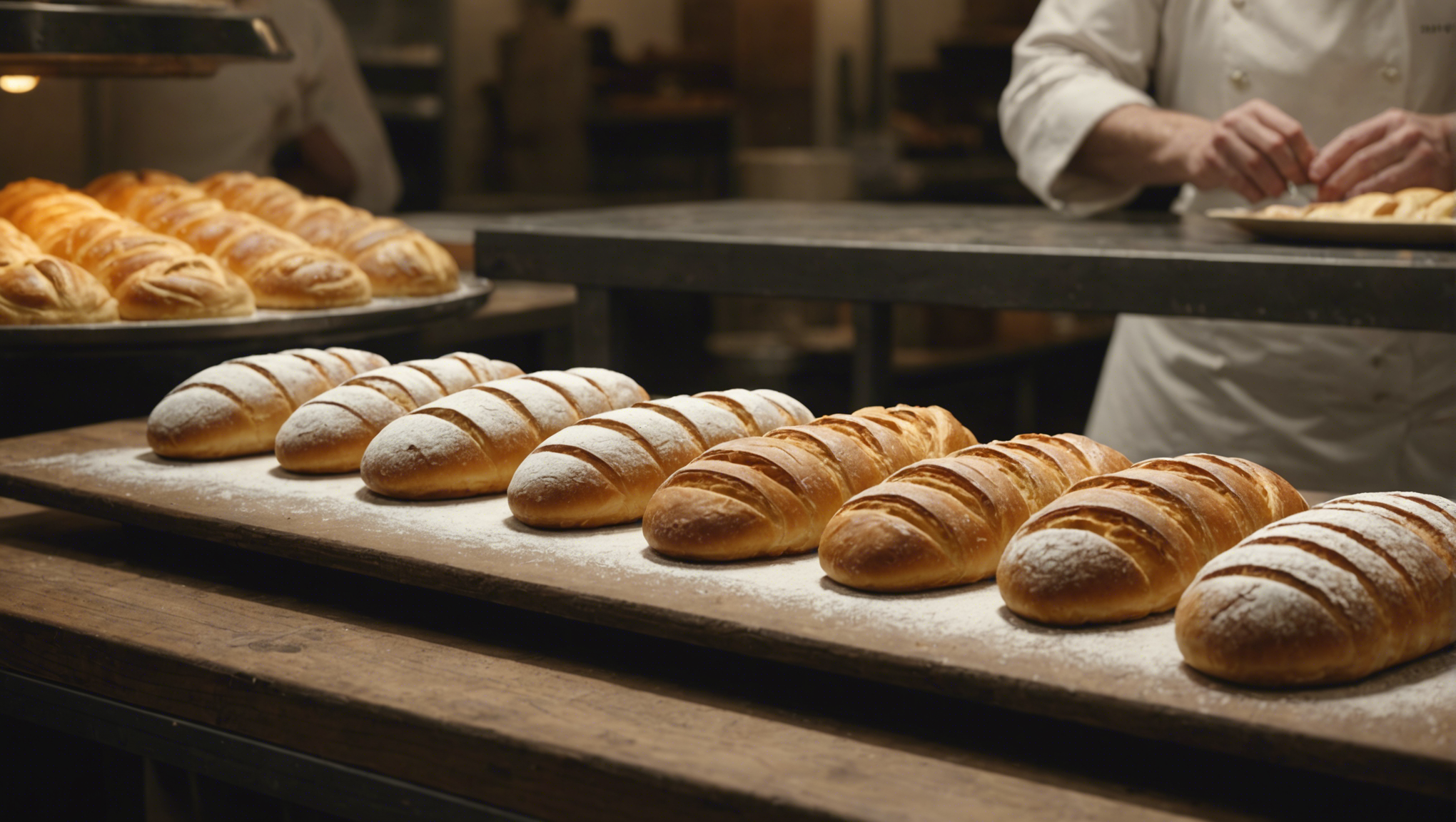
The selection of a banneton is essential for the successful manufacture of traditional bread. The choice of material, size and shape directly affects the quality of dough rising and the texture of the bread. The most commonly used materials are natural rattan, wood and synthetic fibers. Each has specific properties that influence moisture absorption and heat transfer, essential for optimal fermentation.
Dimensions and Shapes Adapted According to Types of Bread
The size of the banneton must correspond to the type of bread you want to make. The most common shape is round or oval, but there are also long and square versions. The size should be chosen based on the amount of dough. A banneton that is too large or too small can compromise the structure of the bread and its development.
- Round: ideal for classic bread balls.
- Oval: perfect for bastard or ciabatta type breads.
- Long: used for baguettes or long breads.
Preparing and Maintaining Banneton for Long Durability
Proper maintenance is crucial to prolong the life of your banneton. Before the first use, it is recommended to sprinkle it with flour to protect the fibers. After each use, remove excess dough and flour, brush it gently and let it air dry. Avoid washing it with water so as not to alter the natural fibers which absorb moisture from the dough.
Techniques for Using a Banneton to Optimize Fermentation
Correct use of banneton is essential to take full advantage of its benefits. The dough should be placed in the banneton so that the seam is facing up. This will allow the dough to adhere well to the fabric and create a nice structure when turned for baking. Ideally, banneton should be used in a temperature-controlled environment for even fermentation.
Tips Additional measures to ensure optimal use include limiting the yeast dough in the first few uses to allow the banneton to soak up the natural ferments, thus improving future fermentations.
FAQs
What size banneton should I choose to make a 500g loaf?
For a 500g loaf, a banneton of around 20 cm in diameter is generally sufficient. This allows the dough to expand properly and maintain its shape during fermentation.
Is it necessary to flour banneton before each use?
Yes, flouring the banneton before each use is essential to prevent the dough from sticking to the walls and facilitate its unmolding without damaging the structure of the bread.
Can we use a banneton for all types of dough?
Most traditional bread doughs can be used with a banneton, however, highly hydrated or fat-enriched doughs may require a heavily floured cloth to avoid sticking.
Articles sur le même Sujet

Managing the wait: Tips for perfect fermentation
The Fundamentals of Bread Fermentation
Fermentation is a key process in the manufacture of traditional bread. It involves the conversion of sugars present in flour into carbon dioxide and alcohol by yeast. This step is crucial because it influences not only the texture, but also the flavor of the bread. Understanding and mastering this phase can transform an amateur into a real professional baker.
To get started, it is essential to choose the right type of yeast and flour. Fresh yeasts are often favored for more controllable fermentation and more consistent results. The quality of the flour, rich in gluten, will promote good structure and an airy crumb.
The Role of Time and Temperature
Time and temperature play key roles in bread fermentation. Slow growing at low temperatures allows the aromas to fully develop. A common practice is cold fermentation, where the dough is left to rest in the refrigerator. This slows yeast activity while allowing flavors to flourish.
It is also crucial to keep the dough at a constant temperature during the fermentation process. Variations can affect the rising of the dough and, therefore, the quality of the finished bread.
Techniques to Boost Fermentation
Some techniques can help optimize fermentation. For example, autolysis, which involves mixing flour and water before adding other ingredients, allows the enzymes in the flour to start working more efficiently, improving fermentation. Additionally, the use of a banneton bread promotes good shape and uniform structure of the crust.
Using bannetons also ensures good air circulation around the dough, which is beneficial for a well-developed and crispy crust. Preparing the surface of the banneton with a coating of flour prevents the dough from sticking, helping to maintain the shape and structure of the bread during its final fermentation and transfer to the oven.
Patience and Traditional Practices
Adopting traditional practices can also enrich the fermentation process. Respecting rest times and careful kneading are aspects that should not be neglected. Artisanal methods, often involving pre-ferments like sourdough, add dimensions of flavor and texture that are difficult to achieve with quicker, industrialized methods.
Integrating these elements with patience allows you to develop mastery in the art of baking, transforming each batch into a real culinary experience.
FAQs
What is the ideal temperature for bread fermentation?
The ideal temperature for effective fermentation is generally between 24°C and 28°C. Temperatures below or above this range can slow the process or cause excessive fermentation.
How long should bread ferment?
Fermentation time may vary depending on recipe and conditions. In general, primary fermentation lasts between 1 to 3 hours, followed, in some cases, by secondary fermentation or cold proofing which can last up to 24 hours or more.
Is it necessary to use a banneton for fermentation?
Although not obligatory, the use of a banneton is highly recommended for high hydration breads because it helps maintain the shape of the dough during fermentation and provides a nice texture to the crust.