How to explore new flavors with a banneton?

Welcome to the art of artisan bread! This article will guide you through techniques for exploring new flavors using a banneton. You will discover how this simple tool can transform the texture and taste of your breads, and how to experiment with various types of flours and ingredients to enrich your baking creations. Embark on this culinary adventure to take your baking skills to the next level.
Discovery of flavors through the use of banneton
The Fundamentals of Banneton
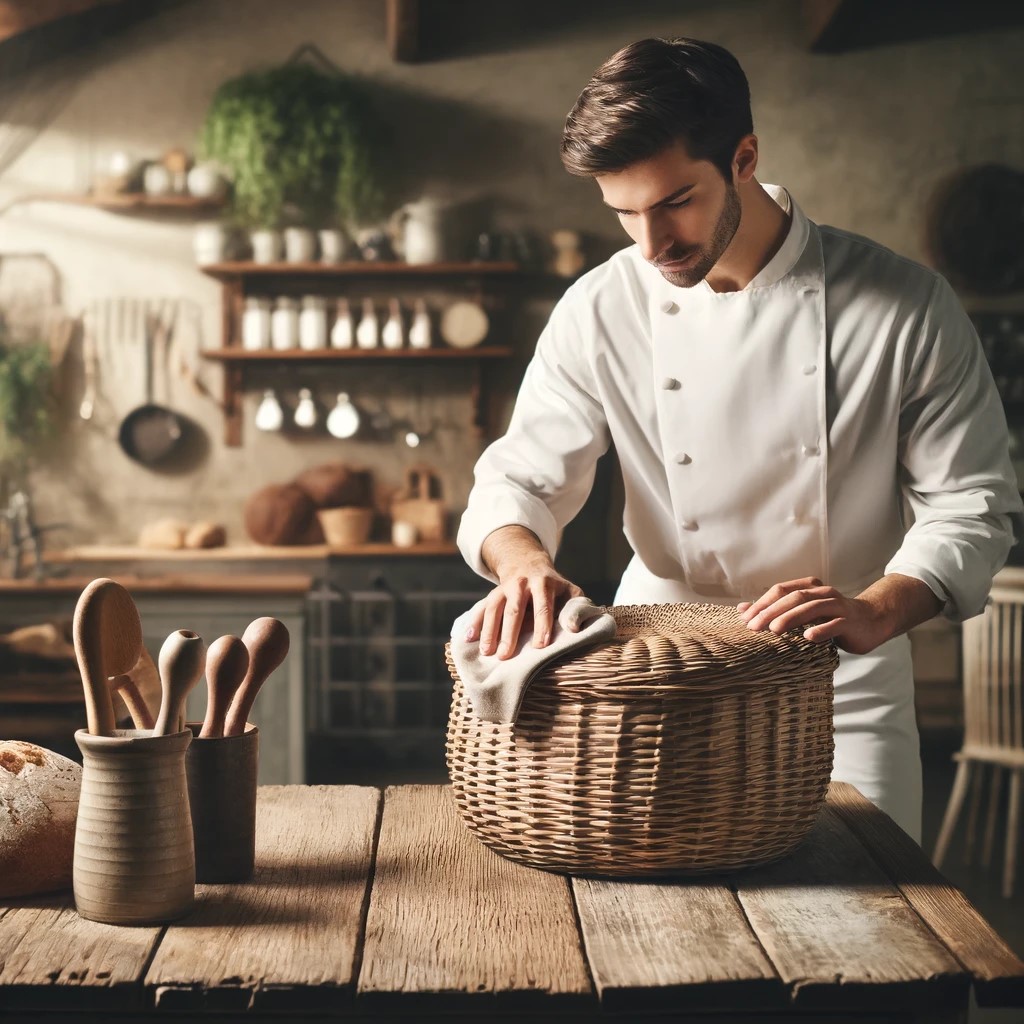
THE banneton, often called a wicker bread layer, is an essential tool in the traditional making of artisan bread. Used for the final fermentation before baking the bread, it helps maintain the shape and imprints that characteristic spiral pattern on the crust. Commonly used materials, such as wicker or rattan, absorb excess moisture from the dough, improving the texture of the crust.
The Impact of Banneton on Bread Aromas
Use a banneton significantly influences the organoleptic properties of bread. By regulating the humidity around the dough, banneton promotes a crispier crust and a more airy crumb, essential for releasing aromas during baking. Breads baked from dough fermented in a banneton develop more complex flavors due to improved fermentation due to controlled temperature and humidity.
Choice and Maintenance of Banneton
The choice of a banneton must be done according to the size and shape of the desired bread. There are round or oval models, each suitable for specific types of bread. To ensure the longevity of the banneton, it is crucial to clean it properly after each use. Brushing off flour residue and drying completely before storing prevents mold from forming and preserves fermentation quality.
Advanced Techniques for Using Banneton
To maximize the benefits of a banneton, some techniques And tips can be adopted. Pre-flour the banneton before each use to prevent the dough from sticking. Prolonged fermentation in a cool environment can also improve bread quality, increasing enzyme activity and enriching the flavors of the finished bread.
FAQs
What type of flour is best for flouring a banneton?
Rice flour is often recommended because it does not contain gluten and therefore effectively prevents the dough from sticking.
Can you use a banneton for all types of bread?
Although primarily used for high-hydration breads, banneton can be used for almost any type of dough, as long as you correctly adjust the amount of flour used for dusting.
How long can you leave the dough in a banneton?
The time may vary depending on the recipe and room temperature, but is generally between 1 and 1.5 hours at room temperature. For longer fermentations, place the dough in the refrigerator to slow the process.
Articles sur le même Sujet
Culinary exploration and fermentation techniques
Fundamentals of fermentation in the kitchen
Fermentation is a culinary art practiced for millennia, allowing the transformation of food through the action of micro-organisms. This method is not only limited to preserving foods but also enriches the taste profiles, while increasing their nutritional value. Yeasts, lactic acid bacteria and other microorganisms play a crucial role in this process, transforming sugars and starches into alcohols and acids.
In baking, for example, fermentation is essential for the development of the taste and texture of bread. THE banneton bread Traditional is used to support fermentation by providing an environment conducive to the growth of the dough while giving it its characteristic shape.
Key steps and techniques specific to fermentation
- Choice of ingredients: Selecting fresh, high-quality ingredients is crucial for successful fermentation.
- Temperature Control: Maintaining a stable and appropriate temperature is essential for crops to grow effectively.
- Fermentation time: varies depending on the type of fermented product, and can range from a few hours to several months.
Modern techniques often use equipment professionals to precisely regulate these parameters, thus guaranteeing consistency of results and food safety.
Use of banneton in traditional bread fermentation
The banneton, a basket often made of wicker or natural materials, is traditionally used to proof bread dough. It absorbs excess moisture and gives the dough an airy structure and a crisp texture once cooked. The spirals or patterns etched inside the banneton also create attractive designs on the baked bread.
For optimal use, it is recommended to flour the banneton before each use to prevent the dough from sticking. It also helps form a delicious, crispy crust on the bread. It is essential to let the bread ferment in the banneton in a warm place to maximize the effectiveness of the rising.
Fermentation FAQ
What are the health benefits of fermentation?
Fermentation improves the digestibility of foods, enriches foods with vitamins and probiotics, and can also reduce the presence of toxins in foods.
Can all types of foods be fermented?
Virtually any type of food can be fermented, although the most common are vegetables, dairy products, meats, and grains.
How long does it take to ferment bread?
The bread fermentation process can vary from a few hours to several days, depending on the recipe and weather conditions. Use a banneton can help stabilize fermentation time by maintaining a suitable microclimate around the dough.
Articles sur le même Sujet
Flour varieties and their impacts on aromas
Impact of Different Flours on Flavors in Artisanal Bakery
The use of various flour varieties significantly influences the aromatic profile of breads. In professional baking, the choice of flour is crucial to develop specific nuances that delight the palate. Examine the impact of these flours when using a banneton allows us to better understand their unique contributions to bread flavors.
Traditional wheat flours, such as T55 or T65, are commonly used for their versatility and ability to produce a beautiful crust and satisfying crumb. However, more specialized flours, such as rye or kamut flour, offer more pronounced flavors, often sought after by lovers of breads with a more robust taste.
Effects of Flour Composition on Fermentation
The composition of the flour plays an essential role in the fermentation processes that take place in the banneton. Wholemeal or whole-grain enriched flours, for example, contain more minerals and fiber, thus influencing microbial activity and flavor production during fermentation. These flours require techniques adjusted to maximize the benefits of these natural processes.
The use of organic flours can also modify the aroma of the bread, due to their specific characteristics resulting from cultivation methods which promote the richness of nutrients and natural flavors. Organic variants are often preferred for artisanal baking methods aimed at producing characterful breads with distinct flavor notes.
Role of Banneton in Flavor Optimization
THE banneton is more than just a tool for shaping bread; it also contributes to the aromatic quality of the final product. By promoting adequate aeration and maintaining the necessary humidity during the final fermentation, banneton helps develop a crust that is not only pleasing to the eye and touch but also carries captivating aromas.
Depending on the type of flour used, the banneton can help accentuate certain aromas. For example, rye flour will produce a bread with spicy and slightly acidic undertones, while spelled flour will contribute with its sweet and nutty notes. The environment created in the banneton is therefore essential to take advantage of the unique properties of each flour.
FAQs
1. How important is the choice of flour in bread making?
The choice of flour impacts all stages of bread making, from handling the dough to the sensory qualities of the finished product, including texture, color, and above all, aromas.
2. Can you mix different flours for a unique result using a banneton?
Absolutely, mixing different flours can enrich the complexity of the tastes and aromas of the bread. However, it is crucial to adjust the proportions and fermentation techniques to ensure the dough rises properly.
3. How does banneton influence the fermentation of the dough?
The banneton helps retain the heat and moisture necessary for proper fermentation, while allowing the dough to maintain its shape and develop a rich, aromatic crust when baking.
Articles sur le même Sujet

Incorporation of unusual ingredients when shaping bread
The impact of unconventional ingredients on bread texture
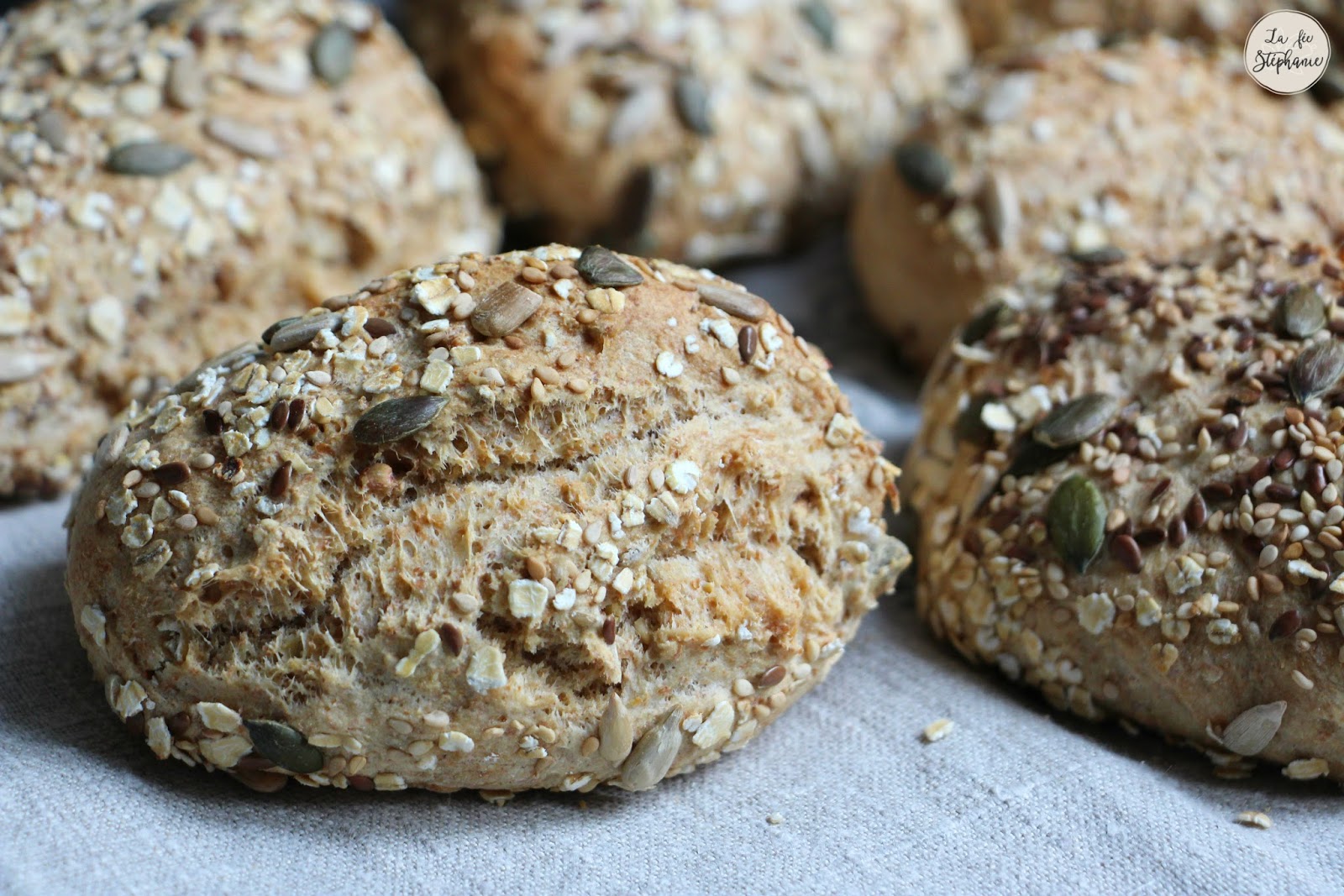
There traditional bakery opens up to new perspectives with the use of bannetons for shaping the bread. The integration of unusual ingredients such as dried fruits, non-traditional seeds or rare spices substantially influences the texture and flavor of the bread. These additions not only create a unique taste experience but also modify the structure of the crumb. Chia or flax seeds, for example, can absorb moisture and make the crumb softer while adding a pleasant crunch.
Shaping techniques with unusual ingredients
Shaping is a crucial step in baking, especially when working with unusual ingredients. It is important to mix these additives evenly with the dough to avoid irregularities in the texture. Use a banneton at this stage helps maintain the shape and structure of the bread while effectively incorporating the ingredients. For optimal results, the unusual ingredient should be added during the first kneading so that it can harmonize with the dough before fermentation.
Choosing the Right Banneton for Special Ingredients
The choice of banneton is also vital when experimenting with atypical ingredients. Added ingredients may alter the consistency of the dough, requiring a banneton which supports these modifications. Rattan bannetons, for example, provide excellent ventilation, which is crucial for doughs enriched with ingredients that can retain moisture. In addition, the dusting of flour in the banneton must be adjusted according to the nature of the ingredient used to prevent the bread from sticking.
Tips for optimizing the use of unusual ingredients
- Incorporate the unusual ingredients gradually to observe their effect on the dough.
- Adapt the fermentation and resting times according to the additions to preserve the desired texture of the bread.
- Use spices and herbs to complement the flavors introduced by the unconventional ingredients.
FAQs
What unusual ingredients can you use to make bread?
The ingredients can vary from grated vegetables such as carrots or zucchini, to dried fruits, or even unusual spices and aromatic herbs.
How do these ingredients affect dough rising?
Some ingredients may slow rising due to their weight or ability to absorb moisture. It is crucial to adjust fermentation quantities and times accordingly.
Is it necessary to modify the basic bread recipe when adding unusual ingredients?
Yes, it is often necessary to adapt the proportions of liquid and flour to maintain an adequate consistency of the dough, as well as to modify the cooking and fermentation times according to the characteristics of the new components.