Banneton: an essential for the magic of yeast?


Artisanal baking relies on precious tools that transform simple ingredients into culinary masterpieces. Among these tools, the banneton is often taken for granted, although it plays a crucial role in the success of leavened bread. This article explores in detail how this simple accessory can influence the fermentation and shape of bread, highlighting why any serious baking enthusiast should consider the banneton as an indispensable ally in the art of yeast. Let’s discover together how this utensil shapes the texture and aesthetics of our favorite breads.
The importance of banneton in bread proofing
Crucial role of banneton in artisanal bread making
THE banneton is an essential tool in the baker’s arsenal professional and passionate. Its use during the last fermentation, also called priming, plays a determining role in the quality of the bread final. This wicker or plastic support promotes regular and controlled growth, allowing the bread to fully develop its taste and texture.
The choice of material for a banneton, whether wicker or covered in linen, impacts not only moisture management but also the formation of a crisp and even crust. Thus, the appropriate use of suitable bannetons contributes significantly to the loyalty of customers seeking high quality products marked by the artisanal bakery tradition.
Optimization of bread fermentation and texture
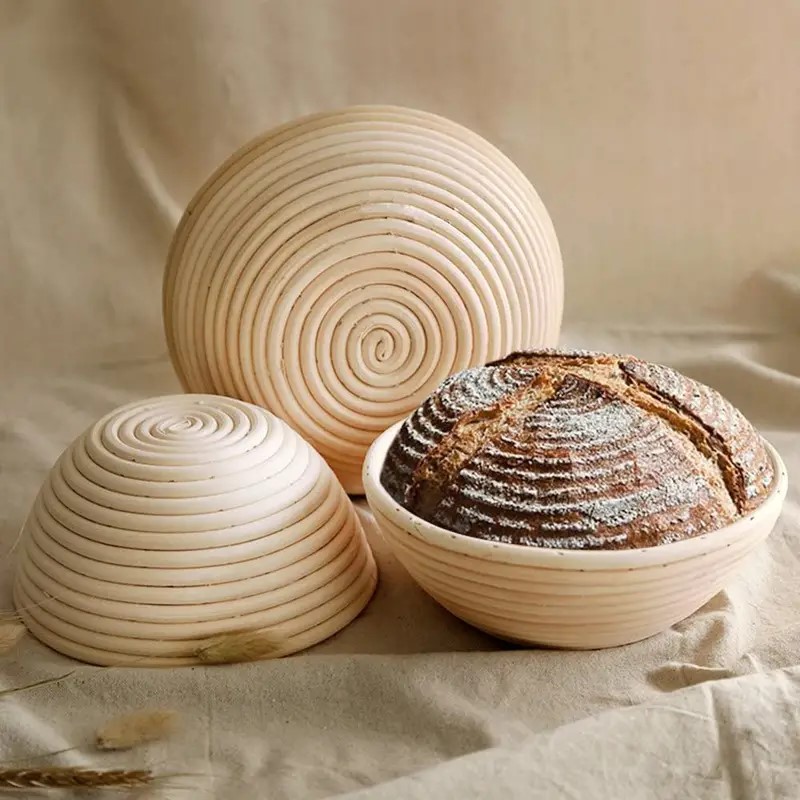
Use a banneton during the fermentation of bread helps maintain the shape and structure of the dough as it rests and rises. This results in a more airy crumb and a more attractive crust. Furthermore, the characteristic grooves of the wicker print traditional patterns on the dough, adding an attractive visual aspect to the final loaf.
The followers of banneton also appreciate the ease with which the dough can be removed from the mold before baking. In fact, if the linen or banneton is correctly floured, the dough does not stick, thus facilitating transfer to the oven without damaging the structure developed during proofing.
Selection and maintenance of bannetons for consistent quality
The choice of banneton must be done based on several criteria, including the size and shape of the desired loaf. Maintenance of the banneton is also crucial: appropriate and regular cleaning not only guarantees optimal hygienic conditions but also preserves the structural qualities of the banneton for long-term use.
It is recommended to clean the bannetons in lukewarm water without soap and air dry them. This maintenance method helps keep the wood or wicker in good condition and avoids mold or residue that could alter the taste of the product. bread. In addition, a well-maintained banneton contributes to better fermentation by ensuring adequate temperature and humidity.
FAQ about bannetons and bread proofing
1. What type of flour should I use to flour a banneton?
It is best to use a flour high in gluten, such as regular wheat flour or rye flour. These flours help prevent the dough from sticking to the banneton when unmolding.
2. Does banneton material affect the taste of bread?
No, the banneton material does not directly affect the taste of the bread. However, a wicker banneton allows for better air circulation around the dough, which can influence the texture and crust of the bread.
3. How long can the same banneton be used?
With proper care, a banneton can last for several years. It is important to let it dry completely after each cleaning to prevent mold and mildew from forming and extend its lifespan.
Articles sur le même Sujet

Choosing the right banneton for optimal results
The selection of a banneton bread proper baking is essential for anyone wishing to master the art of baking traditional and obtain quality bread professional. This guide explores the criteria needed to choose the ideal banneton, taking into account size, material and shape, while providing techniques And tips practices to maximize the effectiveness of this essential tool.
Understanding the Importance of Banneton Material
The choice of banneton material is decisive for the quality and texture of the final bread. Bannetons can be made from wicker, plastic, wood or covered with linen. Each has specific advantages:
- Wicker : Promotes better air circulation, which allows the dough to breathe and contributes to the formation of a crispy crust.
- Plastic : Easy to clean and durable, but may not support dough breathing as well compared to wicker.
- Drink : Offers a rustic aesthetic and maintains the temperature well, positively influencing the rising of the dough.
- Linen : Absorbs excess moisture and prevents dough from sticking, while allowing a decorative pattern to be created on the crust of the bread.
Select the Right Size and Shape
The size and shape of the banneton must correspond to the type of bread you want to create. Round bannetons are perfect for balls of bread, while oval bannetons are ideal for longer loaves. It is crucial to consider the volume of dough the banneton can hold, usually stated in grams. A banneton that is too small or too large could compromise the shape and structure of the bread.
Practical Tips for Using and Maintaining Banneton
Proper maintenance is essential to prolong the life of the banneton and ensure consistent results. Before each use, it is recommended to dust the banneton with flour to prevent the dough from sticking to it. After use, remove any remaining dough and allow the banneton to air dry. Avoid washing with water frequently, as this can alter the natural properties of materials like wicker and wood.
FAQs
How long does a banneton last?
The lifespan of a banneton depends on frequency of use and maintenance. A well-maintained banneton can last several years.
Can you use the same banneton for different types of bread?
Yes, it is possible to use the same banneton for different types of bread, but it is important to ensure that the banneton is well cleaned and dry between each use.
How do you know if a banneton is good quality?
A good quality banneton is sturdy, well finished with no visible splinters or warps, and made from natural materials that promote air circulation and moisture absorption.
Articles sur le même Sujet
Maintenance and cleaning of bannetons
Initial Cleaning of the Banneton
When purchasing a new banneton, it is imperative to carry out careful cleaning before its first use. Although bannetons do not require recurring deep cleaning, preparing them correctly before integrating them into your daily baking routine ensures the elimination of manufacturing residues and possible external contaminants.
Start by gently brushing the inside of the banneton with a soft brush to remove surface particles. Then wipe with a slightly damp cloth but without excess water. It is crucial to let the banneton dry completely in the open air, in a well-ventilated area, before using it to proof your dough.
Regular Maintenance to Preserve Quality
After each use, it is recommended to remove flour residue using a specific brush. This prevents the buildup of old leftovers that could go moldy and affect the quality of your bread. Using a brush with natural bristles allows you to effectively remove residue without damaging the internal texture of the banneton.
If you notice stains or an unpleasant odor, it is okay to use a small mixture of diluted white vinegar to lightly clean the surface. However, be sure to never immerse the banneton in water or use soaps or detergents, as this could affect its ability to absorb moisture from the dough and form a nice crust on your loaves.
Proper Drying and Storage
An often overlooked but essential aspect of banneton maintenance is drying. After cleaning, make sure the banneton is completely dry before storing it. Residual humidity can be the source of mold and bad odors, compromising not only the quality of the banneton but also that of your future breads. Ideally, place the banneton in a warm, dry place to promote even drying. Avoid enclosed areas like cupboards or drawers unless they are well ventilated.
For storage, make sure the banneton is stored in a clean environment to avoid contamination from insects or dust. A fabric bag can be an excellent option to protect the banneton while allowing air to circulate properly around it, preventing moisture stagnation.
FAQs
1. Can you wash a banneton in the dishwasher?
No, washing in the dishwasher is not recommended for bannetons. Excess water and harsh detergents can damage the wicker or rattan structure, and alter the natural properties that help bread ferment.
2. How long does a banneton last with proper care?
With regular and proper maintenance, a banneton can last several years. The key is to keep it dry, clean and well ventilated, so as to preserve its qualities and shape.
3. Can I use bleaching agents to clean my banneton?
It is not recommended to use bleaches or other harsh chemicals to clean a banneton. This could not only damage the material but also leave chemical residues which could influence the taste of your bread.
Articles sur le même Sujet


Advanced techniques for using banneton in baking
The fundamentals of banneton in baking
THE banneton, often called a bread pan or proofing basket, is essential in the bread making process artisanal. Traditionally used to support the dough during its last hours of fermentation, the banneton helps maintain the shape of the bread while promoting a crispy crust and a well-structured crumb thanks to its breathable material. They are generally made of wicker or cane, but there are also perforated plastic versions.
Choosing the right banneton: materials and size
The choice of banneton depends largely on the type of bread you want to make. Wicker bannetons are valued for their ability to absorb moisture, which is crucial for a good crust. Their structure also allows you to transfer a pretty spiral imprint onto the dough. The dimensions of the banneton must correspond to the quantity of dough prepared, knowing that a standard size banneton is generally suitable for a 1 kg dough piece.
Preparation and maintenance of banneton
Before the first use and after each use, it is important to clean the banneton thoroughly to prevent mold growth and ensure food safety. Good cleaning is done using a soft brush and lukewarm water without soap. Ensure good drying before storing, ideally in a cool, dry place. To prevent the dough from sticking, sprinkle the banneton with rice flour which is the most effective for this type of use.
Advanced techniques for using banneton
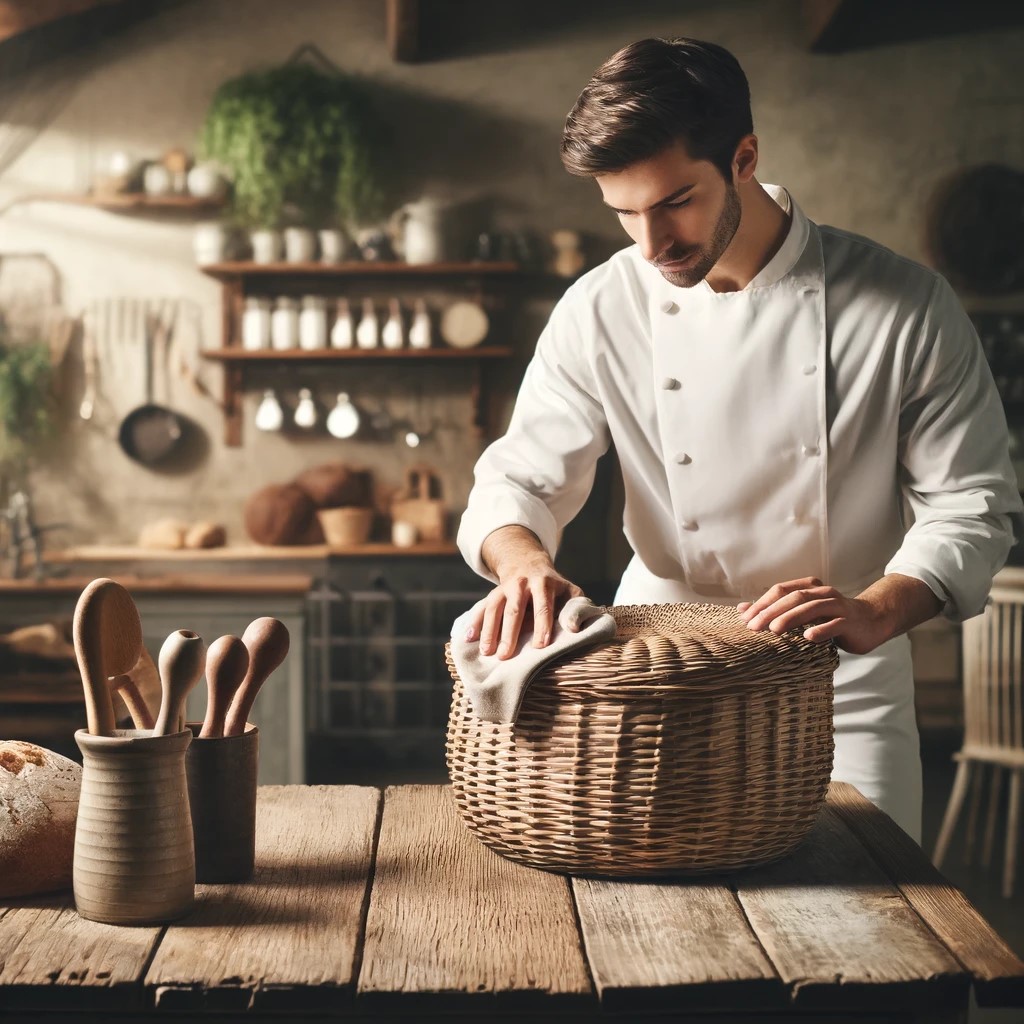
Advanced use of banneton requires mastering rest times and dough handling. One technique consists of rotating the dough in the banneton to even out the formation of the crust. It is also crucial to control the humidity of the environment, as too much humidity can make the dough too sticky, while too dry an environment can lead to a tough, dense crust. Another tip: cover the banneton with a slightly damp cloth during fermentation to maintain optimal hydration.
Frequently Asked Questions (FAQ)
1. Can you use a banneton for all types of bread?
Yes, banneton is versatile and can be used for most types of bread. However, it is particularly effective for soft, highly hydrated doughs, typical of European breads like sourdough bread.
2. How to prevent the dough from sticking to the banneton?
Make sure to dust the banneton well with rice flour before each use. You can also use a clean, lightly floured cloth to cover the dough, which will make it easier to remove.
3. What is the main advantage of using a wicker banneton over a plastic banneton?
The main advantage of the wicker banneton is its ability to absorb excess moisture from the dough, which promotes the formation of a beautiful crispy crust and airy crumb when baking.