How to get the perfect crust with banneton?
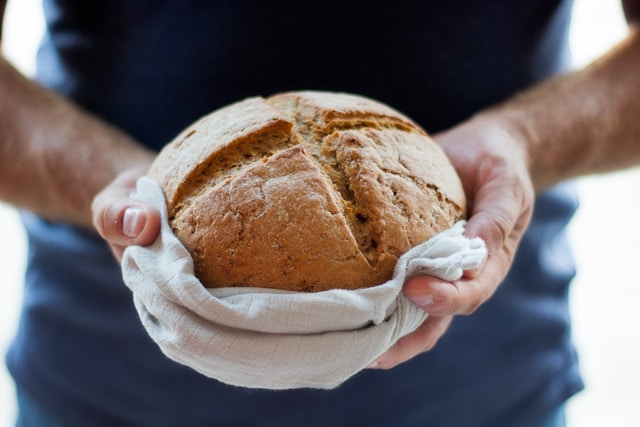

Discover the secrets of a perfect crust for your artisan bread. By exploiting the best techniques and clever use of the banneton, you can create a crispy, golden crust that will make every bite a real pleasure. This article will guide you through the key steps and tips to maximize the efficiency of your banneton and achieve exceptional results that will impress the most discerning bread lover.
Choosing and preparing the ideal banneton
Importance of banneton in artisanal baking
In the production of traditional bread, the choice of banneton is decisive for obtaining a crispy crust and a well-shaped crumb. This container, used during the final stages of fermentation, helps the dough maintain its shape and absorbs excess moisture, which is essential for the development of a perfect crust.
Types of bannetons and their influence on bread texture
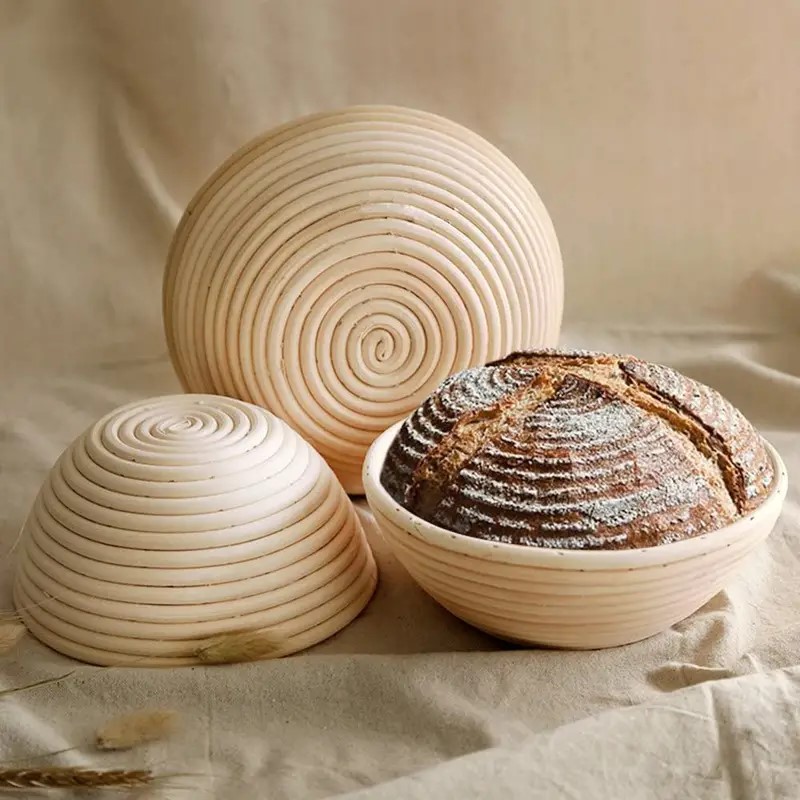
THE bannetons can be made of various materials, but the most common are rattan and linen. Each material has its own characteristics which influence the texture of the crust and the structure of the crumb:
- Rattan: Excellent for air circulation, it allows for uniform fermentation and is ideal for rustic, sturdy breads.
- Linen : Promotes a smooth surface and is often used for breads with finer textures.
Preparing and maintaining the banneton before use
Good preparation of banneton is essential to prevent the dough from sticking and to allow the woven pattern to be printed on the crust of the bread. Here are the steps and tips to prepare your banneton:
- Generously sprinkle the banneton of flour before each use.
- After use, remove excess dough and flour with a brush.
- Let him banneton air dry to prevent mold from forming.
FAQs
1. Can you use a plastic banneton to make traditional bread?
Yes, plastic bannetons are a hygienic and easy to clean alternative, although they do not offer the same type of breathability as rattan or linen.
2. How do I know if I need to replace my banneton?
A banneton should be replaced if signs of deterioration appear, such as cracks or mold, which could affect the quality of the bread.
3. Is it necessary to flour banneton before each use?
Yes, flouring is essential to prevent the bread from sticking to the banneton and to facilitate unmolding after fermentation.
Articles sur le même Sujet
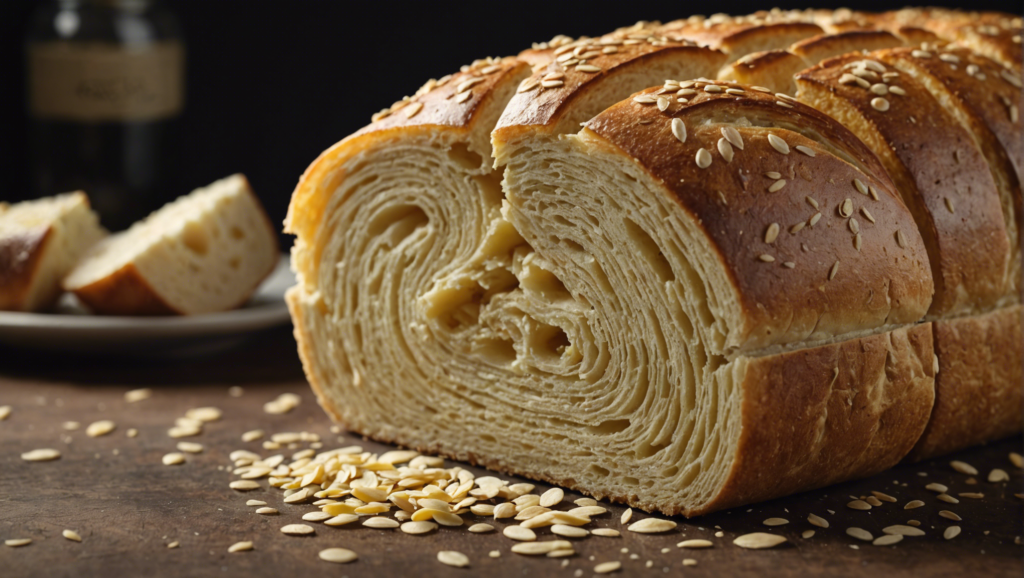
Dough Shaping Techniques for Optimal Crust
Initial dough preparation
An exceptional crust begins with careful dough preparation. The choice of ingredients, as well as their proportion, plays a crucial role in the final quality of the bread. It is essential to use a suitable flour, generally a T55 or T65 type flour for traditional breads, as these flours contain the ideal level of protein for good gluten formation.
Kneading is one of the fundamental steps to develop gluten, which is responsible for the texture and structure of bread. Effective kneading ensures uniform distribution of yeast and adequate aeration, essential elements for fermentation.
The art of bouncing and relaxing
After kneading, the dough must undergo a process called rounding. This technique involves forming the dough into a tight, smooth ball. The goal is to create tension on the surface of the dough, which helps preserve gases produced during fermentation, leading to a lighter, airier bread.
Relaxation, a post-rolling rest period, is also critical. During this time, the dough relaxes, making final shaping easier. This step allows the proteins to renew their configuration and minimizes the risk of tearing during shaping.
Specific shaping for the crust
The shaping of the dough is decisive for the final configuration of the bread. Depending on the desired shape, different techniques can be used. For a baguette, for example, the dough is rolled and stretched to form a long cylinder, while for a boule, it is folded several times on itself.
This meticulous shaping has a direct impact on the crust. Tight, even shaping helps maintain moisture inside the bread, allowing the crust to crisp up when baking. The use of bannetons during the final fermentation also helps maintain the shape of the bread while giving it a characteristic crust texture.
Baking and tips for a perfect crust
The last crucial step to achieve a perfect crust is baking. The high oven temperature (around 240°C) is essential. Introducing steam at the start of baking helps delay hardening of the crust, giving more time for the bread to rise further before the crust begins to form.
Additionally, lowering the oven temperature after the first few minutes of baking can help avoid burning the crust while still allowing the inside of the bread to cook completely without losing moisture.
FAQs
What is the best flour to use for a crispy crust?
For an ideally crispy crust, a high-protein flour, such as T55 or T65, is recommended because it promotes the formation of robust gluten.
How long should you knead dough to properly develop gluten?
Kneading should generally last between 10 and 15 minutes, depending on the method used (manual or mechanical), until the dough is smooth, elastic and passes the haze test.
Is it necessary to use a banneton for shaping bread?
Although not essential, using a banneton is highly recommended for traditional breads, as it helps the shaped bread maintain its shape and imparts a rustic texture to the crust.
Articles sur le même Sujet
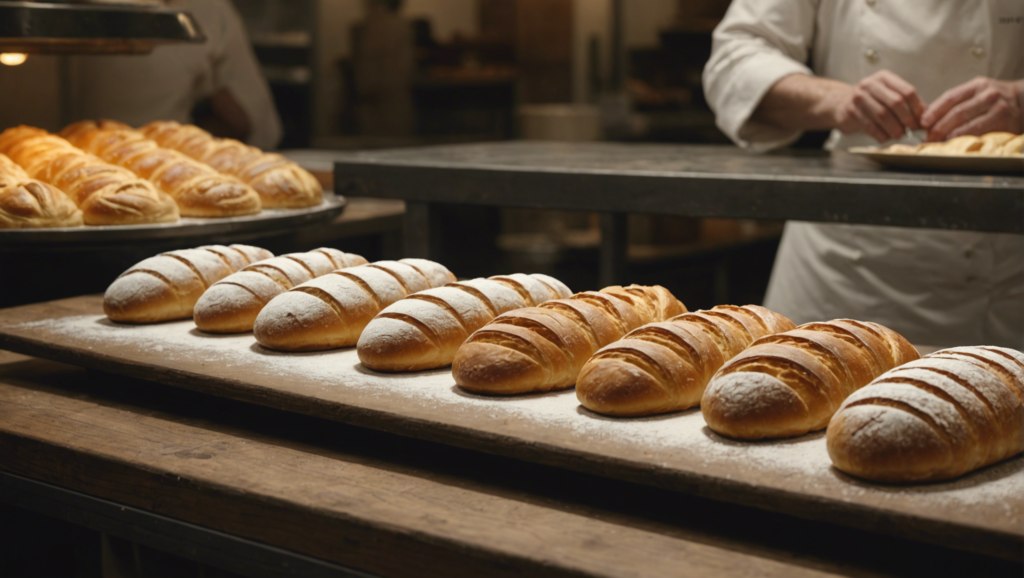
Humidity and temperature: key factors for using banneton
Understanding the Impact of Humidity and Temperature on Your Bread
In the world of artisan baking, precise control of humidity and temperature during fermentation is crucial. The use of a banneton allows you to maintain the shape of the bread while controlling these two influential parameters. Adequate humidity and temperature ensure not only optimal crust development, but also an airy and light crumb.
Techniques to Optimize Moisture When Using Banneton
Any *professional* will tell you that humidity plays a major role in the formation of a perfectly golden and crispy crust. When a dough is kept in a humid environment via a suitable banneton, the surface remains flexible during rising, thus allowing expansion without premature cracking. Using banneton-friendly linen covers or layers can help regulate this humidity.
- Lightly dampen the linen before placing it in the banneton.
- Close the banneton tightly with a cover or plastic wrap to maintain humidity.
- Place it in a cool place and avoid dry drafts which can harden the surface of the dough.
Controlling Temperature for Ideal Fermentation
Temperature is another determining factor in how successfully your dough rises. A banneton Properly prepared makes it easier to manage temperature throughout the fermentation process. It is recommended to use bannetons made from natural materials such as rattan, which promote optimal air circulation. This avoids excess heat which could prematurely activate the yeast or alter the characteristics of the dough.
- Store the banneton in a place with a constant temperature, ideally between 18°C and 24°C.
- Avoid placing the dough in an environment that is too hot, as this could speed up fermentation too much.
- Letting the dough rest in the banneton allows it to develop the desired flavors and texture.
FAQs
What is the exact role of banneton in the formation of the crust of bread?
The banneton helps maintain the shape and structure of the dough as it rises. It also helps regulate humidity and ensures uniform heat distribution, essential elements for obtaining a beautiful golden and crispy crust.
How do you know if the humidity and temperature are optimal when using banneton?
Use a thermometer and hygrometer to accurately measure the temperature and humidity of the environment where the banneton and dough are placed. Ideally, the temperature should be between 18°C and 24°C with relative humidity around 75-80%.
Are there specific bannetons for different types of bread?
Yes, there are various shapes and sizes of bannetons suitable for different types of bread. Rattan bannetons are often preferred for traditional, rustic breads, while perforated plastic ones are used for wetter or stickier doughs.
Articles sur le même Sujet
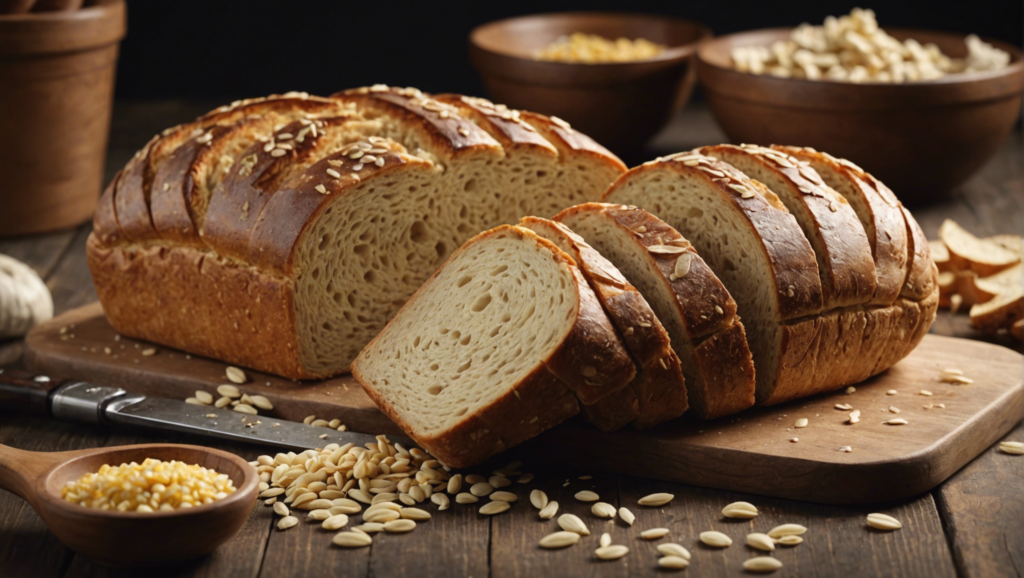

Tips for perfectly unmolding and baking your bread
Preparing Banneton for Traditional Bread
The success of a crusty bread begins with the proper preparation of the banneton. This proofing basket, often made of wicker or rattan, plays a crucial role in shaping the bread and absorbing excess moisture from the dough during proofing. To prevent the dough from sticking, it is essential to flour the banneton well before each use. Choose a T55 or T65 type flour, as they have optimal absorbency while being fine enough not to alter the texture of the crust.
For added protection, some bakers also use a linen or cotton cloth, inserted inside the banneton. This cloth must also be generously floured to allow easy and clean unmolding, which is essential to obtain a perfect crust.
Professional Mold Release Techniques
Unmolding bread is a critical step that can affect the appearance and quality of the crust. After fermentation, gently invert the banneton onto a baking sheet or baker’s peel. It is important to do this carefully to avoid deflating the dough. If the dough sticks slightly, tap the bottom and sides of the banneton until the dough comes away completely.
Another tip is to lightly moisten the banneton before adding the dough, which creates a thin barrier against adhesion. Use smooth and rapid movements to avoid any deformation of the dough during unmolding.
Optimizing Cooking for an Ideal Crust
The baking environment plays a vital role in crust formation. Use a well-preheated oven and, to simulate the effect of a professional steam oven, insert a drip pan full of hot water into the bottom of the oven when putting the bread in the oven. This steam is essential for allowing the crust to become crispy while remaining thin and light.
The oven temperature should be adjusted depending on the type of bread. In general, a high initial temperature (around 240°C) followed by a gradual decrease maximizes the expansion of the dough and obtains a golden, crispy crust. The position of the bread in the oven is also crucial: a central position ensures even baking.
FAQs
1. What type of flour should I use to flour banneton?
It is recommended to use T55 or T65 type flour to flour banneton, as they have a good balance between absorbency and fineness.
Make sure to flour the banneton well before each use. You can also use a floured linen or cotton cloth placed inside the banneton to facilitate unmolding.
Yes, using steam at the start of cooking can help develop a nice crust. Place a drip pan of hot water at the bottom of the oven and start cooking at high temperature before gradually reducing it.