Beyond the banneton: what are the innovative kneading techniques?

Discover the latest kneading innovations that are revolutionizing the art of baking. Beyond the traditional banneton, this article explores avant-garde techniques to improve the texture and taste of your bread, while optimizing the fermentation and gluten development process. Whether you’re a passionate amateur or a seasoned professional, these innovative methods promise to push your baking skills to new heights.
Exploring cutting-edge kneading methods
Technological Advances in Kneading
In the baking industry, technological innovation has revolutionized the methods of kneading. Modern machines allow precise control of the speed and intensity of kneading, which directly influences the texture and quality of the bread. Built-in sensors adjust parameters in real time to adapt to dough consistency and optimize gluten development.
Manual Kneading: Techniques and Benefits
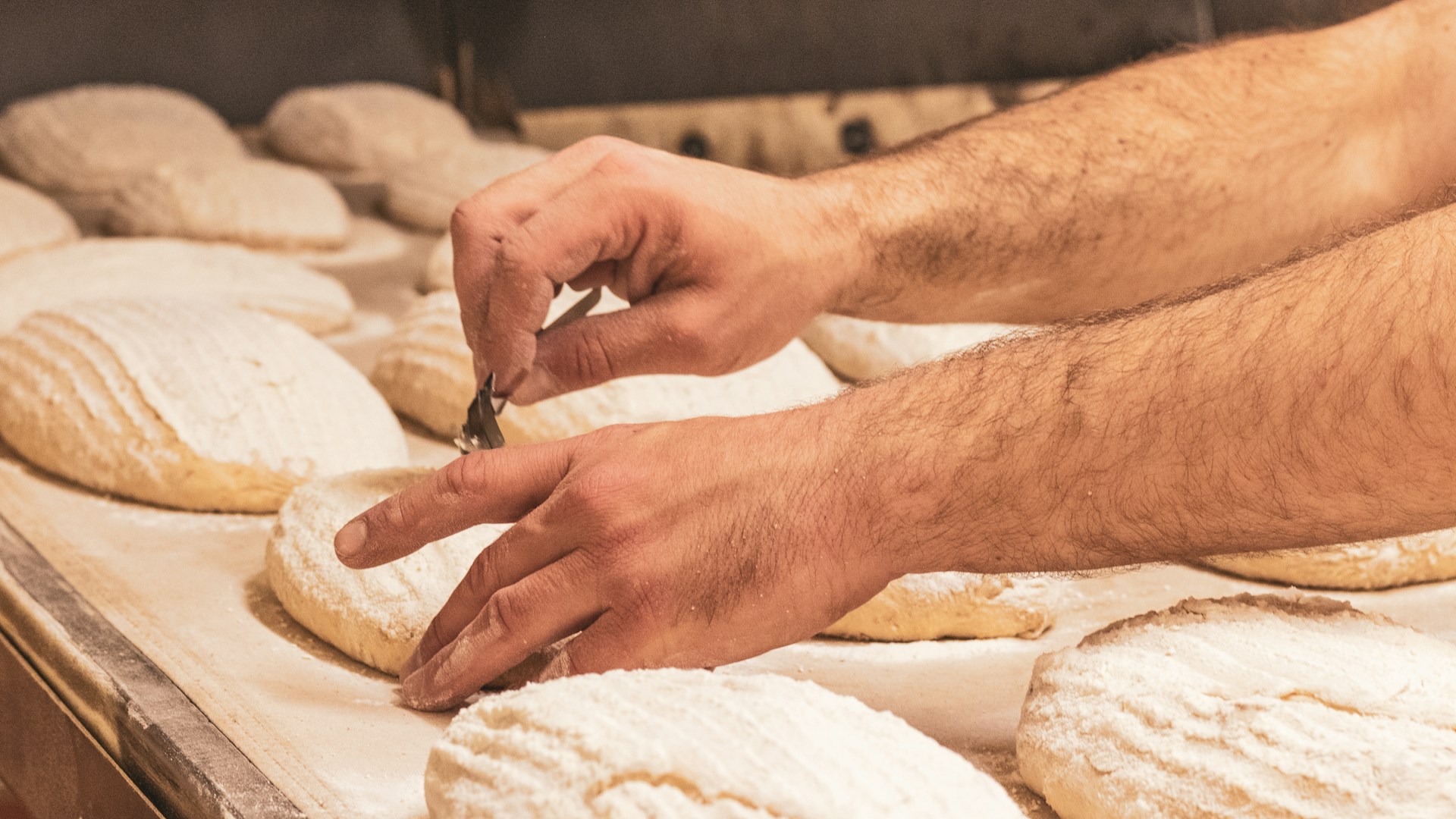
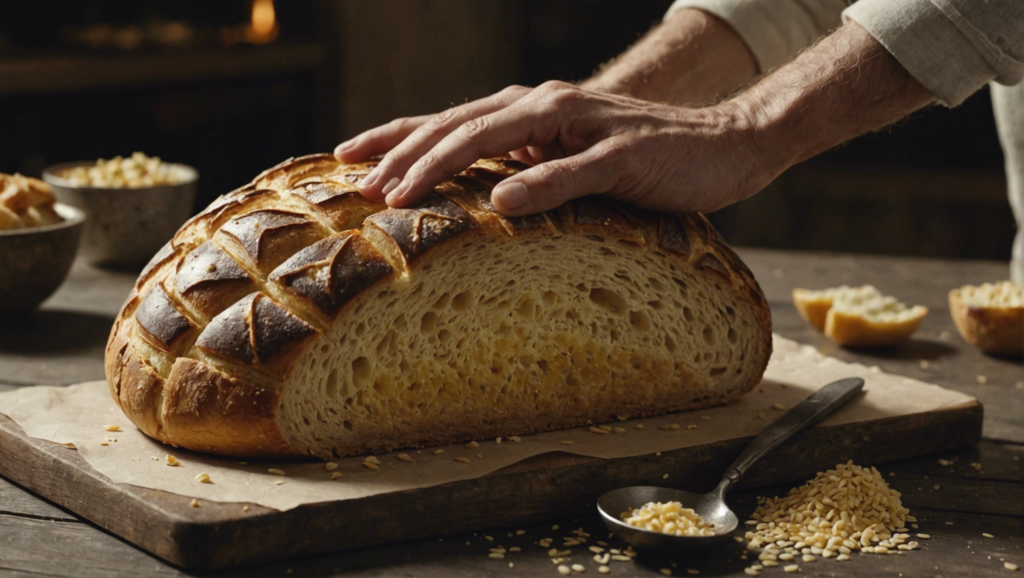
Kneading traditional by hand has not lost its value, especially for artisans who value direct contact with the dough. This method allows careful control of the firmness of the dough and is often favored for certain specific recipes that require a gentler or less consistent approach. Of the techniques like French kneading or folding strengthen the structure of the bread in a distinct way.
Integration of Robotics in Kneading
Robotics offers unprecedented possibilities in dough preparation. Robotic arms are capable of replicating the most complex movements of professional bakers, ensuring uniformity and efficiency, particularly beneficial for mass production. These systems can also be programmed to accommodate different flour and hydration types, ensuring consistent quality.
Use of Additives and Enzymes in Modern Kneading
The incorporation of additives and enzymes is a common method to improve dough characteristics. These compounds can help control stability, elasticity and gas retention during kneading, resulting in a bread softer and with a perfectly crispy crust. However, their use must be carefully measured to preserve the qualities traditional artisanal bread.
F.A.Q.
What is the main advantage of manual kneading over mechanical kneading?
Manual kneading allows for instant and very precise adjustment, ideal for special recipes that require a particular dough texture.
How do modern kneading machines improve bread production?
They guarantee uniformity and efficiency, adaptable to various types of doughs and recipes, which is essential in large quantity production.
Are additives necessary in modern kneading?
Although not essential, they are used to improve dough characteristics, such as texture and gas retention capacity, benefiting the overall quality of the bread.
Articles sur le même Sujet


Emerging Technologies in Bread Making
Bread making is an ancestral tradition that has evolved considerably with the advent of new technologies. This area has seen the emergence of multiple innovations that have transformed kneading techniques, making the process both more efficient and adaptable to modern demands.
Automation of kneading
One of the main technological innovations in bread making is the automation of kneading. Modern kneading machines allow for precise dough handling, with settings that precisely control speed and intensity. This not only ensures better homogeneity of the mixture but also makes it possible to respect the quality and consistency standards necessary in the industry. professional.
Spiral mixers, for example, are specifically designed for heavy doughs typical of banneton bread traditional. These machines minimize mechanical stress on the dough while optimizing the oxygenation necessary for optimal gluten development.
Smart sensors and adaptive kneading
Kneaders equipped with smart sensors can now adjust kneading parameters in real time. These sensors measure various factors such as temperature, humidity and consistency of the dough. Depending on this data, the mixer adapts its operation to guarantee the best possible treatment in all circumstances, thus enhancing the techniques And tips traditional while integrating modern precision.
This technology represents a significant advance especially in large-scale production where product consistency must be maintained even with large variations in production conditions or ingredient quality.
The integration of AI into kneading
Artificial Intelligence (AI) also finds its place in the evolution of kneading. Systems with AI are able to learn from their own experiences and can optimize their operation based on the results of previous batches. This type of innovation not only improves the quality of the bread produced but also significantly reduces material waste by adjusting processes based on continuous analysis of the data collected.
Kneading and Technology FAQs
- What are the advantages of kneading automation in professional baking?
- Automation allows for consistency in bread quality, increased production and reduced labor costs.
- Automation allows for consistency in bread quality, increased production and reduced labor costs.
- How do smart sensors influence bread quality?
- They adjust kneading parameters to optimize dough consistency and quality in real time, resulting in a higher quality finished product.
- They adjust kneading parameters to optimize dough consistency and quality in real time, resulting in a higher quality finished product.
- How does integrating AI into kneading benefit bakers?
- AI can predict and resolve problems before they arise, improving the efficiency of the manufacturing process and the quality of bread.
- AI can predict and resolve problems before they arise, improving the efficiency of the manufacturing process and the quality of bread.
- Automation allows for consistency in bread quality, increased production and reduced labor costs.
- They adjust kneading parameters to optimize dough consistency and quality in real time, resulting in a higher quality finished product.
- AI can predict and resolve problems before they arise, improving the efficiency of the manufacturing process and the quality of bread.
Articles sur le même Sujet

Impact of innovative techniques on bread quality
Kneading is a crucial step in bread making, which directly influences the structure and organoleptic qualities of the finished product. The advent of new methods in this field represents a revolution for bakers seeking excellence and consistency in their creations.
Fundamentals of the influence of kneading on bread quality
The main objective of kneading is to develop the gluten network in the dough. This process helps incorporate air and redistribute nutrients to feed the yeast, which is essential for fermentation. Adequate kneading guarantees a honeycomb crumb structure, a crispy crust, and improves the preservation of the bread. Innovative techniques, by optimizing this process, open the door to a notable qualitative improvement in artisanal bread.
Innovative kneading techniques
Several innovative kneading methods have emerged, each with its own set of specific benefits. Among these, slow kneading and the autolyse method are particularly interesting:
- Slow kneading : This technique allows a significant reduction in the oxygenation of the dough, which preserves the natural aromas of the ingredients and improves the color of the crust.
- Autolysis : Developed by French baker Raymond Calvel, this method involves resting the dough mixed with just water and flour, before adding yeast and salt. It promotes better gluten hydration, thus reducing the total kneading time required and improving the texture of the bread.
Observed results and professional impacts
Adopting advanced kneading techniques leads to notable improvements:
- Texture improvement : a more airy and elastic crumb, offering a better taste experience.
- Increased bread durability : thanks to an optimal gluten network, the bread retains its freshness for longer.
- Quality standardization : repeatable and controllable processes which allow consistency in the quality of the breads produced.
FAQs
What is the difference between manual kneading and mechanical kneading?
Manual kneading is often preferred for small productions or special doughs that require a sensitive touch. Mechanical kneading, for its part, offers homogeneity and regularity that are difficult to achieve by hand.
How does temperature affect kneading?
Proper temperature when kneading is crucial. Too high, it can accelerate fermentation excessively. Too low, it slows down the development of gluten. The ideal is to control the temperature to guarantee optimal development.
Are additives necessary in modern kneading?
No, additives are not essential, but some can be used to modify the characteristics of the bread, such as bread improvers which strengthen the gluten structure and increase the volume of the bread.
Articles sur le même Sujet

Towards a futuristic bakery: adoption and adaptation
Emerging Technologies in Bakery
The field of baking is constantly evolving, turning more and more towards technologies that facilitate and perfect the process of kneading. The use of programmable dough mixers and digitally controlled machines provides unparalleled precision, allowing bakers to reproduce consistent, high-quality results.
These technological innovations are not limited to improving efficiency; they also open the way to the customization of the texture and structure of pasta, key elements in the manufacture of banneton bread according to standards professionals.
The Role of Adaptation in the Modernization of Kneading Techniques
Adapting to new technologies requires continuous training and learning on the part of artisan bakers. Understanding and effectively integrating machine programming parameters is essential to making the most of these modern tools. Adaptation also involves a commitment to research and development to continue to innovate and improve existing processes.
Bakers must also stay true to the methods traditional while adopting these new approaches, in order to preserve the authenticity and characteristic taste of artisanal bread.
Impact on Bread Quality and Consistency
The introduction of advanced technologies in kneading significantly influences the quality of bread. Precise control of kneading variables, such as speed and duration, allows for optimal fermentation and perfectly developed alveolature. This results in breads with an airier crumb and crisper crust, characteristics sought by consumers.
Additionally, automating kneading can reduce the baker’s exposure to repetitive and physically demanding tasks, thereby reducing the risk of workplace injuries.
Opening Towards New Markets
The adoption of futuristic technologies in baking also opens doors to new markets. Increased production capacities and consistent product quality make it possible to respond to a larger and more varied customer base. Whether for local or international markets, modernized bakeries can easily adapt to specific demands and changing consumer preferences.
Digital also allows for better traceability and inventory management, key elements in managing a large-scale bakery business.
FAQs
What are the main advantages of kneading automation?
The main benefits include improved bread consistency and quality, reduced fatigue and risk of injury for bakers, and a significant increase in productivity.
By combining training and innovation, it is possible to maintain the characteristics of traditional bread while benefiting from the advantages of modern technologies.
Many solutions are scalable and can be adapted to different production sizes, making advanced technologies accessible even to small businesses.