Why is banneton the key to a beautiful bread crust?

In this article, we’ll explore the crucial importance of banneton in the artisan baking process. Discover how this traditional tool, used with skill, helps shape the perfect crust and improve the overall structure of the bread. We will analyze the technical aspects of its use and the reasons why it is essential to obtain a result that is both crispy and aesthetically satisfying. Whether you are a passionate baker or simply curious to perfect your baking skills, this article will shed light on the merits of banneton in making exceptional breads.
The role of banneton in the formation of a crispy crust
THE banneton, an instrument traditionally used by bakers, plays a crucial role in the preparation of a bread quality. This tool is not just a container; it significantly influences the texture of the crust, the final appearance and the development of the dough during fermentation.
Understanding banneton and its materials
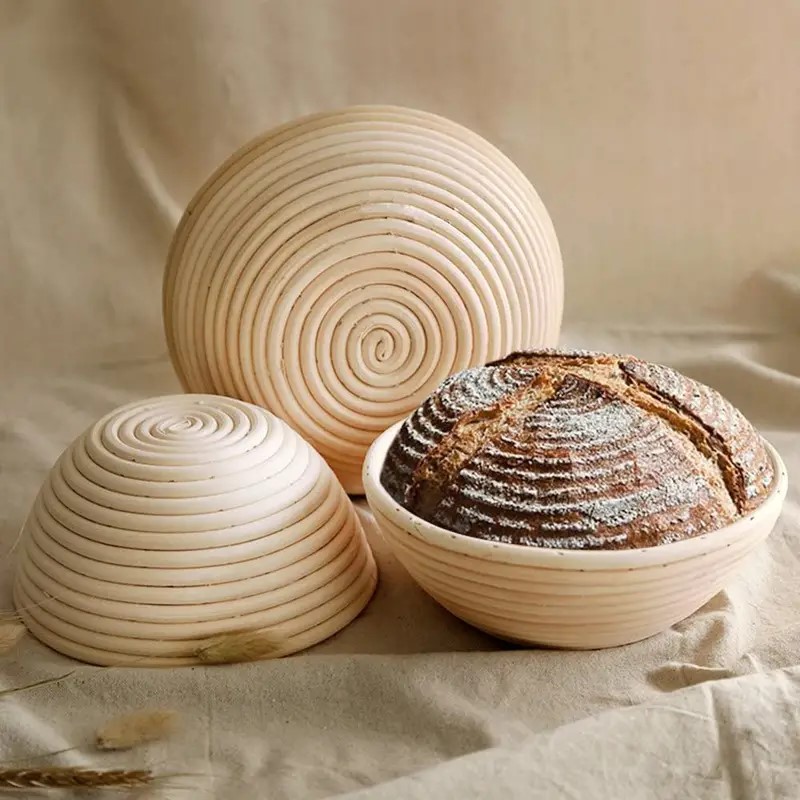
Banneton, often made of wicker or rattan, can also be found in synthetic materials. Each material impresses a different texture on the dough, which influences the baking process and the crust of the bread. Wicker versions provide excellent air circulation around the dough, promoting a dry skin that will become crispy when cooked.
Techniques for using banneton
Proper use of a banneton requires mastering certain techniques And tips. Before placing the dough in the banneton, it is essential to flour it properly to prevent the dough from sticking. The use of rice or whole wheat flour is recommended for best results. The moisture of the dough, combined with the texture of the banneton, helps form a light skin on the dough, which turns into a crispy crust after baking.
Impact of banneton on fermentation
The banneton also plays a role in the fermentation of the dough. Besides maintaining shape, it allows uniform evaporation of moisture and promotes slow and continuous fermentation. This process is essential for the development of a honeycomb structure, thus contributing to an airy crumb and an even crispier crust.
The importance of professional quality
Invest in a professional quality banneton is crucial for those seeking traditional perfection in their bread making. Professional bannetons are designed to withstand heavy use and varied baking conditions, ensuring consistent and optimal performance.
FAQs on using banneton
- How to clean a banneton after use?
To maintain the quality and durability of your banneton, brush off flour residue after each use and ensure it is completely dry before storing. Avoid washing it with water, which could alter its shape and natural properties. - What is the ideal banneton size to start with?
The size of the banneton should match the amount of dough you plan to proof. A general rule is to choose a banneton that can hold around 1 kg of dough for beginners. - Can you use a banneton for all types of bread?
Yes, bannetons can be used for a variety of breads. However, results may vary depending on the type of dough and style of bread desired. Correct use depending on the type of bread is essential to achieve the desired results.
Articles sur le même Sujet
Influence of banneton material on bread
The choice of material for a banneton is crucial in the manufacturing process of bread. Indeed, each material has characteristics that influence the growth and final quality of the bread. Let’s analyze in detail the implications of different materials used for bannetons.
Different Materials Used in the Manufacturing of Bannetons
Bannetons are traditionally made in wicker, but other materials like linen, THE drink and plastic threads are also used. Each material has specific benefits that affect the fermentation process and texture of the bread.
- Wicker: Excellent humidity regulator, promoting a very crispy crust.
- Linen: Less adherent than wicker, ideal for very hydrated dough.
- Drink: Provides effective thermal insulation during fermentation.
- Plastic: Easy to clean, but less efficient in absorbing humidity, can affect the quality of the crust.
Technical and Qualitative Impact of Materials on Bread
The interaction between the banneton and the dough during fermentation is a key element in baking professional and traditional. The choice of material influences air circulation around the dough, heat distribution, and moisture absorption, which results in specific crumb and crust characteristics.
THE bannetons Wicker allows better ventilation thanks to their porous structure, which is essential for good fermentation. This promotes a thicker, crispier crust. Conversely, linen bannetons, although generating less adhesion for hydrated doughs, can sometimes lead to less optimal development of the crumb structure.
Choosing the Right Material Depending on the Type of Bread
Bakers must select the material for their banneton depending on the type of bread they wish to produce. For rustic breads with high hydration, a linen banneton might be preferable. However, for breads requiring a thick, crispy crust, wicker or wood is recommended.
It is also relevant to consider the aspect practical And safe : bannetons made of synthetic materials are often praised for their ease of maintenance and their durability, although they do not always promote the same qualitative results as natural materials.
FAQ on the Influence of Banneton Material on Bread
What is the best material for a banneton if I’m opting for high hydration breads?
Linen or synthetic fabric bannetons are recommended for high hydration breads to prevent the dough from sticking and to facilitate unmolding.
Yes, indirectly. The material influences the texture of the crust and the structure of the crumb, which can change the overall flavor perception of the bread.
After each use, remove excess flour with a soft brush. For wicker or wooden bannetons, avoid washing them with water so as not to alter their shape and properties. Plastic bannetons can be washed in soapy water and dried well.
Articles sur le même Sujet
Banneton Preparation Techniques for the Perfect Crust
Preparing the Banneton Before Use
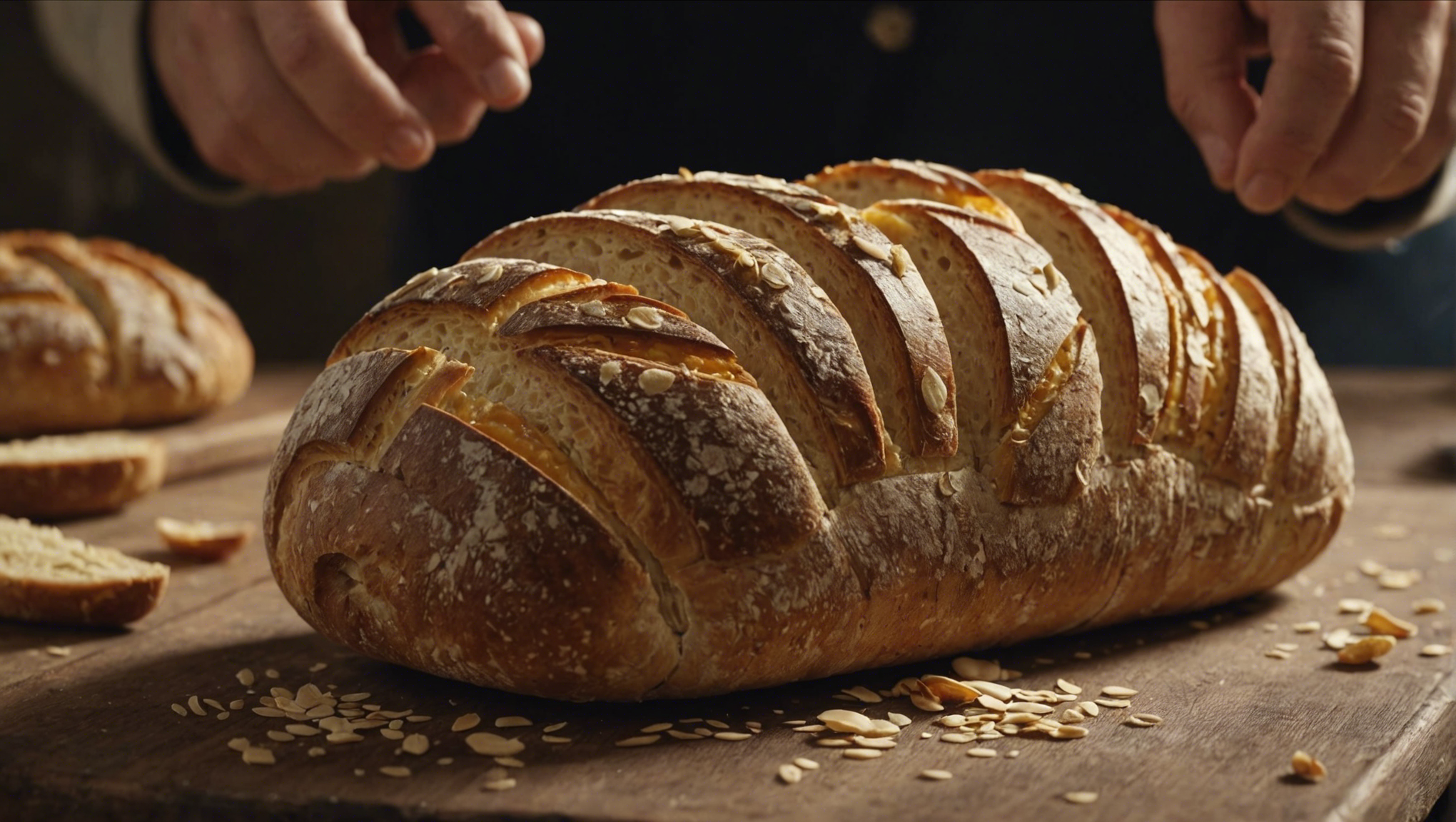
To obtain an artisanal bread with an impeccable crust, the preparation of the banneton is crucial. Before any first use, it is recommended to generously sprinkle the banneton with flour to prevent the dough from sticking. Rice flour is often favored for its effectiveness in preventing sticking, but a combination of wheat and rice flour can also be used depending on the preferences and requirements of the bread type.
It is important to tap off the excess so that the surface remains light but covered. This step ensures that the reasons for the banneton will transfer well to the dough, contributing to the traditional aesthetic of the bread.
Adequate Hydration of the Dough
Proper hydration of the dough is essential for the bread to develop a golden, crispy crust. A hydration level around 75% is ideal for most artisan breads. Hydration influences not only the final texture of the bread but also its ability to maintain the shape given by the bread. banneton.
When the dough is properly hydrated and kneaded, it should have a smooth and elastic surface, a sign that it is ready to be placed in the banneton. This texture allows the dough to retain the gases produced during fermentation, essential for good rising.
Synchronize Rest Time and Temperature
The rest time, or final fermentation, must be carefully controlled. Once the dough is placed in the banneton, it should ferment in a temperature-controlled environment, ideally between 24°C and 28°C. The duration of this step varies depending on the recipe but often hovers around 60 to 90 minutes.
Resting too long could result in an overly fermented dough that won’t maintain its structure, while too little time will harm the expansion and texture of the crust. It is essential to adjust these settings according to the specific conditions of your baking environment to perfect bread quality.
Maintaining the integrity of the Banneton
Being a reusable tool, maintaining the integrity of the banneton is fundamental. After each use, it is advisable to remove dough and flour residue using a brush. Let him banneton Air dry completely before storing to prevent mold and mildew.
It is not recommended to wash the banneton with water frequently, as this can alter the natural fibers that contribute to the formation of the bread crust. A good practice is to expose the banneton in the sun occasionally to help disinfect and minimize odors.
FAQs
What is the best way to store a banneton?
It is recommended to store it in a dry, well-ventilated place, away from direct sunlight and significant variations in temperature and humidity.
Can we use synthetic bannetons?
Yes, there are bannetons made of plastics or other composite materials specially designed for professional bakers. They are easy to clean and durable, but may not provide the same look traditional than those made of wicker or rattan.
Are there any alternatives to classic bannetons?
In the absence of banneton, a basket lined with linen or thick fabric dusted with flour can serve as an alternative. Make sure the fabric is taut to maintain the shape of the dough while it rises.
Articles sur le même Sujet

Comparison between using a banneton and other shaping methods
The Banneton: A Traditional Tool for Fermenting Dough
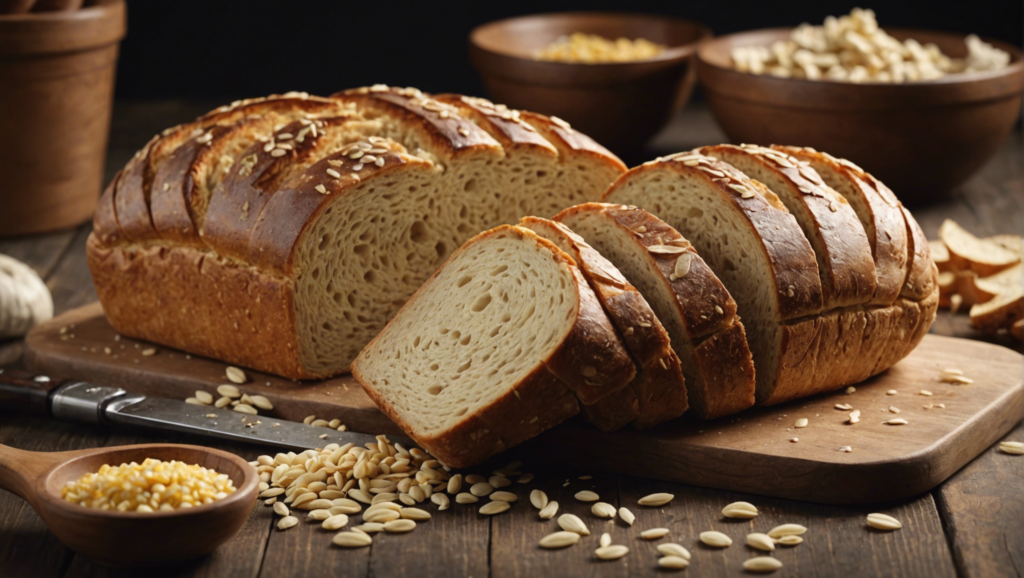
THE banneton is a bakery utensil used for the final fermentation of bread before baking. Traditionally made of wicker or rattan, it helps maintain the shape of the bread, while allowing the dough to breathe thanks to its airy structure. This method is not only appreciated for its appearance traditional, but also for its ability to improve the texture and structure of the bread crust.
The use of the banneton also ensures even heat distribution during baking, which is crucial for the development of a crispy crust and a well-shaped crumb. Fans of baking techniques professional often favor banneton for these qualities.
Other Processing and Fermentation Methods
Aside from banneton, there are several other methods for shaping and fermenting bread. For example, the use of metal or silicone loaf pans is common. These molds can be practical for large-scale production and allow uniform shapes to be reproduced. However, they do not always promote good heat distribution and can limit the formation of a well-developed crust.
Another popular technique involves using floured towels to support the dough during fermentation. This method can be effective, but it requires delicate handling to avoid deflating the dough when transferring it to the oven.
Impact on Bread Quality and Texture
The impact on bread quality and texture varies considerably depending on the shaping method used. Banneton, with its ability to absorb excess moisture and maintain a stable temperature around the dough, promotes bread with better texture and richer taste. On the other hand, non-breathable pans can sometimes result in less airy bread and a less crispy crust.
THE tips to maximize the benefits of shaping include adapting methods according to the type of bread. For example, a rye loaf will often benefit from the use of a banneton, while a sandwich loaf may be more suited to a classic pan.
Bread Shaping FAQ
What are the main advantages of using a banneton compared to other methods?
One of the main benefits of banneton is its ability to provide adequate ventilation during fermentation, which improves crust texture and overall bread quality.
Why use a floured cloth for proofing bread?
Using a floured towel helps maintain the shape of the dough without hindering its ability to rise, while also preventing the dough from sticking when handling.
Which shaping method is best for artisan-style bread?
For an artisan bread, banneton is generally preferred because it promotes a crisp crust and airy crumb characteristic of premium breads.