


Why use a banneton to shape your baguette?


In this article, we will explore the essential advantages of using a banneton for shaping your baguettes. Discover how this traditional accessory can not only improve the structure and texture of your breads, but also bring a touch of authenticity to your home bakery.
Perfect crust formation
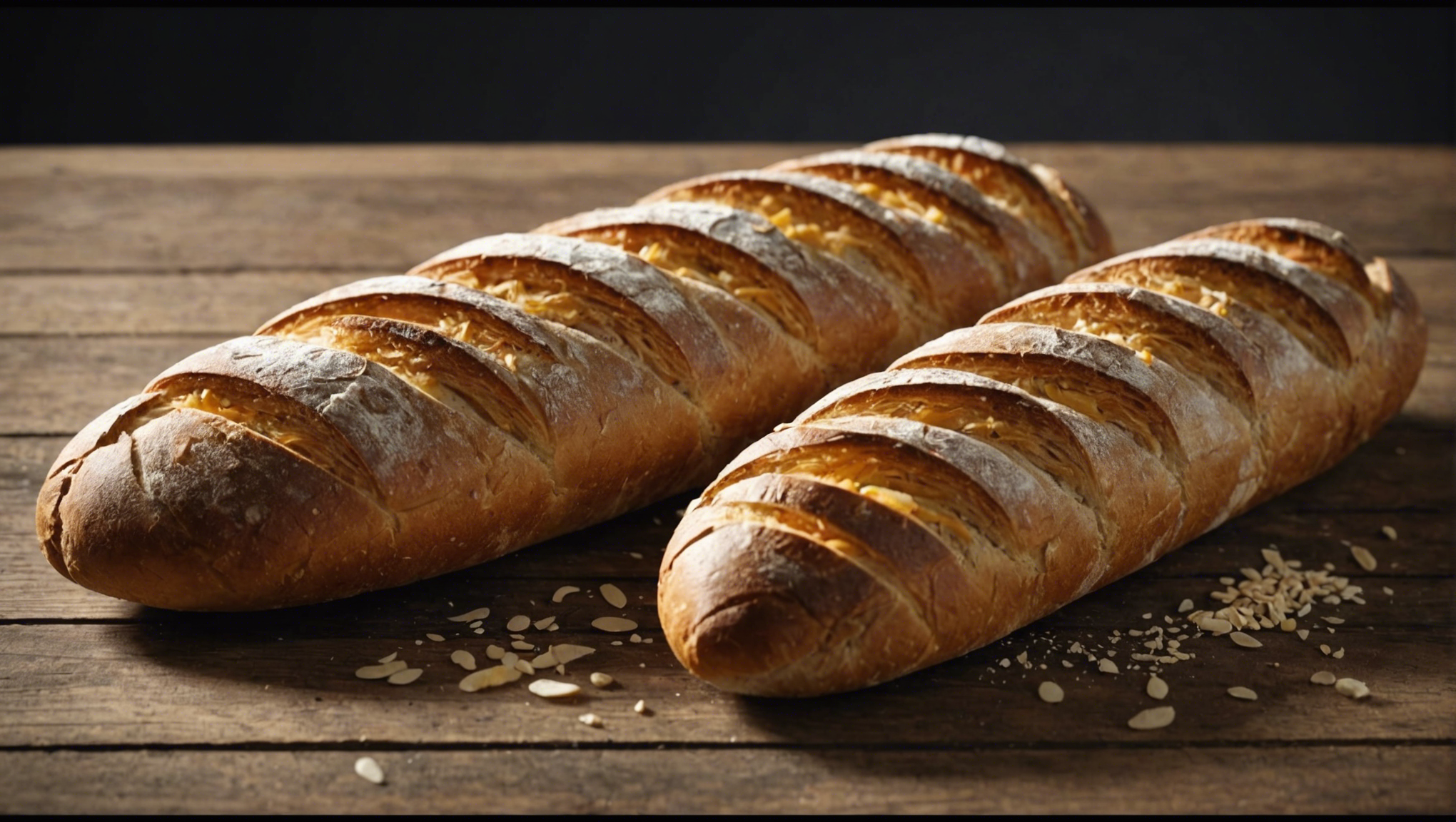
Use and Functionalities of Banneton in Bakery
THE banneton, a turnkey utensil bakery, is essential for the ideal formation of the crust of your homemade bread. Traditionally made of wicker or plastic, the banneton serves as a mold to hold the dough during the final fermentation. Its structure not only helps maintain the shape of the bread, but also promotes a crispy and uniform crust.
Due to its particular texture, banneton absorbs excess moisture from the dough, which is fundamental to forming a crispy crust. The flute patterns in the wicker or plastic also add an aesthetically pleasing texture to the homemade bread.
Choice and Maintenance of Bannetons
When selecting a banneton, it is crucial to take into account the manufacturing material. Wicker bannetons are valued for their ability to absorb moisture and improve the texture of the crust. Plastic versions, while offering less moisture absorption, are easier to clean and may be more durable.
To maintain a banneton, it is recommended to clean it after each use. Avoid washing it with soapy water, but rather brush it with a dedicated brush to remove flour residue and ensure its longevity. Good maintenance means consistent performance over time.
Shaping Techniques and Optimal Use
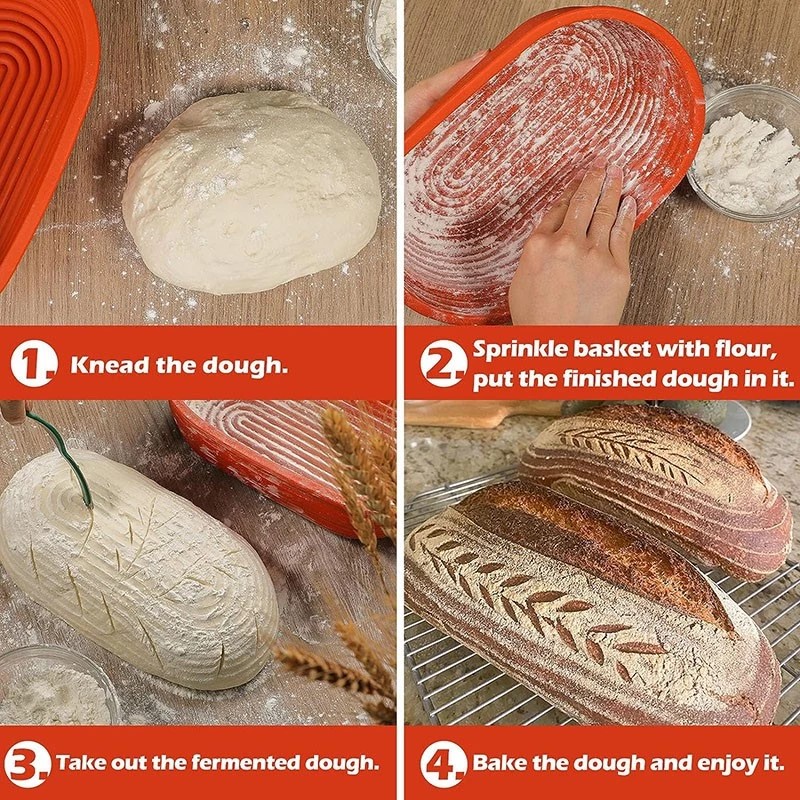
To make the most of a banneton, dust it lightly with flour before placing your dough in it. This not only helps prevent the dough from sticking but also improves the texture of the crust. After placing the dough in the banneton, cover it with a clean towel to prevent drying out during fermentation.
Once fermentation is complete, carefully turn out the dough onto a baking sheet, ready to be put in the oven. The result ? A homemade bread with a perfectly formed and aesthetically pleasing crust, proving the banneton’s essential role in the baking process professional.
Articles sur le même Sujet

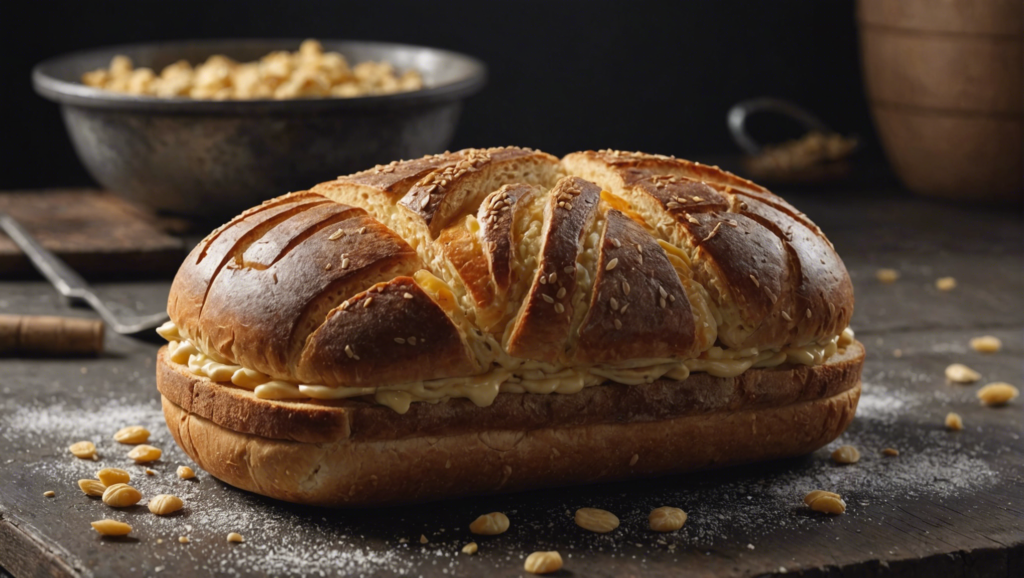
Improved structure and texture
Essential role of banneton in bread fermentation
THE banneton, or fermentation basket, is an essential accessory in the manufacturing process of homemade bread. Its main function is to support the dough during final fermentation, a key period for the formation of the structure and texture of the bread. By providing a stable and contained environment, the banneton allows the dough to maintain its shape and optimize its vertical rather than horizontal expansion. This prevents the dough from dispersing and promotes the development of a regular and airy cellular structure, essential for quality bread. professional.
Additionally, the materials frequently used to make bannetons, such as wicker or rattan, help absorb excess moisture on the surface of the dough. This is crucial for creating a well-defined and crispy crust, characterized by an attractive golden color and a pleasant texture on the palate.
Choice of banneton material and its impact on the bread
Bannetons can be made from a variety of materials, each influencing the final results of the bread differently. Wicker or rattan bannetons are traditionally favored for their ability to help form a textured crust and contribute to the rustic aesthetic of bread. These natural materials allow for excellent air circulation around the dough, which is crucial for efficient fermentation.
On the other hand, plastic bannetons have gained popularity, particularly for their ease of cleaning and durability. Although they do not promote the same moisture evaporation as wicker bannetons, they are a hygienic and practical option, particularly suitable for intensive production environments.
Preparation and maintenance of banneton
To maximize the effectiveness of a banneton, it is essential to prepare it correctly before each use. This usually involves sprinkling flour on the banneton to create a non-stick barrier between the basket and the dough. This gesture also helps to draw a distinctive pattern on the bread, thus adding to the artisanal aspect of the homemade bread.
Maintaining the banneton is just as important to ensure its longevity and the sanitary quality of the bread. After each use, it is recommended to remove excess dough and flour, then let the banneton air dry. More thorough periodic cleaning may be necessary to remove mold or odors, ensuring a clean environment for bread fermentation.
Banneton FAQ
1. Can you use any type of flour to dust banneton?
It is preferable to use a type of flour rich in gluten, such as T55 or T65 wheat flour, which adheres well to the surface and makes it easier to unmold the dough.
2. How to prevent bread from sticking to the banneton?
Make sure the banneton is well seasoned with enough flour and check that the dough is at appropriate hydration; Dough that is too wet tends to stick.
3. Can you wash a wicker banneton in water?
It is not recommended to wash wicker bannetons with lots of water as this can warp the material and encourage mold growth. Dry brushing is usually sufficient.
Articles sur le même Sujet

Optimization of fermentation
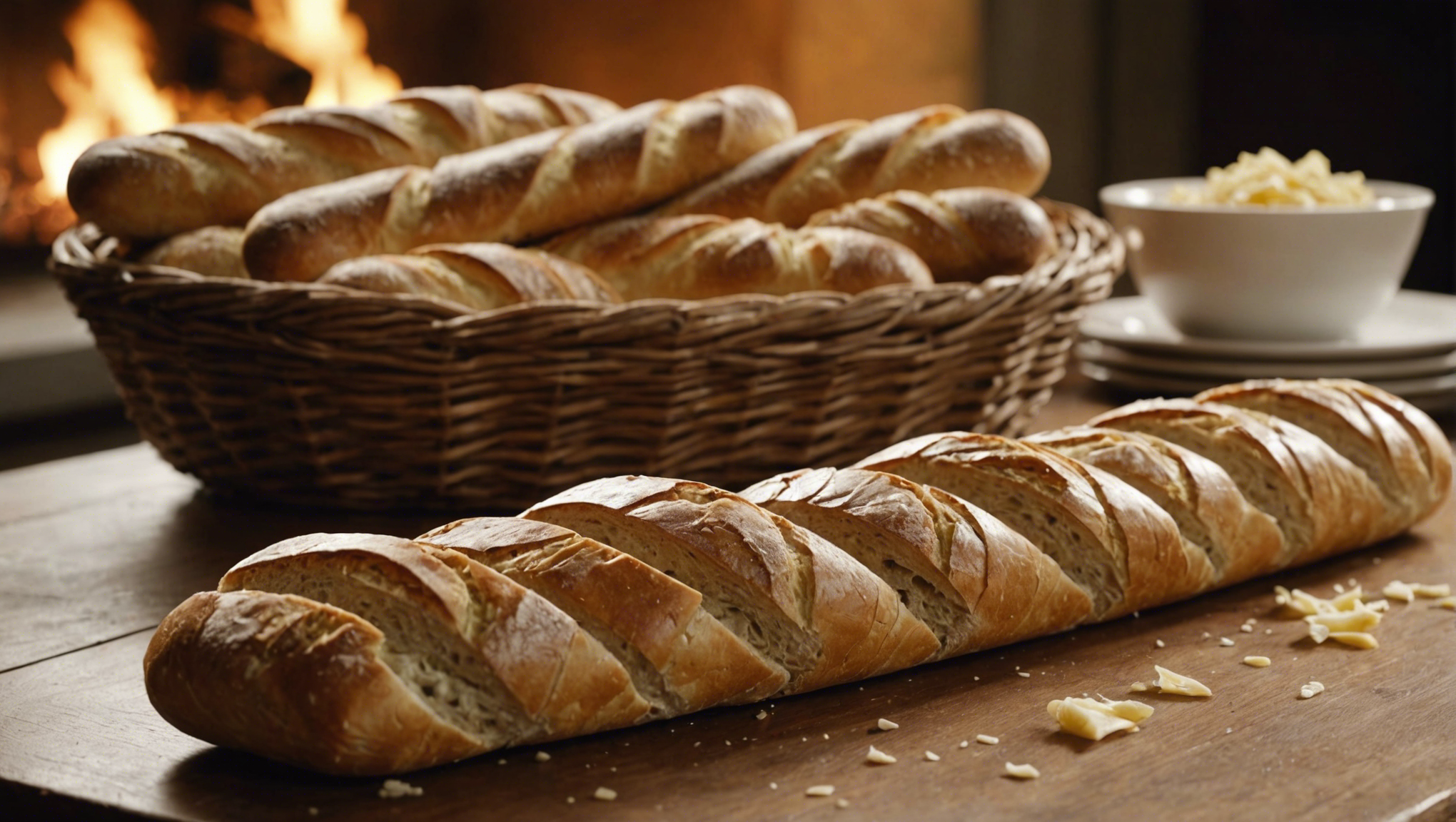
THE banneton is an essential tool in the art of bakery, particularly for the manufacture of homemade bread. Used correctly, it promotes optimal fermentation of the dough, which is crucial for obtaining bread with superior taste and textural qualities. Let’s find out how to optimize this process to improve the quality of the traditional bread and homemade bread.
Function and advantages of banneton in professional bakery
The banneton, often made of wicker or plastic, has the main function of supporting the dough during its final fermentation before baking. Its structure allows the dough to maintain its shape and achieve a textured surface which enriches its final appearance. Using banneton in context professional allows you to guarantee constant regularity and quality, essential in the production of high quality bread.
Choice of suitable banneton and adequate preparation
Selecting the right banneton is crucial: wicker bannetons are known for their ability to absorb moisture, promoting a crisp crust, while plastic bannetons are popular for their durability and ease of cleaning. Before each use, it is recommended to dust the banneton with flour to prevent the dough from sticking to it, thus allowing clean and easy unmolding.
Integration of banneton into the fermentation process
For optimal fermentation, place the shaped dough in the banneton with the “key” (dough seal) facing up. During fermentation, the dough will push against the walls of the banneton, thus forming a firm structure. This process requires the control of temperature and humidity, two determining factors for the development of the dough and the formation of its cellular structure.
Maintenance and durability of the banneton
Properly maintaining your banneton is essential to extend its lifespan and maintain hygiene standards. After each use, remove excess dough and flour and occasionally expose to sunlight to prevent mold from forming. Plastic bannetons can be cleaned more intensively without risking damage.
FAQs
How to choose the right size for your banneton?
The size of the banneton should match the weight of dough you plan to proof. Generally, a 500 gram banneton is suitable for dough of the same weight.
Can you use a banneton for all types of pasta?
Yes, but some more hydrated types of dough may require different treatment when dusting to prevent sticking.
Is it possible to bake bread directly in a banneton?
No, the banneton is only used for fermentation. You must unmold the dough onto a baking tray or pizza stone before putting it in the oven.
Articles sur le même Sujet

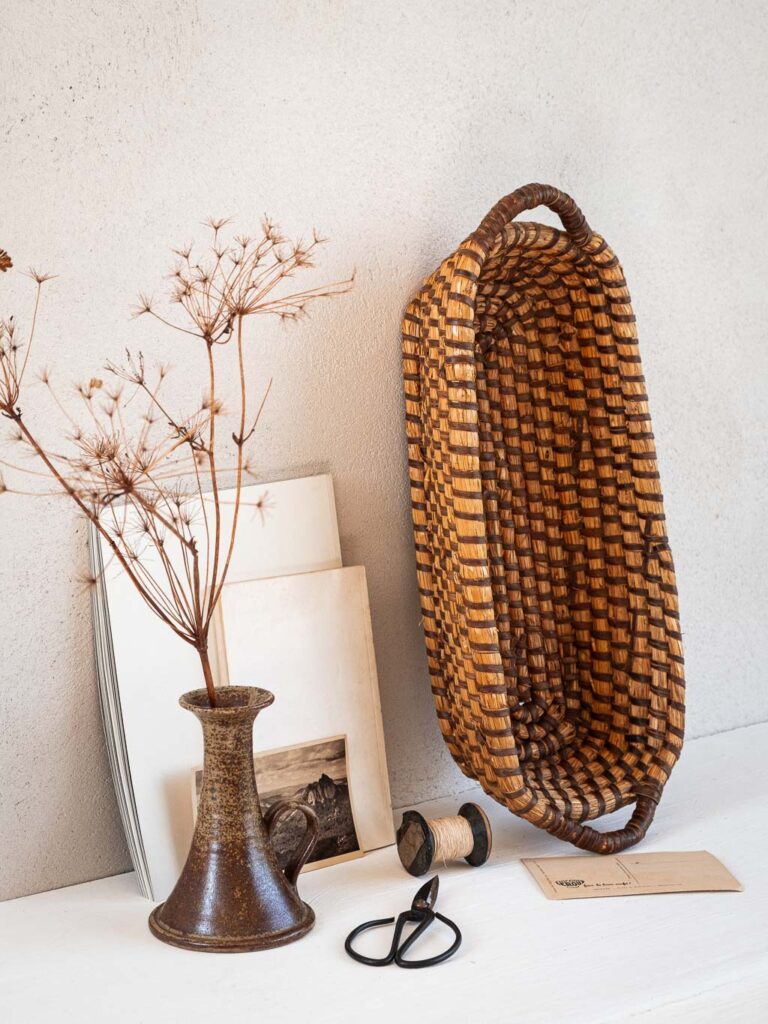
Choosing the right banneton for your baguette
When it comes to baking, using a banneton The right one can make all the difference. Bannetons, or fermentation baskets, are essential for obtaining a beautiful bread structure, particularly for baguettes, an emblematic reference in homemade bread French-style. Let’s take a look at how to select the best banneton for your baguettes.
Criteria for selecting a banneton
The size and shape of the banneton are essential. For baguettes, choose a long and relatively narrow banneton, adapted to the traditional elongated shape of the baguette. The material is also an important criterion: wicker bannetons are the most traditional, they allow good air circulation around the dough and absorb moisture, thus promoting a crispy crust. Plastic versions, while less traditional, may be easier to clean and maintain in good condition.
Maintain your banneton
To ensure the longevity of your banneton, it is crucial to keep it clean and dry. After each use, remove flour residue using a soft brush. Avoid washing it with water so as not to alter the natural fibers of the wood or wicker. If cleaning is necessary, wipe with a slightly damp cloth then let it dry completely in the open air before storing it in a dry place.
FAQs
What is the difference between a wicker banneton and a plastic banneton?
Wicker provides better ventilation and helps form a crispier crust for your baguette. However, plastic is easier to clean and can be more hygienic.
How do I know if the banneton size is right for my baguettes?
Measure the length and width of your usual baguettes and make sure that the chosen banneton is slightly larger to accommodate the dough during its final rise.
Is it necessary to flour banneton before each use?
Yes, flouring the banneton prevents the dough from sticking and makes it easier to unmold. Use T45 or T55 type flour for best results.
