


How to personalize your homemade bread?
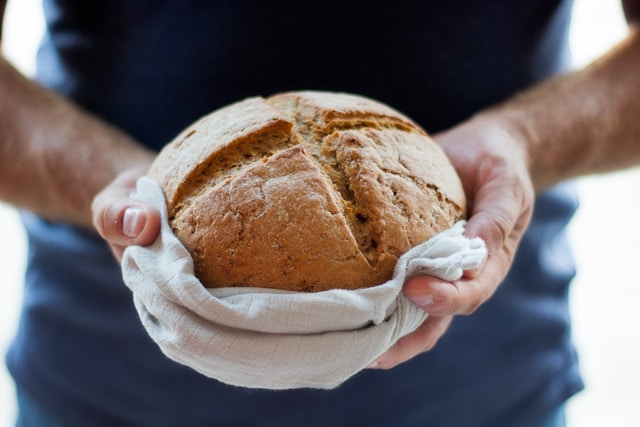

Discover the secrets of personalizing your homemade breads in this dedicated article. Learn how to combine different types of flour, integrate original ingredients and master shaping techniques to create unique breads that will delight your senses. Transform each loaf into a work of culinary art, reflecting not only your passion, but also your personal baking signature.
Choice of ingredients to reflect your personal taste
The Basics of Bread Customization
Personalizing a bread recipe begins with the choice of basic ingredients. Flour, water, yeast and salt constitute the fundamental elements of all bread. However, selecting the quality and type of these ingredients can greatly influence the texture, flavor and nutrition of your bread.
Choose one suitable flour is crucial. Wheat flours such as T55 or T65 are commonly used for classic breads, but exploring rye, spelled, or ancient grain flours can enrich your bread with distinctive flavors and nutritional benefits. Adjusting the proportions of water according to the type of flour allows you to control the consistency of the dough.
Incorporation of Ingredients for a Unique Signature
Adding specialty ingredients can transform a simple bread into a work of culinary art. THE seeds such as sunflower, sesame or flax provide not only crunchy textures but also essential fatty acids. Dried fruits, such as grapes or apricots, introduce natural sweetness and rich fiber.
Herbs and spices, such as rosemary or cumin, can be infused into the dough for an enchanting aroma and flavors that stand out. The use of natural sourdoughs or pre-ferments also modifies the aromatic profile of your bread, while improving its preservation.
Mixing and Kneading Techniques
Mixing and kneading are key steps that influence the texture of the bread. A kneading technique effective ensures uniform distribution of ingredients and optimal gluten development. For doughs enriched with additional ingredients such as seeds or dried fruits, it is advisable to add them at the end of kneading to avoid overworking the dough.
Dough hydration also plays a crucial role. A dough with high hydration is often used for breads with an airier crumb and crispier crust. However, this requires greater technical mastery to handle a stickier and more flexible dough.
FAQ on Customizing Bread Recipes
1. What is the impact of flour choice on bread?
The type of flour directly affects the structure and flavor of the bread. Flours with a high level of gluten promote better elasticity and a more developed crumb, ideal for large breads. Wholemeal flours offer stronger flavors and are rich in nutrients.
2. How to incorporate dried fruits without affecting the rising of the bread?
It is recommended to rehydrate dried fruits slightly before incorporating them into the dough to prevent them from absorbing moisture from the dough, which could compromise the rise. Adding them at the end of kneading also allows them to be distributed evenly without damaging the structure of the dough.
3. Is it possible to create bread made entirely from alternative flours?
Yes, it is entirely possible to create breads with non-traditional flours such as amaranth, chestnut or quinoa. These flours provide distinctive tastes and improved nutritional properties. However, they often need to be mixed with flours containing gluten for better dough hold.
Articles sur le même Sujet
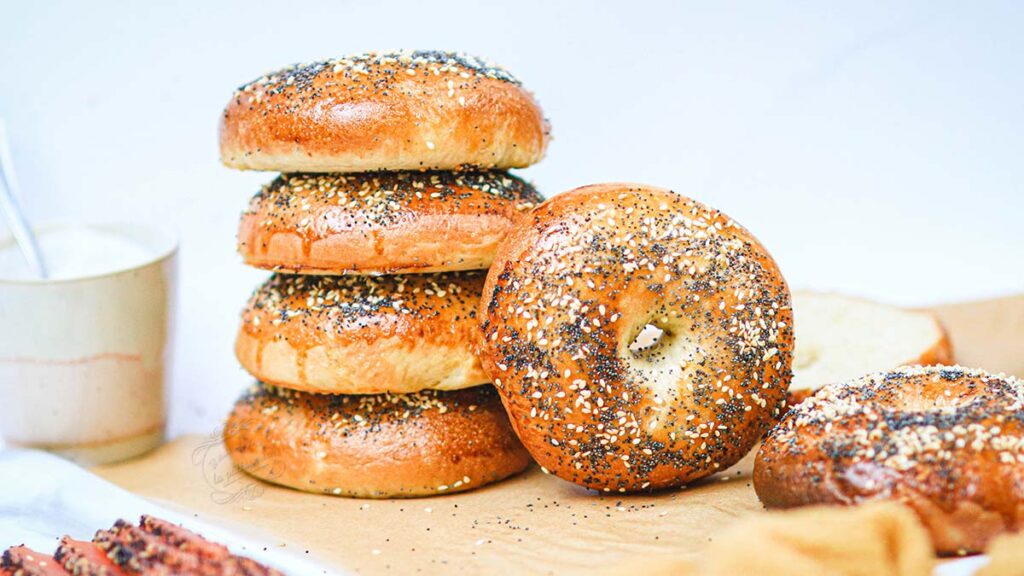

Exploration of different flours and their impacts on texture
Types of Flour and Their Influence on Bread
The choice of flour is decisive in the making of bread. Each type has its own characteristics that influence the texture, there flavor and the color of the finished product. The most commonly used flours are categorized by their protein content, which is directly related to the amount of gluten they contain.
There wheat flour is the most common for making bread. Depending on the processing of the grain, we distinguish white flour, wholemeal flour or semi-wholemeal flour, each offering different textures and densities. All-purpose flour, with a medium protein level, is versatile enough for several types of bread, while strength flour, rich in gluten, is ideal for breads requiring significant rising, such as baguettes or brioches.
Experimenting with Non-Traditional Flours
The use of alternative flours can enrich your bread recipes with new flavors and textures. Rye flour, for example, is renowned for its ability to produce a densely textured, slightly tart bread, often used in rye bread or pumpernickels. Other flours such as barley, buckwheat or spelt, although used less frequently, can offer distinct nuances and are often sought after by those wishing to vary their grain consumption.
THE gluten-free flours, such as rice, corn or coconut flour, require specific adjustments in recipes to compensate for the absence of gluten. These adjustments may include using xanthan gum or guar gum to mimic the binding properties of gluten.
Kneading and Hydration Techniques
The kneading process as well as the hydration level of the dough greatly influence the final texture of the bread. A high hydration generally allows the dough to obtain a better rise and a more airy texture, particularly with flours rich in gluten.
Each type of flour requires an adjustment in the amount of water added. For example, wholemeal or whole grain flours, which contain more fiber, tend to absorb more water. Conversely, refined flours generally require less water. Mastering these adjustments is essential to producing bread with the desired texture.
FAQs
- Which flour is best for making bread?
The answer depends on the type of bread you want to make. All-purpose wheat flour is generally sufficient for most breads, but full-strength flour is preferable for breads with a more airy and crunchy structure. - Is it possible to mix different flours to make bread?
Absolutely. Mixing different flours can not only adjust the texture and density, but also enrich the flavor profile of your bread. - How to adjust the hydration of the dough depending on the flour used?
It’s important to start with the ratio recommended in your recipe, then adjust according to the texture of the dough as you knead. More wholemeal or wholemeal flours may require more water.
Articles sur le même Sujet
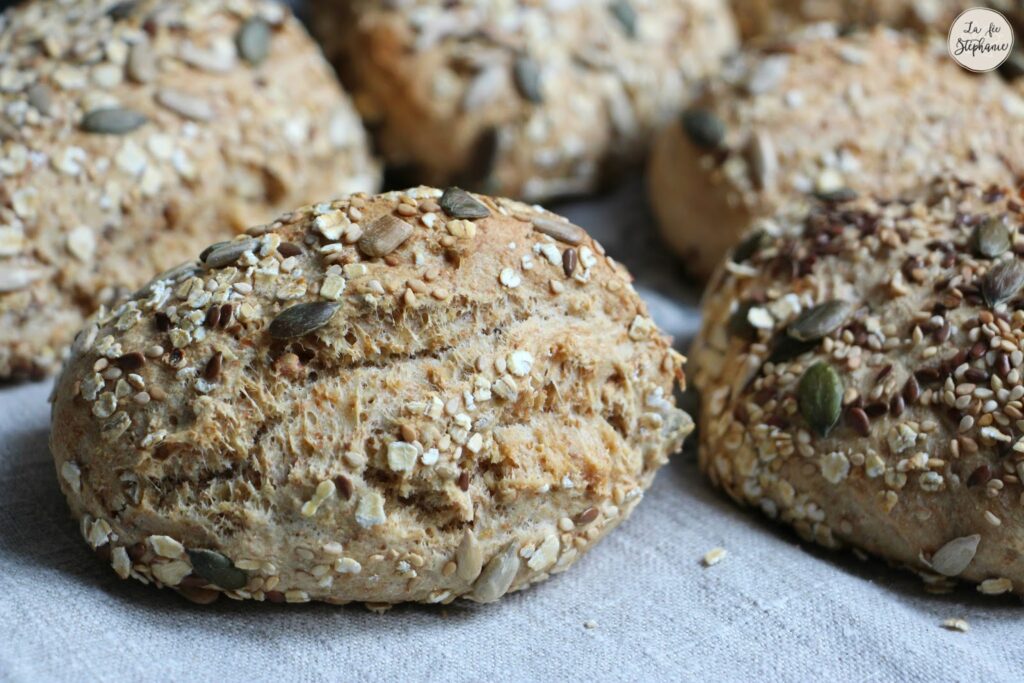
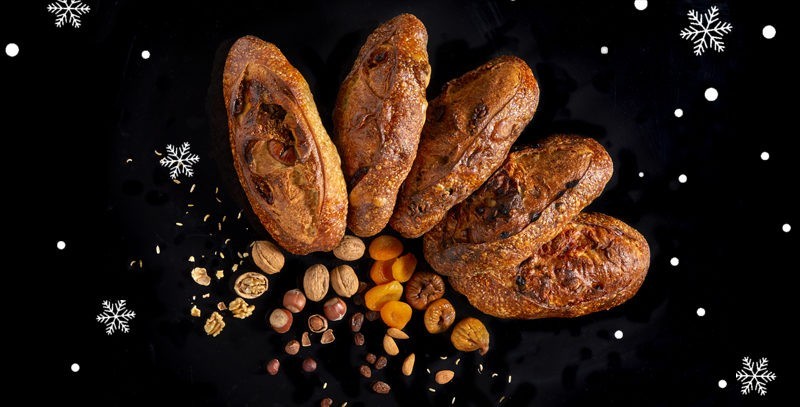
Incorporation of seeds and nuts for crusty bread
Choosing seeds and nuts to improve the texture and flavor of bread
Integrate seeds and nuts in bread making is not just limited to adding crust and chew. The specific choice of ingredients plays a crucial role in the final texture and flavor profiles of the bread. Sunflower, pumpkin, sesame and even poppy seeds are appreciated for their ability to resist cooking while providing a pleasant crunch. Nuts, for their part, such as walnuts, hazelnuts or almonds, enrich the bread with a rich sweetness and a denser texture.
It is essential to pre-rinse the seeds and nuts to remove any external residue and lightly toast them if desired, to accentuate their aroma before adding them to the dough.
Embedding techniques for uniform distribution
In order to guarantee a uniform distribution seeds and nuts, it is recommended to add them when kneading the dough. This allows not only homogeneous integration but also optimal adhesion of the ingredients to the dough. To prevent seeds and nuts from falling to the bottom or clumping, one technique is to gradually incorporate them in several additions during the first stages of kneading.
It’s also a good idea to handle the dough carefully so as not to crush the nuts, which could affect the texture of the bread.
Impact of cooking on the texture of seeds and nuts
There cooking plays a determining role in the final expression of the crunchiness of seeds and nuts. An adequately high temperature helps roast these additives naturally when baking bread. However, it is crucial to carefully monitor the process to prevent seeds and nuts from burning, which could bring unwanted bitterness and compromise the desired texture of the bread.
For breads requiring prolonged or high-heat baking, considering coating seeds and nuts with a little flour can help protect their integrity and flavor.
FAQs
Which seeds are best for crusty bread?
Sunflower, pumpkin, sesame and poppy seeds are popular for adding crunch and flavor without overpowering the taste of the bread.
How do you prevent nuts and seeds from burning while cooking?
Lightly coating nuts and seeds in flour can help them resist heat and prevent them from burning, especially when cooking at high temperatures.
Is it necessary to pre-rinse nuts and seeds before incorporating them into the dough?
Yes, it is recommended to rinse them to remove impurities. To further embellish them, a light toasting can also be done before incorporating them.
Articles sur le même Sujet
Use of yeasts and sourdoughs for a unique flavor
The Role of Yeasts and Sourdoughs in Bakery
THE yeasts And sourdoughs play a crucial role in bread making, significantly influencing texture, volume and taste. There yeast bakery, a living microorganism, degrades the sugars present in the flour, producing carbon dioxide and alcohol, responsible for the rising of the dough. THE leaven, a fermented mixture of flour and water, enriches bread with more complex flavors and better preservation.
Making the Right Choice Between Yeasts and Sourdoughs
To opt for yeasts Or sourdoughs depends on your taste preferences and the desired texture. Yeast offers rapid rising and a neutral taste ideal for soft breads and pastries, while sourdough is ideal for breads with a crisp crust and honeycomb crumb. For quality artisanal bread, the use of sourdough is recommended despite its more laborious preparation. The unique flavor and texture of sourdough bread fully justifies the extra effort.
Basic Recipe with Yeast
Start by mixing 500g of flour of your choice with 300ml of lukewarm water, 10g of salt, and 7g of yeast active dry. Knead until you obtain a homogeneous dough, leave it to rest for an hour, then shape and cook at 230°C for 25 minutes.
Integrating Sourdough into Your Recipe
To prepare the leaven, mix equal amounts of flour and water with a small amount of natural yeast. Let this mixture ferment for at least 12 hours. Then integrate this sourdough into your basic recipe by replacing part of the flour and water proposed with the corresponding quantity of mature sourdough.
Experimentation and Customization
Feel free to experiment with different types of flours and hydrators to find the combination that works for you. The use of wholemeal or organic flours can also enrich the taste of your bread. Customizing the recipe allows you to create a unique bread that reveals the flavors according to your preferences.
FAQs
What is the basic difference between yeast and sourdough?
Yeast is a microscopic fungus that ferments quickly, while sourdough is a culture of yeast and lactic acid bacteria that ferments more slowly and develops more complex flavors.
How long can sourdough be kept?
Well-maintained sourdough can be kept indefinitely, provided it is fed regularly. It is often called “levain chef” and can be passed down from generation to generation.
Can you use dry yeast to make sourdough?
No, sourdough requires a natural culture of yeast and bacteria. Dry yeast cannot substitute the microbiological components necessary to create true sourdough.
Articles sur le même Sujet
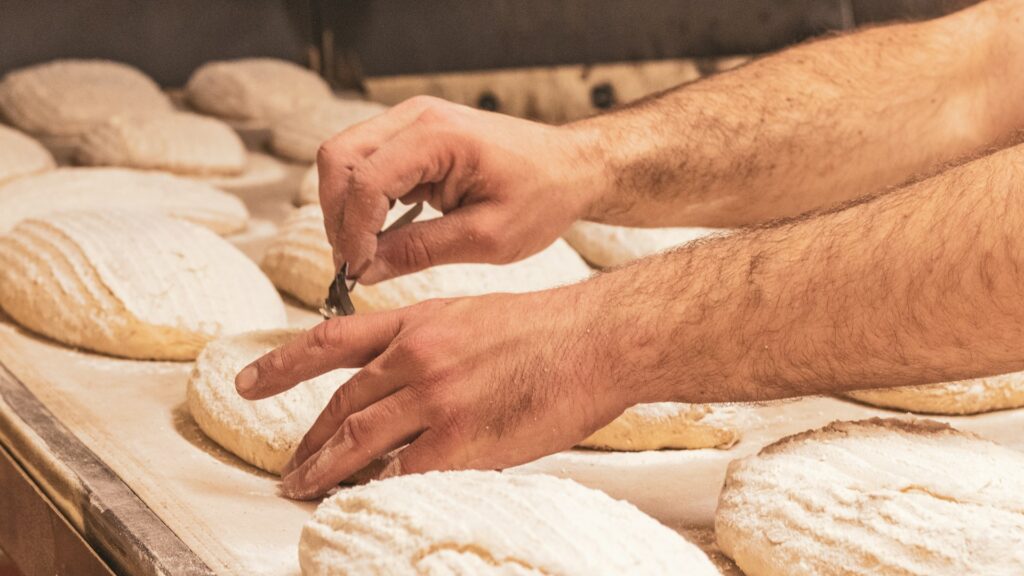
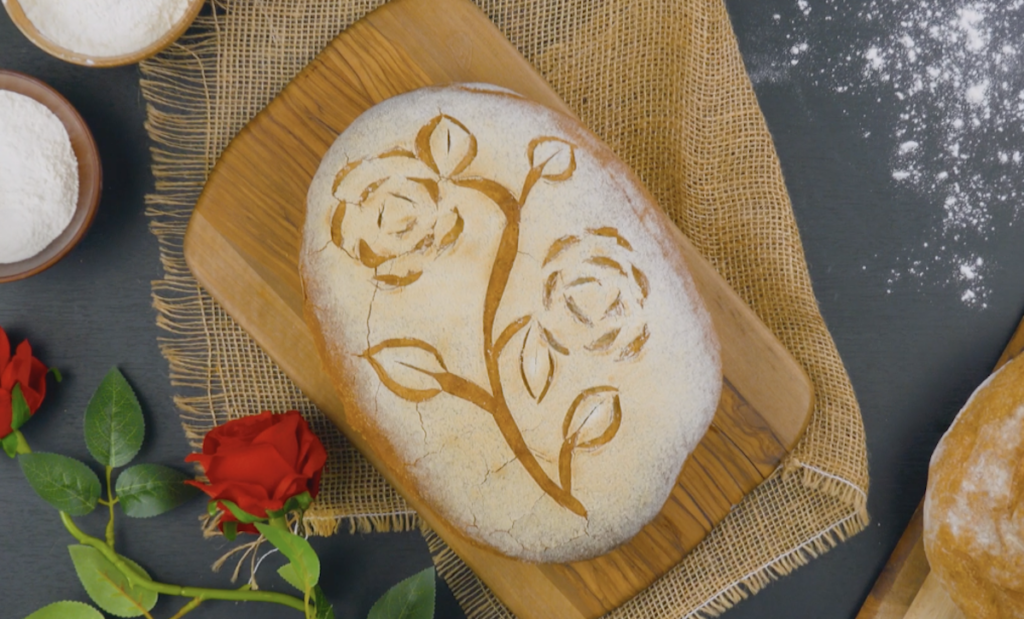
Shaping techniques for original shaped breads
Master the art of bread shaping is essential for any baker wishing to diversify their creations and impress their customers with aesthetically pleasing and functional breads. The varied shaping techniques not only improve the appearance of the bread, but also influence its texture and taste.
The Basics of Shaping
Before diving into complex shapes, it’s crucial to understand the fundamentals of shaping a loaf. The process generally begins with the degassing the dough, an important step to evacuate the carbon dioxide produced during the first fermentation. This action refines the texture of the bread, avoids large holes in the crumb and prepares the dough to take its final shape.
Techniques for Original Forms
Moving from traditional forms to more artistic creations, several techniques can be used:
- The Twist: Ideal for breads such as challah, this method involves dividing the dough into several strands and twisting them together before baking.
- Pleating: Similar to the technique used in pastry for turnovers, pleating the dough can create interesting patterns on the finished loaf.
- Using Locations: For more precise shapes, cookie cutters can be used to cut out the dough before the final rise, suitable for specific rolls or decorations.
Rise and Bake
Once shaped, the dough must undergo a second lift. This step is crucial because it allows the shape to settle and the dough to become light and airy. The humidity, temperature and time of this rising are decisive to obtain the expected results. Baking, for its part, must be carefully monitored to ensure that the shaped shapes do not lose their definition and that the crust develops correctly.
Incorporating Creative Ingredients
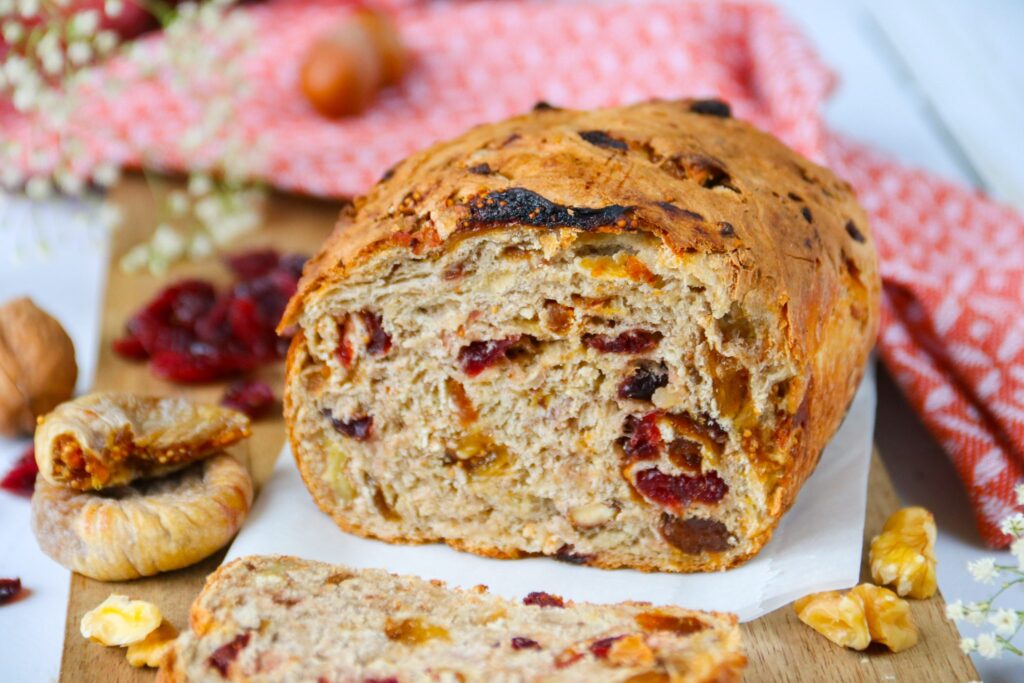
Creativity is not limited to shapes. Incorporating varied ingredients can add flavors and textures that complement the sensory experience of the bread. Seeds, herbs, spices, or even small pieces of dried fruit or nuts can be added to the dough before shaping to enrich the taste profile of the finished bread.
Practical tips for successful shaping
Practice is the key to success in shaping loaves. Any experienced baker knows that dough temperature and hydration play a crucial role in ease of shaping. Dough that is too dry or too wet can be difficult to handle and may not hold the desired shape. In addition, the firmness of the dough must be adjusted according to the complexity of the desired shapes, sometimes requiring a little more flour for fine details.
FAQs
1. What type of flour is best for shaping complex breads?
High-protein wheat flour, often labeled as baker’s flour, is generally the best option for shaping complex breads because it gives the dough adequate elasticity and structure.
2. How long does it take to master loaf shaping?
This can vary considerably depending on the frequency of practice and the types of bread made. In general, several months of regular practice may be necessary to achieve reasonable proficiency in shaping different bread shapes.
3. Can we make original shapes with all types of bread dough?
Although most bread doughs can be shaped creatively, high-hydration doughs are often more difficult to handle and may require advanced techniques to maintain desired shapes during baking.
Baking tip for a perfectly golden and crispy crust
Choice of Ingredients and Preparation of the Dough
To get a crust golden And crispy, the choice of ingredients and the first stages of preparation are crucial. First of all, the quality flour significantly impacts the final result. Opt for one high quality flour, rich in proteins, such as a T55 or T65 type flour, which will promote good gluten structure.
THE kneading of the dough must be long enough to allow the development of the gluten. Kneading for around 10 to 15 minutes at medium speed is ideal. Make sure the dough is smooth and elastic before leaving it to rest And ferment.
Fermentation Management
There fermentation is a determining step for the quality of the crust. Slow, controlled fermentation in the refrigerator, which can last between 12 and 24 hours, allows the flavors to fully develop and influences the texture of the crust. This process is often called delayed fermentation.
During fermentation, the temperature of the dough must be held optimally. Too high a temperature can accelerate fermentation and harm the structure of the bread, while too low a temperature can inhibit yeast activity and gas production, essential for dough rising.
Cooking Techniques
There cooking plays a key role in the development of a crust perfectly golden And crispy. The method of cooking with steam is particularly effective. At the start of cooking, introduce steam into the oven, either by using a water spray bottle or by placing a heat-resistant container filled with water on the bottom of the oven. The steam will create a moist environment that will allow the crust to remain soft during the first part of baking, prolonging the expansion of the dough.
After the first few minutes, remove excess steam from the oven to allow the crust to begin to harden and become crispy. The oven temperature should be high, generally between 220°C and 250°C, for a rich and even coloring of the crust.
FAQs
What type of flour is recommended for a crispy crust?
A high-quality, protein-rich flour, such as T55 or T65 flour, is ideal for obtaining a crispy, golden crust.
How important is fermentation in bread preparation?
Fermentation allows the development of aromas and directly affects the texture of the crust. Slow, controlled fermentation improves the overall quality of the bread.
How can I use steam when baking bread?
Use a spray bottle to add water at the start of cooking or place a heatproof container filled with water in the oven. After the first few minutes, remove the water to allow the crust to crisp up.