


How to control the fermentation of your bread dough?


In this article, we will explore in detail the complex art of bread dough fermentation. From the choice of ingredients to the control of resting times, we will provide you with professional techniques to optimize the fermentation process in order to produce breads of exceptional quality, with incomparable texture and aroma. Learn to control each step to transform each batch into a true work of baking art.
Understanding the Basics of Bread Fermentation
There fermentation of bread is a crucial step that profoundly influences the texture, taste and preservation of the final product. This technique, several millennia old, remains today at the heart of traditional bread-making methods, while integrating new knowledge and technologies.
Fermentation Fundamentals
Fermentation can be seen as a microbial ballet where yeasts and bacteria play the main roles. THE yeasts, typically Saccharomyces cerevisiae, transform the sugars present in the flour into alcohol and carbon dioxide, which makes the dough rise. Lactic acid bacteria, for their part, produce lactic and acetic acid, contributing to the flavor and preservation of bread.
The quality of the flour is also decisive. A flour rich in gluten will better withstand long fermentation times, which is essential for the development of aromas and a good cellular structure of the bread.
The choice of sourdough
The preparation of leaven natural is an essential starting point in bread fermentation. This is simply made up of a mixture of flour and water, allowing the surrounding microbial flora to colonize it naturally. The proportions and type of flour directly impact the fermentative activity and characteristics of the bread.
For example, rye sourdough will induce faster fermentation due to its richness in minerals and enzymes, compared to wheat sourdough.
Control temperatures and fermentation times
There temperature is a key factor in fermentation management. A temperature between 20 and 25°C is ideal for a balance between the activity of yeasts and bacteria. Fermentation carried out under such conditions promotes optimal development of taste and crumb structure.
THE fermentation time must be adjusted according to the type of bread desired. Breads with longer fermentation and lower temperatures will generally offer better aromatic complexity and improved preservation.
Kneading and Dough Handling Techniques
THE kneading directly influences the glutinous network of the dough and its ability to retain fermentation gases. Sufficient kneading is crucial, but too much can break down the gluten structure.
Dough management also includes resting and shaping phases, which allow the dough to fully develop its aromas and textures. The outer shell of the bread, handled with care, must also be taken into account to guarantee good expansion of the bread during baking.
FAQs
What is the difference between sourdough and yeast?
Yeast is a single-celled organism that ferments sugars into alcohol and CO2, used for rapid fermentations. Sourdough, for its part, is a culture of natural yeasts and bacteria from the environment which brings more aromatic complexity to the bread.
How long does it take to prepare active sourdough?
It generally takes 5 to 7 days to develop an active starter, feeding the initial mixture daily with water and flour to maintain fermentative activity.
Can you make bread without kneading?
Yes, there are several techniques for making bread without kneading. These methods generally involve longer fermentation times to allow the gluten to develop naturally and ensure the cohesion of the dough.
Articles sur le même Sujet

Choosing the right ingredients for successful fermentation
In the world of baking, fermentation is a crucial step that can greatly affect the texture, taste and quality of the bread. Understanding the details of this process starts with selecting the right ingredients. To guarantee optimal results, it is essential to pay particular attention to the quality of three main components: flour, THE leaven or the yeast, and thewater.
Flour quality
Flour is arguably the most influential ingredient in the fermentation process. For exceptional results, choose flours rich in protein, especially wheat flour T65 or higher, which contains a level of gluten high enough to provide good elasticity and hold to the dough. Organic or controlled-origin flours also guarantee an absence of chemicals, which promotes natural and healthy fermentation.
The choice between sourdough and yeast
The choice of ferment is also crucial. THE Natural leaven, although more capricious and difficult to control, gives the bread more complex flavors and better preservation. In contrast, the Baker’s yeast ensures rapid and regular rising, ideal for large-scale production and more uniform breads. Each type of ferment has its benefits, but the choice will often depend on taste preferences and recipe requirements.
The importance of water in fermentation
Water plays a significant role in activating fermentation. Water that is too chlorinated can inhibit the activity of yeast and sourdough bacteria. It is therefore recommended to usefiltered water or source. Water temperature is also important: water that is too cold will slow fermentation, while water that is too hot can kill the yeast and destroy the desired organoleptic qualities.
FAQ:
What is the best flour for bread making?
The best flour is usually one high in gluten, such as T65 wheat flour and above. These flours provide excellent structure and aeration of the dough.
Sourdough or yeast: which is better for your health?
Sourdough is often considered healthier due to its slow fermentation, which helps break down phytates, making nutrients more accessible. Additionally, it adds beneficial aromatic complexity.
How does water affect fermentation quality?
Chlorinated or impure water can inhibit yeast and bacteria cultures. Using filtered or spring water at an optimal temperature (around 20-25°C) is crucial for healthy and efficient fermentation.
Articles sur le même Sujet
Techniques for controlling fermentation temperature and time
The Fundamentals of Fermentation
Fermentation is an essential biological process in the manufacture of bakery and pastry products. It involves the conversion of sugars into alcohol and carbon dioxide by yeast and bacteria. There fermentation control relies on precise control of various factors, mainly the temperature and the time.
Influence of Temperature on Fermentation
Temperature is a crucial element in managing fermentation. It affects not only the speed of fermentation but also the quality of the final product. Too high a temperature can cause fermentation to occur too quickly, reducing flavor development. Conversely, a temperature that is too low can slow down the process, affecting the rising of the dough. Bakeries often use specific equipment to regulate temperature, such as controlled fermentation chambers, ensuring a stable environment.
Temporal Management of Fermentation
The other crucial aspect of controlling fermentation is timing. The time given to fermentation directly influences the texture and taste of the breads. Prolonged fermentation, often carried out at low temperatures, allows more complex flavors and better crumb structure to develop. This technique is frequently used for specialty breads or premium pastries.
Precise Control Techniques
To achieve ideal fermentation, several control methods can be applied:
- Use of thermal probes to monitor and regulate the exact temperature within the dough.
- Implementation of timers to precisely manage fermentation cycles.
- Manual observation and adjustment for artisan bakeries, where touch and experience dictate necessary adjustments.
Fermentation FAQ
What is the ideal temperature for optimal fermentation in a bakery?
In general, a temperature between 24°C and 28°C is ideal for the majority of doughs. However, certain types of bread, such as natural sourdough, may require specific adjustments.
How long should fermentation last to obtain quality bread?
Fermentation time can vary greatly depending on the type of bread. For a common bread like baguette, a primary fermentation of 2 to 4 hours is standard, followed by a secondary fermentation after shaping, which can last 1 to 1.5 hours.
How does controlling fermentation influence bread texture and flavor?
Precise control of fermentation allows the gluten structure to develop for a honeycomb crumb while enriching the flavors through the production of alcohol and lactic acid. This results in a bread with a crispy crust and aromatic crumb.
Articles sur le même Sujet
Avoiding Common Mistakes in Dough Fermentation
Understanding Fermentation
Fermentation is a crucial process in bread making. It involves the conversion of sugars by yeast or bacteria into carbon dioxide and alcohol, which allows the dough to rise. A thorough understanding of the mechanisms of fermentation can help avoid many pitfalls that harm bread quality.
Firstly, it is essential to choose the right type of yeast or sourdough and to understand its behavior under different temperature and humidity conditions. The use of natural sourdough requires special attention, as lactic acid bacteria and yeast coexist, influencing the texture and taste of the bread differently.
Temperature Control
Temperature plays a major role in the speed of fermentation. Too low a temperature will slow the process, while too high a temperature can kill the yeast, stopping fermentation. It is advisable to keep the dough at a optimal temperature which, for most leavened doughs, is between 24°C and 28°C.
Using an accurate thermometer to monitor dough temperature during the rising process is a recommended practice. It also helps maintain consistent bread quality, especially in varying weather conditions.
Hydration of the Dough
The ratio of water to flour, or hydration rate, significantly affects fermentation. Dough that is too dry will resist expansion, while dough that is too wet may not hold its shape. Adjusting hydration to achieve the perfect balance requires experience and precision.
It is beneficial to adjust hydration based on the type of flour used, as different flours absorb water differently. For example, wholemeal or high protein flours require more water than classic white flours.
Fermentation Duration
The length of fermentation affects not only the texture but also the taste of the bread. Fermentation that is too short does not allow full development of structure and flavors, while fermentation that is too long can result in a dough that collapses and becomes sour.
There slow fermentation in the refrigerator, a technique often used to improve the flavor of bread, requires careful monitoring to avoid overfermentation. Noting the desired initial and final volume of the dough can help to better control this process.
Importance of Kneading
Proper kneading ensures that the yeast is well distributed and the gluten is sufficiently developed. This step should neither be underestimated nor excessive. A insufficient kneading leaves pockets of yeast undistributed, leading to uneven fermentation, while kneading too intensely can destroy the gluten structure.
The kneading method may vary depending on the type of bread desired. For example, highly hydrated doughs often benefit from gentle but prolonged kneading or folding techniques rather than traditional kneading.
Dough Fermentation FAQ
- What is the sign that fermentation is sufficient?
The dough should have doubled in volume, and a finger lightly pressed into the dough should leave an imprint that remains visible. - Can you slow down the fermentation of dough?
Yes, by placing it in a colder environment, typically the refrigerator, which slows down the activity of the yeast. - How do you know if a dough is overfermented?
Over-fermented dough often has a very loose, sticky appearance, and may have an excessively acidic or alcoholic taste.
Articles sur le même Sujet

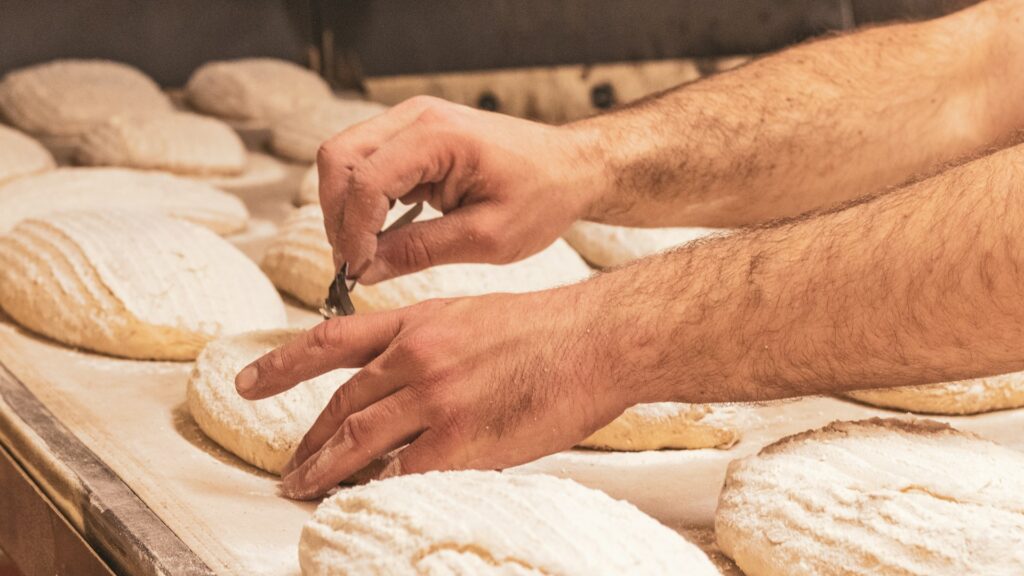
Experiment with different fermentation methods
The Foundations of Fermentation
Fermentation is an ancient and complex technique, involving the use of microorganisms to convert sugars into alcohol, gases or acids. This biochemical process is crucial in the creation of many food products. It is essential to understand the basic principles, such as anaerobic (taking place in the absence of oxygen) and the role of enzymes, to master the different fermentation methods.
Understanding the different types of fermentation, including lactic, alcoholic and acetic, is essential. Each uses specific strains of bacteria or yeast and affects the taste, texture and preservation of foods differently. For example, lactic fermentation is famous for its use in the preparation of dairy products like yogurt.
Traditional Fermentation Techniques
Various cultures around the world have developed their own fermentation methods, enriching their regional gastronomy. Traditional fermentation often uses inherited techniques which can vary from region to region. For example, kimchi making in Korea or kombucha making in China, two methods that rely on local environmental conditions and techniques passed down for generations.
These traditional approaches, although less scientifically controlled, have often resulted in products with unique flavor profiles. They represent a successful marriage between local microbial flora and available ingredients, creating distinctive and nutritious fermented foods.
Innovation and Control in Modern Fermentation
In the modern era, fermentation methods have been improved through scientific and technological innovation. Fermenters can precisely control variables such as temperature, humidity and pH, which are crucial for successful fermentation. This precision allows not only better consistency of the final products but also the possibility of experimenting with new recipes and flavor combinations.
Equipment such as bioreactors for domestic or industrial use offer new opportunities to exploit the benefits of fermentation. These technologies favor the development of innovative methods, such as vacuum fermentation or the use of genetically modified bacterial strains, which open the door to new textures and flavors.
Practical Applications and Advantages
Exploiting fermentation methods is not only a matter of taste, it is also a way to improve the preservation of foods and enrich their nutritional value. Fermented products are often characterized by an increase in vitamins, especially those of group B, and by better bioavailability of minerals.
The pragmatic use of fermentation also extends to the beverage industry, with the production of beer, wine, and even soft drinks benefiting from the subtle nuances offered by different fermentation strains. These processes can transform basic ingredients into gourmet products prized for their complex flavor profiles.
Fermentation FAQ
What conditions are necessary for successful fermentation?
Proper temperature, appropriate pH level, and absence of oxygen are crucial for effective fermentation. Selecting the right microorganism based on the desired product is also essential.
Can we create new flavors by mixing different types of fermentation?
Absolutely. Experienced practitioners often blend different strains and fermentation types to produce unique flavors and innovative textures, thereby increasing the gastronomic complexity of the finished products.
Is fermentation safe for consumption at home?
Yes, with the proper knowledge and preparation. It is important to follow proven methods and maintain hygienic conditions to avoid contamination by pathogenic bacteria.
Conservation and use of sourdough for natural ferments
The Fundamentals of Fermentation and Leavening
There fermentation is an essential biological process in the production of sourdough bread. THE microorganisms, such as yeast and bacteria, convert sugars into alcohol and lactic acid, creating complex flavors and desirable texture in bread. To achieve the best results, it is crucial to understand and master the sourdough preservation process.
Maintenance and Conservation of Active Sourdough
Sourdough requires regular attention to stay active. It is recommended to feed it regularly with a mixture of water and flour. The balance between diet and use is vital to maintain vitality. Sourdough can be stored in the refrigerator between uses, which slows its activity and reduces the frequency of feeding needed. Before using it for breadmaking, it is best to reactivate it by feeding it several times at room temperature.
Advanced Fermentation Techniques
For artisan bakers, exploring advanced fermentation techniques can enrich the quality and flavor of breads. Incorporating alternative flours like rye or spelt can influence the activity of the sourdough, providing new flavors and textures. Long, low-temperature fermentation, often carried out in the refrigerator, allows the flavors to develop further and improves the structure of the crumb.
Natural Ferments and Their Influence on Health
Natural ferments, such as sourdough, are often considered beneficial to health. Unlike commercial yeasts, sourdough contains a variety of beneficial microorganisms which can help improve digestion and strengthen the immune system. Additionally, the natural fermentation process reduces phytate, which increases mineral availability.
Creative Use of Sourdough in Various Baked Products
Sourdough isn’t just for bread. It can also be used in making pastries, pizzas, and even desserts. Each application requires adjustments in the composition and management of the sourdough to achieve the desired textures and flavors. Experienced bakers often use part of their sourdough starter to innovate and experiment with new recipes.
Fermentation and Sourdough FAQs
How do I know if my sourdough starter is ready to use?
An active sourdough starter should double in volume after being fed and have bubbles on the surface. A “floatation test” can also be carried out: a small quantity of leaven placed in the water should float.
How long can I keep sourdough in the refrigerator?
Sourdough can usually be stored in the refrigerator for up to a week without feeding. However, it is ideal to feed it at least once a week to maintain its health and activity.
Can you create sourdough from scratch?
Yes, it is possible to start a sourdough starter with just flour and water. The process can take between 7 and 14 days and requires regular feedings to develop a stable environment of yeast and bacteria.