How to go beyond the limits with a banneton?


Discover how bannetons can revolutionize your approach to artisan baking by allowing you to push the boundaries of the texture and shape of your breads. In this article, we explore advanced techniques and practical tips to maximize the use of your banneton and improve the quality of your baking creations.
Explore the creative possibilities with a banneton
The fundamentals of using a banneton
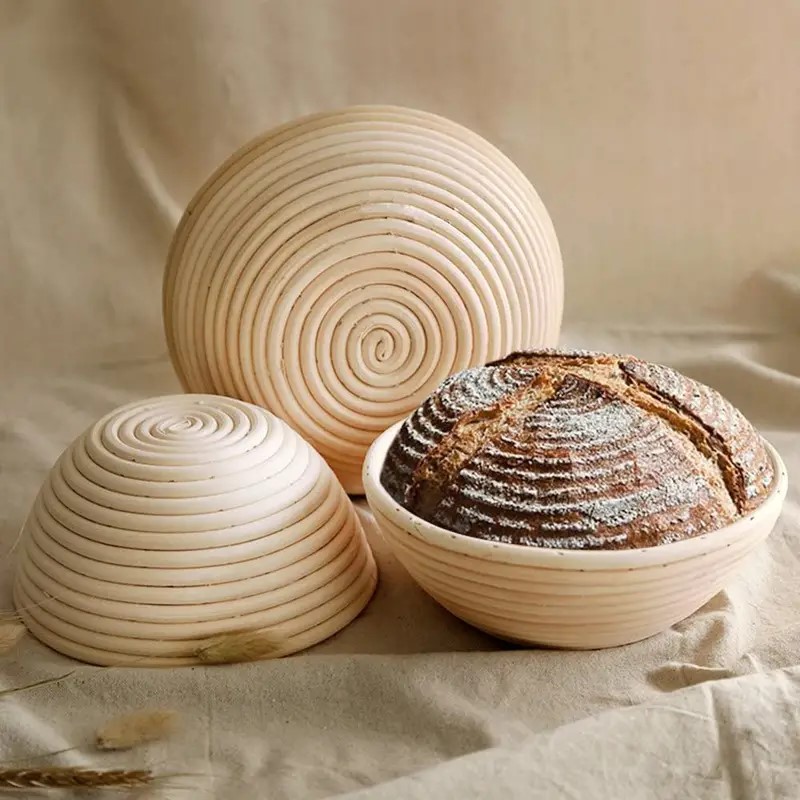
THE banneton, essential tool for the baker professional and passionate amateur, is at the heart of techniques of bread making. Traditionally used for the final rise of the dough, the banneton helps maintain the shape of the bread while promoting the creation of a well-formed and airy crust. Mainly made of wicker or food grade plastic, these utensils are also appreciated for their ability to print pretty patterns on bread.
Using a banneton is not just about filling it with dough. You must first prepare it well by sprinkling it with flour to prevent the dough from sticking. Once the dough has been shaped and placed in the banneton, it must rest there until it has risen sufficiently, typically between one and two hours at room temperature.
Experimenting with different types of dough
The possibilities are almost endless when it comes to choosing which dough to work with a banneton. Whether you opt for firm or soft dough, each type will influence the final result of the bread differently. Hydrated doughs are particularly well suited to using a banneton, as they benefit from the structure that the banneton provides during rising.
High-grain doughs, such as those containing rye or whole grains, can also benefit from using a banneton, as it helps maintain their shape while allowing the dough to breathe.
Techniques and tips for optimal use
Mastery of banneton requires knowing some tips keys. First of all, rice flour is often preferred for dusting banneton because it does not become part of the dough and thus minimizes the risk of sticking. Additionally, it is important to make sure the dough is well covered during rising to prevent it from drying out.
Ensuring the ideal temperature for rising is also crucial. Too low a temperature can slow down the process, while too high a temperature can cause overfermentation.
Innovation in shapes and patterns
THE bannetons are not only used to maintain the shape of the bread; they can also be used as a means of impressing distinctive designs onto the crust. Depending on the material and design of the banneton, different patterns can be created, ranging from simple vertical lines to more complex patterns that make each loaf unique.
Don’t forget that each banneton can produce a different pattern, so experimenting with various styles can enrich the visual appearance of your baking creations.
FAQs
How to clean a banneton after use?
After each use, it is recommended to remove excess flour using a brush. Allow the banneton to air dry before storing it in a dry place to prevent mold from forming.
Can you use a banneton for all types of bread?
Yes, a banneton can be used for most types of bread, although it is particularly beneficial for high hydration breads and soft doughs that require additional support during rising.
How long should you leave the dough in the banneton?
The amount of time the dough rests in the banneton varies depending on the recipe and temperature conditions, but in general it should be 1 to 2 hours until the dough has almost doubled in volume.
Articles sur le même Sujet

Advanced techniques for using a banneton in baking
Preparing the banneton before use
In professional baking practice, the preparation of banneton is crucial. Before using, be sure to dust the banneton generously with flour to prevent the dough from sticking. It is recommended to use rye or rice flour, as they have superior non-stick properties compared to other flours. A uniform distribution of flour over the entire surface is essential to obtain optimal fermentation without disturbing the formation of the crust.
Humidity control during fermentation
Humidity control is another essential technique for maximizing the effectiveness of bannetons in bakery. During fermentation, humidity plays a major role in the final quality of the bread. A clean, slightly damp cloth can be placed over the banneton to maintain humidity, while allowing the dough to breathe. This prevents the surface of the dough from drying out, promoting uniform and controlled growth.
Optimization of bread texture and shape
Using a banneton directly impacts the texture and shape of the bread. For a result professional And traditional, the technique of “rolling” the dough before placing it in the banneton is recommended. This method consists of delicately forming the dough into a ball or another format, depending on the specificity of the desired bread. Once placed in the banneton, the dough should still have enough surface tension to support its structure during fermentation.
Selecting the size and type of banneton
Selecting a banneton suited to the specific needs of your recipes is essential. Bannetons come in a variety of materials such as rattan or synthetic fibers, each of which has varying impacts on air circulation and heat distribution around the dough. The size of the banneton should also match the expected dough weight. A banneton that is too large or too small will negatively influence the final shape of the bread.
Post-fermentation management and unmolding
After fermentation, the unmolding of the banneton dough must be carried out carefully to preserve the airy structure and shape of the bread. A slight tilt and tap on the bottom can help loosen the dough. If the dough continues to stick despite initial preparation, it may be necessary to re-evaluate the amount of flour used initially or the moisture of the dough.
FAQs
How to clean a banneton after use?
It is recommended to let the banneton dry completely after each use, then use a brush to remove any flour residue. Avoid water to avoid creating mold on wood or natural fibers.
Can we use the same banneton for different types of pasta?
Yes, but it is advisable to have dedicated bannetons for dark and light doughs to avoid the transfer of flavors and colors.
What are the criteria for choosing the size of a banneton?
The size of the banneton should be chosen based on the final weight of the dough. A good indicator is to choose a banneton that corresponds to 1.5 times the volume of the dough being kneaded to allow adequate expansion.
Articles sur le même Sujet
Optimizing the shape and texture of bread with a banneton
Strategic use of banneton in artisan baking
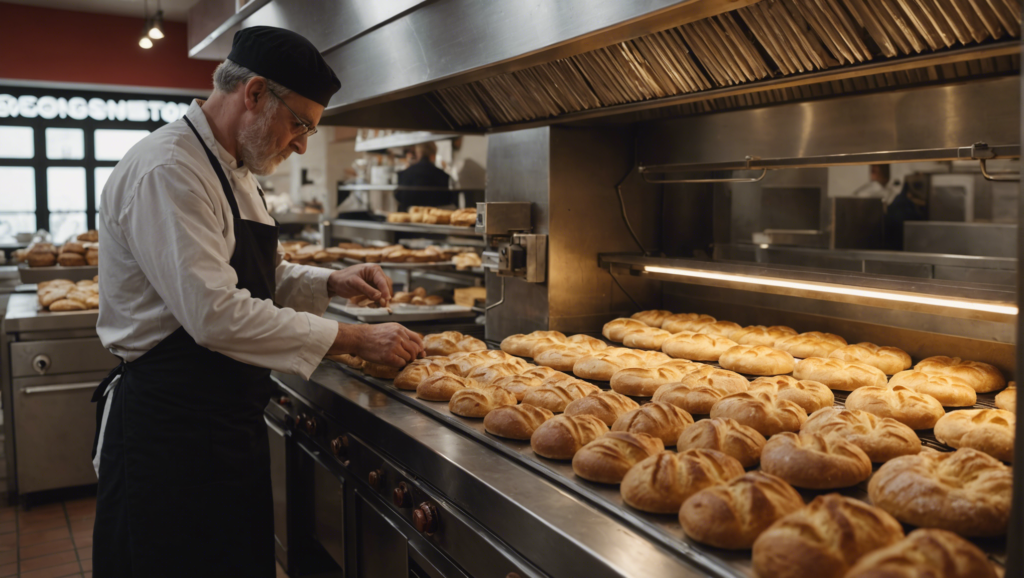
THE banneton is an essential tool for any baker concerned about the quality and presentation of his bread. Traditionally used for the final fermentation of bread, it is often made of wicker, rattan or sometimes modern materials such as food grade plastic. The choice of material influences the texture of the crust as well as the final pattern printed on the bread.
To maximize the effectiveness of a banneton, it is crucial to ensure that it is properly prepared and maintained. Adequate dusting of flour is necessary to prevent the dough from sticking, resulting in a clean release. This preparation also helps to better define the pattern that the banneton prints on the crust of the bread.
Role of the banneton in the formation of the structure and aeration of the dough
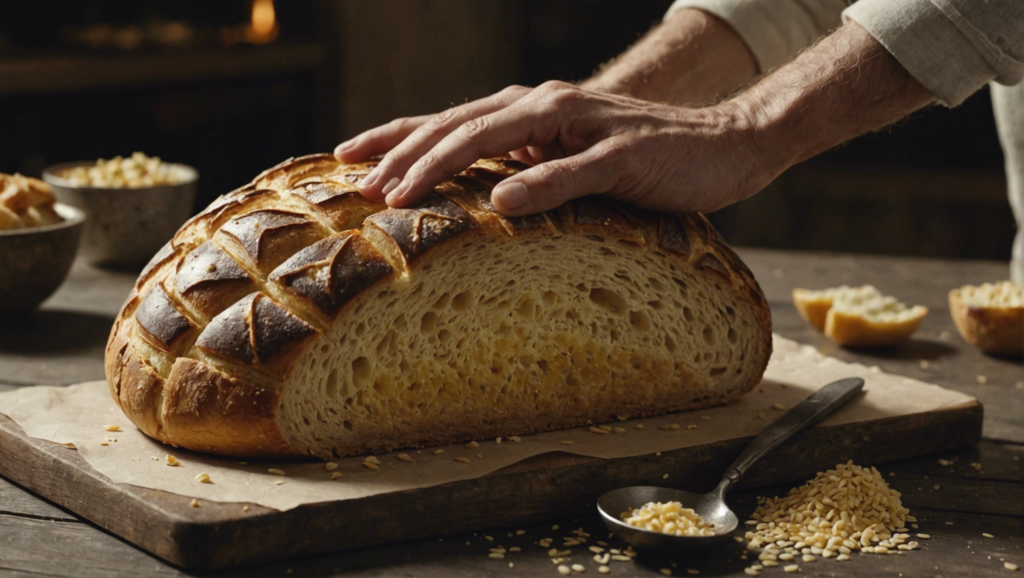
THE banneton contributes to the formation of the structure of the bread. By holding the dough in a confined space, it helps preserve and even improve the surface tension created during shaping. This tension is essential for the bread to maintain its shape while developing a nice rise during baking.
In addition, the crevices naturally formed by the weaving of the banneton allow the dough to breathe during fermentation. This aeration is crucial for developing a honeycomb crumb, which is highly sought after in quality breads such as country bread or naturally leavened bread.
Choice and use of bannetons depending on the type of bread
The choice of banneton depends largely on the type of bread you want to make. For dense rye bread, for example, a banneton with small meshes may be preferable to support the weight of the dough. For lighter, airier breads, a wider mesh banneton can be used to encourage a more generous rise.
It is also possible to use bannetons coated with linen or cotton cloths which minimize adhesion and slightly modify the texture of the external surface of the bread. These choices must be aligned with the techniques fermentation and cooking specific to each type of bread.
FAQ on using banneton to optimize baking
- How to properly maintain your banneton to extend its lifespan?
It is recommended to brush the banneton after each use to remove dough and flour residue. Bannetons should never be washed with water but simply wiped with a damp cloth if necessary and dried immediately to prevent mold from forming. - What is the difference between a wooden banneton and a plastic banneton?
Bannetons made of wood or natural fibers allow better absorption of moisture from the dough, which promotes the formation of a crispy crust. Plastic bannetons are easier to clean and may be more durable, but they don’t make it as easy for moisture to evaporate. - Why use a banneton instead of just letting the bread rise on a baking sheet?
Using a banneton helps maintain the shape of the bread during fermentation, prevents the crust from drying out before baking, and promotes uniform, airy crumb development.
Articles sur le même Sujet
Challenges and solutions when using a banneton
Identifying challenges associated with using banneton
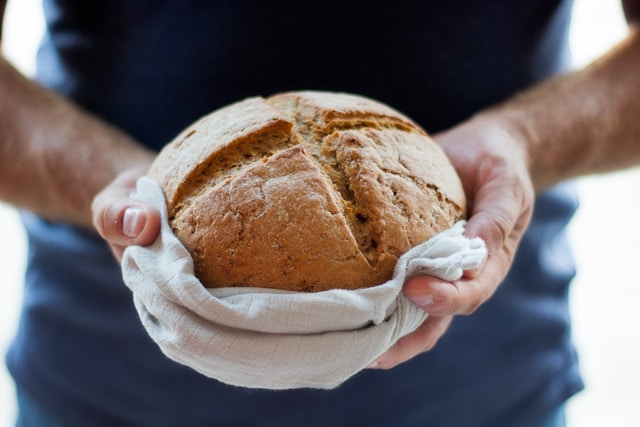
The banneton is an essential tool for artisan bakers, used to shape bread while allowing it to ferment optimally. However, its use is not without challenges. One of the main problems lies in the adhesion of the dough to the walls of the banneton. This can be particularly problematic with high hydration doughs. In addition, maintaining the cleanliness and shape of the banneton over the long term also represents a major concern, as does ensuring the consistency of the shape of the bread during unmolding.
Practical solutions for efficient use of banneton
Faced with the challenges presented by the use of banneton, several solutions can be adopted. First, the question ofadhesion of the paste can be reduced by flouring banneton, using rice flour which has less gluten and is therefore less sticky. It is also advisable to choose bannetons made from natural materials such as rattan, which makes unmolding easier thanks to its natural non-stick properties.
Then, for maintain cleanliness and the durability of the banneton, it is crucial to clean it properly after each use. This involves removing all dough and flour residue, then letting it air dry before storing it. This will also help prevent mold from forming.
About the constancy of form bread, the use of quality and well-maintained bannetons is essential. It is also beneficial to regularly practice shaping techniques to master the art of tensioning the surface of the dough, thus ensuring a beautiful, regular shape each time it is baked.
FAQs
- How to choose the right type of banneton? The choice of banneton depends on the type of bread you want to make. Rattan bannetons are the most popular for most traditional breads thanks to their ability to absorb some of the moisture from the surface of the dough, thus promoting the formation of a beautiful crust.
- Can you use different types of flour to flour banneton? Yes, although rice flour is often preferred for its non-stick properties, other low-gluten flours can also be used. It all comes down to personal preference and desired results.
- Is it necessary to let the banneton dry after each use? Absolutely, letting the banneton air dry completely is crucial to preventing mold and extending the life of the banneton.