


How to prepare tasty gluten-free breads using clever techniques?
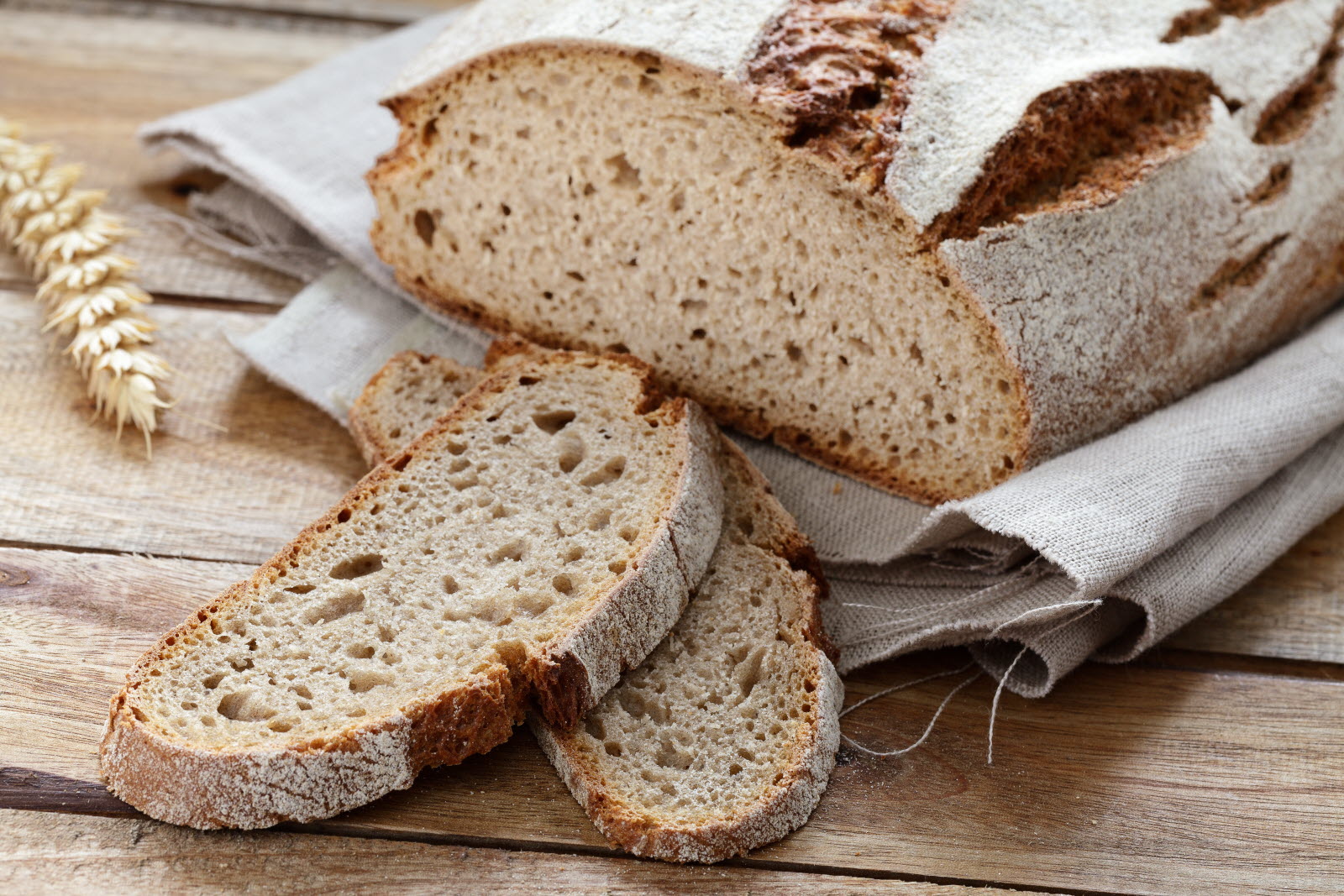

In this article, we’ll explore innovative techniques for making gluten-free breads that don’t compromise on taste or texture. Learn to master the art of substituting traditional flour with gluten-free alternatives and discover how precise adjustments in kneading, fermentation and baking can transform your gluten-free breads into crispy, airy delights, suitable for every palate. Whether you’re gluten intolerant or simply curious about new recipes, these proven methods guarantee flavorful and satisfying results.
Choosing the right ingredients for successful gluten-free bread
The manufacture of gluten free bread calls for a detailed approach regarding the selection of ingredients to compensate for the lack of gluten, which is a key component in the structure and texture of traditional bread. This section explores the main ingredients that can be used to create gluten-free bread that is both tasty and satisfying.
Gluten-free flours
The choice of flour is crucial when preparing gluten-free bread. Several options exist, each bringing its own characteristics and benefits:
- Rice flour : Light and neutral in taste, it is often the basis of gluten-free flour mixtures.
- Tapioca flour : Provides elasticity and lightness, often used in combination with other flours.
- Chick pea flour : Rich in protein, it adds density and a distinctive taste that can enrich the flavors of bread.
- Teff flour : Known for its nutritional virtues, teff provides a pleasant texture and a slight nutty taste.
It should be noted that the use of a flour mix is often recommended to best reproduce the characteristics of traditional bread.
Raising agents and gums
In the absence of gluten, other components must be integrated to allow the bread to rise correctly and obtain an acceptable texture:
- Yeast Or gluten-free baking powder : Essential, they contribute to the rise of the dough and the formation of the crumb.
- xanthan gum Or guar gum : These gums make it possible to imitate the viscoelastic properties of gluten, thus improving the texture and preservation of bread.
It is imperative to carefully dose these additives to avoid any texture that is too gummy or dense.
Hydration and natural additives
Hydration plays an important role in the success of gluten free bread. The ideal is to adapt the quantity of water or other liquids depending on the flours used. Additives like ground flax or psyllium seeds can serve as natural thickeners and improve the structure of bread:
- THE linseed Ground, when mixed with water, forms a gel that can help bind the dough.
- THE psyllium, rich in fiber, increases the hold and texture of the crumb.
By integrating these elements, we can not only enrich the nutritional value of bread but also optimize its texture and volume.
Gluten-Free Bread FAQ
1. What are the best gluten-free flours for making bread?
– The best flours for making gluten-free bread often include a blend of rice flour, tapioca, chickpea, and teff to balance texture and flavor.
2. How to avoid too dense gluten-free bread?
– To avoid too dense bread, it is advisable to use a mixture of flours, appropriate leavening agents, and to adjust the hydration of the dough.
3. Can you use regular yeast in making gluten-free bread?
– Yes, regular yeast can be used for gluten-free bread as long as it does not contain gluten on its own. However, make sure all other ingredients are gluten-free as well.
Articles sur le même Sujet

Kneading and rising techniques specific to gluten-free
Understanding the Basics of Gluten-Free Dough
The work of gluten free pasta requires a thorough understanding of the characteristics of gluten substitutes. Unlike wheat flour, gluten-free flours such as rice, corn, almond or potato starch do not contain gluten, making them unable to develop the elasticity usual in traditional doughs . This has a direct influence on the kneading techniques and the methods of lifting suitable for these types of flour.
Kneading methods suitable for gluten-free
Creating a nice texture for gluten-free breads starts with kneading. Kneading methods such as gentle hand kneading or using mixers equipped with dough hooks are recommended. A superior hydration is often necessary, as gluten-free flours tend to absorb more liquid. The dough should be homogenous but soft, which generally requires less vigorous kneading than doughs containing gluten.
- Gradual integration of liquids to avoid lumps.
- Use of gums (xanthan or guar) to help hold the dough together.
- Liquid temperature control to properly activate the yeast.
Optimizing the rising of gluten-free bread
The stage of lifting is crucial for the development of volume and texture of gluten-free breads. In the absence of gluten, the methods for capturing the gas produced by the yeast must be adapted. This includes choosing a warm, draft-free place to allow the dough to rise evenly. The rising time can also be extended compared to traditional doughs, to give enough time for the leavening agents to take effect.
- Cover the dough with lightly oiled plastic wrap to prevent it from drying out.
- For denser breads, consider a single rise before baking.
- Use a mixture of yeast and natural sourdough to improve texture and taste.
FAQs
Can we use the same yeasts for gluten-free doughs?
Yes, you can use common yeasts like active or instant baker’s yeast. However, the rising time may need adjustments.
How to prevent gluten-free dough from becoming too dense?
By incorporating enough liquid and using binding agents like xanthan gum, you can improve the texture and avoid excessive density.
Which gluten-free flours are best for bread?
Gluten-free flour blends such as those combining rice flour, tapioca starch and chickpea flour often provide better results for gluten-free bread, thanks to their balance of texture and flavor.
Articles sur le même Sujet
Selection and use of alternative flours
Choice of Alternative Gluten-Free Flours
The production of gluten free bread requires careful selection of alternative flours. Among the most commonly used, rice flour is prized for its light texture and digestibility. Buckwheat flour, recognizable by its darker color and distinctive taste, is another popular option because it adds character to breads. For those looking for a touch of sweetness, corn flour can be a nice addition, although it often needs to be mixed with other flours to improve the texture of the bread.
In addition, the use of flours such as quinoa or teff is recommended for their nutritional profile enriched with proteins and minerals. However, adjusting the proportions and combining different flours is crucial to achieve a pleasant consistency and flavor.
Adapted Kneading and Leavening Techniques
The kneading process for gluten-free dough differs significantly from that of traditional dough. In the absence of gluten, which acts as a binder in conventional bread doughs, it is essential to use modified methods to integrate air and obtain a homogeneous dough. Using natural binding agents like xanthan gum or guar gum can aid this process by mimicking the properties of gluten.
For lifting, techniques must also be adjusted. Gluten-free doughs often require a more humid and warm environment to allow for adequate rising. Prolonged fermentations can also help develop flavors and improve the texture of the finished bread.
Modifications for Cooking and Storage
Baking gluten-free breads requires special attention, as these doughs may be more sensitive to temperature and humidity. It is often recommended to preheat the oven to a slightly higher temperature and then reduce the temperature when baking to prevent the bread from drying out. Adding steam at the start of cooking can also help achieve a crisper, less crumbly crust.
Regarding storage, it is just as crucial because gluten-free breads tend to dry out more quickly. To prolong their freshness, it is advisable to wrap them airtight and store them in the refrigerator or freeze them if necessary.
FAQs
What are the best gluten-free flours for making bread?
Rice, buckwheat and corn flours are among the most popular, but for optimal results it is often advisable to combine them with other flours such as quinoa or teff.
How to improve the texture of gluten-free bread?
Using natural binding agents such as xanthan gum or guar gum can help mimic the properties of gluten, improving the texture of bread.
How to store gluten-free bread so that it stays fresh longer?
Wrap the bread tightly and store it in the refrigerator, or freeze it for extended storage to maintain freshness and prevent drying out.
Articles sur le même Sujet

Tips for Improving Bread Texture and Flavor
Choosing the Right Flours
The selection of flours is crucial in the preparation of gluten-free breads. Opt for flour blends such as corn flour. Brown rice, of buckwheat or teff which not only provide richness of flavor, but also better hold of the dough. The use of the potato starch or but can also help lighten the texture of bread.
Hydrating and Kneading the Dough
Dough hydration plays an essential role in the texture of gluten-free bread. A well-hydrated dough is easier to handle and produces a more fluffy bread. The amount of water varies depending on the types of flour used, so it is important to adjust the proportions of water to achieve the desired consistency. Concerning kneading, even if gluten-free doughs do not require traditional kneading, it is recommended to mix well to activate binders such as xanthan gum or the guar gum, which help to obtain beautiful elasticity.
Proofing and Fermentation
Fermentation is a key process in making gluten-free bread. Using a natural sourdough suitable for gluten-free can improve the structure and flavor of the bread. It is also possible to create a favorable environment for rising by covering the dough with a damp cloth and leaving it in a warm place. The rising time can be longer than that of traditional breads, which is beneficial for developing flavors.
Optimal Cooking
Cooking is a decisive element. Baking temperatures and times may vary depending on the type of bread. Generally, an initial higher temperature followed by a gradual decrease guarantees a crispy crust and a soft crumb. Using a preheated oven and steam at the start of baking can also help the bread expand better.
FAQs
What is the best method to store gluten-free bread to preserve its freshness?
Gluten-free bread keeps best when wrapped airtight and stored in the refrigerator or freezer to extend its life while preserving its texture.
Can we use chemical leaveners in the preparation of gluten-free breads?
Yes, baking powder can be used to help dough rise, especially if you’re looking for a quick option without natural fermentation.
Is it possible to create gluten-free breads with added flavors?
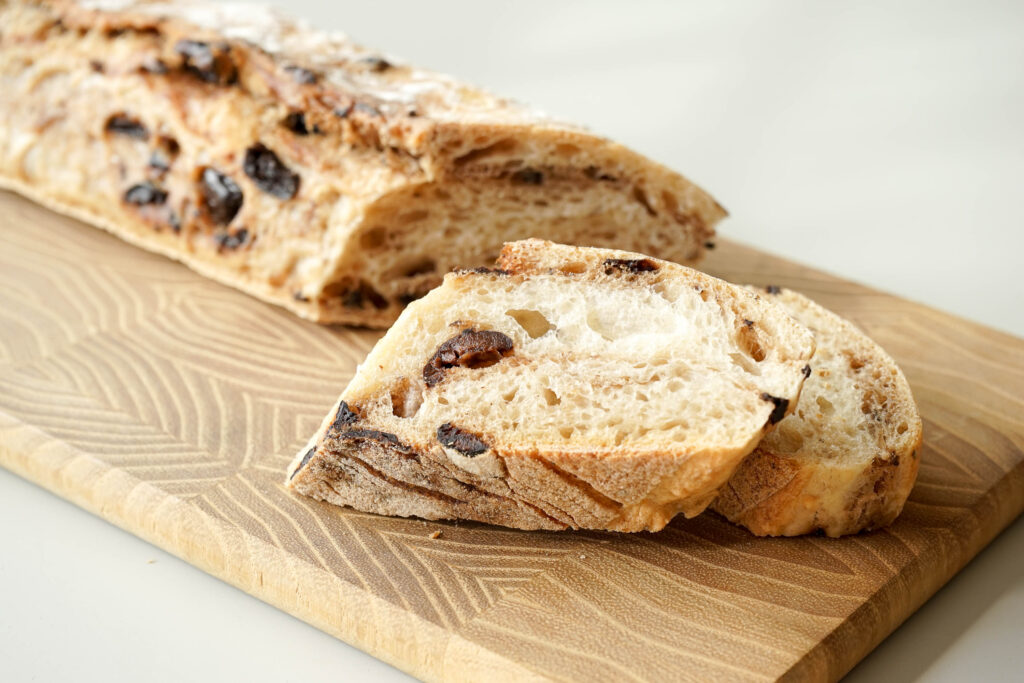
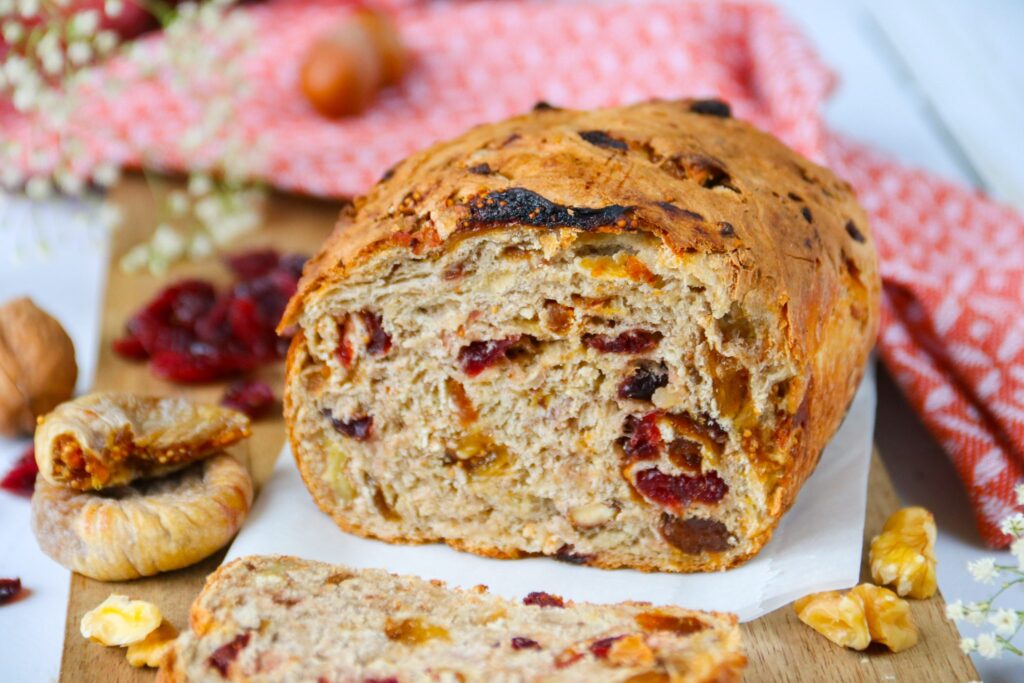
Certainly, you can enrich your breads with ingredients like olives, nuts, seeds, or even dried fruits to vary the pleasures while maintaining a pleasant texture.
Articles sur le même Sujet

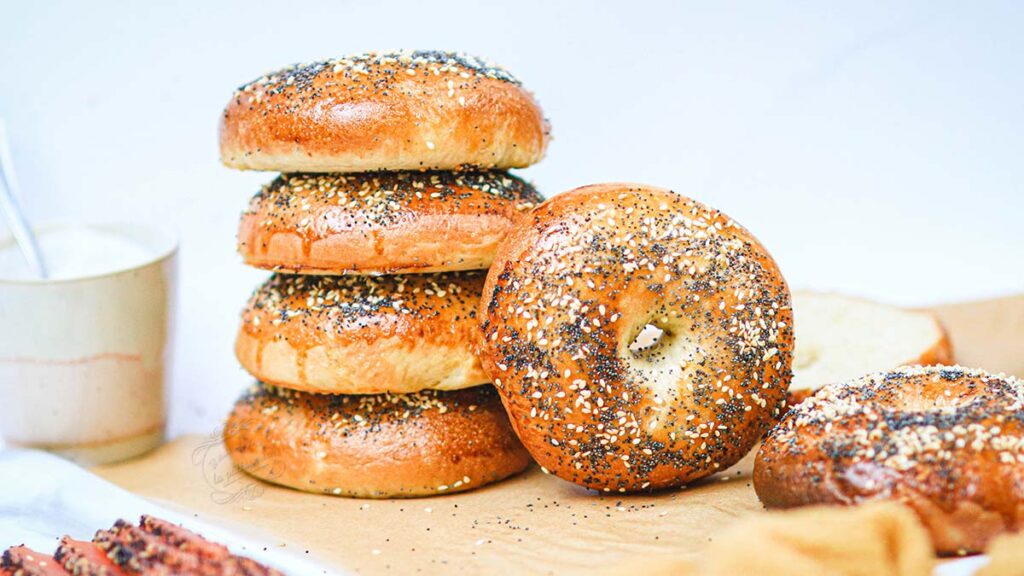
Innovations in traditional recipes adapted to gluten-free
Definition and Context of Gluten-Free Bread
THE gluten free bread is a crucial alternative for people suffering from celiac disease or gluten intolerance. This adaptation of traditional bread excludes all sources of gluten, present in particular in wheat, barley and rye. The challenge lies in developing recipes that retain the airy texture and savory taste of classic breads, despite the absence of gluten.
Using Alternative Flours
Alternative flours represent the cornerstone of gluten free recipes. For breads, several options are available:
– Rice flour, light and neutral in taste, ideal for a bread base.
– Teff flour, which provides a rich texture and a slightly brown color.
– Quinoa flour, rich in protein and fiber, offering a soft texture.
The combination of these flours with binding agents such as xanthan gum or guar gum makes it possible to simulate the elasticity and texture that gluten traditionally offers.
Advanced Fermentation Techniques
Fermentation is a key process in bread making, including gluten-free variants. Modern techniques include:
– The use of natural leavens specific to gluten-free, promoting slow fermentation which strengthens the aromas.
– The use of pre-fermentations, such as poolish or gluten-free biga, which improve the texture of the final bread.
These methods help develop gluten-free breads with quality and flavor comparable to traditional breads.
Implementation of Technological Innovations
Innovations in the field of gluten free bakery are not limited to ingredients; they also include cooking equipment and technologies. Ovens specifically calibrated for the properties of gluten-free doughs, as well as the use of molds designed to maintain the structure of the bread during baking, are notable advances.
Gluten Free Bread FAQ
1. What are the main challenges in creating gluten-free breads that taste and have good texture?
Creating gluten-free bread must counteract the absence of gluten, which is a natural binder in dough. The challenges therefore include choosing the right alternative flours and using binding agents to achieve a pleasant texture and flavor.
2. Can we use natural leaven in making gluten-free bread?
Yes, it is possible to create entirely gluten-free sourdoughs using bases like rice or buckwheat. These leavens help improve both the taste and texture of the bread.
3. Are gluten-free breads only for people with gluten intolerance?
Although primarily intended for individuals with allergies or intolerances, gluten-free breads are today appreciated for their nutritional qualities and can be a healthy option for everyone.
Baking tips to ensure a perfect crust and airy crumb
Choice of flours and optimal mixing
The success of a gluten free bread is partly due to the selection and mixing of flours. For a airy crumb and an crispy crust, prefer rice, corn or buckwheat flour. Each has properties that influence the texture of the bread. Mix them with natural binding agents such as xanthan or guar gum to compensate for the absence of gluten.
Hydration of the dough: key to lightness
Hydration is fundamental in the preparation of gluten-free bread. A well-hydrated dough is essential to obtain a soft and light crumb. Generally, a higher water ratio than with conventional flours is recommended. Be sure to adjust the amount of water based on the specific absorption of your flours.
Adapted kneading techniques
Kneading gluten-free dough does not require excessive force. The goal is rather to homogenize the ingredients and allow the gums to mix well to create a stable network. Gentle kneading for an appropriate duration will promote airy texture without overloading the structure of the dough.
Control of fermentation
Fermentation is a delicate process for gluten-free doughs. Using a natural leaven or specific yeasts for gluten-free breads can improve the structure and taste. Control temperature and humidity during fermentation to ensure even rising and prevent the dough from drying out.
Precise cooking settings
Cooking the gluten free bread requires attention and precision. An oven preheated to the correct temperature and a controlled cooking time are crucial. Using steam at the start of cooking can also help develop a crust more crispy and attractive.
Gluten-Free Bread Baking FAQs
- What is the best type of flour for making gluten-free bread?
Rice, buckwheat and corn flours are among the most popular and offer excellent textures.
- How to prevent gluten-free bread from being too dense?
Increase the hydration of the dough and ensure good kneading to incorporate air and adequate binding agents.
- Can you use a bread machine for gluten-free bread?
Yes, many modern models have dedicated programs for gluten-free breads, adapting kneading and baking accordingly.