


How to simplify the preparation of your homemade bagels?
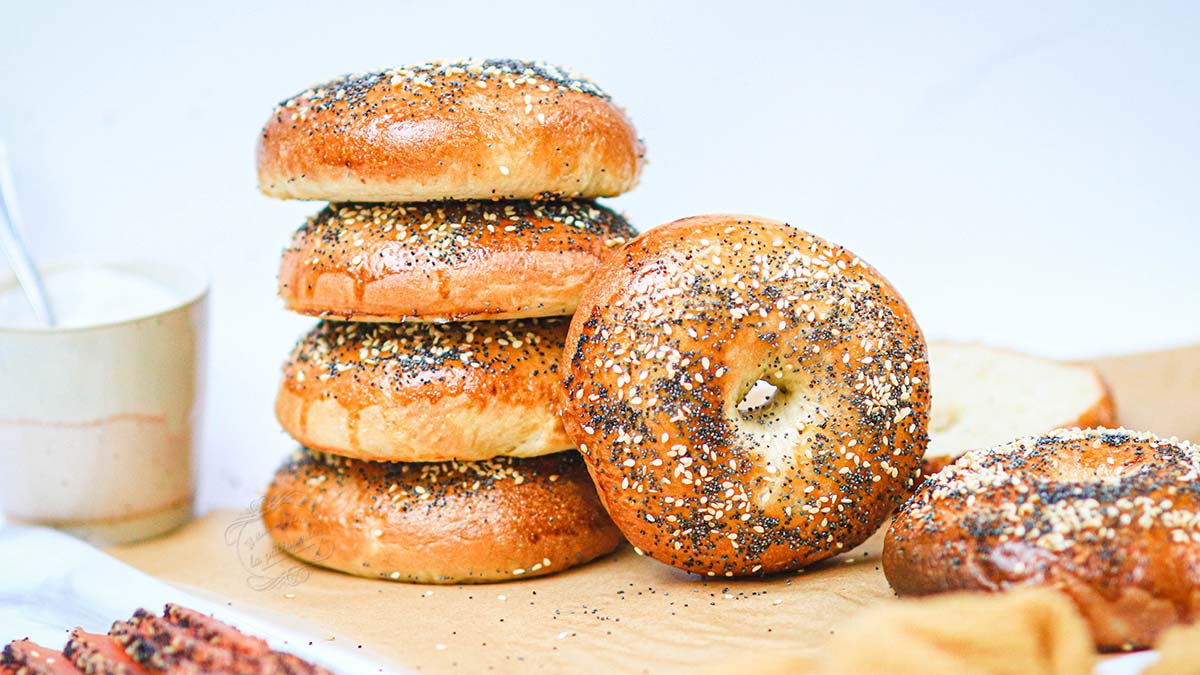

In this article, we’ll cover essential techniques and practical tips to simplify the preparation of your homemade bagels. Whether you’re a home baker or a cooking enthusiast, you’ll discover how to optimize every step, from kneading to baking, to achieve perfectly golden, flavorful bagels with surprising ease. Join us as we transform the art of bagel making into an experience that is both simple and rewarding.
Choosing ingredients for simplified bagels
Flour Quality
The choice of flour is essential for making quality bagels. Opt for a flour with a high gluten content, often labeled as gluten flour. bakery or bread flour. This type of flour produces an elastic and resistant dough, ideal for bagels that require a dense and soft texture. The presence of gluten also contributes to the formation of a golden and crispy crust after cooking.
Yeast or Natural Sourdough
Yeast is a crucial leavening agent in bagel preparation. You can choose between the active dry yeast and the fresh yeast. While active dry yeast is more convenient and has a longer shelf life, fresh yeast can provide a richer taste and finer texture to the finished product. For those who favor traditional methods, the use of Natural leaven offers superior flavor complexity and better bagel preservation.
Selection of Wet Ingredients
Water and malt are essential in the preparation of bagels. L’water, ideally filtered, must be tempered to activate the yeast effectively without killing it. THE malt syrup or malt sugar plays a crucial role in providing a slight sweetness, improving the color of the crust and promoting the rise of the dough. Make sure the malt is pure, without additives or preservatives, to preserve the authentic flavor of the bagel.
Choosing Seeds and Toppings
The seeds not only provide a pleasant texture and rich taste but also a beautiful presentation to bagels. Popular options include Sesame seeds, of poppy, ofonion or even thegarlic. These toppings must be fresh and of good quality to guarantee optimal taste and a crispy texture. They can be added just before baking for optimal adhesion and retention on the crust.
FAQs
How important is malt syrup in making bagels?
Malt syrup plays a crucial role in bagel making by helping with the coloring of the crust, contributing to the subtle sweet flavor, and aiding fermentation of the dough. Its use also influences the texture of the bagel, making it softer.
Can you replace yeast with natural sourdough in bagel recipes?
Yes, it is possible to replace the yeast with natural sourdough. This will bring a different depth of flavor and improve the shelf life of the bagels, while giving them a slightly different texture. However, this will require adjustments in the rising time and proportions used.
How to choose the best seeds to top bagels?
Choose fresh, quality seeds to top your bagels, such as sesame or poppy seeds, to ensure the best flavor and texture. Also be sure to apply them just before cooking so they stick well to the surface and don’t burn while cooking.
Articles sur le même Sujet
Quick dough preparation techniques
Choice of ingredients and their preparation
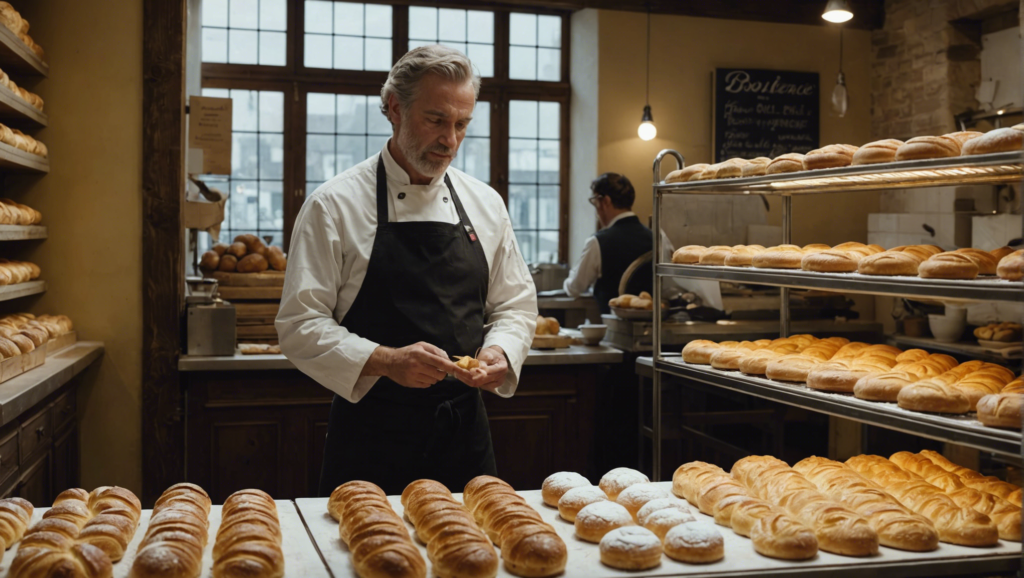
To optimize the preparation time of your dough, start by organizing your ingredients efficiently. Use ingredients at room temperature to promote rapid incorporation and homogeneous. Pre-measure and arrange all your elements in an accessible way on your work surface to avoid any unnecessary movement during the mixing process.
Effective mixing techniques
The use of a kneading robot can significantly reduce kneading time. Be sure to follow the order in which you add the ingredients, usually starting with the dry items before introducing the liquids. This method prevents the formation of lumps and allows a uniform consistency paste.
Optimization of rest times
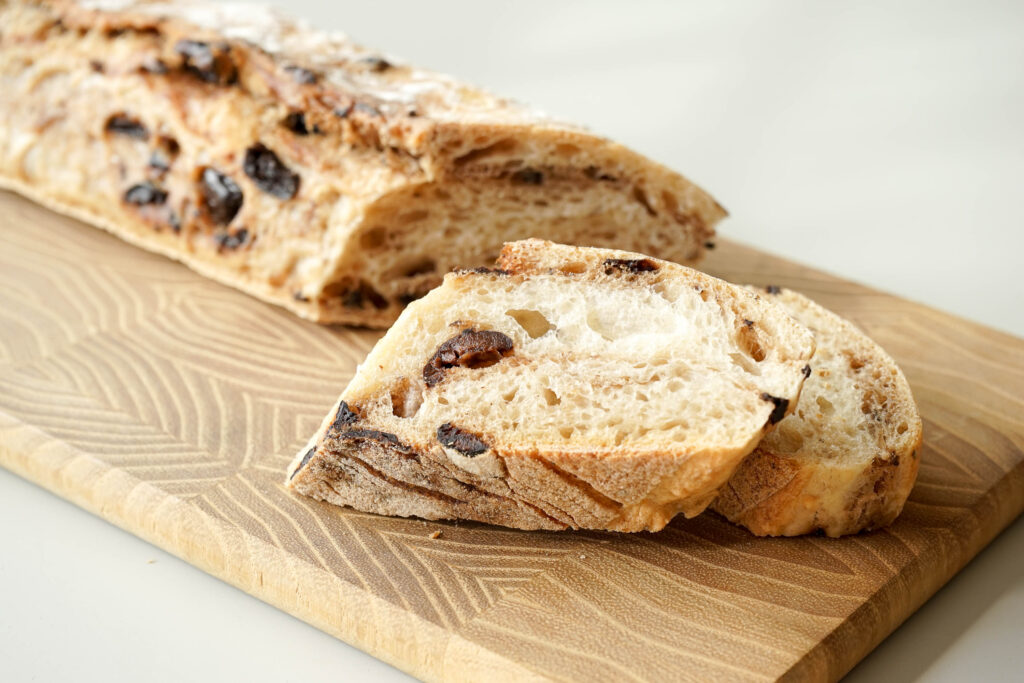
Resting time is essential to allow the dough to develop the desired textures and flavors, however, it is possible to optimize this step. For recipes requiring rising, place your dough in a warm environment with little drafts. Covering the dough with a damp cloth can also help prevent it from drying out, while reducing the amount of resting time needed.
Use of yeasts and leavening agents
The use of baking powder or baking soda can be a solution to speed up the rising process without compromising the texture of the dough. These leavening agents work faster than traditional yeast and are perfect for preparations such as cookies or cakes.
Quick Dough Methods FAQ
What is the quickest way to proof bread dough?
Position the dough in a warm, draft-free place, or use a proofer if available. Another tip is to add a little more yeast than called for in the recipe.
Can you prepare a dough the day before?
Yes, many pastas can be made and stored in the refrigerator overnight. It can even improve the flavor and texture of many types of dough, like pizza or bread dough.
How to prevent the dough from becoming too hard or elastic?
Avoid overworking the dough and make sure all your ingredients are at room temperature to make the mixing process easier. Over-kneading can activate the gluten excessively, making the dough elastic.
Articles sur le même Sujet
Efficient cooking and time-saving tips
Planning Strategies for Efficient Cooking
Knowing how to organize your actions in the kitchen can greatly reduce the time spent in front of the stove. To do this, anticipating is the key word. Planning your menus for the week not only allows you to plan the necessary ingredients but also to synchronize the cooking times of the different dishes. For example, while the roast is in the oven, you can easily prepare a salad or steam vegetables.
Choice of Adapted Equipment
Acquiring and using efficient kitchen appliances can transform your cooking experience. THE multicooker and thepressure cooker are perfect examples of practical equipment to significantly reduce cooking time. These appliances can, for example, cook a vegetable stew in less than twenty minutes, a performance impossible on a conventional fire.
Quick Preparation Techniques
Minimizing preparation time is as crucial as reducing cooking time. Using techniques like cutting ingredients evenly not only ensures even cooking but also speeds up the process. Additionally, marinating meats or vegetables ahead of time can enrich the flavors while decreasing the time spent cooking now.
Optimization of Cooking Time
Fire management and constant monitoring are essential for optimized cooking. Using lids while cooking not only retains heat but also cooks food more quickly. Additionally, stewing or cooking in a bain-marie are methods that can preserve nutrients while saving time.
FAQs
- Which multicooker to choose to save time in the kitchen? Opt for a multicooker with various settings and functions (like pressure cooking and steaming) for versatile use.
- Is it really necessary to plan menus in advance? Yes, planning can dramatically reduce decision-making and purchasing time, allowing you to focus more energy on the cooking itself.
- How to ensure uniform cooking of food? Ensuring even cutting and adapting the cooking method to the type of food can guarantee uniform cooking.
Articles sur le même Sujet
Easy customization of your bagels
Innovative and versatile, the bagel has conquered the hearts of gourmets looking for original and personalized flavors. In order to create a unique version adapted to your tastes, we will explore together the different ways to personalize your bagels, whether it is the dough, of the toppings, or some cooking methods.
Choice of Dough and its preparation
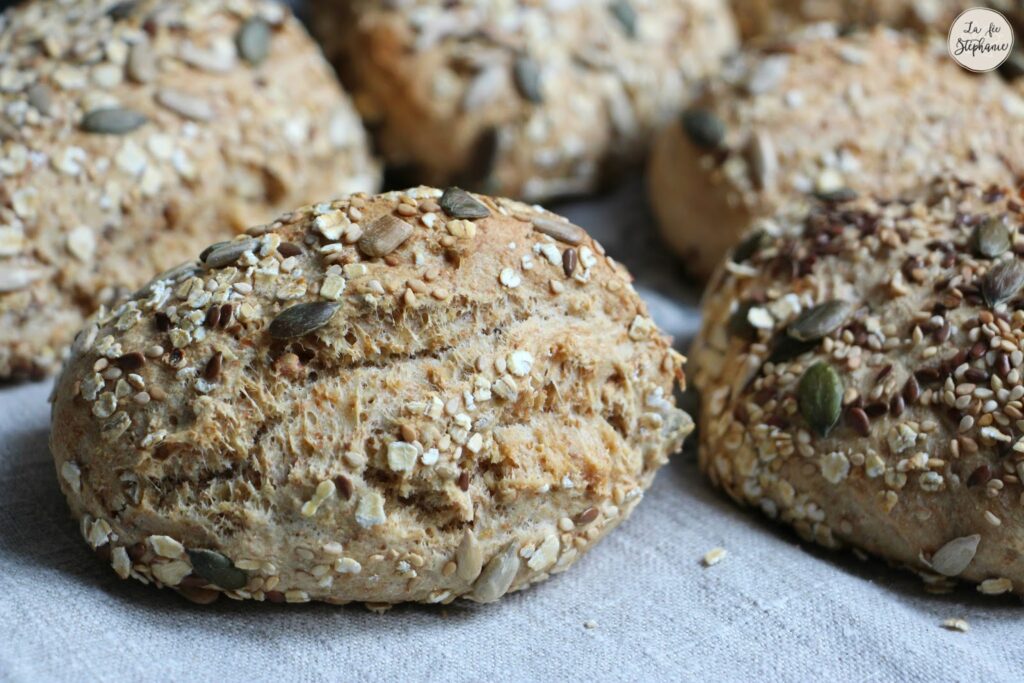
The basis of a successful bagel lies in its dough. Whether you opt for a traditional dough recipe or a more original version using different flours, such as whole wheat or rye flour, ensuring proper fermentation is essential. Adding sesame seeds, poppy seeds, or spices to the dough can also enrich the taste and texture of your bagel.
Shaping techniques
Shaping bagels is a crucial step that influences the final texture. One technique is to roll a long rope of dough then join the ends tightly. Let the shaped bagels rest for at least 20 minutes before poaching them in simmering water with honey or malt, which will give that characteristic chewy and shiny texture.
Toppings and Assembly
The possibilities for toppings for your bagels are endless. From smoked salmon with cream cheese, to vegetarian versions with hummus and grilled vegetables. For lovers of sweet flavors, don’t hesitate to garnish your bagels with peanut butter and banana strips. The important thing is to mix textures and flavors for a complete taste experience.
Cooking Variations
Baking remains the most traditional method for obtaining a golden and crispy bagel. However, for crispier or chewier variations, adjusting the oven time and temperature can create different textures to suit your personal preferences. Another innovative method is pan-frying, which produces a denser and crunchier result.
FAQs
1. Can you prepare bagel dough the day before?
Absolutely, making the dough in advance and letting it ferment in the fridge can even enrich the flavors of the dough and improve the texture of the bagel.
2. What are the gluten-free options for bagels?
It is entirely possible to use gluten-free flours, such as almond or coconut flour, just adjust the amounts of liquid and yeast to compensate for the difference in texture.
3. How to store bagels so they stay fresh?
For optimal freshness, store bagels in an airtight plastic bag at room temperature for 2-3 days. For longer storage, you can freeze them immediately after cooling.
Articles sur le même Sujet

Optimal conservation and reuse
Food Preservation Techniques
Proper storage methods are essential to maintain the freshness and nutritional qualities of foods. Adopting a scientific and rigorous approach to preservation can extend the shelf life of products while preserving their taste and texture. The use of techniques such as refrigeration at precise temperatures, rapid freezing, or storage in environments controlled in terms of humidity and light, are key factors to consider.
It is also important to analyze the composition of foods to choose the appropriate preservation method. For example, foods high in acid, such as fruits, lend themselves well to preservation by acidification while foods high in protein often require refrigerated or frozen storage to prevent bacterial growth.
Optimal Use of Leftovers
Reusing food scraps is not only ecological but also economical. However, to ensure safety and sanitation, it is crucial to handle leftovers properly. They must be cooled quickly and stored in adequate conditions to avoid cross-contamination.
In addition, culinary repurposing techniques can transform these leftovers into tasty new dishes. For example, vegetables in the refrigerator can often be used in soups or stir-fries, while stale bread can be turned into excellent French toast or croutons for salads.
Technologies and Innovations in Conservation
Technological advancement has introduced several innovations in the field of food preservation. Sophisticated cooling systems, anti-microbial packaging, and freshness monitoring applications now extend the shelf life of products while reducing the risk of food illness.
The use of nanotechnology to create packaging that can indicate food spoilage or introduce elements that prolong freshness are examples of these advances. These innovations not only help in the preservation of food on a large scale but also promote more efficient management among consumers keen to reduce their waste.
FAQs
How to optimize the conservation of vegetables to maintain their freshness?
To maximize the freshness of vegetables, it is recommended to store them in the refrigerator in special storage bags or in humidity-controlled compartments. Avoid washing vegetables before storing, as residual moisture can promote spoilage.
Leftover meat should be cooled quickly and stored in the refrigerator in airtight containers. To reuse them, be sure to warm them to a sufficient internal temperature to kill potential bacteria. They can be integrated into casseroles, soups or sandwiches.
Recent developments include smart packaging that changes color to indicate whether the product is still consumable. Some packages are now equipped with sensors that detect gases emitted by rotting food, providing a more accurate indicator of freshness.
Using Handy Kitchen Tools for Bagels
Selecting the Right Ingredients for Quality Bagels
The success of bagels invariably begins with the choice of ingredients. A flour with a high gluten content is essential, since it ensures an elastic and firm texture that is characteristic of bagels. Gluten also helps the bagel maintain its shape during the baking phase. For the yeast, prefer dry active yeast, as it guarantees homogeneous and controlled fermentation. Add lukewarm water, sugar, salt and, if desired, seeds for garnish, such as sesame or poppy seeds.
Using Kneading and Forming Techniques
Kneading is crucial to developing the gluten network needed for the texture of bagels. Kneading for at least 10 minutes by hand or in a mixer aerates the dough and optimizes its texture. Shaping bagels requires precision and technique. Divide the dough into equal portions, roll each piece into a long cord then join the ends to form a ring. Be sure to seal the joints well to prevent them from opening when boiling.
Boiling Before Baking
Boiling is a unique step in making bagels and key to achieving their characteristically smooth and shiny exterior texture. Immerse the formed bagels in a large pot of boiling water with honey or barley malt for one minute, turning them halfway. This step, before cooking in the oven, creates an outer crust which will remain crispy when baked in the oven at a high temperature, generally around 220°C.
Choosing the Right Kitchen Tools
To make your bagels a success, a few practical tools are essential:
- A sturdy mixer to automate the kneading process, especially if you are preparing large quantities.
- A large saucepan for boiling, allowing several bagels to be immersed at once.
- A skimmer to remove bagels from boiling water without damaging them.
- Hotplate, burner, stove covered with parchment paper for even cooking and easy cleaning.
- Optional, a kitchen thermometer to ensure the water reaches and maintains the ideal temperature during boiling.
Bagel Making FAQ
What is the best flour to use for making bagels?
The best flour is a high-gluten wheat flour, often labeled as bread flour. It gives bagels their characteristic chewy texture.
How long should I cook bagels after boiling them?
After boiling, the bagels should be baked in an oven preheated to 220°C for about 20-25 minutes or until they turn golden brown.
Is it necessary to boil bagels before baking them?
Yes, boiling is essential because it gives bagels their smooth, crisp exterior texture and acts as a pre-cook that helps set their shape.