


How to vary the shapes of your artisanal breads?


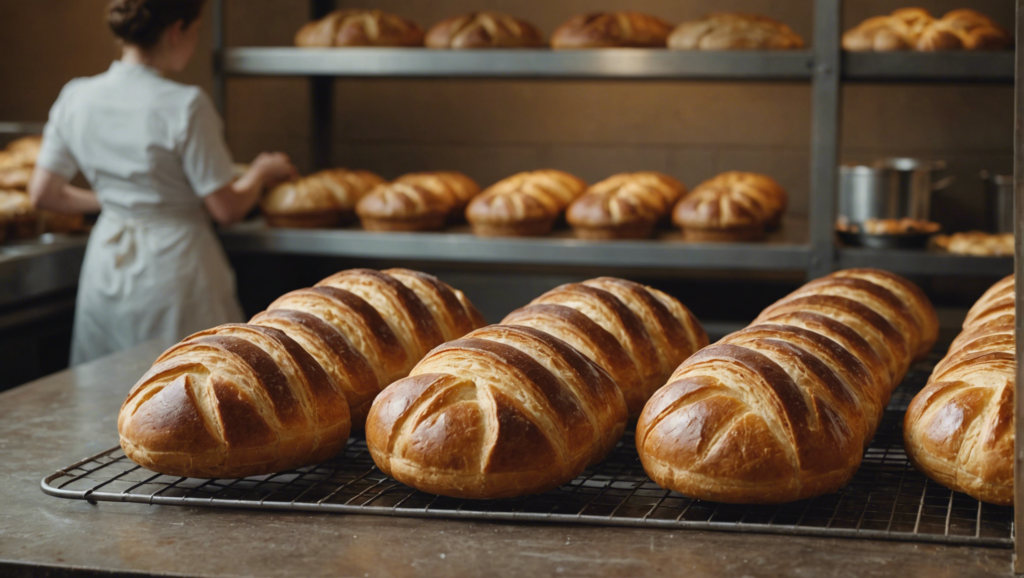
In this article, we explore techniques and tips for diversifying the shapes of your artisan breads, thereby enriching the aesthetic and appeal of your baking creations. From elegant twisting to meticulous sculpting, discover how to transform simple dough into edible works of art that captivate both the eyes and taste buds.
The importance of creativity in artisanal baking
The Role of Creativity in the Promotion of Bakery Products
In a profession as traditional as baking, creativity plays a crucial role in standing out and capturing consumer interest. Indeed, innovation in the creation of new recipes or the reinvention of classics allows bakers to offer a unique and personalized taste experience. This involves exploring various flours, incorporating atypical ingredients, and experimenting with different fermentation and baking techniques.
Creativity in baking is not just limited to finished products. It also extends to manufacturing processes, where the adoption of specific kneading techniques and the use of natural leaveners can greatly affect the texture, taste and preservation of bread.
Impact of Creativity on Customer Perception and Loyalty
Differentiation through the creation of unique products is not only a matter of know-how, but also a powerful marketing tool. Customers are more likely to come back and talk about a bakery when it offers them an experience that’s out of the ordinary, whether through taste, appearance or the stories behind the breads and pastries.
By personalizing products and emphasizing their artisanal character, bakers can strengthen customers’ emotional attachment to their products. Additionally, sharing these original creations on social media can significantly increase a bakery’s visibility and appeal.
Techniques and Approaches to Stimulate Creativity in Baking
To encourage innovation, it is essential to stay informed of the latest trends and techniques in baking. This might include attending workshops, collaborating with other artisans, or even exploring other culinary cultures to inspire new creations.
The use of new tools and technologies can also play a key role in product development. For example, the use of temperature-controlled ovens allows more precise baking, directly influencing the taste and textural qualities of the bread.
Finally, customer feedback is vital. It helps to understand their preferences and adjust products accordingly. Organizing regular tastings or participatory workshops can provide valuable insights while strengthening customer relations.
FAQs
1. What are the atypical ingredients that can be integrated into artisanal baking to renew the offering?
– Ingredients such as alternative flours (chestnut, rice, chickpea), spices (turmeric, smoked paprika), or even incorporations such as dried fruits, nuts or seeds, can create a range of distinctive products.
2. How to measure the impact of creativity on bakery sales?
– Impact can be assessed through increased sales of new products, customer comments and interactions on social media, as well as the media interest these products can generate.
3. What are the advantages of using natural leavens in the creative process?
– Natural leaveners not only improve the flavor profile of bread, but also contribute to better digestibility and longer shelf life of the final product, thus adding significant added value to bakery creations.
Articles sur le même Sujet

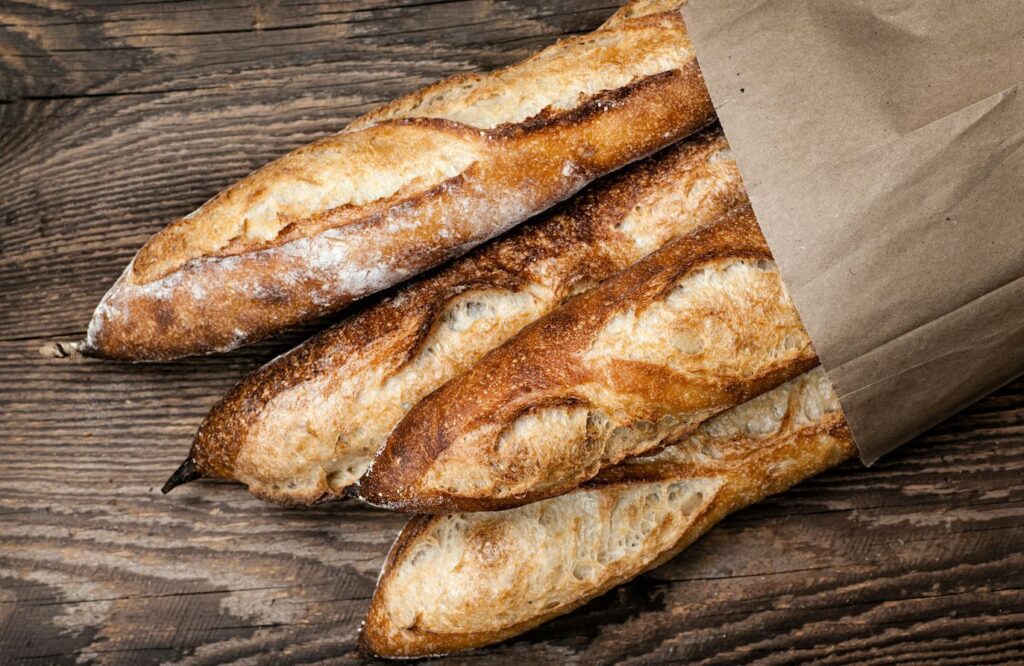
Shaping techniques to diversify your breads
The Fundamentals of Bread Making
The diversification of breads in a bakery invariably begins with mastering the shaping techniques. Each type of bread requires a specific method that influences the texture, shape and taste of the final product. Understanding the various techniques allows bakers to create breads that are not only delicious but also visually appealing.
Manual shaping remains an essential skill in the bakery craft. This approach allows precise control of the final shape of the bread while preserving the structure of the gas trapped in the dough, which is crucial for good bread rising.
Exploration of Specific Shaping Techniques
Various shaping techniques can be used to enrich the bread offering. Among them, the twist and the folding are particularly popular. Twisting involves twisting two long pieces of dough together to create breads such as twisted bread or bastard. Folding, on the other hand, involves folding the dough onto itself several times, which is often used for breads like ciabatta or country bread.
THE work, which involves rolling the dough into tight balls, is ideal for small round loaves or bread balls, while the cob shaping is perfect for breads that require a crispy crust with an airy crumb.
Use of Bakery Equipment for Shaping
Using appropriate tools and equipment can greatly facilitate the shaping process and improve the consistency of finished products. THE rolling mills are crucial for evenly flattening the dough, while the dough cutter allow you to precisely cut portions without damaging the structure of the dough.
THE bannetons and the linen fabrics are also essential for supporting dough during rising and fermentation, ensuring optimal shape and desired texture. The quality of the equipment used, from the simple spatula to the kneading robot, directly impacts the quality of the final bread.
FAQs
- How important is resting time in bread shaping?
The resting time allows the dough to relax, making shaping easier. It also helps develop the flavor and texture of the bread. - Can we combine different shaping techniques for a single type of bread?
Absolutely. Combining different shapes can enrich the texture and shape of the bread, making it unique and attractive. - How to ensure that bread does not lose its shape during baking?
The correct use of bannetons and good scoring (incisions on the dough) are essential to maintain the shape of the bread during baking.
Articles sur le même Sujet
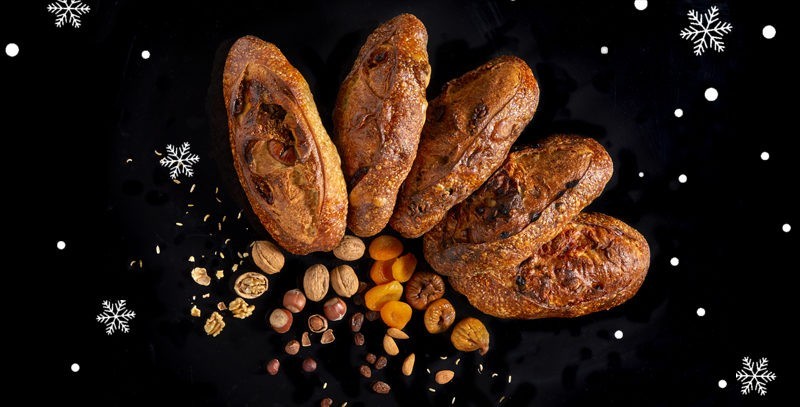
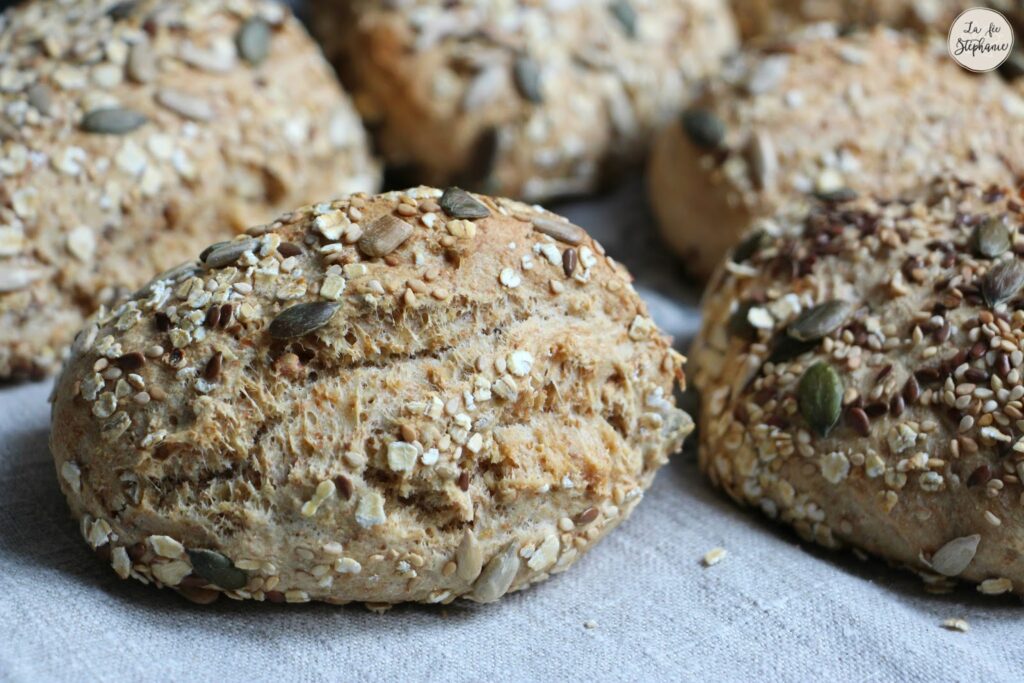
Explore different types of flour and their impact on shape
Flour Typologies and Their Taste Implications
In the universe of flours, each type has its specificities which significantly influence the taste, texture and nutritional quality of breads and pastries. Flours are classified mainly according to their protein content, a determining element for the formation of gluten.
There all-purpose wheat flour, for example, is suitable for a wide range of baked goods thanks to its balance between softness and firmness. It contains a protein level which generally ranges between 9% and 11%, ideal for homemade breads and common pastries.
There durum wheat flour, with a higher level of protein (around 12% to 14%), is preferable for pastas and certain breads requiring a more robust texture.
Other types like Rye flour, there kamut flour and the Spelt flour are sought after for their nutritional qualities and distinct flavor profiles, often used in specialty and health bread recipes.
The Subtleties of Choosing Flour for Leavening and Kneading Techniques
The choice of flour is crucial in baking techniques. kneading and of Natural leaven. Flour with a high gluten content promotes dough elasticity and the ability to retain gases produced by yeast, leading to a more leavened and airy bread.
In slow, prolonged kneading methods, such as shaping fermented doughs or sourdough bread, the use of flours high in gluten can result in a dough that is too elastic and difficult to handle. Here, a flour with a more moderate strength index may be preferred, such as all-purpose wheat flour or the soft wheat flour.
On the other hand, for techniques requiring speed and lightness, such as certain pastries, opt for a type 45 flour guarantees softness and finesse to the finished product.
Incorporation of Alternative Flours for Innovative Recipes
The use of alternative flours in the contemporary bakery allows not only to vary the taste pleasures but also to enrich the nutritional intake. There coconut flour, there almond flour, and the Chestnut flour are popular options for their unique flavors and health benefits.
Coconut flour, rich in fiber and low in carbohydrates, is ideal for recipes requiring lightness, although it requires greater hydration. Almond flour, with its slightly sweet taste, is perfect for desserts and fine pastries.
For lovers of breads with a rustic accent, incorporating flours like chestnut flour enriches traditional recipes with woody notes and soft textures, while bringing touches of originality.
FAQ:
- Which flour is best suited for making crusty bread? For crispy, airy bread, choose durum wheat flour or type 55 flour, known for its ability to develop a good gluten network.
- Can you mix different flours to make bread? Absolutely, mixing different types of flours can not only adjust the texture and density of your bread, but also enrich the taste and nutritional profile.
- Can gluten-free flours be used in all traditional bread recipes? Gluten-free flours often require adjustments in terms of liquids and binders. They are best used in recipes specially adapted to meet their unique characteristics.
Articles sur le même Sujet
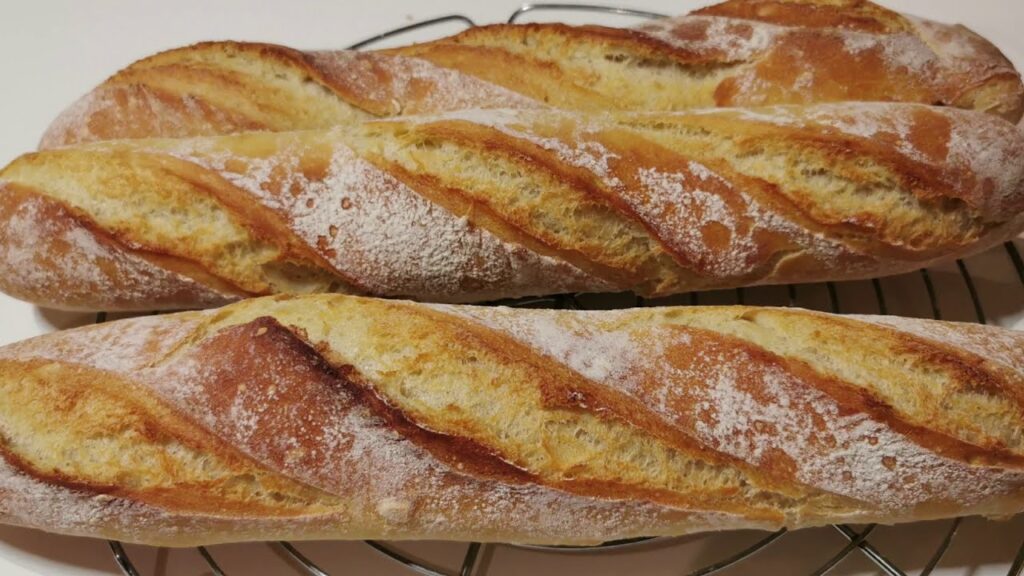
Impact of hydration on bread texture and shape
Importance of water in bread making
Dough hydration plays a crucial role in breadmaking. The amount of water added not only influences the texture but also the shape finish of the bread. An adequate hydration level allows for the effective activation of yeast and the formation of an optimal gluten network, essential for bread texture.
Role of water in gluten development
Water acts as a catalyst in the formation of gluten, a key protein for the structure of bread. The higher the hydration level, the more the gluten can stretch and create an airy, light crumb structure. On the other hand, a reduced amount of water can lead to a denser and heavier bread.
Influence of hydration on the shape of the bread
A high hydration level makes the dough more fluid and less workable, which can affect the final shape of the bread. Specific shaping and cooking techniques are necessary to master high hydration doughs. Conversely, lower hydration makes shaping easier but can limit the final volume of the loaf.
Hydration Adjustment Techniques
- Evaluate flour quality: Different flours absorb water differently.
- Adapt according to the type of bread desired: Breads like ciabatta require higher hydration.
- Use a precision scale to measure the water and flour.
Impact on sensory properties and conservation
A good hydration balance positively affects the softness, flavor and durability of bread. Properly hydrated bread tends to retain its freshness longer, thanks to the retention of moisture in the crumb.
FAQ:
What is the ideal hydration level for crusty bread?
For a crusty bread like a baguette, a hydration level around 60% is generally recommended.
How to correct overly hydrated dough?
You can gradually add flour until you reach the desired consistency, being careful not to overwork the dough.
Is it possible to make bread with 100% hydration?
Yes, some ciabatta or focaccia recipes can achieve this level of hydration, but they require specialized handling and cooking techniques.
Articles sur le même Sujet

Use of original molds for unique breads
Getting started in creative baking with original molds
Baking is an art that relies not only on the mastery of traditional techniques but also on constant innovation. The use of original molds offers bakers the opportunity to transform a simple loaf into a work of art. This creative approach can increase the visual appeal of the bread while preserving its authentic taste.
Choosing the right type of mold
Choosing the appropriate mold is crucial to successfully baking bread while adding a touch of originality. Silicone molds, for example, allow a wide variety of shapes and are practical thanks to their non-stick property. Cast iron pans, on the other hand, are excellent for even baking, ideal for thick-crusted breads.
It is important to consider the material of the mold, its ability to conduct heat and its ease of unmolding to guarantee optimal results each time you bake.
Incorporation of techniques and flavors
When using innovative molds, the customization possibilities are not limited to the shape. Varying recipes by incorporating ingredients like herbs, seeds or dried fruits can enrich the texture and taste of the bread. Additionally, adaptation of kneading and rising techniques may be necessary to ensure that the dough fills the mold well and maintains a consistent texture.
Inspiring recipe examples
- Turmeric star bread: Use a star mold and incorporate turmeric into the dough for a tasty and visually appealing French toast.
- Olive wreath: Choose a crown-shaped mold and add sliced black and green olives for a very Mediterranean result.
- Honey and nut ball: For a soft and crusty bread, use a classic round mold by adding honey and crushed nuts to your dough.
FAQs
Can any type of dough be used in original molds?
The majority of bread doughs can be adapted to original molds, but it is important to consider the consistency of the dough. Doughs that are too liquid or too rigid will not be able to take the shape of the mold correctly.
Do cooking times vary with unconventional pans?
Yes, depending on the material and shape of the pan, the baking time may need adjustments. Metal molds, for example, conduct heat differently than silicone molds.
How to maintain molds to ensure their longevity?
It is essential to follow the manufacturer’s instructions regarding cleaning and storing molds. Avoiding scratches with metal utensils and preferring hand washing for silicone molds can prolong their usefulness.
International inspiration for innovative bread shapes
The Art of French Bread: The Baguette and Beyond
There baguette, a symbol of French cuisine, is much more than just bread. Its crispy crust and airy crumb are the result of a slow fermentation and precise cooking process. Budding bakers can innovate by incorporating local ingredients like nuts or olives to enrich the taste and texture of this classic.
The Robust Flavors of German Breads
German breads, known for their density and richness in multiple grains, provide an excellent basis for innovation in baking. THE Pumpernickel, with its famous dark color and strong taste, can be revisited by incorporating dried fruits or spices such as cinnamon and star anise for a modern touch.
San Francisco Sourdough Bread
THE Sourdough bread is famous for its crackly crust and distinctly sour taste. Baking enthusiasts can experiment with different hydrations and fermentation periods to change texture and flavor intensity, creating unique versions that reflect personal or regional preferences.
Scandinavian Breads: Knäckebröd
Knäckebröd, or Scandinavian crunchy bread, is traditionally made from rye. For a contemporary variation, you can add flax seeds, sunflower seeds, or even oat flakes to increase its nutritional profile while maintaining its characteristic texture.
Middle Eastern Flatbreads
THE flatbreads such as pita bread or lavash are perfect for toppings and spreads. Incorporating fresh herbs or spices like za’atar can transform these breads into culinary canvases for diverse and vibrant gastronomic creations.
FAQ about International Bread Recipes
Q: How to choose the appropriate flour type for different international breads?
A: Selecting the right flour depends on the type of bread you want to create. For light breads like baguettes, type 55 flour is ideal. For denser breads like German breads, opt for wholemeal or rye flour.
Q: What adjustments need to be made to successfully make sourdough bread in a colder climate?
A: In cold climates, it is crucial to increase the fermentation time to allow the yeast to work efficiently. You may also consider using a slightly heated or insulated area to keep the fermentation temperature constant.
Q: Can liquid ingredients like fruit purees be incorporated into bread dough?
A: Yes, it is possible to incorporate liquid ingredients into bread dough. However, you will need to adjust the quantities of flour and liquid to maintain the desired consistency of the dough.