


How to obtain a perfect texture in your rye breads?
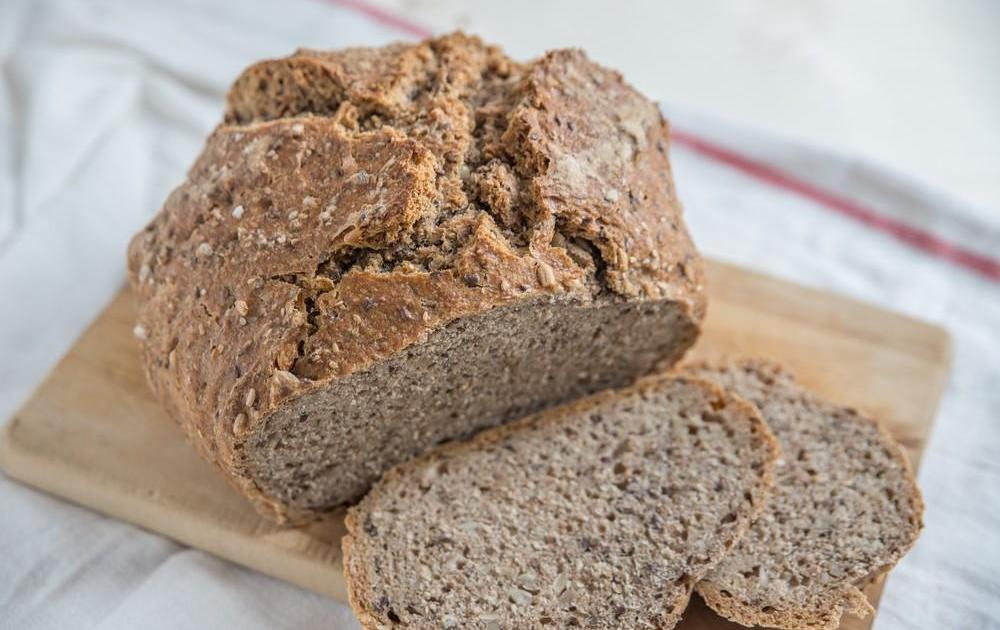

In this article, we explore the fundamental methods and techniques for mastering the texture of your rye breads. Discover how the choice of ingredients, precise proportions and kneading methods influence the crumb and crust of your breads. Whether you’re an amateur baker or a professional, these tips will guide you to perfection in every batch.
Choosing ingredients for ideal rye bread
THE rye is a robust grain that gives bread a dense texture and distinctive taste. To achieve a Rye bread ideal, the choice of ingredients is essential. This starts by selecting quality rye, the grind and properties of which will significantly influence the texture and taste of the final bread.
Flours and their specificities
The basis of all rye bread lies in the quality of the flour. It is recommended to use wholemeal or wholemeal rye flour for a richer fiber intake. Rye flour can be combined with wheat flour to lighten the texture of bread, a common practice to balance the density of rye. Be careful when choosing wheat flour: flour that is too rich in gluten can make the bread too elastic, which is less desirable for authentic rye bread.
Natural sourdough versus yeast
The use of Natural leaven is often favored for rye bread, allowing not only to develop a better aromatic profile, but also to improve the preservation of the bread. Sourdough provides a characteristic acidity which is very appreciated in rye breads. Alternatively, yeast can be used, but it will need to be dosed carefully so as not to overpower the typical flavors of rye with an overly pronounced yeast taste.
Importance of hydration
L’hydration of rye bread dough is crucial, as it affects both the workability of the dough and the texture of the finished product. Hydration around 75% to 80% is ideal for rye bread to develop a soft texture with a sufficiently crispy crust. It is important to note that rye absorbs more water than wheat, thus requiring an adjustment in liquid proportions.
Choice of additives and additional grains
Integrate whole grains like sunflower seeds, walnuts, or even other types of seeds like flax can enrich the flavor and texture of rye bread. These additives provide crunchy notes and increased nutritional value. However, avoid overloading with additives which could weigh down the dough, negatively impacting the rising of the bread.
FAQs
What is the difference between wholemeal rye flour and white rye flour?
Whole rye flour is milled with the whole grain, thus containing more fiber, minerals and vitamins. White rye flour, on the other hand, is refined, with only the central kernel of the grain retained, giving it a finer texture and lighter color.
Can you make 100% rye bread without wheat flour?
Yes, it is entirely possible to prepare bread with 100% rye flour. However, the result will generally be denser and less chewy. Proper fermentation and handling technique is necessary to maximize bread rise and texture.
How to store rye bread to prolong its freshness?
Rye bread keeps very well thanks to the natural acid in the leaven which delays staling. To store it, wrap it in a cotton cloth or in a paper bread bag. Avoid airtight containers which trap moisture and can make the crust soft.
Articles sur le même Sujet
Understand the importance of dough hydration
The role of hydration in bread quality
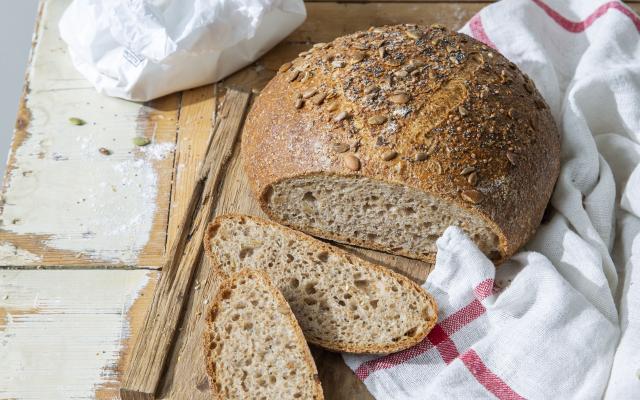
Hydrating bread dough is a key element in obtaining a optimal texture. When the water content is increased, the dough becomes softer and easier to handle, which directly influences the honeycomb structure of the final bread. A high hydration rate allows the dough to develop a thin, crispy crust, while the interior remains light and airy.
Influence of hydration rate on kneading and fermentation
The kneading process is essential for the development of gluten, which is the protein network responsible for holding the dough together. Adequate hydration is crucial to allow gluten proteins to hydrate properly, maximizing their ability to form a strong network. Furthermore, a good level of hydration promotes efficient fermentation, giving the yeast an ideal humid environment for its activity. This results in a more puffy dough and better rising of the bread.
Optimization of hydration based on flour types
Different types of flour absorb water differently. Whole wheat flour, for example, requires a higher hydration rate due to its fiber and water-retaining nutrient content. It is essential to adjust hydration level depending on the type of flour used to maintain the desired consistency of the dough and avoid hard or excessively dense end products.
Effects of hydration on final bread characteristics
Controlled hydration has a notable impact on the organoleptic properties of bread, in particular its flavor and its texture. Properly hydrated bread provides a more tender crumb and improved taste experience because water acts as a flavor conductor and allows for better gelatinization of starches during baking.
Dough Hydration FAQ
- What is the recommended hydration level for classic bread? The ideal hydration rate for classic bread generally varies between 60% and 70%. This percentage may increase for more specialized pastas like ciabatta.
- How to accurately measure the hydration of dough? To measure hydration, divide the weight of water by the weight of flour and multiply the result by 100 to get a percentage. This calculation ensures the consistency of the results.
- Can we adjust the hydration during kneading? It is possible to adjust hydration by gradually adding water during kneading, especially if the dough seems too dry. This technique, however, requires some experience so as not to alter the structure of the gluten.
Articles sur le même Sujet


Control of fermentation to develop aromas
Understanding Bakery Fermentation
Fermentation is an essential biological process in baking to improve the flavors, texture and preservation of breads. It is the conversion of sugar present in flour into carbon dioxide and alcohol by yeasts and bacteria. This complex phenomenon has a direct impact on the formation of the loaf and its final aromatic profile.
Yeasts, mainly Saccharomyces cerevisiae, are the most commonly used leavening agents. They consume simple sugars and release carbon dioxide which makes the dough rise, as well as compounds which contribute to the aromas of the bread. Managing fermentation correctly can significantly improve the taste and texture of baked goods.
Fermentation Control Techniques
Temperature and time are key factors in controlling fermentation. Too high a temperature speeds up the process, but can lead to insufficient flavor development, while too low a temperature slows it down, allowing better flavor formation but potentially making the process impractical in terms of production time.
- Temperature control: Maintaining an optimal temperature between 24°C and 28°C is crucial for a perfect balance between yeast activity and aromatic development.
- Management of time: The duration of fermentation must be adjusted according to the type of bread and the desired characteristics. A long fermentation promotes the complexity of flavors.
- Hydration of the dough: The hydration rate influences the mobility of yeasts and the availability of sugars. A more hydrated dough facilitates more active fermentation.
Role of Natural Leavens
The use of natural leavens is a traditional method enriching the aromas of bread. These sourdoughs contain a multitude of yeasts and lactic bacteria which produce not only carbon dioxide for leavening but also organic acids which strengthen the aromas and improve the preservation of the bread. Each sourdough has a unique profile that can be cultivated and adapted to further diversify the flavors of breads.
Working with sourdoughs requires a precise understanding of their behavior and requires careful management of the flour/water ratio, temperature and resting time. These parameters must be adjusted regularly to maintain active and effective sourdough.
Impact of Fermentation on Bread Quality
Controlling fermentation profoundly influences the quality of bread. Not only she develops aromas, but it also affects the structure of the loaf. A good fermentation process ensures a honeycombed crumb and a crispy crust, distinctive signs of quality bread. Additionally, proper fermentation can reduce some undesirable components naturally found in flour, such as phytate, thereby improving the nutritional value of bread.
Bakery Fermentation FAQ
How important is temperature in the fermentation process?
Temperature controls the rate of yeast fermentation and the production of aromatic compounds. Precise management is necessary to optimize the taste and texture of the bread.
How does fermentation time affect bread quality?
A longer fermentation time allows for richer and more complex flavor development. It also contributes to a better structure and preservation of bread.
How do natural sourdoughs differ from commercial yeast?
Natural leaveners include an ecosystem of microorganisms that enrich bread with a wider range of flavors and improve digestibility, unlike commercial yeast which provides rapid and predictable leavening.
Articles sur le même Sujet

Rye-Specific Kneading Techniques
Understanding the particularities of rye
Rye, unlike traditional wheat, has a unique composition that directly influences kneading techniques and the final result of the bread. It is rich in pentosans, sugar polymers that absorb a lot of water and make the dough more sticky and less elastic. This characteristic requires an adapted approach during kneading to optimize the texture and promote the formation of a well-aerated crumb and a distinct crust.
Kneading optimization for rye
To knead rye dough effectively, hydration plays a crucial role. A high hydration level is recommended, often between 75% and 85%, because it compensates for the low capacity of rye to form gluten. Kneading should be moderate to avoid tearing the fragile gluten networks, which could result in a loaf that is too dense. Using a mixer at low speed allows you to gradually develop the structure while incorporating enough air.
When it comes to kneading time, less is often more with rye. A duration of 10 to 15 minutes is generally sufficient to obtain a homogeneous dough without overloading the delicate structure of the gluten. This technique helps maintain the integrity of the pentosans and prevents excessive gas production, a key factor for better leavening.
Specific techniques to adopt
- Autolysis: Before kneading, mix the rye flour and water and let sit for at least 20 minutes. This allows the enzymes to start working, making the dough more pliable and less sticky.
- Fractional kneading: To avoid overworking the dough, knead intermittently. Kneading for 5 minutes, letting it rest for 5 minutes and then kneading again can improve the structure without breaking it.
- Use of sourdough: Incorporating an active sourdough starter can not only add flavor but also improve the texture of the dough, by introducing lactic acid bacteria which positively changes the consistency of the rye dough.
FAQs
What is the best hydration level for rye dough?
A hydration level between 75% and 85% is ideal for rye flour, as it helps manage its sticky texture and promote better rising.
Kneading rye dough should generally take between 10 and 15 minutes. Kneading for too long can negatively affect the structure of the bread.
Yes, it is preferable to use slightly lukewarm water, especially when incorporating the sourdough, to optimally activate the yeasts and lactic acid bacteria.
Articles sur le même Sujet

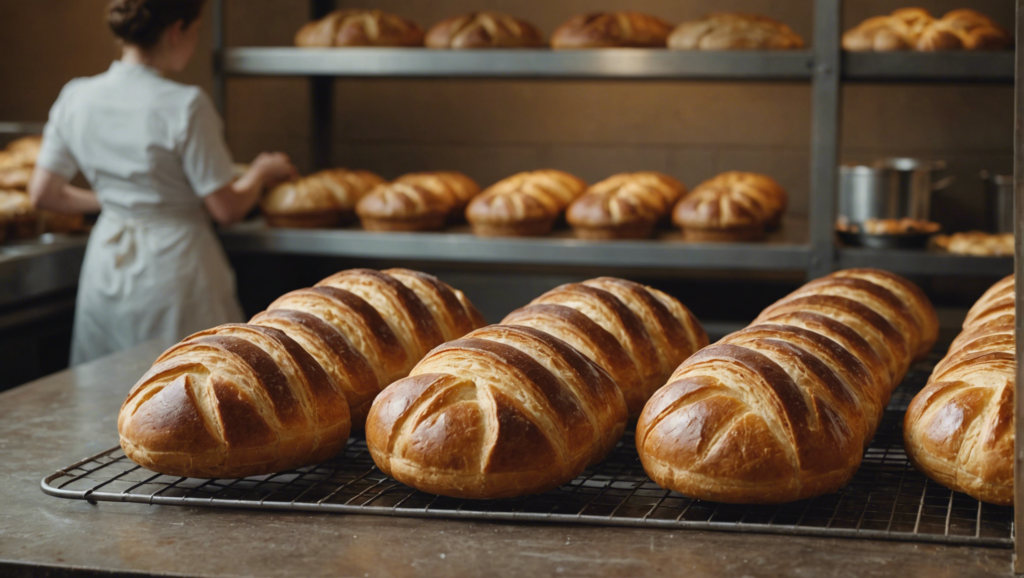
Cooking: temperature and time for a perfect crust
Understanding Crust Texture
To get a crust perfect on a bread, it is essential to control the development of the texture. There texture of bread crust is mainly influenced by the proportion of flour and water in the dough, as well as the kneading method. Effective kneading ensures even distribution of proteins and carbohydrates, contributing to the formation of gluten, which is crucial for the final texture.
The desired texture is often characterized by a crispy crust on the outside while maintaining a soft crumb. To achieve this, the use of a high protein flour may be recommended, as it promotes better gluten structure.
Roles of Cooking and Temperature
The precise control of the cooking and some temperature is vital to achieve a flawless crust. The optimal temperature for baking most breads is between 220°C and 250°C. At this range, the Maillard reaction occurs effectively, giving the crust its characteristic golden color and richer taste.
It is also important to preheat the oven correctly to ensure even cooking from the first few minutes. Introducing steam at the start of baking can also help achieve a nicely browned and crispy crust by allowing the surface of the bread to remain elastic for longer, thus promoting the expansion of the dough.
Influence of Cooking Time
THE cooking time, in addition to temperature, plays a crucial role in the quality of the crust. Insufficient time can lead to a pale, undercooked crust, while excessive time can burn the crust and alter the delicate flavors of the bread. The ideal time varies depending on the type and size of loaf, but a general average is 20 to 35 minutes for most standard loaves.
For thicker breads or those containing moist ingredients like fruit, adjusting the baking time may be necessary to ensure the core of the bread is cooked through without compromising the quality of the crust.
- Maintain a balance between temperature and cooking time.
- Monitor the color and texture of the crust throughout baking.
- Use a cooking thermometer to test for complete doneness.
FAQs
What is the ideal temperature to bake bread with a crispy crust?
The ideal temperature for baking most types of bread varies between 220°C and 250°C, depending on the recipe and the type of oven used.
How long should you bake a loaf to get a perfect crust?
Baking time varies depending on the type and size of the loaf, but is generally between 20 and 35 minutes for standard loaves.
How to use steam when baking bread?
To incorporate steam when cooking, pour a small amount of hot water into a broiling pan placed at the bottom of the oven at the start of cooking, or use an oven with a steam function if available.
Tips for Keeping Rye Bread Fresh and Textured
Proper Storage Techniques for Rye Bread
One of the first considerations for preserving the integrity of the Rye bread is here preservation method. It is essential to avoid exposure to air, which accelerates the process of going rancid and drying. Storing bread in a cool, dry place, away from heat and humidity, is essential to maintain its freshness and his texture.
An effective technique is to use a cloth bag specially designed for bread which helps regulate humidity while protecting the bread from the ambient air. Alternatively, wrapping the bread in a clean kitchen towel can also help retain its crisp texture without drying it out.
Optimal Use of the Fridge and Freezer
The refrigerator may seem like a good option for extending the life of bread, but it is generally advisable to avoid it for Rye bread. Refrigerating can dehydrate bread and affect its texture, making it rubbery quickly.
For long-term storage, freezing is a more viable alternative. Freeze it Rye bread immediately after purchase or preparation can keep it fresh for several months. It is crucial to wrap the bread well in plastic wrap or an airtight freezer bag to avoid freezer burn and preserve the qualities of the bread. When defrosting, letting the bread come to room temperature slowly helps maintain its original texture.
Reheating Techniques to Restore Texture
Reheat the Rye bread can revive the crust and restore body to the crumb. A traditional oven is better for reheating bread than the microwave, which can make it soft and rubbery. Placing it in a preheated oven at 180°C for around 10 minutes can help restore its crispy texture. Wrapping bread in aluminum foil can prevent it from drying out during reheating.
If you prefer to use a toaster, slice the Rye bread before freezing it will allow you to reheat it slice by slice, which is practical and avoids food waste.
FAQs
1. How do I know if my rye bread is still good to eat?
Rye bread that begins to harden or develop a sour smell may indicate that it is no longer optimal for consumption. The presence of mold is also a clear indicator that the bread should be thrown away.
Yes, freezing sliced rye bread is a great way to preserve its freshness. Make sure to wrap each slice separately or use baking paper to prevent the slices from sticking together.
It is generally not recommended to store rye bread in the refrigerator to prevent it from becoming rubbery. However, if you must store it there, make sure to place it in an airtight bag to minimize air exchange and maintain its texture as best as possible.