


How to choose the best flour for your bread?


Choosing the right flour is essential to making your bread a success, giving it the desired texture, taste and nutritional quality. In this article, we’ll explore the different types of flours available and discuss the criteria to consider when selecting the perfect one for your baking needs, transforming each batch into a work of culinary art.
Understanding the Differences Between Flour Types
The Basics of Flour Types
There flour is an essential component in the field of baking and pastry. It is obtained by grinding cereal grains or other plant products. The type of grain used as well as the degree of grinding directly influences the characteristics of the flour produced.
Flours can be classified according to several criteria such as grain type (wheat, rye, spelled, etc.), the level of refinement, and the gluten content. These characteristics directly impact the texture, flavor and ability of flour to rise when mixed with other ingredients.
Classification of Flours by Grain Type
The type of grain is a fundamental factor in the classification of flours. The flour of wheat is the most widespread in the culinary industry since it contains an optimal level of gluten for most bread and pastry preparations.
- Rye flour : Less rich in gluten, ideal for rye bread.
- Spelt flour : Ancestor of wheat, it is appreciated for its slightly sweet taste.
- Corn flour : Gluten-free, used for specific recipes such as polenta or certain breads.
Impact of Ash Rate and Refinement
THE ash rate is an indicator of the amount of minerals remaining in the flour after milling. Flour with a high ash level is generally less refined, retaining more elements of the original grain, which influences its color and nutritional value.
Flour can also be classified according to its degree of refinement:
- Integral flour : Uses the whole grain, rich in fiber and nutrients.
- White flour : Refined, with fewer fibers but often favored for its light texture.
Choosing the Right Flour for Your Recipes
Depending on the type of recipe you wish to make, the selection of the flour appropriate is crucial. For leavened doughs like breads and pizzas, flour rich in gluten is recommended. However, for delicate preparations such as cakes and fine pastries, flour with a low gluten content is preferable in order to obtain a lighter and airier texture.
Flour FAQ
What flour should I use to make bread?
T55 or T65 wheat flour is generally used for making bread, thanks to its balanced gluten content.
Are all flours compatible with gluten-free diets?
No, wheat, rye and spelled flours contain gluten. For a gluten-free diet, choose corn flour, rice flour or other special gluten-free flours.
How to store flour to maintain its freshness?
To keep flour fresh, store it in an airtight container away from light, humidity and high temperatures.
Articles sur le même Sujet

The importance of gluten in bread making
THE gluten is an essential component in bread making, playing a crucial role in the structure and final quality of the product. Consisting of a mixture of proteins found in wheat and other grains, gluten contributes to the elastic and airy texture of bread.
Composition and Functioning of Gluten
Gluten is mainly made up of two proteins: gliadin and glutenin. These proteins have the ability to form an elastic network when mixed with water and kneaded. This network of elastic proteins is able to retain the gases produced by the yeast during fermentation, allowing the bread to rise and develop its characteristic texture.
Role of Gluten in Bread Quality
The quantity and quality of gluten in flour can greatly influence bread characteristics such as volume, texture and even durability. A high gluten level promotes a more elastic crumb and a crispier crust, aspects often sought in products such as baguettes or rustic breads.
On the other hand, a low gluten level may be desired for denser and more compact breads, typical of certain regional specialties or wholemeal breads.
Fermentation and its Impact on Gluten
Fermentation plays a significant role in the development of gluten. The enzymes activated during this process change the structure of gluten, making it softer and less strong. This phenomenon is crucial to obtain an airy and light crumb. There management of time fermentation and ambient temperature are key factors in controlling gluten characteristics and, by extension, bread texture.
By adopting specific techniques such as slow kneading or the use of natural leaveners, bakers can influence gluten formation to achieve specific characteristics in the finished bread.
FAQ about Gluten in Bread Making
- What are the effects of low gluten flour on bread?
Low-gluten flours tend to produce breads with a denser, less elastic crumb, preferable for specific recipes such as certain flat or specialty breads. - Can you make gluten-free bread?
Yes, there are gluten-free alternatives that use other types of flours and binders, such as rice, corn or chickpea flour, combined with gums (xanthan, guar) to mimic the properties of gluten. - Is there a method to increase the gluten content of flour?
To increase the gluten content, pure gluten powder can be added to the flour or mixed low gluten flours with high gluten flours to balance the properties.
Articles sur le même Sujet
How Grain Origin Affects Your Flour Choice
Impact of grain origin on flour properties
The quality of the flour is essential for the success of bakery and pastry products. One of the important variables to consider is the origin of the grain, which plays a crucial role in the organoleptic and technical characteristics of the final product. Depending on the region and growing conditions (climate, soil, and agricultural techniques), the grain can develop distinct properties, influencing protein content, gluten elasticity, and fermentation capacity.
Flours made from grains grown in temperate regions, for example, tend to have a slightly higher protein level, which is ideal for breads and pastries requiring high leavening capacity. Conversely, grains from warmer regions can result in flour with less resilient proteins, better suited for fine pastries and biscuits.
Territorial influence and choice of flour
The concept of terroir, widely recognized in the world of wine, is also applicable to grains intended for flour production. Terroir encompasses not only the climate and soil, but also the specific growing techniques and agricultural history of a region. Variations in these factors can affect the taste, texture and color of the flour. For example, durum wheat raised at altitude often has a grainier texture and more golden color, which can enrich the appearance and flavor of finished products.
This phenomenon can be particularly noticeable for fans of “homemade” or artisanal baking, where the authenticity of ingredients is often sought for superior quality and flavor.
Practical considerations for selecting flour according to its origin
The selection of flour based on the origin of the grain is not limited to taste and structural criteria. Availability, cost, and sustainable practices must also be taken into account. Local flours, for example, can reduce the carbon footprint from transportation and support rural economies, while providing unrivaled freshness.
Bakers and pastry chefs must also take into account the regularity of the quality of the harvests, which can vary from one season to another and from one region to another. It is therefore crucial to establish reliable relationships with suppliers to ensure consistency in the quality of the flour used.
FAQs
- How do I identify the flour best suited to my needs?
It is recommended to consult the manufacturer’s specifications regarding protein content, gluten elasticity and usage recommendations. Baking tests can also help evaluate flour performance for specific applications. - Is there certification for flours made from premium or special quality grains?
Certain certifications, such as the AOC or BIO labels, can indicate that the flour comes from grains grown to high quality standards and sustainably. - Can you really feel the difference in the finished product by choosing flour from a specific region?
Yes, especially in products where flour is the main ingredient, such as bread or certain pastries. The origin of the grain can provide subtle nuances that enrich the flavor profile and improve the texture.
Articles sur le même Sujet

Analyze the grind: fine, medium or coarse?
The quality of flour is crucial for the success of baking and pastry recipes. Professionals know well the importance of choosing the right grind of flour, which varies depending on the fineness of the grains. This particle size affects not only the texture of the final product, but also the behavior of the flour during mixing and fermentation.
Importance of grind size in culinary preparations
Flour particle size influences many aspects of food preparation, including liquid absorption, gluten development, and fermentation. A grind fine provides a larger surface area for interaction with water and yeast, which is ideal for thin doughs and light cakes. Conversely, a flour rude is often preferred for recipes requiring more structure and a more rustic texture, such as certain types of bread or pizza.
Characteristics of different flour grinds
- Fine flour: It is generally used for cakes, fine pastries and certain bread doughs which require a soft and uniform texture. Its fine grain size allows rapid and even rising.
- Medium flour: Offering a balance between fine and coarse, it is versatile and can be used in a variety of recipes. It is thin enough for cakes while being sturdy enough for breads.
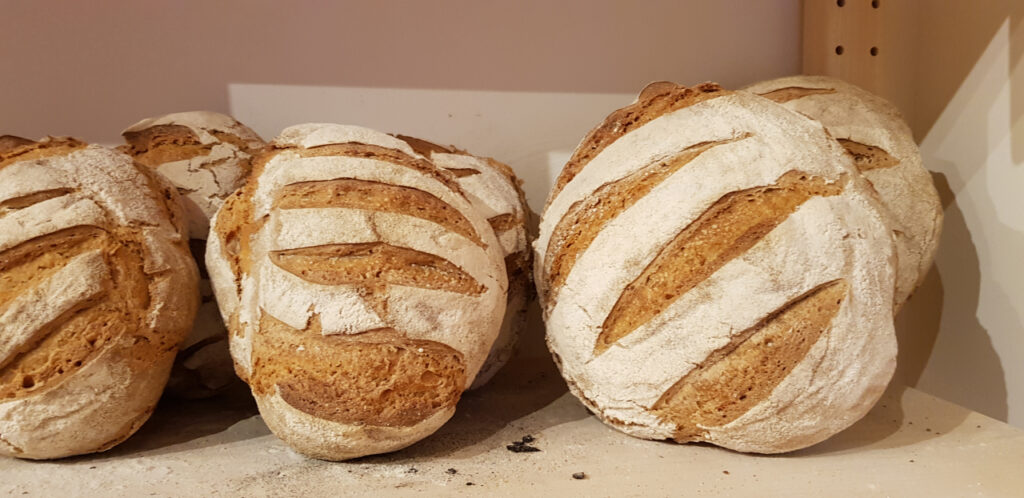
- Coarse flour: Excellent for rustic breads and certain types of biscuits. It gives a denser texture and a more artisanal appearance to the finished products.
Choosing the right grind for your culinary creations
Grind selection largely depends on the type of product you want to create. For bakeries looking to produce a variety of products, having multiple types of flour on hand is essential. Particle size control can also play a role in adapting traditional recipes to modern flavors and textures. Artisan bakers will often mix different grinds to achieve a specific result, experimenting with ratios to perfect their creations.
FAQs
What grind is recommended for a brioche?
For a brioche, a finely ground flour is often preferred because it produces a light, airy texture, essential for this type of pastry.
Can you mix flours of different grinds to make bread?
Yes, mixing flours of different grain sizes can help adjust the texture and density of bread, allowing customization according to preferences and recipe specifics.
Does grinding flour affect cooking time?
Yes, grind size can influence cooking time. Finer flour can speed up the baking process because of its ability to absorb moisture more quickly.
Articles sur le même Sujet


The impact of organic flour on bread quality
The characteristics of organic flour
Flour biological stands out mainly for its production method which excludes the use of chemicals such as fertilizers, pesticides and insecticides. This is a crucial aspect because it affects not only the purity of the grain, but also its nutritional and taste properties. Organic grains tend to be grown in well-balanced, healthy soils, which influences the quality of the flour.
Given the growing popularity of organic, this type of flour offers a rich composition in minerals and vitamins. Its higher antioxidant content compared to its non-organic counterparts supports better overall health. This point is essential for the baker looking not only for flavor but also for nutritional benefits.
Breadmaking techniques with organic flour
Handling organic flour often requires adjusting kneading and fermentation techniques. Generally speaking, it may require more water because its proteins, different from chemically treated flours, absorb water differently. This specificity influences the maturity of the dough and, consequently, the quality of the final bread in terms of texture and volume.
Additionally, fermentation times can also be adjusted. With organic flours, a longer fermentation is often recommended to fully exploit the potential of natural leaven. This helps unlock more flavors and improve the digestibility of the bread.
The importance of the source of flour
The origin of the organic flour plays a determining role in its impact on bread. Small local mills that process organic grains often offer better quality flour compared to large industrial productions. They generally maintain a coarser grind which better preserves the nutritional elements and natural taste of the grain.
In addition, favoring a local source reduces the carbon footprint linked to the transport of raw materials and supports local economies, thus aligning baking practices with the principles of sustainable development.
Organic Flour and Bread FAQ
What are the health benefits of organic flour?
Organic flour is rich in nutrients, contains fewer chemicals and more phytonutrients thanks to the absence of pesticides and chemical fertilizers. This results in better nutritional intake and fewer health risks.
Does organic bread taste better than conventional bread?
Many see a significant difference in favor of organic bread, describing it as having a richer, fuller flavor. This difference results from cereal growing methods and milling techniques that better preserve the natural organoleptic qualities.
Is organic flour better for the environment?
Absolutely. By avoiding the use of harmful chemicals and promoting sustainable growing cycles, organic flour helps maintain the health of local ecosystems and reduces contamination of soil and water resources.
Choose flour according to the type of bread desired
The selection of the flour is decisive in the quality and characteristics of the bread product. Each type of flour has unique properties that influence the texture, flavor and structure of the bread. Understanding the different types of flour and their uses will allow us to better target their applications in baking.
The most common types of flour and their uses
The flour of wheat is the most common for making bread. Depending on the ash content (residual minerals after combustion) and the protein content, wheat flours are classified differently:
- T45 flour (very refined): Used mainly for fine pastries and pastries.
- Flour T55 : Ideal for classic white bread, it has a moderate strength that is suitable for a wide variety of breads.
- T65 flour : Perfect for specialty breads and baguettes with a more aromatic crumb.
- T80 flour, T110 And T150 (wholemeal flours): These flours contain more fiber and nutrients, suitable for wholemeal and country breads.
The importance of gluten in flour selection
THE gluten, a mixture of proteins found in wheat, is crucial for forming the structure of bread. It gives the dough its elasticity and its ability to retain the gas produced during fermentation, crucial for the volume and texture of the bread. Flours with a high gluten content are preferred for breads requiring good structure such as baguettes. On the other hand, for denser breads or regional specialties, a medium or low gluten content may be sufficient.
Alternative flours for specific breads
Although wheat flour is the most common, other types of flour are used to create varieties of bread with unique flavors and textures:
- Rye flour : Used for rye bread, it provides a darker color and a distinctive flavor. Less rich in gluten, it is often mixed with wheat flour.
- Spelt flour : An old variety of wheat, it is appreciated for its nutritional properties and its digestibility, often used for rustic breads.
- Gluten-free flours : Like rice, corn or buckwheat flours, used to meet the needs of people with celiac disease or gluten sensitivity.
FAQs
What flour is best for crusty bread?
T55 or T65 flour, due to their moderate to high gluten content, is ideal for obtaining bread with a crispy crust and an airy crumb.
Can you mix different flours to make bread?
Yes, mixing different flours can not only adjust the gluten content but also enrich the flavor and texture of bread, such as combining wheat and rye flour.
How to choose flour for gluten-free bread?
Opt for flours specifically designed to be gluten-free, such as rice, corn or buckwheat flour, which allow you to make suitable breads while offering a satisfying texture.