


What is banneton flour and how to use it to make your breads successful?
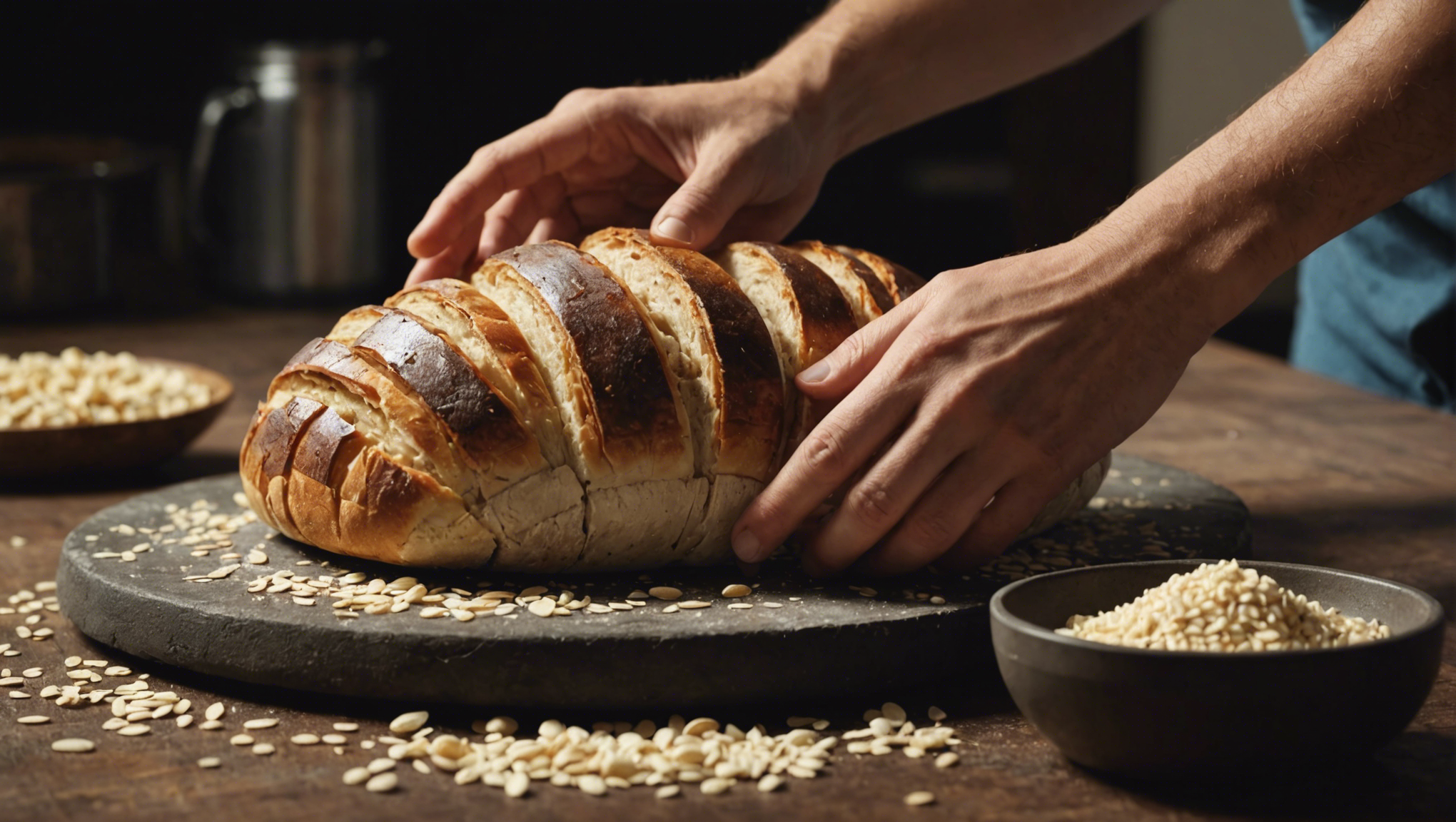

Discover all the subtleties of banneton flour in the art of baking. This article guides you step by step in using this essential tool to shape and bake your loaves to perfection. Learn how to choose the right banneton flour, master its use and integrate these techniques to improve the quality and aesthetics of your baking creations.
Definition and origin of banneton
What is Banneton?
THE banneton, also known as brotform in German, is an essential tool in the art of bakery to shape and maintain the shape of the homemade bread during the last rising before cooking. Typically made from natural materials such as rattan or rush, banneton is designed to absorb some of the moisture from the dough, promoting a well-formed and crispy crust. The followers of home made and bakery professional often use banneton to obtain breads with optimal texture and appearance.
The Different Types of Bannetons
There are several types of bannetons, each with its own characteristics and advantages. Rattan bannetons are the most traditional and are appreciated for their ability to give a beautiful spiral impression to the bread. In contrast, plastic bannetons offer increased durability and are easier to clean. They are therefore a preferred option in bakery environments. professional where hygiene and repeatability are critical.
Besides materials, bannetons also vary in shape and size, offering a multitude of choices for bakers specializing in different types of homemade bread. The most common shapes include round versions for country loaves, and long versions for more traditional breads like baguette.
The Historical Origin of Banneton
The roots of banneton go back centuries in European tradition, especially in France and Germany, where bread plays a central role in the daily diet. Historically, bannetons were used by bakers to transport the bread from the workshop to the village’s public oven. Over time, these tools have been perfected to become what they are today: not only practical but also crucial for the aesthetic and taste quality of the bread.
Best practices for using a banneton
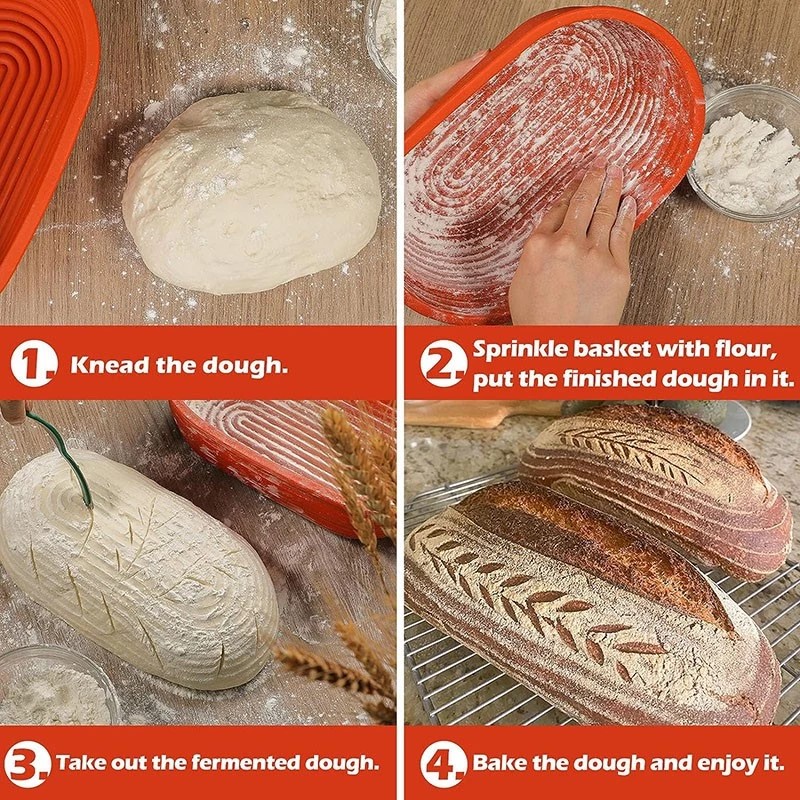
To maximize the effectiveness of a banneton, it is important to prepare it correctly before each use. This usually includes dusting the banneton with flour to prevent the dough from sticking to it. It is also crucial to keep bannetons clean and dry between uses, to prevent mold from forming and preserve the quality of the bread.
Do homemade bread requires precision and skill, and using a banneton helps perfect the shape and texture of the finished product. Whether for personal use or for a baking business, adopting the correct techniques for using and caring for bannetons is an essential element in successfully producing quality breads. professional.
Bannetons FAQ
How to clean a banneton?
Clean the banneton with a soft brush to remove flour residue and dry it well before storing it. Avoid submerging it in water, which may damage the natural fibers.
Can you use any type of flour to dust banneton?
Although wheat flour is the most common, other types of flour such as rice flour can also be used to dust banneton, especially to prevent very wet dough from sticking.
How long does a banneton last?
With proper care, a banneton can last for several years. Durability will depend on the material and frequency of use. Plastic bannetons tend to have a longer lifespan than those made from natural materials.
Articles sur le même Sujet
Using banneton for bread fermentation
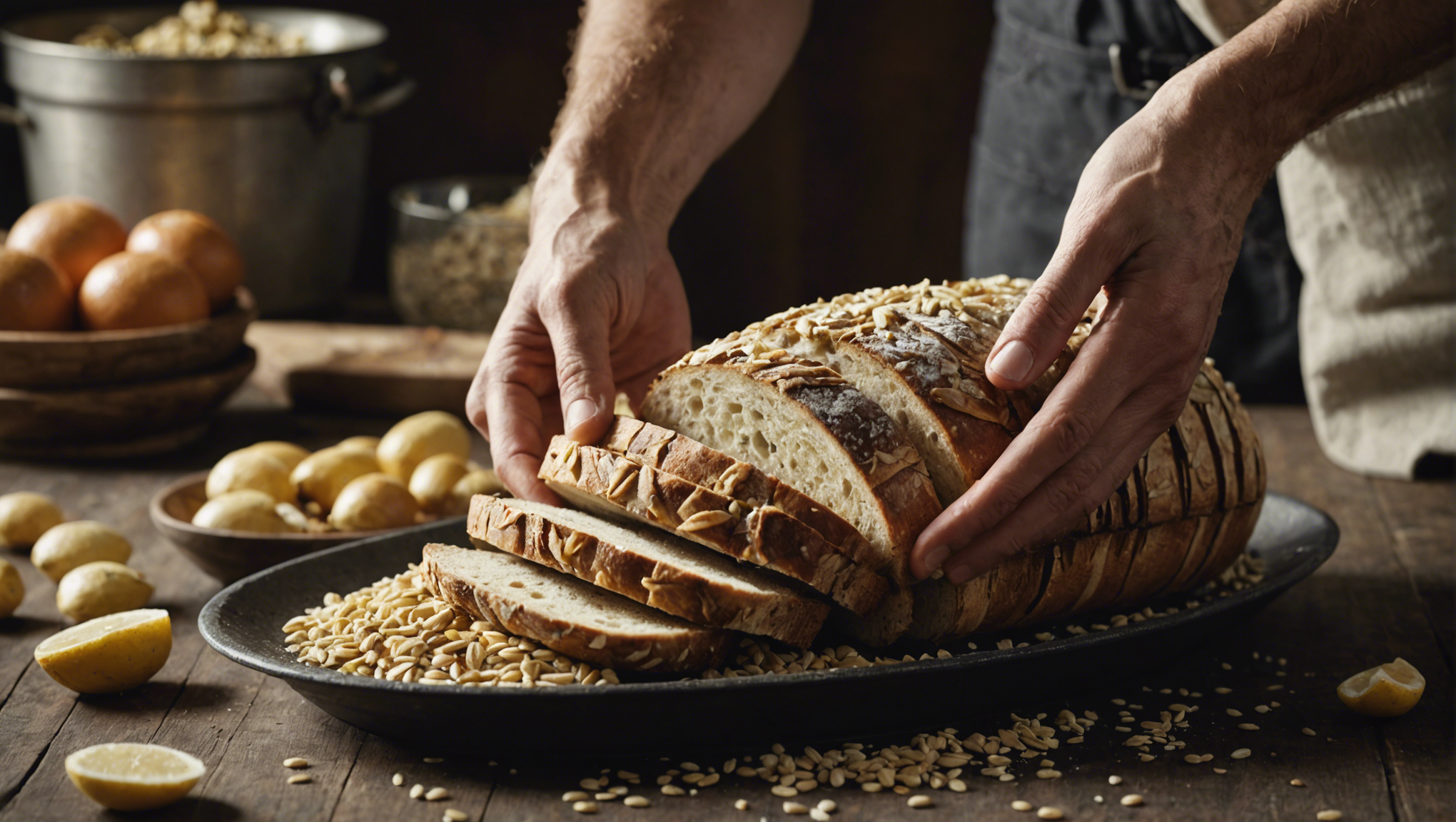
The use of a banneton is essential in the fermentation process of homemade bread. This wicker or plastic container acts as a support that allows the dough to maintain its shape and develop an airy structure. The professionals of the bakery recommend the use of bannetons not only for their functionality but also for their appearance traditional which they give to bread.
Choosing the ideal banneton
The choice of banneton depends largely on the type of bread you want to make. Wicker bannetons are favored for their ability to absorb moisture, which is crucial for forming a crispy crust. At the same time, plastic bannetons can be advantageous for their ease of cleaning and durability. It is recommended to select a banneton with a size adapted to the quantity of dough used, thus allowing optimal fermentation.
Preparing the banneton before use
Before placing the dough in the banneton, it is advisable to prepare it to prevent the dough from sticking. Generously dusting the banneton with flour creates a barrier between the wood or plastic and the dough. For those who prepare homemade bread Regularly, it may help to use a mixture of flour and rice to dust the banneton, as this further helps prevent sticking.
Banneton fermentation techniques
Once the dough is placed in the banneton, it is important to cover it to prevent it from drying out. A damp cloth or plastic wrap can be used to do this. The fermentation time will depend on the recipe and the room temperature, but it generally varies between one and several hours. During this time, the dough should increase in volume and develop the characteristic aromas of the traditional bread.
FAQs on using bannetons
1. What is the difference between a wicker banneton and a plastic banneton?
– Wicker bannetons are known for their ability to absorb moisture, which helps form a crispier crust. On the other hand, plastic bannetons are easier to clean and are often used in a more industrial context for their durability.
2. How to clean a banneton after use?
– After using a banneton, it is important to clean it properly to remove flour and possibly dough residue. For wicker bannetons, gently brushing to remove dry residue then exposing to open air is sufficient. Plastic versions can be washed with mild soap and water.
3. Can you use a banneton for all types of dough?
– Although bannetons are mainly used for bread doughs that need to maintain a certain shape during fermentation, they can be used for different bread recipes. However, it is advisable to consider the size of the banneton in relation to the quantity of dough to avoid overflowing during rising.
Articles sur le même Sujet
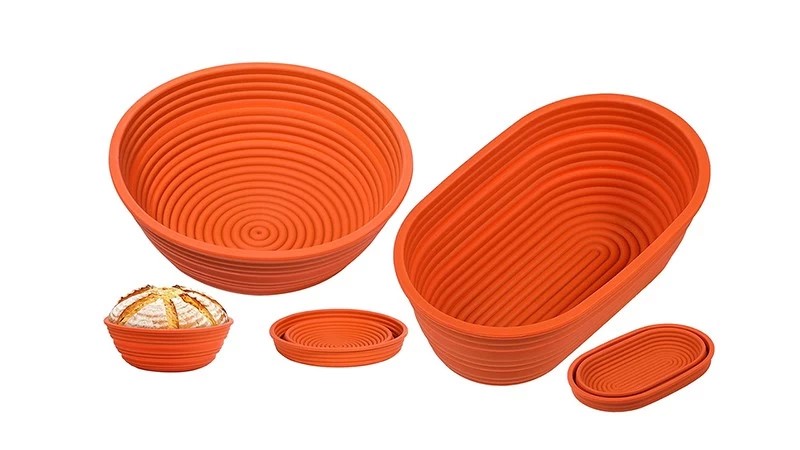

Choosing the right banneton: Materials and sizes
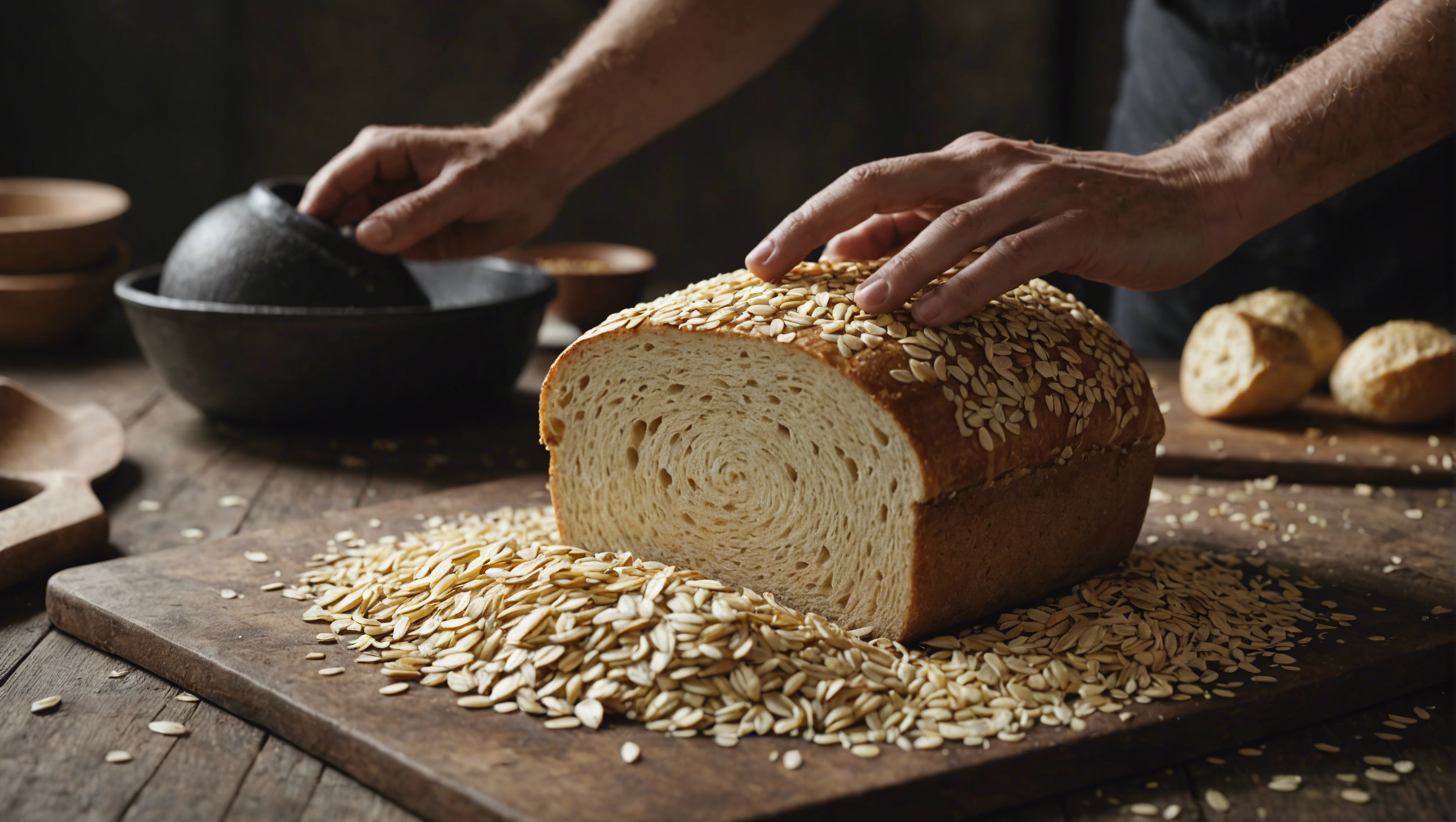
Banneton Materials: Wicker vs Plastic
The choice of material is essential when purchasing a banneton bread. The two main materials used arewicker and the plastic. Wicker is the choice traditional for bannetons, appreciated for its ability to absorb moisture, which helps form a beautiful crust. Additionally, wicker adds a rustic, artisanal aesthetic to the process of bakery. On the other hand, plastic bannetons are easier to clean and maintain, and may be more appropriate for regular use, particularly in a context professional. They also allow a certain consistency in the size and shape of the homemade bread.
Choosing the Appropriate Size and Shape
The size and shape of the banneton should be chosen based on the amount of dough you plan to bake. The most common shapes are round or oval, although there are bannetons in specific shapes for special breads. A general rule of thumb for choosing the right size is to use a banneton that holds about 1.5 times the weight of your dough. For example, for a 500 gram dough, a 750 to 1000 ml banneton would be ideal. It is also common to have multiple sizes to accommodate different recipes and quantities of homemade bread.
Tips for Maintaining Bannetons
Maintaining bannetons is crucial to ensure their longevity and the hygienic quality of your homemade bread. For wicker bannetons, it is recommended to dust them after each use and let them air dry. Occasional brushing may be necessary to remove flour residue. Plastic bannetons can be washed with water and a little soap, although it is best not to submerge them completely to avoid moisture buildup.
FAQ on Choosing Bannetons
How durable is a wicker banneton compared to a plastic banneton?
Wicker bannetons have a long lifespan if properly maintained, although plastic may offer better resistance to wet conditions and daily wear and tear.
Can you use a banneton for different types of bread dough?
Yes, but it is important to consider the size and shape of the banneton depending on the type of homemade bread that you want to achieve.
Is it necessary to flour banneton before each use?
Yes, flouring the banneton before placing the dough on it helps prevent sticking and makes it easier to unmold. homemade bread after lifting.
Articles sur le même Sujet

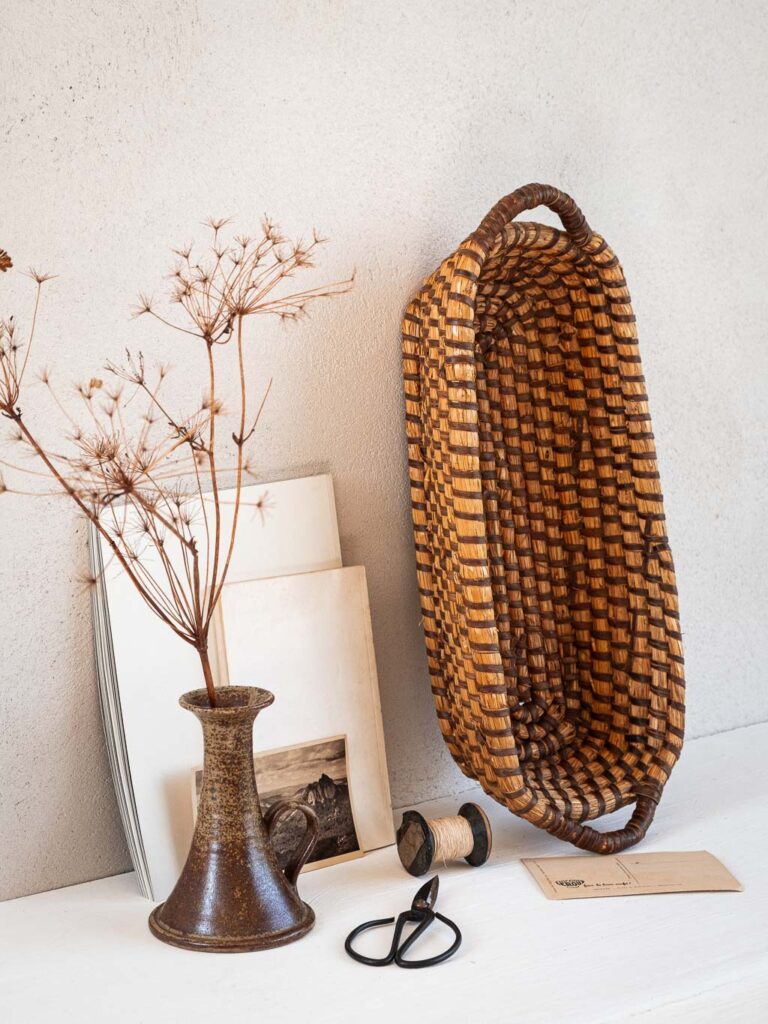
Maintenance tips to extend the life of your banneton
Cleaning after each use
To ensure the longevity of your banneton bread, it is essential to clean it carefully after each use. Remove all dough and flour residue from it using a brush dedicated for this purpose. Avoid the use of water, as humidity can encourage the development of mold and alter the quality of the wood or material making up the product. banneton.
Using the right flour
Be sure to use professional quality flour to prevent the dough from sticking to the sides of the banneton. A T45 or T55 type flour, often used by professionals in the bakery, is ideal. This precaution helps keep the surface of the banneton clean and intact, thus extending its lifespan.
Drying in the open air
After cleaning, place the banneton in a ventilated place to air dry. Make sure the banneton is completely dry before storing to prevent any mold or bad odors from forming. Drying is crucial to maintaining the structural integrity of the banneton.
Proper storage
Store your banneton in a cool, dry place, away from direct sources of heat and humidity. Use a breathable fabric bag to cover it, which will help protect it from dust while still allowing air to circulate, preventing mold and lingering odors.
Periodic maintenance
Even if it is not used regularly, it is recommended to take your banneton out, brush it lightly and let it air out from time to time. This helps preserve its properties and ensure it remains in good condition for future use, ready to produce homemade bread Perfect.
- Clean thoroughly after each use.
- Use quality flour to reduce the risk of sticky dough.
- Air dry to prevent mold.
- Store in a cool, dry place under a breathable cover.
- Inspect and ventilate periodically even without frequent use.
Bannetons Care FAQ
1. Can I wash my banneton in water?
No, it is not recommended to wash bannetons with water. Exposure to moisture can damage the material and encourage the development of mold. Choose dry cleaning.
2. What type of flour is recommended to prevent dough from sticking?
A T45 or T55 type flour is ideal for this. These types of flour are less likely to stick, making banneton easier to maintain.
3. How do I know when my banneton needs to be replaced?
You should replace your banneton if you notice deep cracks, weakening of the material or the presence of mold that is difficult to eliminate. A damaged banneton can affect the shape and quality of your homemade bread.
