How to clean a banneton?

Discover effective techniques for cleaning a banneton and ensuring impeccable hygiene. This article covers the essential methods and precautions for maintaining this key bakery accessory, thus ensuring the quality and beauty of your artisanal breads.
Preparation and equipment necessary for cleaning a banneton
Identification of Materials and Preparation Before Cleaning
The first crucial step in cleaning a banneton bread is to clearly identify the manufacturing material. Bannetons can be made of wood, wicker or plastic, each requiring a specific cleaning approach. First of all, it is advisable to remove all flour residue using a dry brush. This action prevents the formation of mold and facilitates the cleaning process.
The Equipment Needed for Effective Cleaning
Obtain the following tools to effectively clean your equipment. professional bakery :
- Soft bristle brush or toothbrush
- Clean, dry cloth
- Hot water (for plastic bannetons only)
- White vinegar for disinfection (optional)
Cleaning Techniques for Wicker or Wooden Bannetons
For wicker or wooden bannetons, cleaning must be done dry to avoid any absorption of water which could damage the material. Use a soft-bristled brush to effectively remove flour particles and other small debris. If an unpleasant odor persists, sprinkle lightly with baking soda, leave to act then brush again.
Maintenance of Plastic Bannetons
Plastic bannetons tolerate humidity better and can therefore be cleaned with hot water. After dusting with a brush, immerse the banneton in a basin of hot, soapy water. A small amount of white vinegar can be added for its antibacterial properties. Rinse thoroughly with clean water and air dry completely before reuse.
FAQs
- Can you machine wash a banneton?
- No, bannetons, particularly those made of wicker and wood, must be dry cleaned so as not to damage the natural structure of the material.
- How can I prevent mold from forming on my banneton?
- Make sure to remove all flour residue after each use and store the banneton in a dry place. Occasional use of baking soda or white vinegar can also help prevent mold.
- How often should you clean a banneton?
- It is recommended to clean the banneton after each use to ensure its hygiene and longevity, especially if you regularly produce banneton. homemade bread.
Articles sur le même Sujet


Dry cleaning techniques for a banneton
THE banneton bread is an essential tool for any enthusiast of homemade bread who wishes to master the art of bakery so professional And traditional. Properly cleaning your banneton not only extends its lifespan, but also ensures the health quality of your breads. Here are effective methods for maintaining your banneton without using water.
Remove flour residue
After each use, it is crucial to remove flour residue from the banneton. For this, a soft-bristled brush or an old toothbrush is ideal. Carefully brush the entire banneton, paying particular attention to the areas where the residue is the most stubborn. This step is fundamental to avoid the formation of mold due to the humidity retained by the flour.
Using cornmeal
Cornmeal can be an excellent ally for cleaning your banneton. By sprinkling a thin layer of semolina on the inner and outer walls of the banneton, you create a barrier that prevents flour from accumulating. In addition, semolina absorbs residual moisture, reducing the risk of mold development. After application, leave for a few minutes then brush to remove excess.
Sun exposure
Sun drying is a natural and effective technique for removing moisture from your banneton. After brushing, expose the banneton to direct sunlight for a few hours. The sun acts as a natural disinfectant, eliminating potential bacteria and drying the banneton completely, preventing mold from forming.
Proper storage
Storage plays a crucial role in the lifespan of your banneton. Be sure to store it in a dry, well-ventilated area. Avoid damp closets or areas where temperature fluctuations are frequent. A dry kitchen cupboard or open shelf make great options. By preserving your banneton in an optimal environment, you guarantee its longevity and performance for the preparation of homemade bread.
FAQs on Dry Cleaning Bannetons
- Can you clean a banneton with water?
It is generally not recommended to use water to clean a banneton, as moisture could seep into the wood or wicker and encourage mold growth. - How often should you clean a banneton?
It is recommended to clean your banneton after each use to eliminate flour residue and prevent health risks. - How do I check if my banneton is still good to use?
Check the condition of the banneton regularly for any traces of mold or deterioration. If the banneton begins to show signs of deterioration, it is best to replace it to ensure the quality of your breads.
Articles sur le même Sujet
Use water to thoroughly clean the banneton
Preparation Before Cleaning
Before you start cleaning the banneton, it is crucial to remove all flour residue and dried dough fragments. To do this, use a soft-bristled brush or an old toothbrush to effectively remove particles without damaging the fibers of the banneton. This step helps prevent the flour from forming a paste when in contact with water, which could make cleaning more difficult.
Rinsing with Water
To clean a banneton, lukewarm water is recommended. Avoid using hot water which can deform and damage the natural fibers of the banneton. Fill a basin or sink with lukewarm water and gently submerge the banneton, letting it soak briefly. Make sure not to leave the banneton submerged for an extended period of time to preserve its structure and robustness.
Delicate Cleaning
Once the banneton is moistened, use gentle movements to clean the inside and outside with a non-abrasive sponge. If stains persist, you can add a little mild soap to the water. However, it is essential to rinse the banneton well to remove any soap residue, as this could affect the taste of the homemade bread during future uses.
Drying the Banneton
After cleaning, and especially after each use, it is essential to dry the banneton well to prevent the formation of mold. Carefully drain the excess water and place the banneton upside down in a well-ventilated area. Avoid direct exposure to the sun which can also alter the natural fibers of the banneton. Thorough drying is crucial to maintaining the hygiene and durability of your equipment. bakery.
Regular Maintenance for Longevity
Regular banneton maintenance is necessary to keep your equipment in perfect condition. After several uses, consider refreshing it with a small amount of diluted white vinegar, which will help neutralize odors and dissolve old flour residue. This treatment can be carried out a few times a year, depending on the frequency of use of the banneton in your baking activities. homemade bread.
FAQs
1. Can you wash a banneton in the dishwasher?
No, it is not recommended to place a banneton in the dishwasher because the intense cycle and extremely hot water can damage its fibers and alter its shape.
2. How often should you clean a banneton?
It is generally not necessary to wash a banneton after each use. A thorough cleaning can be carried out when you notice clogging or residue that is difficult to remove with the brush.
3. Can you use chemicals to clean a banneton?
It is best to avoid harsh chemicals. For effective and safe cleaning, use lukewarm water and, if necessary, a mild soap. This preserves the natural materials of the banneton and guarantees the food safety of your traditional bread.
Articles sur le même Sujet

Tips for keeping your banneton in good condition
Choice of Equipment for Effective Cleaning
The choice of tools and products to clean a banneton bread is crucial to ensure both effectiveness and safety. It is recommended to use a soft brush and damp cloth wipes. Mild detergents or diluted vinegar solutions are best, as they will not break down the banneton’s natural fibers.
Cleaning Methods for Wicker Bannetons
For wicker bannetons, water use must be minimal to avoid the risk of mold. After each use, remove flour residue using a brush. If necessary, wet cleaning can be carried out with a sponge lightly soaked in water. Allow the banneton to air dry in a well-ventilated area to prevent mold from developing.
Maintenance of Plastic Bannetons
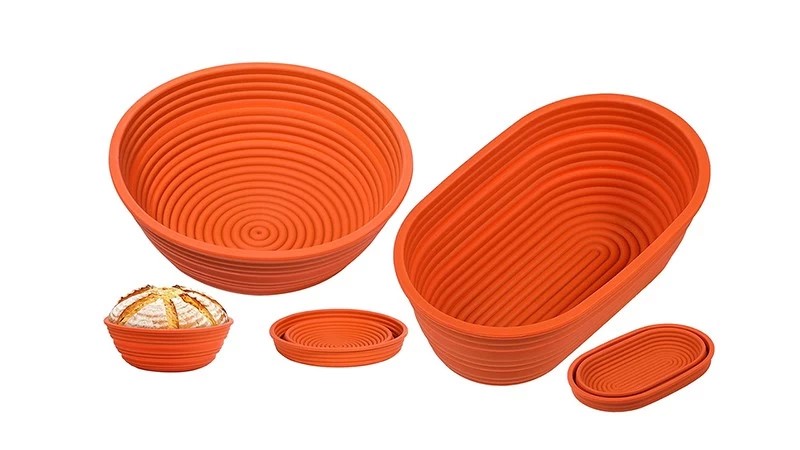
THE bannetons plastic offer superior cleaning ease. They can be washed with warm water and mild detergent. To disinfect them completely, you can place them in a dishwasher. Make sure they are completely dry before using them again to avoid residual moisture.
Drying and Storage Tips
Drying is as important as cleaning. Proper drying ensures the longevity of your banneton and prevents mold problems. After cleaning, place the banneton in a ventilated place or in the sun to speed up drying. For storage, wrap the banneton in a clean cloth to protect it from dust while allowing it to breathe.
FAQs
How often is cleaning recommended for a banneton?
It is advisable to clean the banneton after each use to remove flour residue and prevent the accumulation of bacteria and mold.
Can we use bleaching products to clean a wicker banneton?
No, bleaching products can damage the fibers of the wicker and shorten the life of your banneton. Opt for gentle, natural cleansers.
How to prevent banneton from taking on an unpleasant odor?
Make sure the banneton is completely dry before storing it. Using cotton balls soaked in lemon or lavender essential oil can also help maintain a pleasant scent.