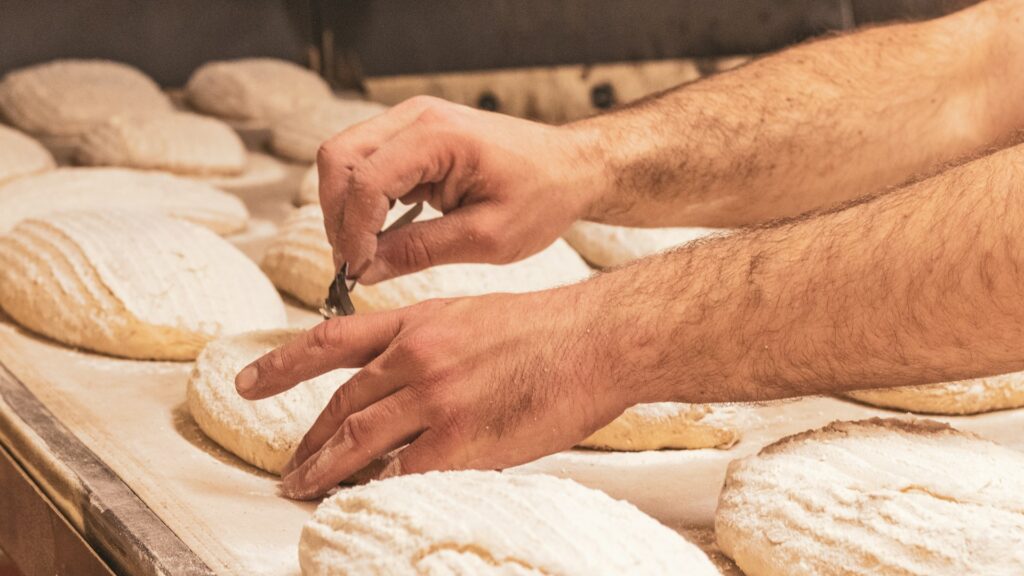
Why use a banneton and what advice should you follow?
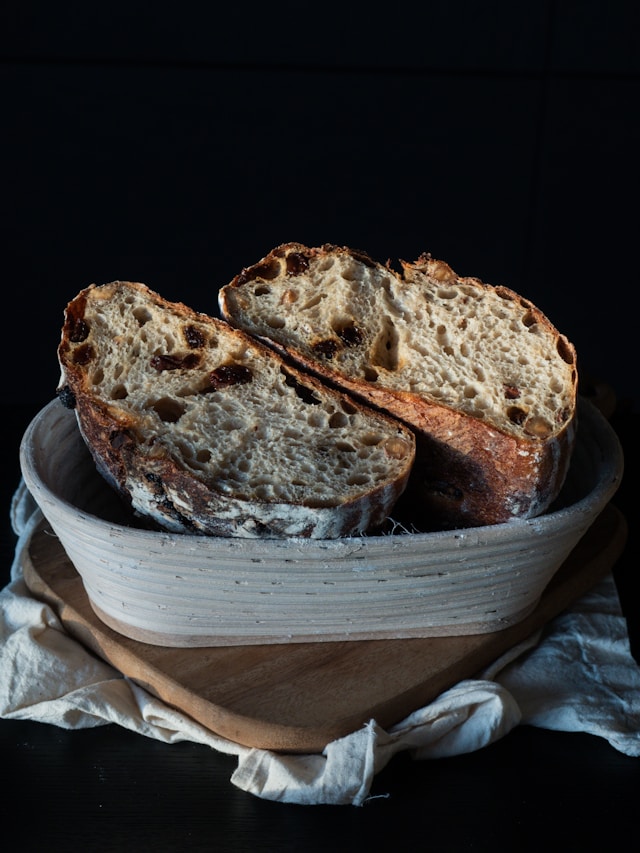

In this article, we explore in detail the importance of banneton in the art of artisan baking. Essential for perfectly shaping and aerating your dough, the banneton is a key tool for making all types of bread with a crispy crust and an airy crumb. We will also provide you with practical advice for choosing, using and maintaining your banneton, in order to maximize the quality of your homemade breads. Whether you are an amateur baker or a natural baking enthusiast, you will discover how this simple accessory can transform your baking creations.
Importance of banneton in bread preparation
The key role of banneton in making homemade bread
The banneton, an emblematic tool of bakery professional and *traditional*, plays an essential role in the manufacture of homemade bread. Its primary function is to hold the dough during the final fermentation, thus promoting a well-defined shape while allowing the dough to maintain an airy and light texture.
Used correctly, banneton also helps create a crisper, more attractive crust because it absorbs excess moisture from the dough. This is especially crucial when working with hydrated doughs, common in bread recipes like ciabatta or country bread.
Choice and maintenance of bannetons
The choice of banneton material can influence the fermentation results and the quality of the bread. Wicker bannetons are the most popular because they provide excellent air circulation around the dough, facilitate the development of a beautiful crust structure due to their moisture absorption capacity.
For those concerned about hygiene and ease of cleaning, plastic bannetons represent a viable alternative. Although they do not offer the same moisture absorption as wicker, they are easier to clean and can be used when a smoother loaf surface is desired.
Maintaining bannetons is crucial to ensure their longevity and prevent the development of mold. It is recommended to clean them thoroughly after each use and air dry them. Gentle brushing and wiping with a damp cloth may be enough to remove flour residue.
Impact of banneton on bread quality
Using a banneton when preparing the homemade bread is more than a tradition, it is a technique that influences the overall quality of the final product. By promoting uniform fermentation, banneton helps develop the taste and texture that artisan breads are known for.
In addition, the patterns left by the banneton frame on the dough visually enrich the bread, which can make it more attractive to consumers and add an artisanal dimension recognizable at first glance.
FAQ on using banneton in bread preparation
1. What size banneton should I use for my bread?
The size of the banneton must correspond to the quantity of dough prepared. It is generally recommended to use a banneton which can hold around 1 kg of dough for common family needs.
2. Can you use a banneton for all types of bread?
Yes, bannetons can be used for most types of homemade breads, but they are particularly effective for moist doughs that need support during fermentation.
3. How long can I reuse a banneton?
With proper care, a banneton can last for several years. Wicker and plastic, if properly maintained, can provide long-lasting support for the preparation of homemade breads quality.
Articles sur le même Sujet

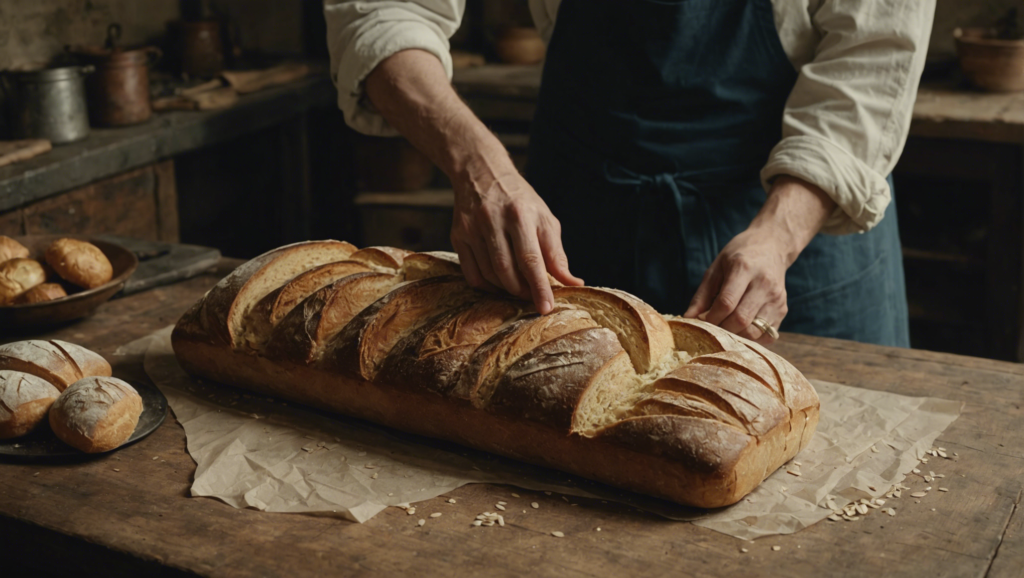
Choosing the right banneton according to the type of bread
Types of bannetons and their specifications
A banneton is a fermentation basket used in bakery to maintain the shape of the homemade bread while he lifts. Bannetons are traditionally made from natural materials like wicker, but they are also found in synthetic materials like plastic. Choosing the right banneton depends mainly on the type of bread you want to make, the size of the dough, and your personal preferences regarding moisture management and patterns on the crust of the bread.
Wicker vs Plastic: which banneton to choose?
The bannetons in wicker are appreciated for their ability to absorb moisture from the surface of the dough, thus contributing to the formation of a crispy crust. They are ideal for rustic and traditional breads. On the other hand, bannetons in plastic are often preferred for their ease of cleaning and durability. They are particularly suitable for highly hydrated doughs or for bakers looking for a more hygienic option and less prone to mold problems.
Adapt the banneton to the shape and size of the bread
The size and shape of the banneton should match that of your bread. For a homemade bread round, a round banneton is necessary, while for an elongated loaf, an oval or long banneton would be more appropriate. The capacity of the banneton should be adapted to the weight of your dough, a general rule being to choose a banneton that can hold 1.5 times the weight of the pre-risen dough.
Practical Considerations for the Home Baker
In addition to material and shape, it is crucial to take into account ease of use and maintenance. For example, wicker bannetons often require a light dusting of flour to prevent dough from sticking, while plastic ones can be used with or without a flour coating, depending on preference. Additionally, consider what type of decorations you want to imprint on the crust of your bread, as designs vary depending on the material and design of the banneton.
Plastic bannetons are often recommended for beginners due to their ease of cleaning and handling. However, for those looking for tradition and a premium crust, a wicker banneton would be ideal.
It is advisable to regularly dust the wicker with a soft brush and let it air dry. Avoid washing it with plenty of water as humidity can encourage the formation of mold.
Regardless of the type of dough, it is possible to use a banneton, but some are better suited to certain textures. Very moist doughs are more easily managed in plastic bannetons, while firm doughs benefit from the structural support offered by wicker.
Articles sur le même Sujet

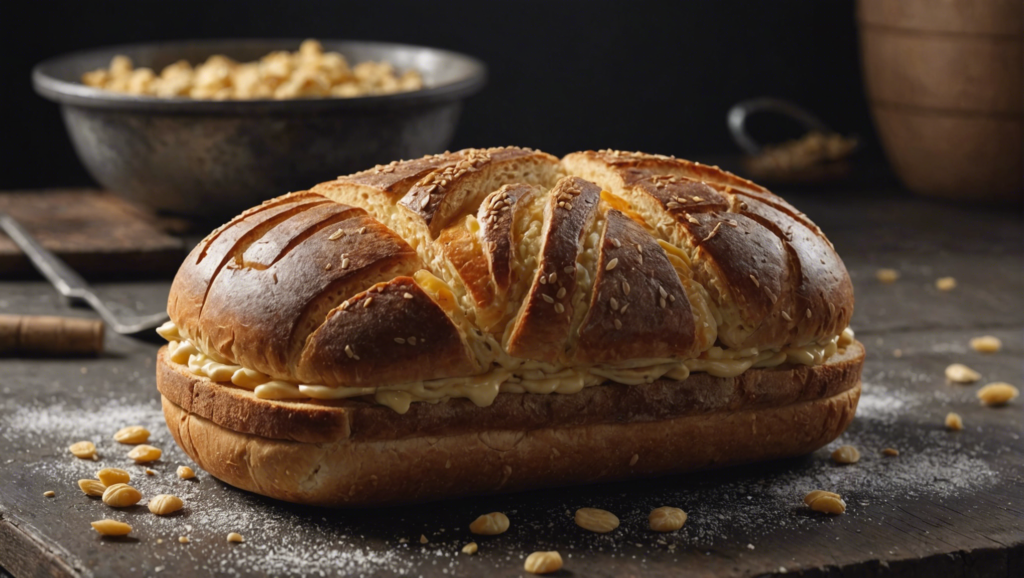
Practical tips for using a banneton
Choosing the Appropriate Banneton
For lovers of bakery practicing the manufacture of homemade bread, using a suitable banneton is crucial. The choice of material can influence not only the texture of the crust, but also the shape and structure of the bread. Wicker bannetons are traditionally used to allow better air circulation around the dough, which helps form a crisp, flavorful crust. Plastic bannetons, on the other hand, are often appreciated for their ease of cleaning and durability.
Preparing the Banneton Before Use
Before placing the dough in the banneton, it is essential to prepare it correctly to prevent the dough from sticking. Generously dusting the banneton with flour is one of the most effective methods. Rice flour is particularly recommended because of its non-stick properties. For those looking for a more alternative professional, using a clean cloth rolled up in the banneton, also well floured, can also be an excellent solution.
Maintenance of the Banneton Post-use
After each use, it is essential to clean the banneton thoroughly to extend its lifespan and ensure hygiene. Shaking off excess flour and any dough residue is a first step. It is advisable to let the banneton air dry before storing it to prevent mold from forming. In certain cases, and particularly for plastic bannetons, washing in lukewarm water with a small brush may be necessary to remove encrusted dough particles.
FAQs on using Banneton
How to choose the banneton size?
The size of the banneton should match the weight of dough you plan to use. A banneton that is too big or too small will affect the final shape of the bread.
Can you use a banneton for any type of bread?
Yes, bannetons can be used for a variety of breads, but they are particularly effective for high hydration breads that benefit from support during rising.
Is it necessary to flour the banneton each time it is used?
Yes, flouring the banneton before each use is crucial to prevent the dough from sticking, allowing for easy and clean unmolding of the bread.
Articles sur le même Sujet


Maintenance and cleaning of bannetons for increased durability
Materials and properties of bannetons
The choice of material for a banneton directly influences the maintenance methods to be adopted. Wicker bannetons are traditionally used for making homemade bread. They provide optimal air circulation, helping the dough develop a firmly structured and well-aerated crust. On the other hand, plastic bannetons are appreciated for their ease of cleaning and their durability in use. professional regular. It is crucial to understand the specificities of these materials to ensure proper maintenance and extend their lifespan.
Cleaning after each use
To maintain the quality and hygiene of bannetons, proper cleaning after each use is essential. Start by removing flour residue using a soft brush, avoiding using water which could damage certain materials such as wicker. For plastic bannetons, washing under hot water with a little mild soap is acceptable. Be sure to dry the bannetons thoroughly before storing them to prevent the appearance of mold and bad odors.
Preventing mold and humidity
Storage plays an important role in preventing mold. Bannetons should be stored in a dry, well-ventilated area. Avoid confined spaces where humidity and temperature variations can encourage mold growth. For wicker bannetons, occasional use of a low-temperature oven can help remove built-up moisture, while preserving the structure of the weave.
Check wear and periodic renewal
Despite careful maintenance, bannetons may require periodic renewal, especially in a context professional where their use is frequent. Inspecting bannetons regularly for signs of wear such as warping, cracking, or loosening of the weave can help determine the ideal time to replace them. This is crucial not only for food safety but also to ensure consistent quality of the homemade bread.
Frequently Asked Questions (FAQ)
1. How to prevent the dough from sticking to the banneton?
Make sure to flour the banneton well before each use. Using rice flour is particularly effective because it has a fine texture that helps prevent sticking.
2. Can bannetons be put in the dishwasher?
It is not recommended to put wicker bannetons in a dishwasher due to their sensitivity to humidity and heat. Plastic bannetons can often be washed in the dishwasher, but it is best to check the manufacturer’s instructions to avoid damaging the product.
3. What is the average lifespan of a banneton?
The lifespan of a banneton can vary depending on the frequency of use and the quality of maintenance. Well-maintained bannetons can last several years, even with intensive use.