Which flours should you choose for successful banneton baking?


Discover in this article how to select the best flours to make your banneton bread perfectly successful. We’ll explore the ideal types of flour for achieving an airy crumb and crispy crust, essential for mastering the art of artisan baking. Whether you’re an amateur or an expert, these tips will help you choose your flour wisely for impressive results.
Selection of ideal flours for banneton baking
The use of a banneton in cooking bread is a traditional technique that allows you to shape the dough while giving it a desired structure and texture. The choice of flour is crucial, as it influences not only the taste, but also the ability of the dough to retain its shape and develop an ideal crust. This article explores the types of flour best suited to this ancestral method.
Type of Flours and Their Properties
The choice of flour largely depends on the texture and taste that you want to obtain for your bread. Here is a list of the flours most suitable for use with a banneton:
- Wheat flour T65 : Ideal for traditional breads, it contains a sufficient level of gluten for good elasticity and hold of the dough.
- Rye flour : Perfect for breads with a dense texture and strong flavor. Its low gluten content often requires mixing with wheat flour.
- Wholemeal flour : It provides additional nutrients and an interesting texture thanks to its whole grains. However, its weight can make the dough heavier, requiring adjustment in hydration and kneading.
Factors Influencing Flour Choice
Selecting a flour is not just limited to its type. Several factors must be considered to ensure optimal cooking in a banneton:
- Hydration rate : Some flours absorb more water than others. It is essential to adjust the amount of water to achieve the desired consistency.
- Fermentation time : Flours like wholemeal flour ferment more quickly, so it is necessary to monitor and adjust the fermentation time accordingly.
- Desired bread texture : Adaptations in the choice of flour may be necessary depending on whether you prefer a crisper or softer bread.
Professional Baker’s Techniques and Tips
To maximize the use of a banneton, here are some techniques And tips essential:
- Make sure the banneton is well floured to prevent the dough from sticking.
- Use a toque or plastic wrap to cover the dough during the final fermentation, which prevents the dough from drying out.
- For easy release, lightly tap the sides of the banneton before inverting the dough onto a baking tray.
FAQs
What is the difference between using T45 flour and T65 flour for a banneton?
As T45 flour is more refined and contains less protein than T65, it is less suitable for maintaining the structure of bread throughout the fermentation and baking process in a banneton.
Can you mix different flours to use in a banneton?
Yes, mixing different flours can help balance taste and texture. For example, a blend of T65 wheat flour and rye flour can create a bread with a distinct crust and soft crumb.
How to adjust the hydration of the dough depending on the flour used?
It is recommended to start with a base hydration of 75% and adjust by gradually adding water until the dough reaches the desired consistency. The texture of the flour used will affect the amount of water needed.
Articles sur le même Sujet
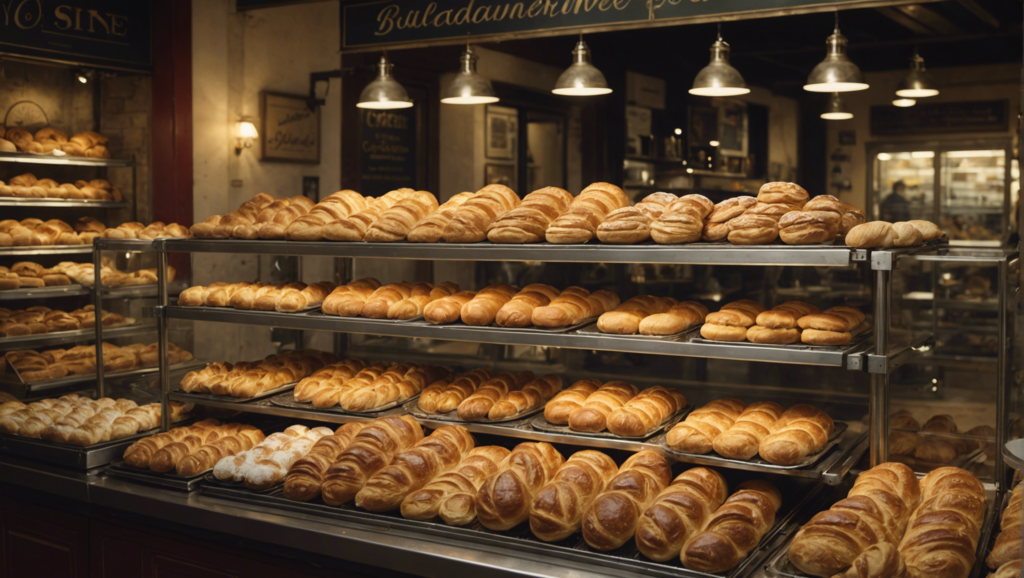

Types of flour suitable for natural fermentation
Wheat Flour T80 to T150
The favorite farm for making banneton bread traditional is mainly based on the use of wheat flour. Types T80, T110, and T150, known as millstone flours, are particularly prized for their ability to promote slow, natural fermentation. These flours contain a high level of minerals and fiber, thus facilitating the aromatic development and structure of the bread.
Spelt flour
Known for its superior nutritional properties, spelled flour offers a rich alternative for natural fermentation. Spelled, the ancestor of modern wheat, requires fewer fertilizers and pesticides, making it an eco-friendly and healthy choice for bakers. Its ability to ferment naturally, even without chemical treatment agents, makes it a preferred choice for fans of homemade and professional.
Rye flour
Particularly suited to the taste preferences of Northern Europe, rye flour is often used in the preparation of breads with a strong character and dense crumb. Thanks to its richness in enzymes that facilitate fermentation, this flour is ideal for tangy breads with a long shelf life. It is often mixed with wheat flours to balance texture and promote leavening.
Kamut® flour
Kamut® is a brand of khorasan wheat that resonates well with the natural fermentation process, thanks to its rich grains and soft texture. This flour contains higher proteins, which promotes greater development of gluten, essential for obtaining good bread structure. Its naturally sweet notes and digestibility make it a preferred option for those looking for healthy alternatives without sacrificing taste.
Natural Fermentation FAQ
1. How important is the type of flour in natural fermentation?
The type of flour significantly influences the texture, taste, and rising process of the bread. Flours with a high protein level promote better gluten formation, essential for good structure and aeration of bread.
Yes, mixing different flours can not only adjust the texture and density of bread but also enrich its flavor profile. It’s common to combine wheat flours with denser flours like rye flour to balance the final product.
The manufacturer’s label and specifications can often give clues to the flour’s suitability for natural fermentation. Look for non-chemically treated, slow-milled or wholemeal flours for best results in natural fermentation.
Articles sur le même Sujet
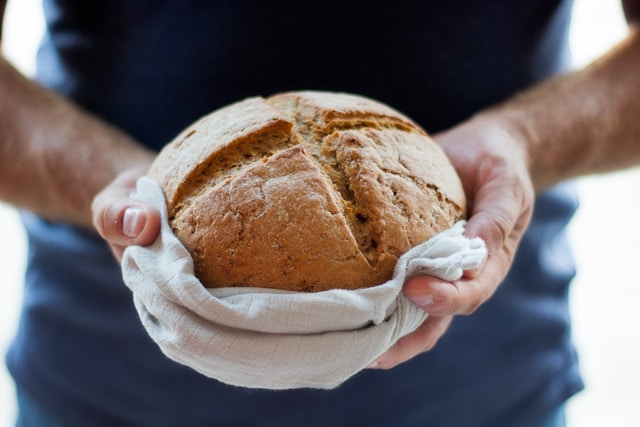
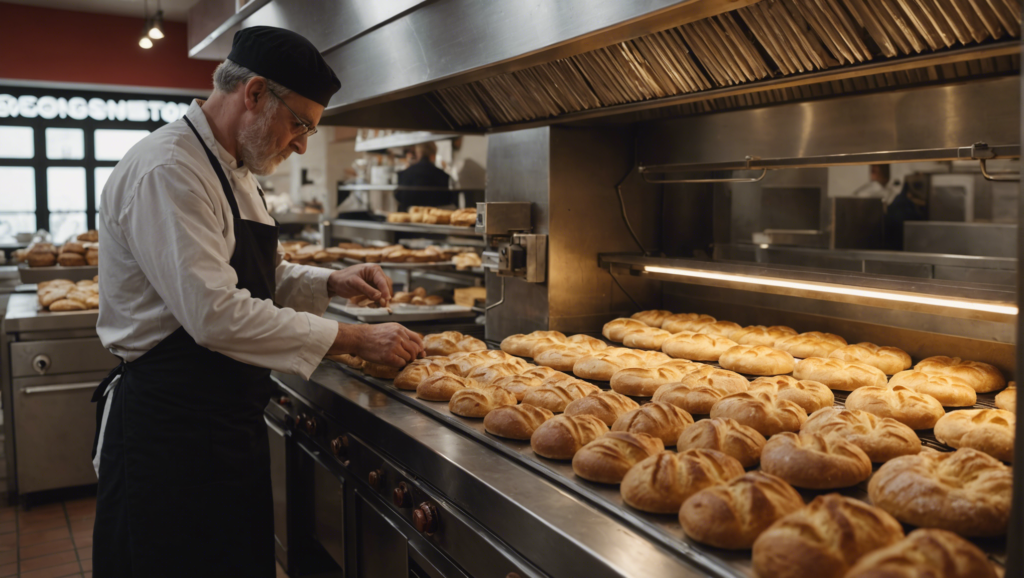
Impact of grinding on the quality of banneton bread
When we approach the bakery traditional, the choice of grind is decisive for the final quality of the bread. Indeed, the grain size of the flour directly influences the structure of the dough as well as the development of gluten, key elements in the making of bread. traditional.
The different types of grind
There are several types of grind, ranging from the finest to the coarsest. Each type brings distinct characteristics to the dough and influences the final result differently when using a banneton. The fine grind is ideal for breads with a tight and uniform crumb, while the coarse grind is preferred for making breads with a more airy crumb and a well-developed crust.
Effects of grinding on fermentation
The size of the flour particles affects the rate of fermentation of the dough. A fine grind provides greater contact surface with water, promoting rapid fermentation. Conversely, a coarser grind slows down this process, which can be beneficial for developing more complex flavors when grinding. fermentation slow.
Role of banneton in maintaining quality
THE banneton plays a crucial role in the final stage of fermentation. It helps maintain the shape of the bread while allowing optimal moisture evaporation. Depending on the grind of the flour used, the banneton helps create a flawless crust and clearly defines traditional bread patterns.
Choosing the right grind for your banneton
To make the most of your banneton, it is crucial to select a grind adapted to the type of bread desired. Medium grinds are often a good compromise for most traditional bread styles, providing good moisture management and a pleasant texture.
FAQs
What is the best grind for French style bread?
A fine grind is generally recommended for French bread, as it results in a denser crumb and golden crust.
Can we mix different grinds for a specific result?
Yes, combining grinds can allow you to adjust the texture of the crumb and the crispness of the crust according to your preferences.
What impact can too coarse a grind have on banneton bread?
Too coarse a grind can make the bread less structured and more difficult to form, which can also negatively influence fermentation.
In short, choosing the right grind when using a banneton is essential to obtaining quality bread that reflects the techniques and the traditions from the bakery professional.
Articles sur le même Sujet
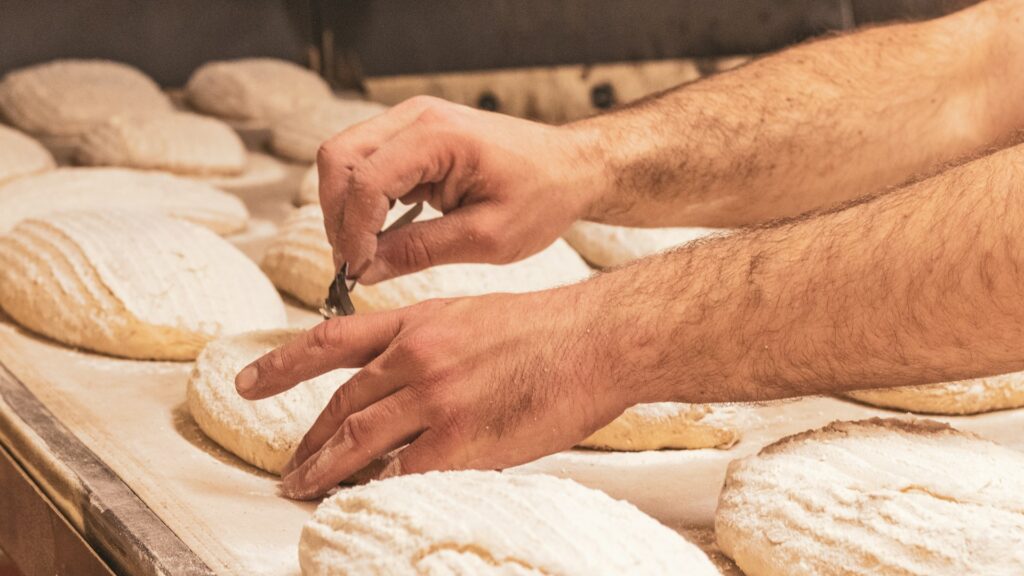

Practical tips for handling dough and banneton
Choosing the Right Flour for Optimal Results
The quality of banneton bread starts with the choice of flour. For sourdough or traditional breads, opt for flour with a high protein content, such as T55 or T65 type flour. These types of flour facilitate the elasticity and firmness of the dough, keys to good fermentation and excellent bread structure.
Kneading and Dough Shaping Techniques
To handle dough efficiently, it is essential to adopt techniques kneading conditions. Knead the dough until it becomes smooth and elastic, which can take about 10 to 15 minutes by hand. Kneading develops the gluten network, essential to the texture of the bread.
When shaping, be gentle but firm. Form the dough into the desired shape before placing it in the banneton. Make sure the smooth side is up when putting the dough into the banneton for fermentation.
Preparation and Use of Banneton
Before using a new banneton, it is recommended to dust it generously with flour to prevent the dough from sticking. For subsequent uses, light brushing and a light dusting of flour is usually sufficient.
THE banneton plays a crucial role in supporting the dough during the final fermentation phase, helping to mark the bread with attractive streaks that enhance the rustic feel of the finished product. After use, clean the banneton with a soft brush and let it air dry. Avoid washing it with water to preserve its properties.
Control of Time and Temperature during Fermentation
Carefully control fermentation temperature and time to optimize the development of bread flavor and texture. A temperature of around 24°C is ideal for fermentation. If your kitchen is colder, consider placing the banneton in a slightly warmer location, but avoid drafts. Fermentation time can vary depending on the recipe, but a long fermentation often means a bread with more character and complexity.
Dough Handling and Banneton Use FAQs
What is the best type of flour for a baking beginner?
To start, an all-purpose or T55 flour is ideal, as it is versatile enough for different types of bread.
How do you know if the dough has sufficiently fermented in the banneton?
The dough should have almost doubled in size and, when pushed lightly with a finger, the indentation should slowly spring back.
Can you use a banneton for all types of bread?
Yes, bannetons can be used for most types of bread, especially those that require maintained shape and beautiful streaks.