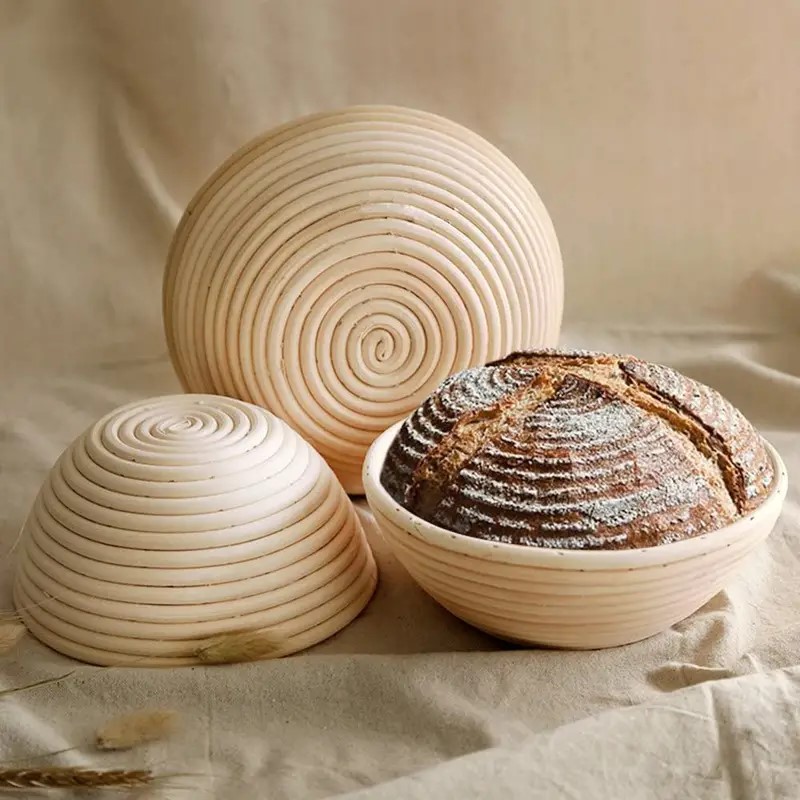
The banneton: an essential tool for innovation in baking?
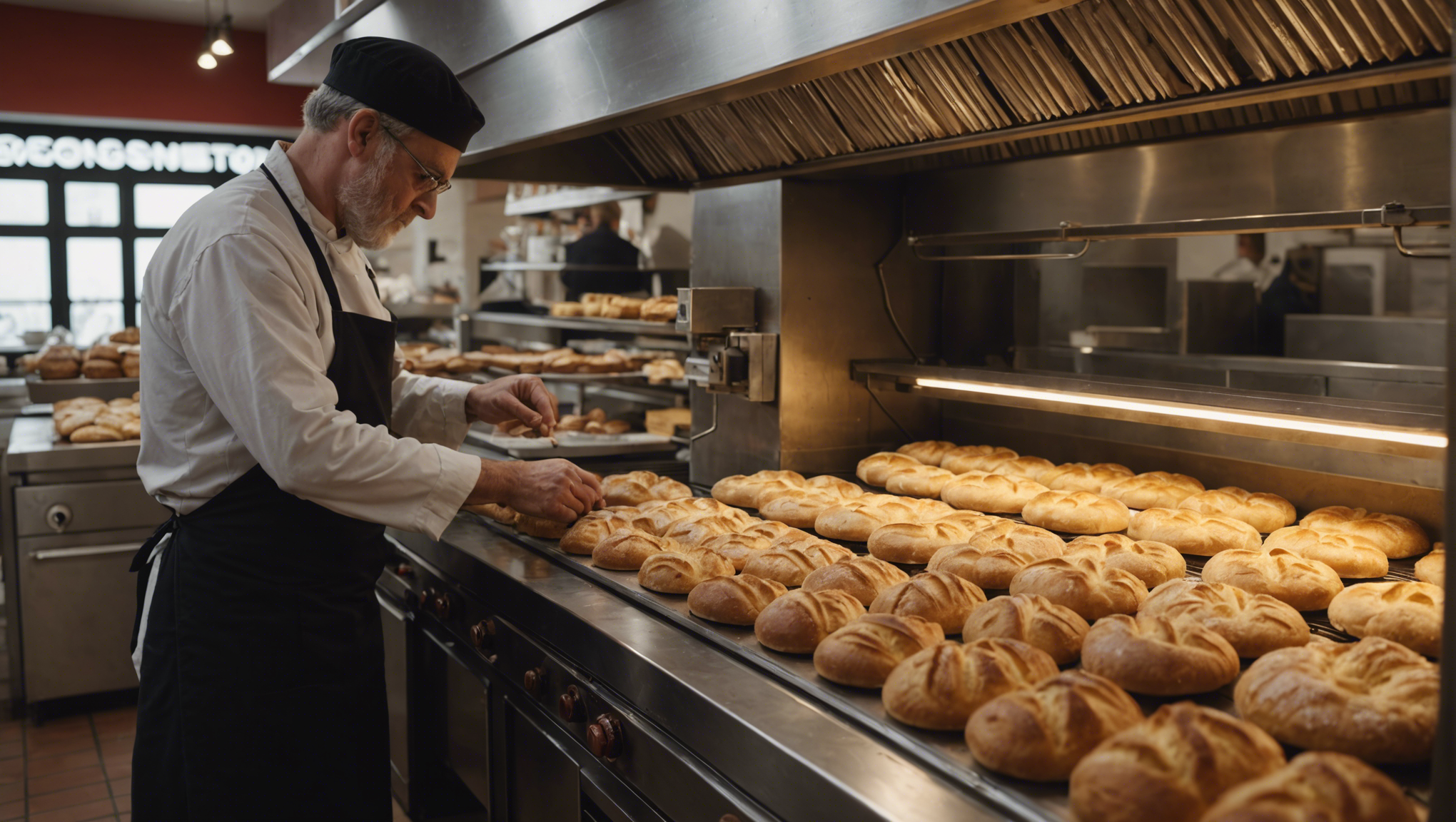

In the traditional art of baking, the banneton turns out to be much more than a simple accessory. This tool, essential in the bread fermentation and shaping process, is at the heart of the most recent innovations that transform the quality and texture of artisanal bread. Let’s discover together how the banneton becomes a pillar of creativity and excellence for passionate bakers.
The evolution of banneton and its impact on modern baking

The Origins of Banneton in Bakery
THE banneton has its roots in the European baking tradition. Initially, these wicker baskets were mainly used to transport breads and protect them during the market. Progressive
Over time, their role expanded to encompass dough fermentation, providing an ideal support for rising. By allowing air to circulate freely around the dough, the banneton promotes uniform fermentation and helps develop a crisp crust, characteristics sought after in the traditional bread.
Techniques for Using and Maintaining Bannetons
To master the art of using banneton, a few techniques And tips are essential. Before using it, it is recommended to generously flour the banneton to prevent the dough from sticking to it. After each use, remove dough and flour residue and allow the banneton to air dry, thus ensuring its longevity and cleanliness.
Regularity of maintenance is crucial, because a well-maintained banneton can improve the quality of bread by contributing to better fermentation and providing aesthetic traditional with distinctive spiral patterns on the crust of the bread.
The Impact on Modern Bakery
The integration of banneton in modern baking does not only represent a return to traditional methods traditional, but also an adoption of ecological and sustainable practices. Bannetons, often made from natural materials like wicker, contrast with metal or plastic molds, promoting a more environmentally friendly approach.
In addition to their ecological benefits, the use of bannetons in modern baking allows artisan bakers to differentiate themselves by producing superior quality breads with improved textures and flavors, which meets the growing consumer demand for products professionals and authentic.
FAQs
What is the difference between a banneton and a traditional bread pan?
The banneton is mainly used for fermenting and shaping loaves before baking, providing air circulation which contributes to a crispier crust and a more airy crumb, while the pan is used for baking the bread itself, often without these textural benefits.
How to choose the right banneton?
It’s important to consider the size of the banneton based on the volume of dough you plan to use, as well as the material (natural wicker, wood, or food grade plastic), each of which offers specific benefits in terms of durability and baking results .
Is it necessary to flour the banneton each time it is used?
Yes, flouring the banneton before each use is crucial to prevent the dough from sticking to the basket and to make it easier to unmold after fermentation.
Articles sur le même Sujet

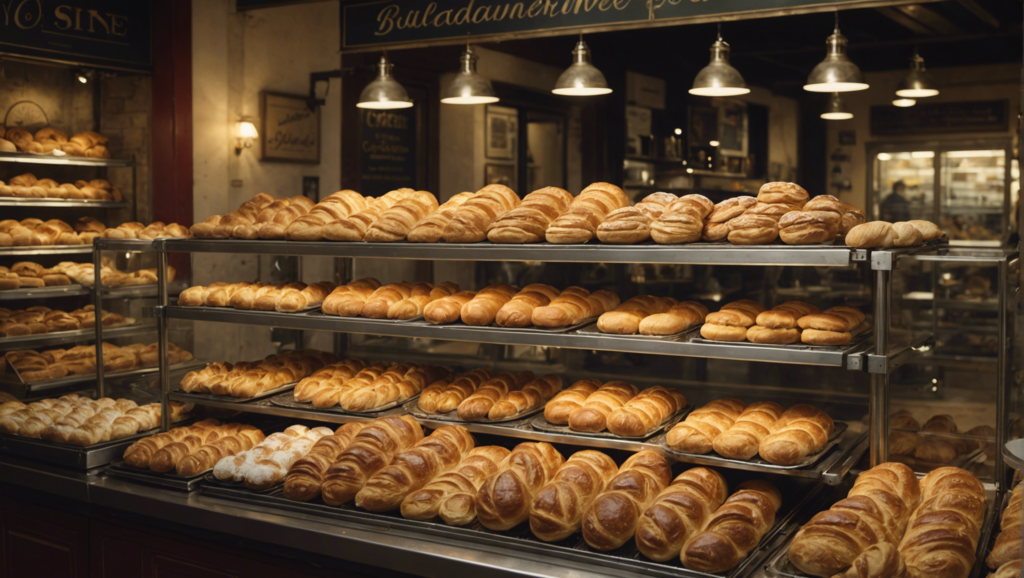
Role of banneton in the development of new bread recipes
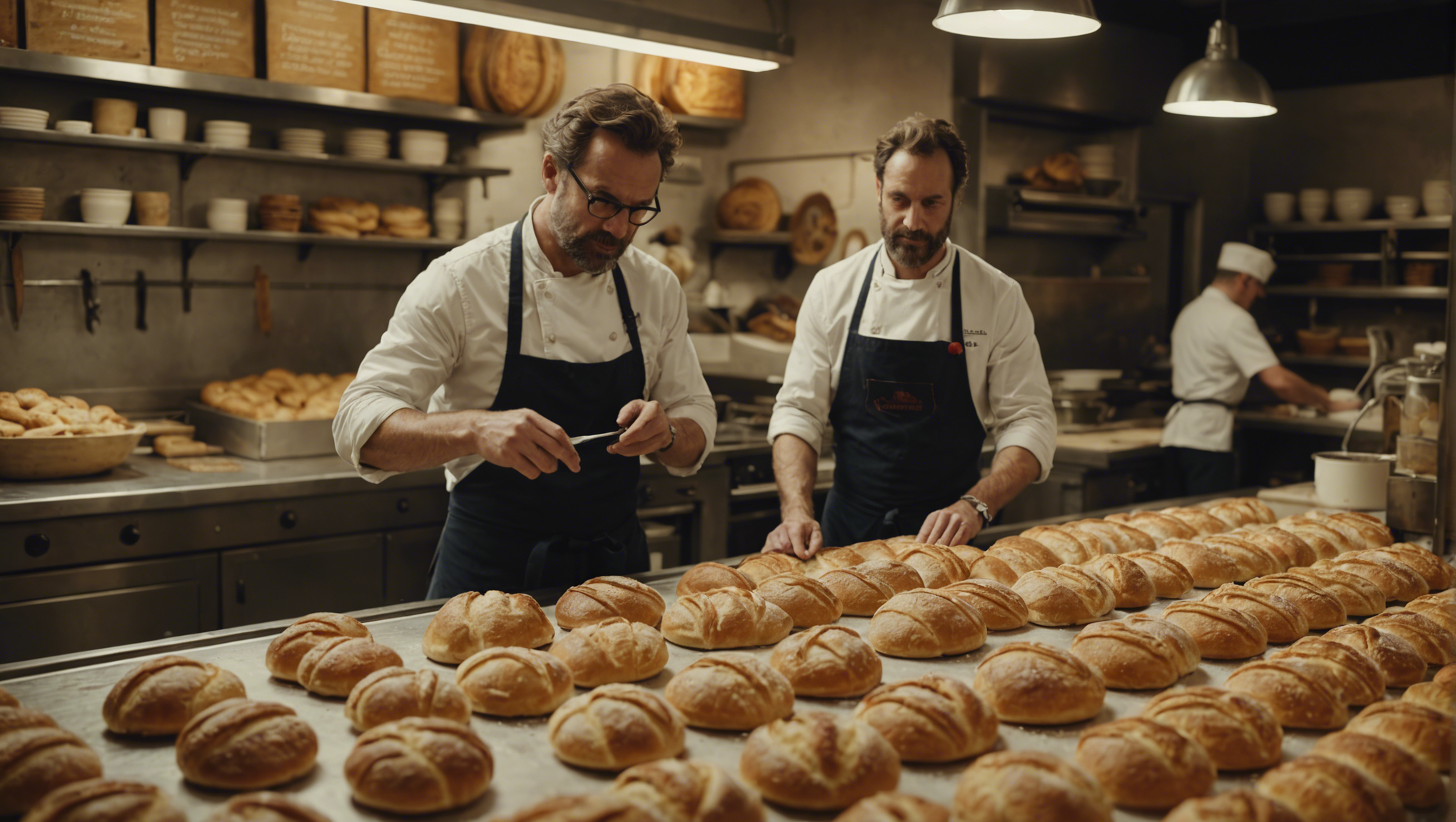
In the professional bakery, the banneton bread is a key tool for shaping and improving the quality of breads. Traditionally used to let dough ferment and maintain its shape before baking, the banneton also plays a crucial role in the experimentation and innovation of new bread recipes.
THE banneton, usually made of wicker or synthetic materials, allows the dough to breathe while absorbing excess moisture. This process is essential for developing a crisp crust and airy crumb, characteristic of high-quality breads. Additionally, banneton weft patterns imprint distinctive designs on the bread, adding an attractive visual appearance to finished products.
Impact of raw materials and techniques on the use of banneton
The choice of flours and kneading methods can affect banneton’s effectiveness in recipe development. Flour with a high gluten level, for example, will require a banneton that can support vigorous proofing without distorting the dough. This often involves selecting bannetons that are sturdy or suitable for specific types of bread, such as rye or wholemeal.
Of the techniques Specific fermentation and dough handling techniques are also developed to maximize the benefits of banneton. For example, prolonged fermentation may be necessary for some wholemeal flours to allow adequate rising in the banneton, without the dough sagging or sticking.
Integration of banneton in the development of new recipes
The flexibility and functionality of banneton allows bakers to efficiently and creatively test new recipes. By adjusting the size and shape of the banneton, or using different materials, bakers can influence the texture and shape of the bread, opening up experimental possibilities.
Furthermore, the use of banneton in the process of professionalization of the production of artisanal bread proves essential. It guarantees the regularity of products while allowing specific features to be incorporated into innovative recipes.
FAQs
What is the advantage of using a wicker banneton rather than plastic?
Wicker is a traditional material that promotes better air circulation around the dough, which facilitates uniform fermentation and better development of the taste and texture of the bread.
Can we use the same banneton for different types of pasta?
Although possible, it is advisable to have bannetons dedicated to each type of dough to avoid the transfer of flavors and to adjust the banneton to the specificity of each dough in terms of size and texture.
How to maintain a banneton to extend its lifespan?
After each use, remove flour residue and periodically let the banneton dry in the sun to prevent mold from forming. Avoid the use of soap or water which can alter the natural properties of wicker or wood.
Articles sur le même Sujet

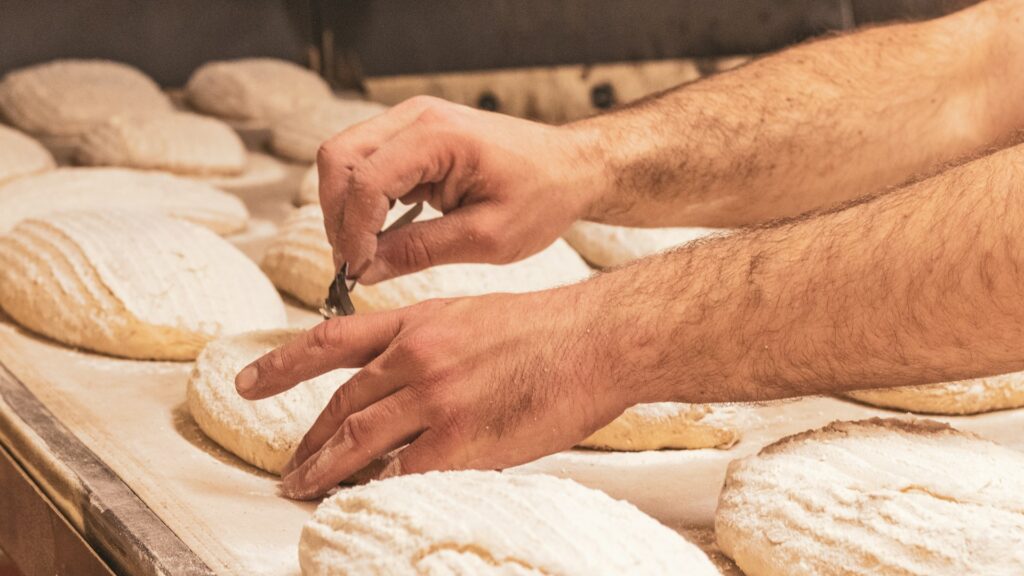
The influence of banneton on the texture and shape of artisanal bread
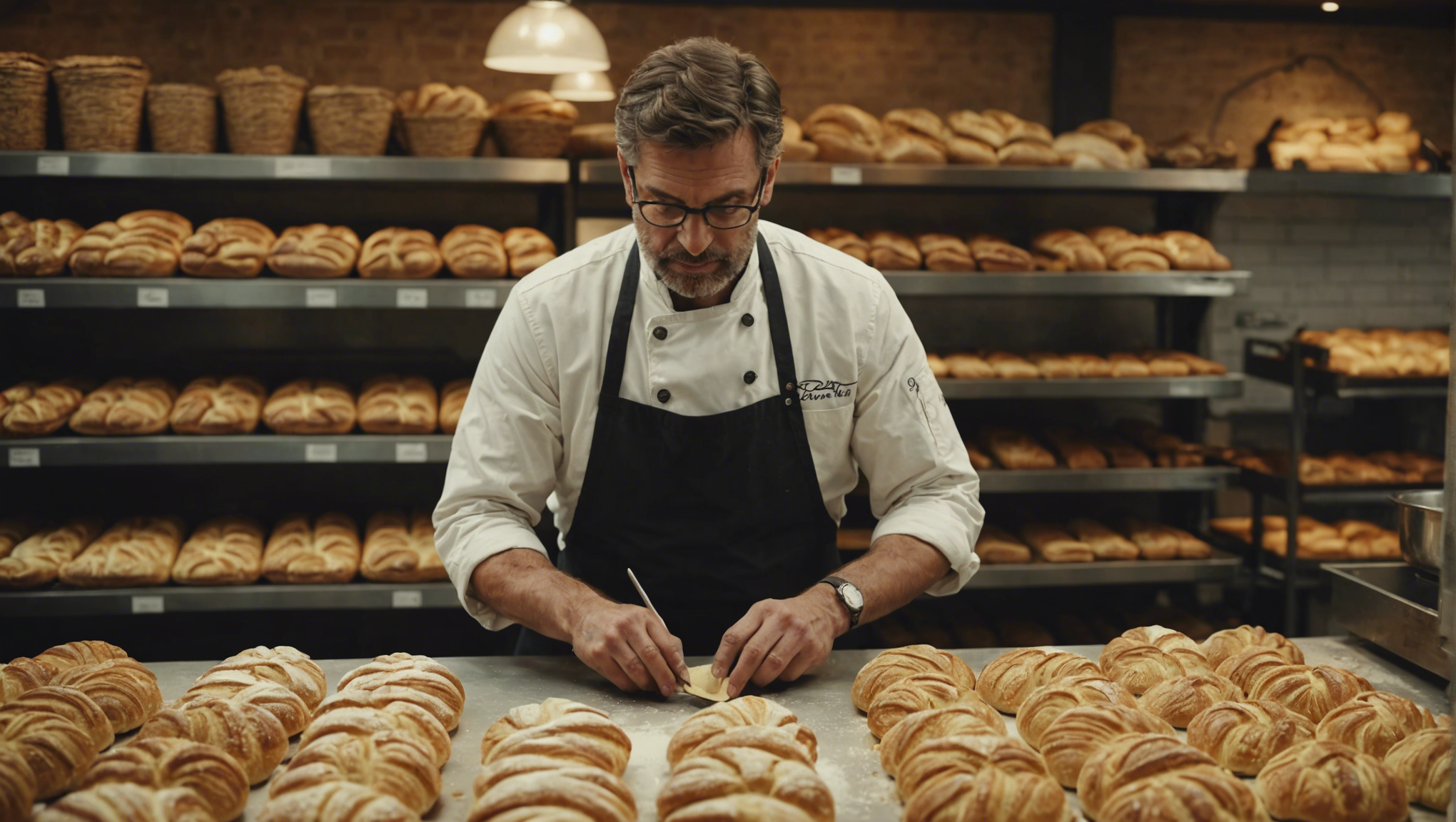
The Key Role of Banneton in the Making of Artisanal Bread
THE banneton, often unknown to the general public, plays an essential role in professional baking, particularly in the preparation of artisanal bread. This simple basket, usually made of rattan but also available in other materials such as wood or perforated plastic, is crucial for fermenting and shaping pasta before cooking.
Optimization of Texture thanks to Banneton
One of the most appreciated characteristics of artisan bread is its texture, both crispy on the outside and soft on the inside. The use of a banneton promotes this ideal texture. The honeycomb structure of banneton allows the dough to retain the necessary moisture during fermentation. Additionally, natural materials like rattan absorb excess moisture, which enhances the formation of a sturdy, crispy crust after baking.
Banneton fermentation techniques also involve the formation of a slightly dried out surface crust, pre-conditioning the bread for crust explosion during baking, which is essential for achieving the desired traditional bread.
Impact on the Shape of Artisanal Bread
THE banneton doesn’t just affect texture; it also plays a determining role in the final shape of the bread. Traditionally, bannetons are used to maintain the structure of the dough as it rises. This is especially crucial in the case of highly hydrated doughs, which can spread and lose their shape if not contained in a banneton.
The spirals or fluted patterns found on some bannetons can also imprint delicate patterns on the bread, adding an aesthetic element that visually distinguishes a professional artisan bread from a standard loaf. This characteristic does not fail to attract fans of artisanal bread who appreciate the visual appearance as much as the texture of their bread.
FAQ on the Use of Banneton in Artisanal Bakery
What type of banneton is best suited to getting started in artisanal baking?
For beginners, a rattan banneton is generally recommended. It is durable, allows good air circulation and gives good results in terms of texture and shape of the bread.
How to prepare and maintain your banneton?
Before the first use, it is advisable to lightly spray the banneton with water and sprinkle it with flour to prevent the dough from sticking. For maintenance, simply shake it to remove flour residue and let it dry completely in the open air.
Can you use a banneton for all bread recipes?
While banneton is primarily used for soft, highly hydrated breads, it can also be used for other types of breads. However, the size and shape of the banneton must be chosen according to the type of bread you want to make.
Articles sur le même Sujet
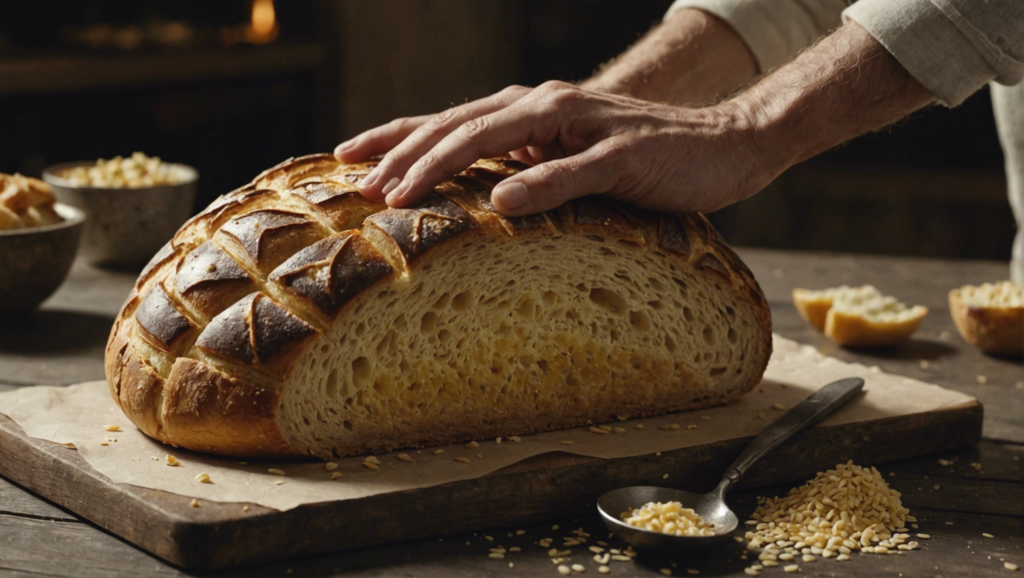
Innovative techniques using banneton to improve bread production
Fermentation Optimization
THE banneton bread is an essential tool in making traditional bread. Its primary use lies in improving fermentation. The banneton allows the dough to maintain its shape throughout fermentation, which is crucial for hydrated doughs. In addition, the natural banneton material absorbs excess moisture, promoting a crispier crust and a perfectly airy crumb. Lovers of bread with developed textures and flavors greatly benefit from this aspect of the professional banneton.
Control of Temperature and Humidity
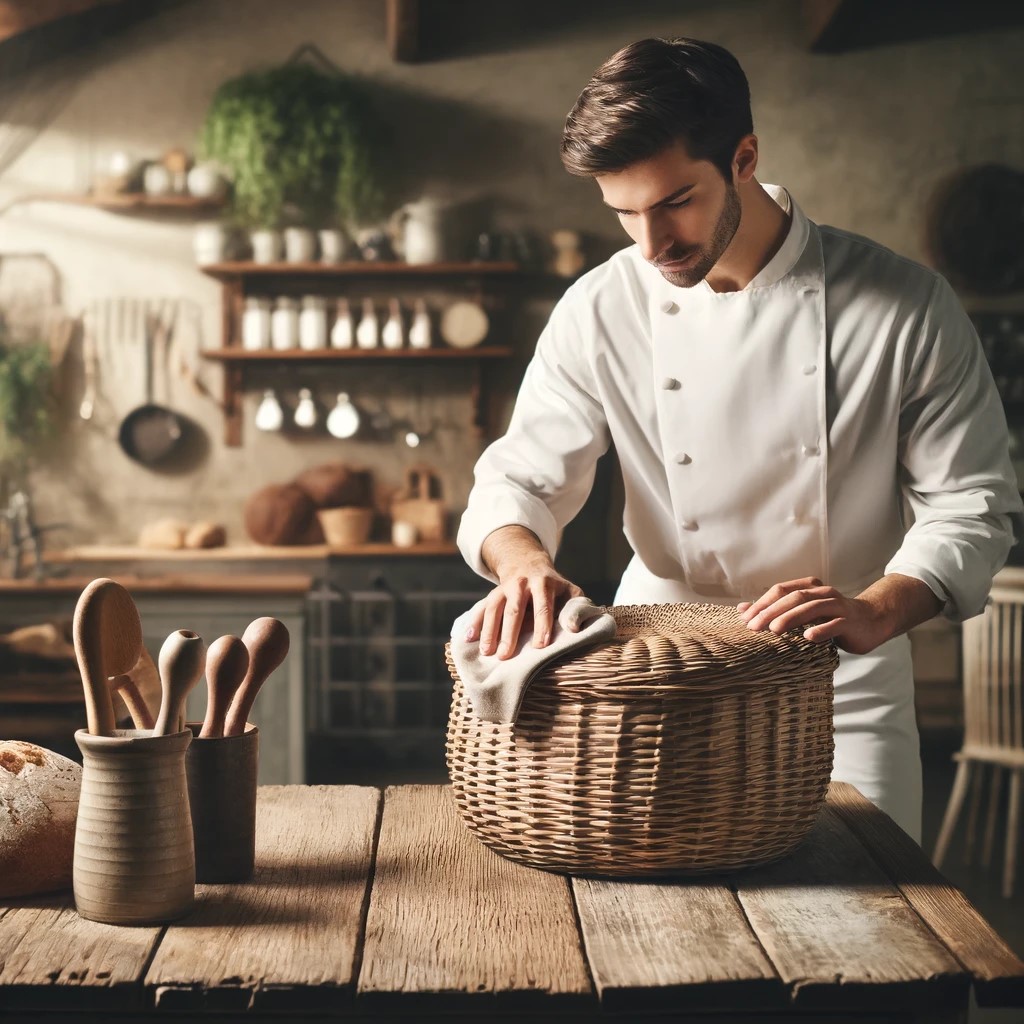
The professional use of bannetons often includes advanced techniques to control the temperature and humidity of the dough during fermentation. For example, wrapping the banneton in a damp cloth can help maintain consistent humidity, preventing the dough from forming a crust too early in the fermentation process. This technique is particularly beneficial when preparing bread varieties requiring long fermentation at moderate temperatures.
Innovation with Materials
Traditionally, bannetons are made from wicker or rattan, but experimenting with new materials offers unique benefits. Silicone bannetons, for example, are easy to clean and can be used in larger production environments where speed is essential. Other materials such as linen or treated wood offer different absorption properties, allowing customization depending on the type of bread desired.
Integration of Pre-cooking Tips
A lesser known but effective technique for using a banneton includes preheating it before placing the dough in it. This method can reduce second fermentation time and improve the Maillard reaction during baking, resulting in a golden, flavorful crust. However, this requires precise temperature control to avoid cooking the yeast before putting it in the oven.
Control of Crust Formation
The know-how surrounding banneton is not limited only to fermentation. It also extends to controlling crust formation. Using a well-floured cloth in the banneton, or even applying a thin layer of butter or oil, can influence the final texture of the bread. These tips allow you to vary the results, offering crusts ranging from very thin and crispy to thick and robust, depending on preferences.
FAQs
1. What is the ideal time to let the dough rest in a banneton?
Resting time can vary from 1 to several hours, depending on the recipe and temperature and humidity conditions. As a general rule, the dough should have doubled in volume before baking.
2. Can we use a banneton for all types of bread dough?
Yes, banneton is suitable for most types of dough, particularly hydrated doughs which benefit from its ability to maintain shape and regulate humidity.
3. How to clean and maintain a banneton?
It is recommended to allow the banneton to dry completely after each use and to brush it to remove flour residue. For bannetons made from natural materials, avoid the use of water; for those made of synthetic materials, washing in lukewarm water may be appropriate.