How to enhance your bread with banneton?
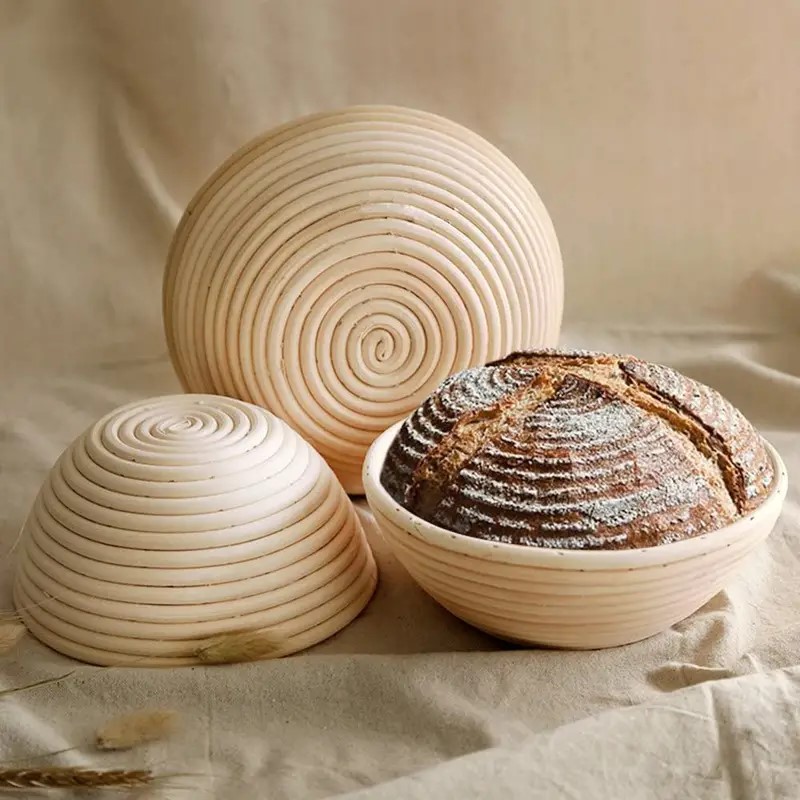

In this article, we’ll explore the ancient art of using a banneton to perfect the shape and texture of bread. Through precise techniques and expert advice, discover how this simple tool can transform your homemade bread into a work of culinary craftsmanship, improving the crust and crumb structure for a result that is both aesthetic and flavorful.
Choosing the ideal banneton for your bread
Criteria to consider when selecting a banneton
The selection of ideal banneton is essential for any baker concerned about the quality and aesthetics of his bread. Several factors must be taken into account in order to facilitate the fermentation process and shaping bread that meets the expectations of the most demanding artisans.
Firstly, the banneton material plays a crucial role. Traditional options include rattan or cane, known for their ability to absorb moisture, allowing the dough to remain dry and airy. Synthetic materials, such as food grade plastic, are a modern alternative offering durability and ease of cleaning.
The size and shape of the banneton depending on the type of bread
The choice of banneton size and shape must correspond specifically to the type of bread that we wish to produce. For round breads, a circular banneton is suitable, while an oval banneton is ideal for elongated breads such as baguettes or batards.
The capacity of the banneton must also be considered. A banneton that is too small may restrict the expansion of the dough while one that is too large may not provide the necessary support, affecting the final shape of the bread. It is essential to choose a banneton that corresponds to the usual weight of dough used.
Maintenance and preparation of bannetons
Maintaining bannetons is crucial to ensure their longevity and prevent cross-contamination. Before the first use and after each use, it is recommended to clean the banneton using a dedicated brush. For rattan bannetons, avoid water to avoid altering the fibrous structure; opt instead for dry cleaning.
Preparing banneton before each use usually involves sprinkling flour to prevent the dough from sticking. THE professionals Often use a mixture of rice and wheat flour, as rice flour does not absorb moisture as easily, allowing for cleaner release.
FAQs
- What is the main difference between a rattan banneton and a plastic banneton?
Rattan is preferred for its natural ability to absorb moisture, while plastic offers increased durability and ease of cleaning. - How do I determine the appropriate banneton size for my bread?
It is advisable to choose a banneton that can hold a quantity of dough approximately 1.5 times larger than the weight of the desired bread in order to allow the dough to spread adequately. - Is it necessary to flour banneton before each use?
Yes, sprinkling flour helps prevent the dough from sticking to the banneton, making it easier to remove from the mold without distorting the bread.
Articles sur le même Sujet

Preparation and maintenance of banneton
Choice and initial preparation of banneton
The selection of a banneton adequate is crucial for the success of the bread. Generally made of wicker, rattan or food grade plastic, they require careful initial preparation to optimize their effectiveness. Before first use, it is recommended to clean the banneton with hot water and allow it to dry completely. This removes any manufacturing residue and prepares the surface for food use.
Once the banneton is dry, sprinkle generously with flour to create a barrier between the dough and the banneton. This step is crucial to prevent the dough from sticking when unmolding. Using rice flour is often recommended because it offers better resistance to humidity in the dough.
Usage techniques for professional results
When using the banneton, it is important to master certain techniques And tips. First, the dough must be properly shaped before being placed in the banneton. A well-rounded shape and adequate surface tension ensure optimal and uniform development of the dough.
Then, the duration and conditions of fermentation play a major role. A stable temperature and a suitable resting time are necessary to allow the dough to rise sufficiently without overflowing the banneton.
Cleaning and maintenance
After each use, it is essential to clean the banneton effectively. Remove excess flour using a soft brush and ensure that all dough residue is removed. It is not recommended to wash wicker or rattan bannetons with plenty of water, as humidity can damage the material and encourage the development of mold. If deeper cleaning is necessary, use a small amount of water and ensure complete drying.
To avoid mold and preserve the quality of the banneton, storage must be carried out in a dry place, away from direct sunlight and sudden temperature variations. Compliance with these conditions considerably extends the life of the banneton, thus making it possible to maintain high quality. professional And traditional Some breads.
Bannetons FAQ
- How to prevent the dough from sticking to the banneton?
Be sure to dust the banneton generously with rice flour before each use. Rice flour is effective in preventing dough from sticking. - Can I wash my wicker banneton in water?
It is not recommended to wash wicker or rattan bannetons directly under water. Choose dry cleaning to avoid the risk of deterioration or mold. - How often should you change your banneton?
With proper care, a banneton can last for several years. Replace it if you notice signs of significant deterioration or mold buildup that cannot be cleaned.
Articles sur le même Sujet
Bread shaping techniques with a banneton
Preparing the Dough for Using the Banneton
The first crucial step before using a banneton involves preparing the dough correctly. A well-hydrated and sufficiently kneaded dough is essential. It is recommended to use kneading techniques that promote good gluten formation and uniform distribution of air bubbles. Precise pointing and shaping are necessary for the dough to acquire the surface tension essential for good fermentation in the banneton.
Choosing the Appropriate Banneton
The choice of banneton suitable depends on the size and shape of the bread you want to make. The materials traditionally used for bannetons include wicker basketry or synthetic materials allowing good aeration of the dough. The linen cloth that often covers these bannetons plays a key role in absorbing excess moisture, while helping to maintain the shape of the bread during fermentation.
Shaping and Placing the Dough in the Banneton
Shaping the dough is an essential step for making successful bread. After the first pointing, the dough must be degassed then carefully shaped according to the shape of the banneton. Placing the dough in the banneton must be done gently to avoid completely degassing the dough. The key here is to ensure that the smoother side of the dough is in contact with the banneton, while the rough side remains on top, which will become the base when baking.
Tips for Unmolding and Cooking
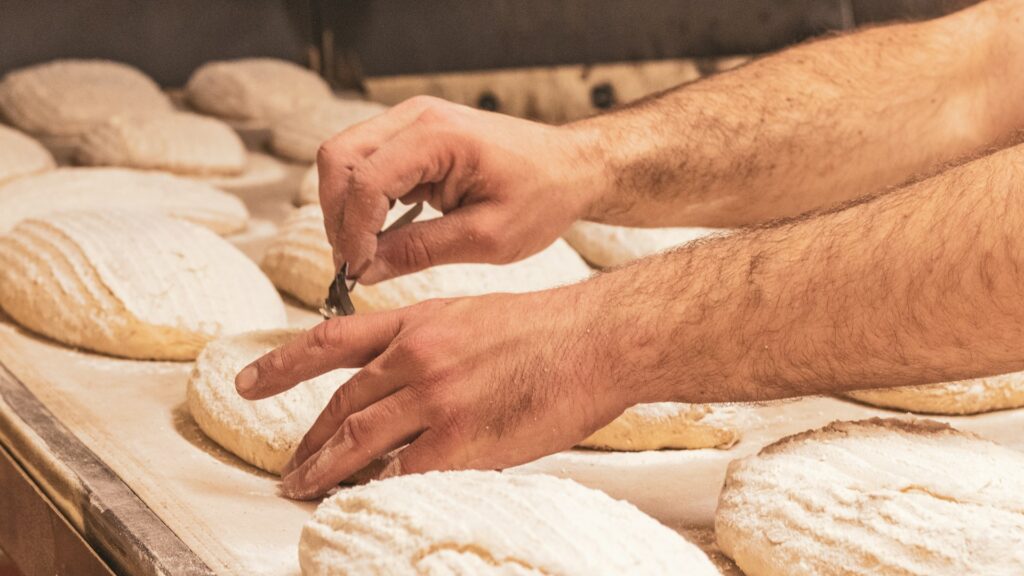
After fermentation, unmolding must be done carefully so as not to deflower the shape of the bread. The banneton should be gently inverted onto a baking tray or professional oven. It is often recommended to make incisions in the dough just before putting it in the oven, which will allow the bread to fully express itself during baking. Spraying the oven with water when baking will also help to achieve a crispy crust and nice brown.
FAQs on Using Bannetons
What is the ideal fermentation time in a banneton?
The fermentation time in a banneton generally varies between 1.5 and 4 hours, depending on the ambient temperature and the dough recipe.
Bannetons are ideal for hydrated doughs intended for rustic breads or traditional. However, for very liquid doughs or special preparations such as sandwich bread, other methods may be more appropriate.
To keep it in good condition, it is recommended to clean it regularly by removing flour residue and letting it dry in the open air. Avoid the use of soap or detergents, as they can alter the natural properties of the banneton.
Articles sur le même Sujet
Common mistakes to avoid when using a banneton
Inadequate preparation of Banneton
To ensure that the banneton bread does not become a source of frustration, it is crucial to prepare it correctly before each use. Mainly, it is recommended to generously dust the banneton with flour to prevent the dough from sticking. The use of fine-grained flours is recommended, such as rice flour, because it does not incorporate into the dough and maintains an effective separation between the banneton and the bread. It is also relevant to tap off excess flour to ensure that only a light haze remains on the surface, reducing the risk of it melting with the dough.
Choosing the Inappropriate Size and Shape
The choice of banneton adapted to the quantity of dough prepared is essential to obtain quality bread professional. A banneton that is too large or too small can affect the final shape of the bread, as well as its rising. It is advisable to select a banneton that provides just enough space for the dough to double in volume, which promotes even fermentation and rising. Having different formats accessible can provide more flexibility and precision in preparing bread varieties.
Poor Humidity Management
Humidity plays a crucial role in the bread fermentation process. Excessive moisture can cause the dough to stick to the banneton, resulting in a misshapen loaf when unmolded. Conversely, an environment that is too dry can cause the surface of the dough to dry out, preventing proper expansion and opening of the crust. It is therefore essential to cover the dough with a damp cloth, not soaked, to maintain ideal conditions during fermentation.
Improper Cleaning and Maintenance
The care given to banneton after each use directly influences its longevity and its ability to function well. All dough and flour residue should be removed using a soft, dry brush. The use of water for cleaning should be avoided whenever possible, as it can promote the formation of mold and the degradation of the natural fibers of the banneton. If washing is necessary, it is best to do it quickly under lukewarm water, then letting it dry completely in the open air.
FAQs
How to prevent dough from sticking to banneton?
To prevent sticking, make sure the banneton is well floured each time. Rice or corn flour are particularly effective in creating a barrier between the wood and the dough.
How often should I change banneton?
With proper care, a banneton can last for several years. It is advisable to replace it only if you notice signs of significant degradation or the presence of mold.
How important is banneton size?
Choosing the correct size banneton is crucial, as it must match the volume of dough to allow for even rising and prevent bread distortion.