


How to prepare sandwich bread with a banneton?
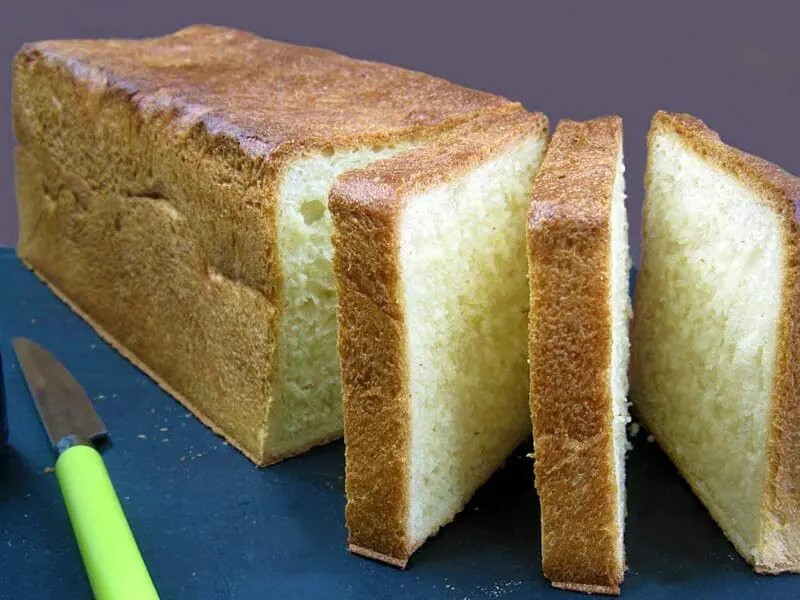

Let’s discover together the art of preparing soft, perfectly shaped sandwich bread using a banneton. This technical guide will explain step by step how to effectively use this traditional mold to obtain an impeccable texture and shape, while retaining the authentic flavors of homemade bread. Adapt the professionals’ methods to transform your baking skills and impress with your culinary creations.
Choosing the right banneton for sandwich bread
In the production of artisanal sandwich bread, the choice of banneton proves essential. This form of fermentation mold not only structures the dough during resting, but also influences the texture and final shape of the bread. For sandwich bread, careful selection of banneton is essential to obtain an optimal final product.
Characteristics of a banneton suitable for sandwich bread
Sliced bread is distinguished by its dense and fine crumb. For this, a banneton with a smooth wall and a specific shape allows you to obtain a uniformly rested dough without unwanted marks. The most commonly used materials are rattan and linen, which provide excellent absorbent properties, ensuring that the dough is not too wet or sticky. It is also possible to find plastic bannetons specially designed for industrial bakeries, which facilitate unmolding without disturbing the delicate structure of the dough.
Preferred dimensions and shapes
The size of the banneton should be chosen based on the amount of dough you plan to proof. For a classic sandwich bread, a rectangular banneton is recommended to obtain this traditional shape. Make sure the dimensions are large enough to accommodate the expansion of the dough during fermentation.
Maintenance and upkeep of the banneton
To guarantee the longevity of your banneton and preserve the quality of your bread, regular maintenance is essential. After each use, remove flour residue and allow the banneton to air dry to avoid the development of mold. Gentle brushing may be necessary for embedded particles. Fabric bannetons may require occasional washing, while plastic ones clean more easily and are generally more resistant to odors and mildew.
Fans of home baking can also consider ‘dressing’ their banneton in rattan or wood. This method involves periodically conditioning the banneton using flour to create a naturally non-stick surface thanks to the accumulated starch.
FAQ on choosing banneton for sandwich bread
What banneton material is best for sandwich bread?
For sandwich bread, a rattan or linen banneton is generally preferable for its moisture-absorbing qualities, helping to form a perfect crust and crumb.
Can you use a plastic banneton to make sandwich bread?
Yes, plastic bannetons are a hygienic and easy-to-maintain alternative, well suited to professional environments but less conducive to regulating humidity compared to rattan or linen.
How do I clean my banneton after use?
It is recommended to shake off excess flour, lightly brush and fan the banneton to dry it. Canvas or plastic bannetons can be washed with lukewarm water and a little soap if necessary, making sure to dry them thoroughly before storing.
Articles sur le même Sujet
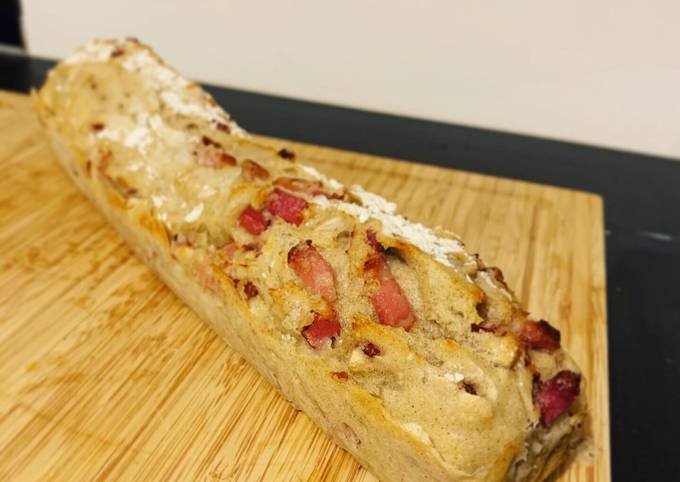
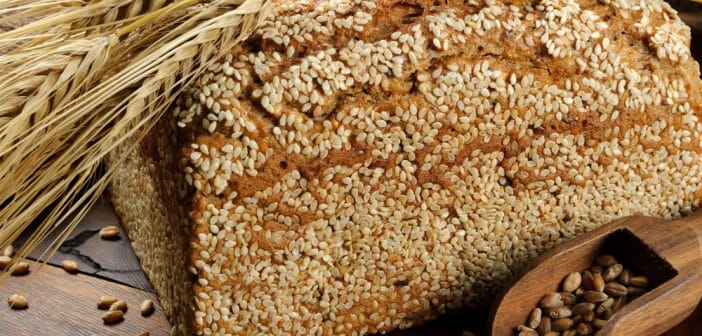
Preparing the sandwich bread dough
Choice and Preparation of Banneton
THE banneton, an essential accessory in the preparation of soft bread, is used to give the dough an appropriate shape while allowing homogeneous fermentation. Choose a wicker or rattan banneton for better moisture absorption, which is crucial for a quality crust. Before the first use and after each use, it is important to clean the banneton and dry it properly. A well-prepared banneton is dusted with flour to prevent the dough from sticking when shaping.
Necessary Ingredients
The dough soft bread requires simple but precise ingredients:
- Wheat flour high quality (approximately 500 g)
- Baker’s yeast fresh or dry (10 g)
- Milk lukewarm (300 ml)
- Butter soft (30 g)
- Sugar (2 tablespoons)
- Salt (1 teaspoon)
Make sure all ingredients are at room temperature to help with the fermentation process.
Dough Shaping
Start by dissolving the yeast in the warm milk with the sugar to activate the yeast. In a large bowl, mix the flour and salt, then add the yeast mixture and the soft butter. Knead the dough until it is smooth and elastic, which can take about 10 minutes by hand or 5 minutes with a mechanical dough mixer. Let the dough rest in a warm place, away from drafts, until it doubles in volume.
Once the first rise is complete, degas the dough by pressing on it to eliminate air bubbles. Then place the dough in the banneton previously floured. Cover the banneton with a clean cloth and allow the dough to rise a second time, until it extends slightly beyond the edge of the banneton.
Cooking and Tips
Preheat your oven to 220°C. Carefully invert the banneton onto a baking tray to unmold the dough. Just before baking, make a few cuts on the top of the dough to allow uniform expansion during baking. Bake the bread for about 25 to 30 minutes or until the crust is golden and crisp. Let cool on a rack before slicing.
FAQs
Can you use wholemeal flour to make sandwich bread?
Yes, wholemeal flour can be used for a healthier version, but it might require adjusting the amount of liquid in the recipe.
How long should you leave the dough in the banneton during the second rise?
The time varies depending on the room temperature, but generally between 1 to 1.5 hours until the dough rises above the banneton.
Can you reuse a banneton for different types of bread?
Absolutely, the banneton is versatile and can be used for the majority of types of bread dough, as long as it is cleaned and floured correctly between each use.
Articles sur le même Sujet

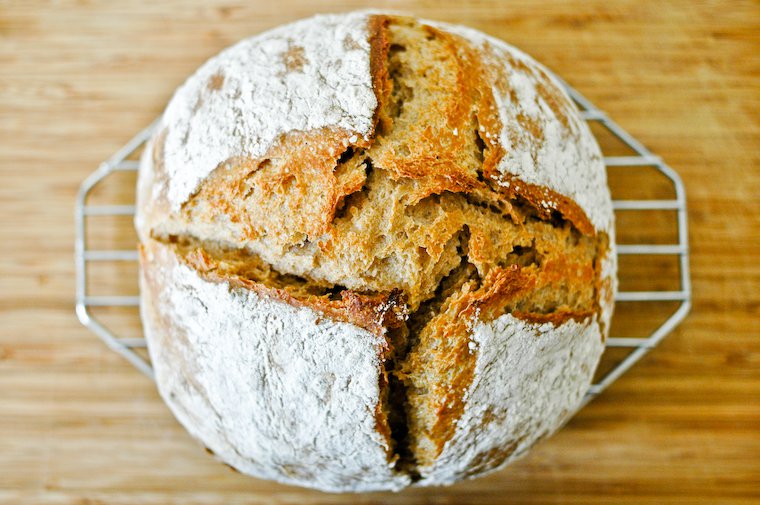
Shaping and shaping techniques
Understanding the use of banneton in baking
THE banneton, also known as fermentation basket, is an essential tool for any baker wishing to perfect the shape and structure of their bread. Typically made from natural materials such as wicker or rattan, bannetons help the dough maintain its shape during the final fermentation before baking, while also giving it a distinctive texture and pattern.
Choosing and preparing the right banneton
Before starting to shape your bread, it is crucial to select the banneton suitable for the size and shape of your bread. Round bannetons are ideal for bread balls, while long and oval versions are better for bastards or elongated loaves. Before each use, make sure to flour the banneton well to prevent the dough from sticking. A mixture of rice and wheat flour is often recommended for its effectiveness in preventing adhesion.
Shaping bread is a crucial step that affects both the texture and appearance of the final product. Start by gently punching down the dough to remove excess air pockets, which will promote a more uniform crumb and better bread structure. Then, according to the desired shape, fold and turn the dough, keeping it under tension without tearing it too much. This tension helps create a smooth, taut surface, ready for final fermentation in the banneton.
For round loaves, create a ball by pinching and twisting the dough under itself. For a longer loaf, gently roll the dough into a cylinder. Once shaped, place the dough in the banneton with the joint or seam facing up.
The role of the last fermentation
After shaping and shaping, the bread must undergo a final fermentation in the banneton. This step is crucial because it allows the dough to fully develop its aromas and texture. The duration of this fermentation can vary depending on the ambient temperature and the composition of the dough, but it generally lasts between one and several hours. The ideal is to cover the banneton with a damp cloth or plastic film to prevent the surface of the bread from drying out.
FAQs
1. How to clean a banneton after use?
– It is recommended to let the banneton dry completely after each use and then brush it with a clean, dry brush. Avoid washing it in water, as moisture can deteriorate the natural fibers and encourage mold and mildew.
2. Can you use a banneton for all types of dough?
– Bannetons are ideal for high hydration doughs, which benefit from the added structure during fermentation. For very firm doughs, a banneton may not be necessary.
3. What is the difference between a wicker banneton and a plastic one?
– Wicker bannetons are traditional and promote better aeration of the dough thanks to their porous material, which can improve the texture of the crust. Plastic bannetons, on the other hand, are easier to clean and can provide a smoother surface for bread.
Articles sur le même Sujet
The importance of resting time in a banneton
THE banneton, often known as fermentation basket, plays a crucial role in baking, particularly in bread making. Designed to support the dough during its final rest, before baking, the banneton contributes significantly to the textural and aesthetic quality of the bread. Let’s take a closer look at why resting time is so important when it takes place in a banneton.
Optimization of the dough structure
During the resting phase in a banneton, the dough undergoes a final fermentation, called final fermentation. It is during this crucial moment that the gluten structure continues to develop and the yeasts carry out their final activity before cooking. Adequate resting time allows the dough to develop a honeycomb texture, characterized by small air bubbles distributed evenly, which promotes an airy and light crumb.
Contribution to the flavor and aroma of bread
The resting time will also influence the taste of the bread. Indeed, the ongoing fermentative processes not only help create an ideal structure, but also contribute to the complexity of the flavors. The organic acids formed during this phase provide a richness of flavor and improve thearoma global bread. Thus, sufficient rest allows the benefits of fermentation to be maximized on the final taste profile.
Preparation for cooking
The banneton also provides necessary shape and support to the dough, allowing it to maintain its shape and texture when transferred to the oven. Without proper resting time in a banneton, the dough may be less manageable and difficult to score (score). The time spent in the banneton therefore ensures not only an aesthetic shape but also better cooking management.
It is also crucial to note that the nature of the banneton material (often wicker or molded food plastic) positively influences the humidity level around the dough. This is essential to prevent excessive drying of the surface, while allowing optimal crust development.
FAQs
What is the ideal resting time in a banneton?
The ideal time may vary depending on the type of dough and ambient conditions, but it is generally recommended to rest for 1 to 2 hours at room temperature.
Can you use any type of banneton?
It is preferable to use a banneton made of natural materials such as wicker, which promotes better air circulation around the dough. Synthetic materials can be used but are less effective at absorbing moisture.
Should we flour the banneton before each use?
Yes, it is recommended to lightly flour the banneton before placing the dough on it to prevent it from sticking and to make it easier to unmold before baking.
These practices and resting time adjustments are fundamental to obtaining superior quality bread. Bannetons, despite their apparent simplicity, are precision tools in the art of baking.
Articles sur le même Sujet
Tips for unmolding bread after rising
Preparing the Banneton before use
Before placing the dough in the banneton, it is essential to prepare it well to prevent the bread from sticking when unmolding. Generously dusting the banneton with flour is the crucial first step. It is advisable to use a different type of flour than your dough to create an effective barrier. Rice or whole wheat flours are often recommended for their ability to prevent sticking.
Effective mold release techniques
When the rising is complete, unmolding must be done carefully so as not to deflate the dough. Gently turn it over banneton above the cooking area, whether it is a plate or a preheated pizza stone. Use a gentle shake if the bread does not come apart immediately. Avoid using sharp or metallic objects that could damage the banneton and the surface of the bread.
Maintaining the Banneton after use
After each use, it is important to clean the banneton correctly to guarantee its longevity and the hygiene of your future preparations. Brush off the flour residue and let the banneton air dry. If necessary, further cleaning can be done with lukewarm water and a soft brush, but avoid prolonged soaking and dishwasher.
FAQs
- What type of flour is best for dusting banneton?
It is recommended to use a flour that differs from that of your dough. Rice flour is particularly effective in preventing the dough from sticking. - How to prevent the dough from sticking to the banneton when rising?
Make sure to generously dust the banneton with flour before placing your dough on it. Properly controlled humidity is also crucial. - Can banneton be washed in water?
Cleaning with lukewarm water is possible but should be done sparingly. Avoid soaking the banneton and do not use a dishwasher.
Optimal cooking of sandwich bread for a perfect result
Understanding How to Use a Banneton
THE banneton, an essential element for lovers of artisanal baking, is a wicker basket that helps shape and allow a final fermentation of the dough before baking. Using a banneton correctly can significantly improve the texture and shape of your soft bread.
Preparing the Banneton Before Use
Before the first use, it is important to prepare your banneton. Sprinkle it generously with flour to prevent the dough from sticking. Some bakers use a mixture of rice and wheat flour because rice flour effectively prevents the dough from sticking to the fibers of the wicker.
Steps for Shaping Sliced Bread in a Banneton
- Prepare the dough: Make sure the dough has been kneaded properly and given enough time for the first rise.
- Forming: Gently shape your dough into an oval or round shape, depending on the shape of your banneton.
- Second lift: Place the formed dough piece in the banneton, seam side up. This allows the dough to maintain its shape while rising.
- Blanket : Cover the banneton with a clean cloth to protect the dough during its final rise.
Baking and Handling Techniques for Sliced Bread
After rising, gently invert the banneton onto a baking sheet to transfer the bread. It is crucial to be gentle so as not to deflate the dough. Score the surface of the bread with a sharp blade to control the direction in which the bread will open when baking. Cook according to your recipe’s recommendations, generally at a high temperature initially to allow for a good rise.
Banneton maintenance
After each use, it is advisable to remove flour residue and let the banneton air dry. Avoid washing banneton with water, as this can affect the integrity of the wicker and promote mold growth. Periodic cleaning with a soft brush is sufficient to maintain the quality and longevity of the banneton.
FAQs
1. Can you use a banneton for all types of bread dough?
Yes, but it is particularly effective for hydrated doughs that require support to keep their shape during final fermentation.
Using flour generously and incorporating rice flour into your preparation are two effective methods to prevent dough from sticking.
Yes, covering the banneton prevents the dough from drying out and helps maintain a stable temperature, essential for proper fermentation.