


How to make a delicious recipe for sesame bread with banneton?
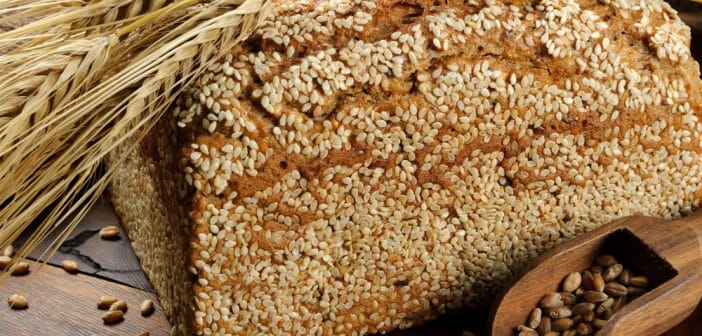

Master the art of artisanal baking by learning how to make a delicious sesame bread recipe using a banneton. This detailed guide will provide you with all the techniques and tips necessary to obtain a perfectly airy crumb and a crispy crust, enriched with the unique taste of sesame. Elevate your craftsmanship and impress with homemade bread that combines tradition and exquisite flavor.
Choosing Ingredients for Perfect Sesame Bread
The Basics of Flour and Water
To make a sesame bread of superior quality, the selection of flour is crucial. Opt for type 55 or type 65 wheat flour, which are best suited to obtaining a light crumb and a crispy crust. This flour must have good gluten power, essential for the elastic network of the dough.
L’water, preferably filtered or sourced, must be added gradually to adjust the hydration of the dough. Water temperature is also an important parameter: use slightly lukewarm water to encourage yeast activity and speed up fermentation.
The Role of Yeast or Sourdough
The choice between yeast And leaven notoriously influences the taste, texture, and preservation of bread. For traditional sesame bread, active baker’s yeast ensures rapid and effective rising. However, for a more developed flavor and more digestible bread, natural sourdough can be a great option. If opting for sourdough, make sure it is refreshed and active to ensure successful fermentation.
The Importance of Sesame Seeds
THE Sesame seeds are the key element of this type of bread. They not only provide a crunchy texture but also a unique taste. Choose good quality sesame seeds, ideally organic, to avoid pesticide residues. They can be incorporated into the dough or simply sprinkled on top before baking. For a more intense flavor, you can lightly dry roast the seeds before adding them to your dough.
Other Ingredients and Their Functions
Of salt is essential not only to enhance the taste of the bread but also to strengthen the structure of the dough. Add about 2% of the weight of the flour in salt. A little of sugar or Honey can also be incorporated to enrich the color of the crust thanks to the Maillard reaction during cooking.
THE fat, such as sesame oil, can be added to the dough to enrich the flavor and improve the tenderness of the bread. However, these additions must be moderate so as not to inhibit the fermentation process.
FAQs
1. What is the difference between using yeast and sourdough in sesame bread?
Yeast allows for faster rising and more airy bread, while sourdough provides a more complex flavor and better preservation of the bread.
2. How long should you let sesame bread dough rest?
The resting time varies depending on the type of yeast or sourdough used. Generally, the dough should rest for at least 1 to 2 hours for the first fermentation if you are using baker’s yeast.
3. Can you prepare gluten-free sesame bread?
Yes, it is possible to prepare gluten-free sesame bread by substituting wheat flour with a mixture of gluten-free flours (such as rice, corn and tapioca flour) and adjusting the amount of xanthan gum to maintain the texture.
Articles sur le même Sujet

Preparing the dough: techniques and tips
Necessary Ingredients
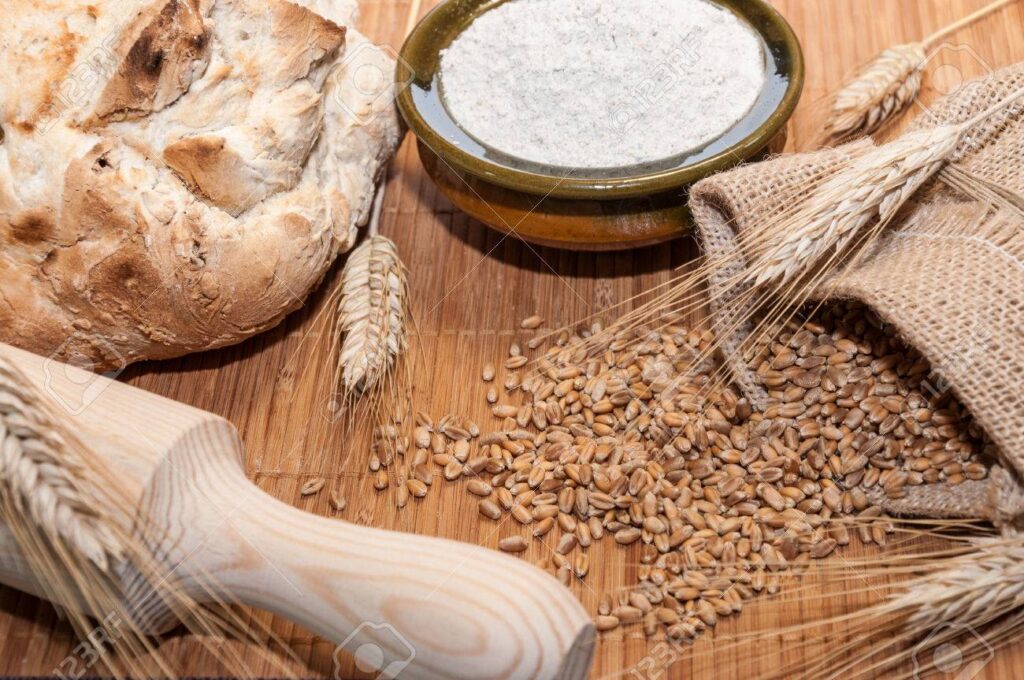
To begin your adventure in making sesame bread, you will need the following ingredients: wheat flour type 55 or 65, lukewarm water, fresh or dry baker’s yeast, salt, olive oil, and of course, sesame seeds. The quality of the ingredients significantly influences the final taste of the bread, so it is advisable to choose high quality products.
Preparation of Yeast
Yeast is the main fermentation agent that allows dough to rise during bread making. To activate it, dilute the yeast in warm water with a little sugar, which will help activate it effectively. Let this mixture sit for about 10 to 15 minutes until bubbles appear, a sign that the yeast is ready to use.
Assembly of Ingredients
In a large bowl, combine the flour and salt. Make a well in the center and add the olive oil and yeast mixture. Gradually add the lukewarm water and start kneading until you obtain a homogeneous and elastic dough. This process is crucial because kneading develops the gluten, essential for the texture of the bread.
Incorporation of Sesame Seeds
Once the dough is well kneaded, it’s time to add the sesame seeds. Make sure to incorporate them evenly so that each piece of bread has a nice distribution of seeds. In addition to their fragrance, sesame seeds add a crunchy touch that enriches the texture of the bread.
First Lift
Place the dough in an oiled bowl, cover it with a damp cloth or plastic wrap and let it rise in a warm place for about 1 to 2 hours. The dough should double in volume. This step is called the “first lift”.
Shaping and Second Raising
After the first rise, degas the dough by kneading it lightly to eliminate air bubbles. Then shape your dough into the desired shape. Place it on a baking tray lined with parchment paper, cover it and let it rise again for about an hour, until it almost doubles in size.
Baking Bread
Preheat your oven to 230°C. Just before putting your bread in the oven, lightly spray its surface with water and sprinkle with a few sesame seeds. Then put the bread in the oven and cook for about 30 minutes. To get a crispy crust, you can add a container of water to the oven during cooking, which will help develop steam.
FAQs
1. What type of flour is best for making sesame bread?
– Type 55 or 65 wheat flour is generally recommended for making sesame bread because it has a gluten content which allows good elasticity and firmness of the dough.
2. How long should you knead the dough to get a good result?
– Kneading should last at least 10 minutes by hand. If you’re using a mixer, 5 to 7 minutes is usually enough time to properly develop the gluten.
3. Can we use toasted sesame seeds for the recipe?
– Yes, you can use toasted sesame seeds for a more intense taste. Make sure to add them at the end of kneading to avoid crushing them.
Articles sur le même Sujet
Using banneton for an ideal shape
Sesame Bread Recipe Basics
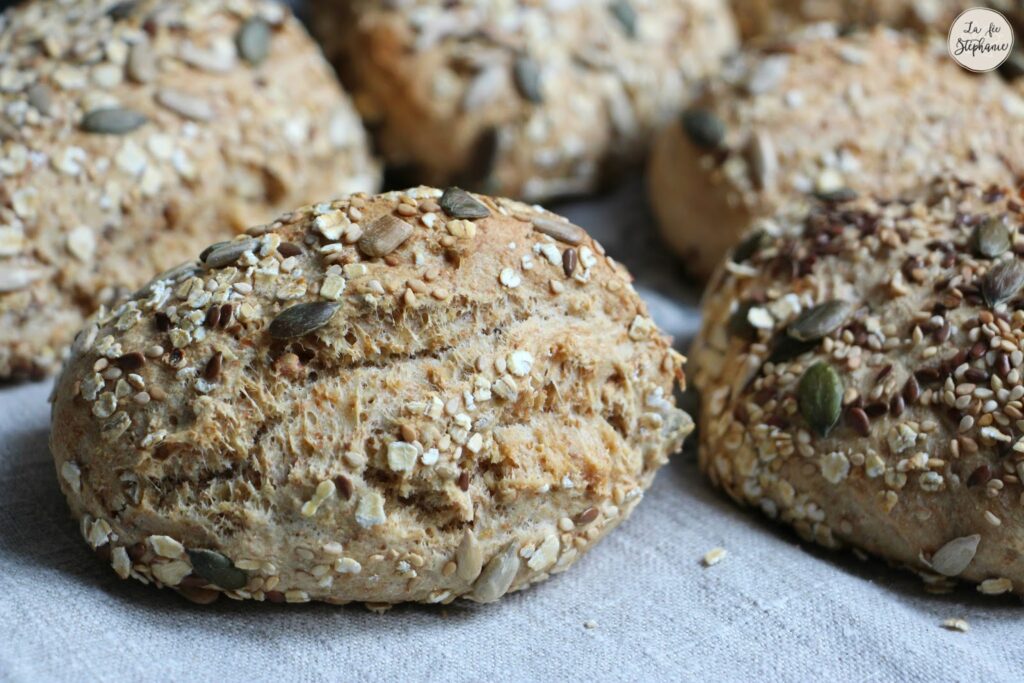
The realization of a sesame bread starts with the selection of quality ingredients. For this recipe, you will need type 55 or type 65 flour, fresh baker’s yeast, lukewarm water, salt, sugar, and of course, sesame seeds. The sesame seeds should be lightly toasted before incorporating them into the dough to enhance the flavor.
Preparing the dough is a crucial step. It must be kneaded until the texture is both elastic and soft. Then let the dough rest and double in volume. This first fermentation is essential to allow the dough to develop the necessary aromas and structure.
The Role of Banneton in the Shape of Bread
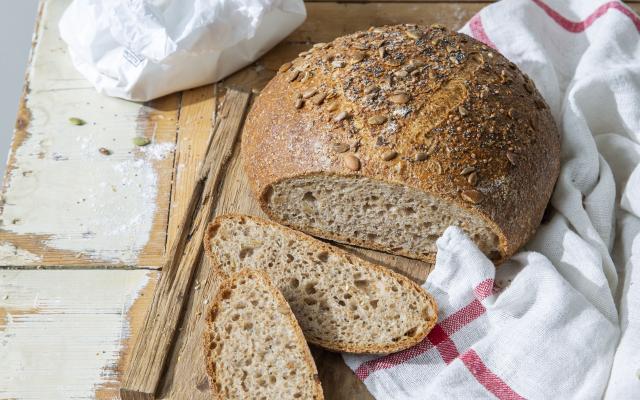
THE banneton, a fermentation basket often made of wicker, plays a key role in the formation of the crust and shape of the bread. Before placing the dough in it, it is recommended to flour it generously to prevent the dough from sticking to it. Using banneton helps maintain the shape of the bread during the final fermentation, while giving it its classic spiral patterns.
After placing the dough in the banneton, it is important to cover everything with a clean cloth to prevent the surface from drying out. The duration of this fermentation can vary, but is generally one to two hours, depending on the ambient temperature.
Cooking and Finishing
Cooking is the final step. The oven must be preheated to a high temperature (at least 230°C) before putting the bread in. To obtain a nice golden and crispy crust, it is advisable to create steam in the oven by throwing a few ice cubes into the drip pan when putting the bread in the oven.
After about 30 minutes of baking, the bread should have acquired a golden color and a crispy crust. It is essential to let the bread cool on a rack before cutting it, so that the internal humidity stabilizes and the texture of the crumb is perfect.
FAQs
How does flour type impact sesame bread?
The choice of flour influences the texture and flavor of the bread. Type 55 or 65 flours are ideal for obtaining an airy crumb and a crispy crust.
Can you replace baker’s yeast with sourdough?
Yes, it is possible to use natural sourdough instead of yeast. This will add a more rustic character and stronger aroma to the bread.
How to store sesame bread so that it stays fresh longer?
Sesame bread is ideally stored in a cloth bag or bread jar, protected from humidity. Avoid plastic bags which soften the crust.
Articles sur le même Sujet
Management of fermentation and rest
Importance of fermentation in making sesame bread
There fermentation is a crucial process in baking, particularly for sesame bread, as it directly influences the texture, flavor and shelf life of the bread. Fermentation begins when the ingredients, notably yeast or sourdough, are mixed with flour and water. Yeast, a living organism, consumes the sugars in the flour, producing carbon dioxide and alcohol, which causes the dough to rise.
The type of yeast used, whether fresh, dry or natural sourdough, has a significant impact on the quality and characteristics of the bread. For sesame bread, it is advisable to opt for slow fermentation, which can be done in the refrigerator, as this allows more complex aromas and a better crumb structure to develop.
Control of resting time and its impact on bread
THE break is as fundamental as fermentation. This time allows the dough to relax and makes shaping easier. During resting, gluten proteins link together and create a network that can trap gases produced during fermentation, giving bread its airy, light texture.
In addition, the resting time influences the hydration of the flour. Full hydration improves the elasticity and strength of the dough, which is essential for the production of sesame bread, so that the sesame seeds are well integrated and evenly distributed in the dough.
Optimization of conditions during fermentation and rest
To maximize the effectiveness of fermentation and resting in sesame bread recipe, it is crucial to maintain proper temperature. The ideal temperature for effective fermentation is generally between 24°C and 27°C. However, lower temperatures during slow fermentation (around 4°C to 7°C) can enrich flavors.
Humidity must also be controlled, especially during rest. An environment that is too dry can cause a hard crust on the surface of the dough, which prevents the bread from rising properly. Using a damp cloth to cover the dough or providing a source of humidity in the oven while baking are effective methods of maintaining adequate humidity.
FAQs
What is the ideal fermentation time for sesame bread?
The ideal fermentation time may vary, but in general, slow fermentation for 12 to 24 hours in the refrigerator is recommended to improve the flavors and texture of the bread.
Can you use dry yeast instead of fresh yeast for sesame bread?
Yes, dry yeast is a viable alternative to fresh yeast. However, it is important to note that the quantity needed may vary. Generally, we use about a third the amount of dry yeast compared to fresh yeast.
How do you know if the dough has fermented enough?
A good indicator is the volume of the dough; it should almost double. Additionally, a simple test is to lightly press the dough with your finger: if the indentation springs back slowly but remains visible, the dough has sufficiently fermented.
Articles sur le même Sujet
Cooking: temperatures and times for optimal results
The art of baking relies on the mastery of multiple factors, and baking bread is a crucial process that requires precision and attention. Cooking the sesame bread is no exception to this rule and several techniques can be used to obtain bread that is both crispy on the outside and soft on the inside.
Preparing the dough is the first decisive step. For sesame bread, it is essential to select quality ingredients. Wheat flour, preferably type 55 or 65, is ideal for its moderate gluten content, which guarantees good elasticity of the dough. The addition of sesame seeds, rich in oils and flavors, should be done after the first kneading for uniform distribution.
Optimal cooking temperature and time
THE sesame bread reaches its perfection when cooked at a temperature which generally oscillates between 220°C and 230°C. This high heat produces a golden, crispy crust, while retaining moisture inside the crumb, which is crucial for the softness of the bread. Baking time varies depending on the size of the loaf, but an average of 20 to 25 minutes is recommended for most standard-sized loaves.
It is also advisable to include a heat-resistant container of water in the oven to create steam. The latter plays a key role in the development of the crust and also helps preserve the moisture of the crumb.
Managing humidity and oven temperature
Besides temperature, humidity in the oven is an essential factor to control. Too dry an environment during baking can result in a crust that is too thick and tough. The trick is to add steam at the start of cooking. The use of steam not only regulates the heat, but also facilitates the expansion of the dough during the first minutes of cooking, which contributes to the lightness of the crumb.
This process should be followed until the crust begins to form and the bread begins to take on its characteristic golden color. From this point on, it is often suggested to lower the oven temperature slightly to let the core of the bread cook through without the crust browning excessively.
FAQs on Baking Sesame Bread
- What is the best way to store sesame bread after baking?
It is best kept in a cloth bag or airtight container at room temperature to preserve its freshness and crispy texture. - Can I use untoasted sesame for bread making?
Yes, untoasted sesame seeds can be used, but seeds lightly toasted before incorporation will enhance the flavor of your bread. - How do I know if my sesame bread is perfectly cooked?
When the bread sounds hollow when lightly tapped on the bottom, this is an indicator that the bread is adequately cooked. Additionally, the crust should be evenly browned.
Finishes and variations of sesame bread
Sesame bread, appreciated for its crunchy texture and distinct taste, is a bakery classic. Varied in its finishes and recipes, this type of bread can be a great way to add originality to your table.
Different preparation techniques
The preparation of sesame bread often begins with the choice of flour. Classic wheat flour is frequently used, but options incorporating rye or wholemeal flour are also popular for those looking for a denser texture and improved nutritional profile. Incorporating sesame can be done in two ways: either by adding the sesame seeds during kneading, or by sprinkling them on top before baking for a flavor-rich crust.
Varieties of sesame seeds used
There are various kinds of sesame seeds that can influence the taste and appearance of bread. White sesame seeds are the most common and offer a slightly sweet flavor. Black sesame seeds, for their part, bring a more pronounced touch and an interesting visual contrast. Mixing the two types of seeds can create an attractive marbled effect and complexify the taste of the bread.
In addition to pure sesame seeds, it is also possible to use toasted sesame seeds to intensify their aroma, thus adding an extra dimension to the flavor of the bread.
Dough Enrichment Techniques
Enriching the dough with ingredients like sesame oil not only provides additional flavor but also contributes to the tenderness of the final product. Adding eggs or milk can also change the texture of the bread, making it softer and richer.
For those who opt for a healthier version, the integration of extra fiber like flaxseed or oatmeal is a great option, improving both the nutritional profile of the bread and its texture.
Variations according to culinary preferences
Sesame bread can be adapted to meet various diets. For a gluten-free variation, gluten-free flour blends can be used. For a vegan option, replacing milk and eggs with plant-based alternatives is completely doable without compromising texture.
Introducing herbs or spices like thyme, rosemary or cumin can also transform a simple sesame bread into a rich and aromatic culinary creation.
Sesame Bread FAQ
1. How to store sesame bread so that it stays fresh longer?
It is recommended to store sesame bread in a canvas bag at room temperature to preserve freshness. Avoid plastic bags which can make the crust soft.
2. Can you make sesame bread with a bread machine?
Yes, it is entirely possible to prepare sesame bread in a bread machine. Simply add the ingredients in the order recommended by the manufacturer and select the appropriate program.
3. What is the difference between homemade sesame bread and that bought from a bakery?
Homemade sesame bread allows for complete customization of ingredients and textures. Additionally, it is often free of preservatives and additives found in some commercial breads.